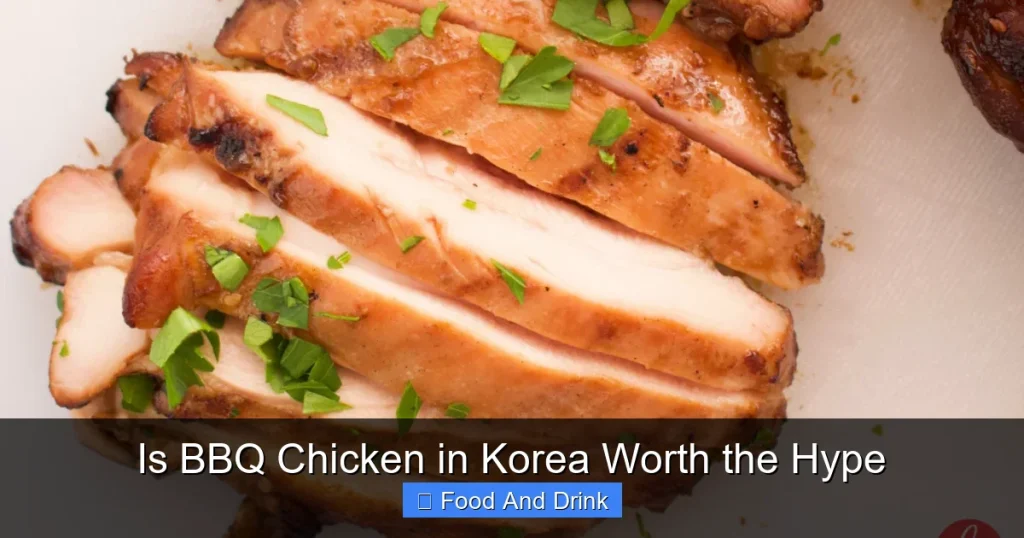

Korean BBQ chicken has taken the world by storm, and for good reason—it’s bold, flavorful, and deeply satisfying. From street food stalls to high-end restaurants, this dish blends tradition with innovation, offering a unique twist on classic grilled and fried chicken.
Key Takeaways
- Korean BBQ chicken is more than just grilled meat—it’s a cultural experience. It combines marinades, side dishes, and interactive dining for a full sensory journey.
- Two main styles dominate: Korean fried chicken and Korean-style grilled chicken. Each offers distinct textures and flavors, from crispy and saucy to smoky and tender.
- Sauces like gochujang, yangnyeom, and ssamjang elevate the taste. These bold, sweet, spicy, and umami-rich condiments define Korean BBQ chicken.
- Side dishes (banchan) are essential. Kimchi, pickled radish, and seasoned spinach complete the meal and balance the richness.
- Korean BBQ chicken is social food. It’s meant to be shared, grilled at the table, and enjoyed with friends and family.
- It’s widely available across Korea—from Seoul to Busan. Whether you’re in a trendy Hongdae alley or a traditional market, great BBQ chicken is never far.
- The hype is justified—but know what to look for. Seek out fresh ingredients, house-made sauces, and authentic preparation methods for the best experience.
Quick Answers to Common Questions
What makes Korean BBQ chicken different from American BBQ chicken?
Korean BBQ chicken focuses on bold, sweet, and spicy sauces like gochujang and yangnyeom, while American BBQ often uses smoky, tomato-based sauces. Korean versions also emphasize side dishes and communal dining.
Is Korean fried chicken healthier than regular fried chicken?
Korean fried chicken is often double-fried with a lighter batter, making it less greasy. However, it’s still fried, so moderation is key. Grilled versions are a healthier option.
Can I find vegetarian options at Korean BBQ chicken restaurants?
Yes, many places offer grilled vegetables, tofu, or mushroom skewers. Ask for “chaesik” (vegetarian) options or check menus in advance.
What’s the best time to eat Korean BBQ chicken?
Evening is ideal, especially for chimaek (chicken and beer) culture. Many spots are busiest after 6 PM, with lively atmospheres and fresh batches.
Do I need to tip at Korean BBQ chicken restaurants?
No, tipping is not customary in Korea. Service charges are usually included, and excellent service is expected as standard.
📑 Table of Contents
Is BBQ Chicken in Korea Worth the Hype?
Imagine biting into a piece of chicken so tender it practically melts in your mouth, coated in a glossy, spicy-sweet glaze that makes your taste buds dance. Or picture golden, crackling skin giving way to juicy meat, served with a side of fermented kimchi and a cold glass of soju. This is Korean BBQ chicken—and yes, it’s absolutely worth the hype.
But let’s be honest: not all chicken is created equal. While you can find decent versions in many countries, the real magic happens in Korea, where the dish is deeply rooted in culture, tradition, and culinary innovation. From bustling street food markets to sleek modern restaurants, Korean BBQ chicken is more than just a meal—it’s an experience. It’s about the sizzle of meat on a grill, the laughter of friends gathered around a table, and the explosion of flavors that come from perfectly balanced sauces and sides.
So, is BBQ chicken in Korea worth the hype? The short answer is yes. But to truly understand why, we need to dive deeper into what makes this dish so special. It’s not just about the chicken itself—it’s about how it’s prepared, served, and enjoyed. It’s about the balance of sweet, spicy, salty, and umami, and the way every bite tells a story of Korean culinary heritage.
The Two Faces of Korean BBQ Chicken

Visual guide about Is BBQ Chicken in Korea Worth the Hype
Image source: dhrecipes.com
When people talk about Korean BBQ chicken, they’re often referring to two distinct styles: Korean fried chicken and Korean-style grilled chicken. Both are delicious, but they offer very different experiences.
Korean Fried Chicken: Crispy, Saucy, and Unapologetically Bold
Korean fried chicken, or “KFC” (not to be confused with the American chain), is a global phenomenon. It’s known for its extra-crispy double-fried skin, juicy interior, and bold sauces that range from sweet and spicy to garlic-heavy and umami-rich.
Unlike Western fried chicken, Korean versions are often lighter and less greasy. The secret? A special batter or cornstarch coating that creates a delicate, shatteringly crisp crust. Then, the chicken is fried twice—once to cook through, and again to achieve that perfect crunch.
But the real magic happens after frying. Korean fried chicken is almost always tossed in a sauce. The most popular is yangnyeom (양념), a sweet, spicy, and slightly sticky glaze made from gochujang (Korean chili paste), garlic, soy sauce, sugar, and vinegar. Another favorite is soy garlic, which offers a savory, aromatic flavor with a hint of sweetness.
One of the best places to try Korean fried chicken is in Hongdae, Seoul’s youthful and artsy district. Here, you’ll find countless “chimaek” (치맥) spots—a portmanteau of “chicken” and “beer”—where locals gather after work or school to enjoy crispy chicken with a cold drink. Try Kyochon or BHC Chicken for reliable, high-quality options, or explore smaller, family-run joints for a more authentic vibe.
Korean Grilled Chicken: Smoky, Tender, and Interactive
On the other end of the spectrum is Korean grilled chicken, which is more akin to traditional Korean BBQ (gogi-gui). Here, chicken—usually thighs or wings—is marinated in a flavorful blend of soy sauce, garlic, ginger, pear juice (for tenderness), and sesame oil, then grilled over charcoal or gas.
The grilling process is often done at the table, allowing diners to cook the meat to their preferred doneness. This interactive element is a hallmark of Korean dining culture. You’ll often find chicken grilled alongside vegetables like mushrooms, onions, and green peppers, which absorb the smoky flavors and add a fresh contrast.
One standout dish is dak-galbi (닭갈비), a spicy stir-fried chicken dish from the city of Chuncheon. It’s made with marinated chicken, cabbage, sweet potatoes, and rice cakes, all cooked together in a hot iron pan. The result is a hearty, spicy, and slightly sweet meal that’s perfect for sharing.
Another popular grilled option is samgyeopsal-style chicken, where thick-cut chicken belly is grilled and eaten wrapped in lettuce with ssamjang (a thick, spicy paste), garlic, and kimchi. This style emphasizes the ritual of eating—wrapping, dipping, and savoring each bite.
The Secret Sauces That Make Korean BBQ Chicken Shine

Visual guide about Is BBQ Chicken in Korea Worth the Hype
Image source: blogger.googleusercontent.com
If the chicken is the star, then the sauces are the supporting cast that steals the show. Korean BBQ chicken wouldn’t be the same without its signature condiments, each offering a unique flavor profile that elevates the dish.
Gochujang: The Fiery Heart of Korean Flavor
Gochujang is a fermented red chili paste that’s sweet, spicy, and deeply umami. It’s the backbone of many Korean sauces, including the iconic yangnyeom glaze. Made from gochugaru (Korean chili flakes), glutinous rice, fermented soybeans, and salt, gochujang has a complex flavor that builds over time.
When used in BBQ chicken, gochujang adds a rich, smoky heat that lingers on the palate. It’s often balanced with sugar or honey to tame the spice, creating a sweet-and-spicy harmony that’s addictive.
Yangnyeom Sauce: Sweet, Spicy, and Sticky
Yangnyeom sauce is the most popular coating for Korean fried chicken. It’s typically made with gochujang, ketchup, vinegar, sugar, garlic, and soy sauce. The result is a glossy, slightly thick sauce that clings to every nook and cranny of the crispy chicken.
Some variations include honey for extra sweetness or rice wine for a tangy kick. The best yangnyeom sauces are house-made, with a balance of heat, sweetness, and acidity that keeps you coming back for more.
Ssamjang: The Ultimate Wrap Sauce
Ssamjang is a thick, savory paste made from doenjang (fermented soybean paste), gochujang, sesame oil, garlic, and green onions. It’s traditionally used for wrapping grilled meats in lettuce leaves, but it’s also fantastic with grilled chicken.
Its umami depth and slight spiciness make it a perfect complement to smoky, grilled flavors. When paired with fresh lettuce, garlic, and kimchi, it creates a refreshing, balanced bite.
Soy Garlic: Simple Yet Sophisticated
Soy garlic sauce is a milder alternative to yangnyeom, perfect for those who prefer less heat. It’s made with soy sauce, garlic, sugar, and sesame oil, resulting in a savory, aromatic glaze that enhances the natural flavor of the chicken.
This sauce is especially popular with grilled or roasted chicken, where the subtle sweetness and garlic notes shine without overpowering the meat.
The Role of Banchan: More Than Just Side Dishes

Visual guide about Is BBQ Chicken in Korea Worth the Hype
Image source: i0.wp.com
No Korean meal is complete without banchan—the small side dishes that accompany the main course. These aren’t just extras; they’re essential components that balance and enhance the flavors of BBQ chicken.
Kimchi: The Fermented Favorite
Kimchi, made from fermented napa cabbage and radishes, is a staple at every Korean table. Its tangy, spicy, and crunchy profile cuts through the richness of fried or grilled chicken, cleansing the palate between bites.
There are hundreds of kimchi varieties, but the most common is baechu kimchi (napa cabbage kimchi). It’s often served cold and pairs beautifully with spicy sauces, offering a refreshing contrast.
Pickled Radish: The Sweet and Sour Crunch
Known as mu (무), pickled radish is a bright, crisp side dish that’s often served with fried chicken. Its mild sweetness and tangy crunch provide a refreshing break from the heaviness of the main dish.
In some restaurants, you’ll find radish cubes soaked in a sugary vinegar solution, creating a candy-like treat that’s surprisingly addictive.
Seasoned Spinach and Bean Sprouts
Sigeumchi namul (seasoned spinach) and kongnamul muchim (seasoned bean sprouts) are light, healthy sides that add texture and freshness. Tossed with sesame oil, garlic, and a touch of salt, they’re simple but flavorful.
These dishes are often served cold and help balance the meal, especially when paired with rich, saucy chicken.
Why Banchan Matters
Banchan isn’t just about variety—it’s about harmony. The combination of spicy, sour, sweet, and umami flavors creates a balanced meal that’s both satisfying and refreshing. When enjoying Korean BBQ chicken, don’t skip the sides. They’re not optional; they’re part of the experience.
Where to Find the Best BBQ Chicken in Korea
Korea is a paradise for chicken lovers, with countless spots serving up delicious BBQ chicken. Whether you’re in Seoul, Busan, or Jeonju, you’re never far from a great meal.
Seoul: The Heart of Korean Chicken Culture
Seoul is the epicenter of Korean BBQ chicken, with neighborhoods like Hongdae, Gangnam, and Itaewon offering endless options.
In Hongdae, try BHC Chicken or Kyochon for reliable, high-quality fried chicken. For a more local experience, visit smaller alleys where family-run shops serve up homemade sauces and crispy, fresh-out-of-the-fryer chicken.
In Gangnam, upscale restaurants like Goobne offer gourmet versions with unique flavors like black pepper or truffle. Itaewon, known for its international vibe, has fusion spots that blend Korean and Western styles—think Korean-style buffalo wings or gochujang aioli.
Busan: Coastal Flavors with a Chicken Twist
Busan, Korea’s coastal city, offers a slightly different take on BBQ chicken. Here, you’ll find seafood-inspired versions, like grilled chicken with seaweed or spicy chicken with squid.
Try Gukje Market for street food-style fried chicken, or head to Haeundae for modern restaurants with ocean views and creative menus.
Jeonju: The Birthplace of Bibimbap and More
Jeonju, in North Jeolla Province, is a food lover’s paradise. While famous for bibimbap, it’s also home to excellent BBQ chicken.
Look for local dak-galbi spots, where the spicy stir-fried chicken is a regional specialty. The city’s traditional markets, like Nambu Market, offer affordable, authentic meals in a lively atmosphere.
Tips for Finding the Best Spots
– Look for places with long lines—locals know what’s good.
– Avoid tourist traps with English-only menus; seek out spots with Korean signage.
– Ask for recommendations from hotel staff or locals.
– Try smaller, family-run restaurants for a more authentic experience.
The Social Side of Korean BBQ Chicken
Korean BBQ chicken isn’t just about the food—it’s about the people. In Korea, meals are social events, and chicken is often the centerpiece of gatherings.
Chimaek: Chicken and Beer Culture
Chimaek (치맥) is a beloved Korean tradition that combines fried chicken and beer. After work or school, friends gather at casual spots to unwind with crispy chicken, cold drinks, and lively conversation.
This culture is especially strong in university areas like Hongdae and Sinchon, where students flock to chimaek joints for affordable, satisfying meals.
Family Dinners and Celebrations
Grilled chicken is also a staple at family dinners and celebrations. Whether it’s a birthday, holiday, or just a weekend meal, grilled chicken is often served with rice, soup, and an array of banchan.
The act of grilling at the table brings people together, creating a sense of connection and shared enjoyment.
Sharing Is Caring
In Korean culture, food is meant to be shared. Dishes are placed in the center of the table, and everyone helps themselves. This communal approach makes dining a collaborative, joyful experience.
When you order Korean BBQ chicken, expect to share—not just the food, but the laughter, stories, and memories that come with it.
Is It Worth the Hype? Our Verdict
So, is BBQ chicken in Korea worth the hype? Absolutely.
From the crispy, saucy perfection of Korean fried chicken to the smoky, interactive joy of grilled chicken, this dish delivers on every level. It’s bold, flavorful, and deeply satisfying, with a cultural richness that goes beyond the plate.
The sauces, the sides, the social atmosphere—all of it adds up to an experience that’s hard to replicate anywhere else. Whether you’re a first-time visitor or a seasoned foodie, Korean BBQ chicken is a must-try.
But remember: not all versions are created equal. Seek out authentic spots, fresh ingredients, and house-made sauces. Avoid overly touristy places, and don’t be afraid to explore local neighborhoods.
In the end, Korean BBQ chicken isn’t just food—it’s a celebration of flavor, tradition, and togetherness. And that’s something worth traveling for.
🎥 Related Video: Bb.q Chicken (Gangnam) #bbqchicken #koreanchicken #koreanfood
📺 PhatVick, the Wingman🪽
Frequently Asked Questions
What is yangnyeom sauce?
Yangnyeom sauce is a sweet, spicy, and sticky glaze made from gochujang, garlic, soy sauce, and sugar. It’s the most popular coating for Korean fried chicken.
Is Korean BBQ chicken spicy?
It can be, depending on the sauce. Yangnyeom and gochujang-based sauces are spicy, but milder options like soy garlic are available.
Can I eat Korean BBQ chicken without rice?
Yes, but rice is traditionally served to balance the flavors. Some people enjoy chicken with lettuce wraps or alone, especially in chimaek settings.
Is Korean BBQ chicken gluten-free?
Not usually. Sauces often contain soy sauce and wheat-based ingredients. Ask for gluten-free options or check labels if you have dietary restrictions.
What’s the difference between dak-galbi and regular grilled chicken?
Dak-galbi is a spicy stir-fried dish from Chuncheon, cooked with cabbage, sweet potatoes, and rice cakes. Regular grilled chicken is simpler, often marinated and grilled at the table.
Where can I buy Korean BBQ chicken sauces to take home?
You can find gochujang, yangnyeom, and ssamjang at Korean grocery stores or online. Brands like Sempio and Chung Jung One are widely available.