If you love cooking soups and stocks, using the right pot can make all the difference. A stockpot is your best friend when it comes to creating rich, flavorful dishes that warm the soul.
But do you know how to use your stockpot to get the most out of every meal? Whether you’re a beginner or just want to improve your skills, this guide will show you simple, effective ways to make your soups and stocks taste amazing.
Keep reading, and you’ll discover easy tips that will transform your cooking and impress everyone at your table.

Credit: www.all-clad.com
Choosing The Right Stockpot
Choosing the right stockpot makes cooking soups and stocks easier and better. The right pot helps cook food evenly and keeps flavors rich. It should fit your kitchen needs and cooking style. Think about material, size, and design before buying.
Material Options
Stockpots come in different materials like stainless steel, aluminum, and enamel-coated cast iron. Stainless steel is durable and does not react with food. Aluminum heats quickly but can dent easily. Enamel-coated cast iron keeps heat well but is heavy. Pick a material that suits your cooking habits and care routine.
Size Considerations
Size matters for making soups and stocks. Small pots hold less and cook faster, good for families or quick meals. Large pots hold more for big batches or gatherings. Think about your usual recipe size. A 6 to 8-quart pot fits most needs. Bigger pots need more space and heat.
Handles And Lids
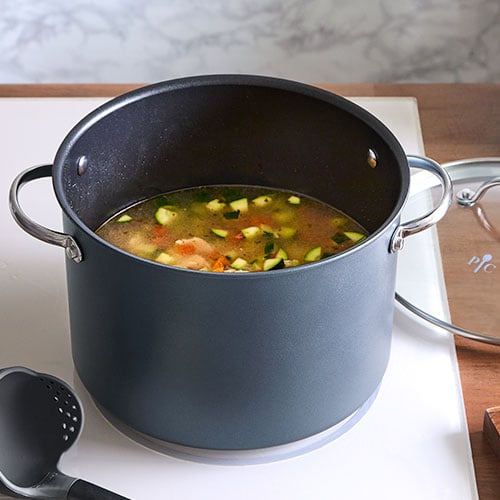
Strong handles make moving the pot safe and easy. Look for pots with sturdy, heat-resistant handles. Tight-fitting lids keep steam inside and help flavors develop. Some lids have vents to control steam release. Choose handles and lids that feel comfortable and work well for your stove type.

Credit: www.amazon.com
Preparing Your Ingredients
Preparing your ingredients is the first step for tasty soups and stocks. Good ingredients bring strong flavors. Careful selection makes cooking easier and results better. Here is how to get started.
Selecting Fresh Vegetables
Choose vegetables that look bright and firm. Avoid soft or wilted leaves and stems. Carrots, onions, celery, and garlic work well for most recipes. Wash vegetables thoroughly to remove dirt. Chop them into even pieces for even cooking.
Choosing Meat And Bones
Pick fresh meat or bones with no bad smell. Chicken bones, beef bones, or pork bones add rich flavor. Use cuts with some fat for more taste. Rinse meat and bones before cooking to clean them. Remove excess fat to keep the broth clear.
Herbs And Spices
Use fresh herbs like parsley, thyme, or bay leaves. Dried herbs also work but use less. Add whole spices such as peppercorns or cloves for depth. Tie herbs and spices in a bundle for easy removal. Adjust the amount to match your taste.
Stockpot Setup Tips
Setting up your stockpot correctly is key for tasty soups and rich stocks. Proper preparation helps flavors blend well. It also prevents common cooking problems.
Follow simple steps to get your stockpot ready. These tips save time and improve your cooking results.
Cleaning Before Use
Clean your stockpot thoroughly before cooking. Use warm water and mild soap. Rinse well to remove any soap residue. Dry it with a clean towel or air dry. This step removes dust and factory oils. It keeps your food fresh and healthy.
Layering Ingredients
Place hard vegetables like carrots and onions first. Add bones or meat on top of the vegetables. Soft herbs and leafy greens go last. Layering helps flavors develop evenly. It prevents burning or sticking at the bottom.
Adding Water Properly
Fill the pot with cold water, covering the ingredients by at least one inch. Avoid overfilling to prevent spills during boiling. Cold water extracts flavors better than hot water. Fill slowly to keep ingredients in place. This method ensures a clear, rich stock.
Cooking Techniques For Soups
Cooking soup in a stockpot is simple but needs the right techniques. Proper methods bring out the best flavors and textures. Understanding how to control heat and timing makes a big difference.
Below are key cooking techniques to help you make tasty soups every time.
Simmering Vs Boiling
Simmering means cooking soup gently just below boiling point. Small bubbles rise slowly to the surface. This method keeps ingredients tender and flavors clear. Boiling is much hotter with fast bubbles. It can break down delicate vegetables and cloud the broth. Use simmering for most soups to keep them smooth and tasty.
Timing And Temperature
Start cooking with high heat to bring the soup to a boil fast. Then lower the heat to simmer. Cook long enough for flavors to mix well. Meat soups may need one to two hours. Vegetable soups usually cook faster, around 20 to 30 minutes. Keep the temperature steady to avoid overcooking or burning.
Stirring And Skimming
Stir soup gently to keep ingredients from sticking. Avoid constant stirring to keep broth clear. Skim off foam or fat from the surface with a spoon or skimmer. This makes the soup look cleaner and taste better. Do skimming in the early cooking stages for best results.
Making Flavorful Stocks
Making a good stock is the start of great soups and sauces. A rich, tasty stock adds depth to any dish. Using a stockpot helps you cook ingredients slowly and evenly. This brings out the best flavors from bones, vegetables, and herbs.
Careful steps in making stock ensure a clear, full-bodied liquid. Focus on simple techniques to get the best taste. Here are some key steps to follow.
Roasting Bones
Roasting bones before simmering gives the stock a deep flavor. Place bones on a baking tray and roast at 400°F (200°C) for 30-40 minutes. This process browns the bones and adds rich color and taste. Use beef, chicken, or fish bones depending on your recipe.
Long Simmering Benefits
Simmering the stock slowly for hours extracts flavors and nutrients. Avoid boiling, which makes the stock cloudy and bitter. A gentle simmer breaks down collagen in bones, creating a silky texture. For chicken stock, simmer 4-6 hours; for beef, 8-12 hours works well.
Straining And Storage
Strain the stock through a fine mesh sieve or cheesecloth. This removes bones, vegetables, and impurities. Let the stock cool before storing. Use airtight containers and refrigerate for up to 4 days. Freeze for longer storage, in portions for easy use later.
Maintaining Your Stockpot
Keeping your stockpot in good shape helps it last longer and cook better. Regular care prevents damage and keeps flavors fresh. Clean pots make soups and stocks taste their best every time.
Cleaning Tips
Wash your stockpot after each use. Use warm water and mild soap. Avoid harsh chemicals or abrasive scrubbers. These can scratch the surface. For stuck-on food, soak the pot for a while. Then scrub gently with a soft sponge.
Avoiding Stains And Odors
Remove stains quickly before they set. Use a paste of baking soda and water. Rub gently to lift marks. To stop odors, fill the pot with water and add lemon slices. Let it sit for a few hours. Rinse well to clear any smells.
Proper Storage
Store your stockpot in a dry place. Keep the lid off or slightly open. This stops moisture build-up inside. Avoid stacking heavy items on top. It can bend or damage the pot. Clean and dry pots stay ready for your next meal.
Common Mistakes To Avoid
Using a stockpot for soups and stocks can be simple and rewarding. Avoiding common mistakes improves taste and texture. These errors can ruin your dish or slow cooking. Here are some key mistakes to watch out for.
Overcrowding The Pot
Too many ingredients in the pot stop even cooking. Crowding lowers the temperature and slows simmering. It also stops flavors from blending well. Leave enough space for liquid to circulate freely.
Using High Heat
High heat makes soup boil fast but damages flavor. It can make broth cloudy and fatty. Use low or medium heat for gentle simmering. This helps extract rich flavors slowly and clearly.
Neglecting Skimming
Skimming removes foam and impurities from the surface. Ignoring this step makes broth cloudy and bitter. Use a spoon to skim foam often during cooking. Clear broth tastes cleaner and looks better.
Credit: www.pamperedchef.com
Frequently Asked Questions
What Size Stockpot Is Best For Making Soups And Stocks?
A 6 to 12-quart stockpot is ideal for soups and stocks. It offers enough space for ingredients and liquid. Choose size based on your batch needs and stove capacity.
How Long Should I Simmer Stocks In A Stockpot?
Simmer stocks for 4 to 6 hours for rich flavor extraction. Avoid boiling to keep the broth clear. Longer simmering enhances taste and nutrient release.
Can I Use A Stockpot For Other Cooking Methods?
Yes, stockpots are versatile for boiling, steaming, and braising. Their large size suits cooking large meals or bulk food preparation. Just adjust cooking times accordingly.
How Do I Clean A Stockpot After Making Stocks?
Clean with warm soapy water and a soft sponge. For stubborn stains, use baking soda paste or vinegar soak. Avoid abrasive tools to maintain the pot’s surface.
Conclusion
Using a stockpot makes cooking soups and stocks simple and effective. It holds heat evenly and cooks ingredients well. You can create rich flavors by simmering ingredients slowly. Cleaning is easy if done right after use. Choose the right size for your needs.
Experiment with different recipes and enjoy warm, homemade meals. A good stockpot is a useful tool in every kitchen. Try it yourself and taste the difference.