
Are you ready to make cooking and baking easier and more fun? Your stand mixer is a powerful tool that can save you time and effort in the kitchen.
But if you’re not sure how to use it properly, you might be missing out on its full potential. In this guide, you’ll discover simple steps and insider tips that will help you master your stand mixer quickly. By the end, you’ll feel confident creating everything from fluffy cakes to perfect doughs with ease.
Keep reading, and unlock the secret to stress-free, delicious cooking!
Choosing The Right Stand Mixer
Choosing the right stand mixer is important for a smooth cooking experience. A good mixer can save time and effort in the kitchen. This section helps you pick the best one for your needs.
Types Of Stand Mixers
There are two main types of stand mixers: tilt-head and bowl-lift. Tilt-head mixers have a head that tilts back for easy access. Bowl-lift mixers raise the bowl up to the beaters. Each type suits different kitchen spaces and tasks.
Key Features To Consider
Look for a mixer with multiple speed settings for better control. A powerful motor handles thick doughs and large batches. Check if the mixer comes with useful attachments like dough hooks or whisks. A sturdy build means longer use and less noise.
Budget And Brand Options
Set a budget before shopping for a mixer. Some brands offer affordable models with good features. Others provide premium mixers with extra attachments and durability. Choose a brand with good customer support and warranty. This ensures help if problems arise.
Credit: dontwastethecrumbs.com
Setting Up Your Mixer
Setting up your stand mixer correctly is the first step to enjoy easy and efficient mixing. It ensures safety and helps your mixer work at its best. Follow simple steps to get your mixer ready for use.
Unboxing And Assembly
Start by carefully opening the box. Remove all parts and check the list in the manual. Make sure nothing is missing or broken. Place the mixer on a clean, flat surface. Attach any parts that came separate, like the head or base. Follow the instructions in the manual for correct assembly.
Attaching Bowls And Accessories
Choose the right bowl for your recipe. Lock it into the mixer base by turning or clicking it in place. Select the correct accessory, such as a dough hook or whisk. Attach it to the mixer head by pushing or twisting until it fits tightly. Check that the accessory is secure before starting.
Safety Tips Before Use
Always check that the mixer is unplugged before attaching parts. Keep hands and utensils away from moving parts. Do not overload the bowl with ingredients. Start mixing at low speed to avoid splashing. Clean the mixer and accessories after every use to keep them safe and working well.
Basic Mixer Functions
Understanding the basic functions of a stand mixer helps you use it safely and effectively. This tool makes baking and cooking easier by mixing ingredients quickly and evenly. Knowing how to adjust speed, use attachments, and clean the mixer will improve your kitchen experience.
Speed Settings Explained
Most stand mixers have multiple speed options. Low speeds are good for stirring and combining ingredients gently. Medium speeds mix batters and doughs evenly. High speeds whip cream or egg whites quickly. Start slow to avoid splashing and increase speed as needed. Changing speeds lets you control the texture of your mixture.
Using Different Attachments
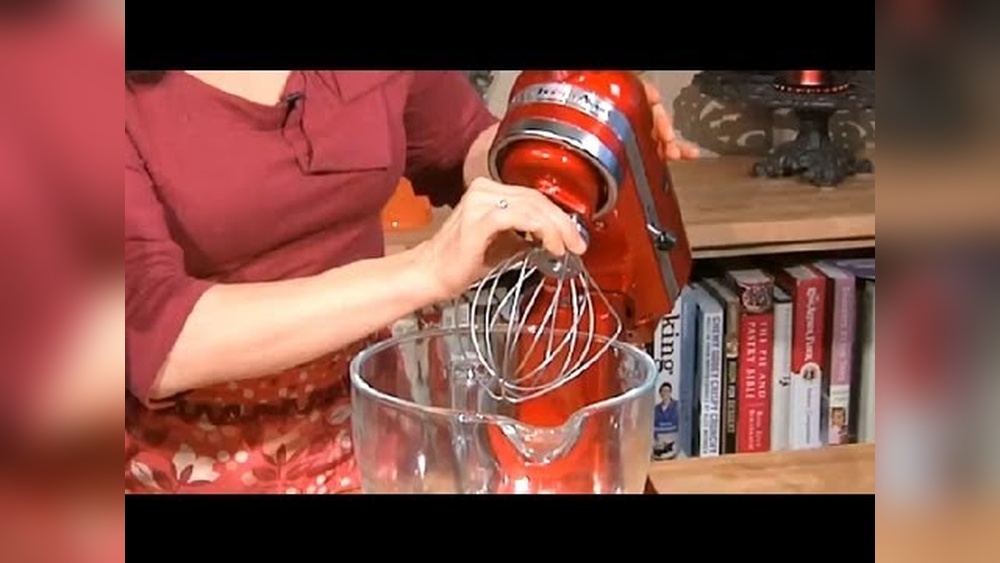
Stand mixers come with several attachments. The flat beater is for mixing batter and dough. The whisk attachment is perfect for whipping cream or eggs. The dough hook helps knead heavy bread dough. Attachments fit easily onto the mixer’s head. Use the right tool for the best results.
Cleaning And Maintenance
Unplug the mixer before cleaning. Remove attachments and wash them in warm, soapy water. Wipe the mixer body with a damp cloth. Avoid using harsh chemicals or submerging the mixer. Clean regularly to keep the mixer working well. Proper care extends the life of your appliance.
Credit: www.asweetpeachef.com
Mixing Techniques For Baking
Using a stand mixer helps achieve perfect texture in baked goods. Different mixing methods create different results. Understanding these techniques improves baking success. Here are key mixing techniques for baking with a stand mixer.
Creaming Butter And Sugar
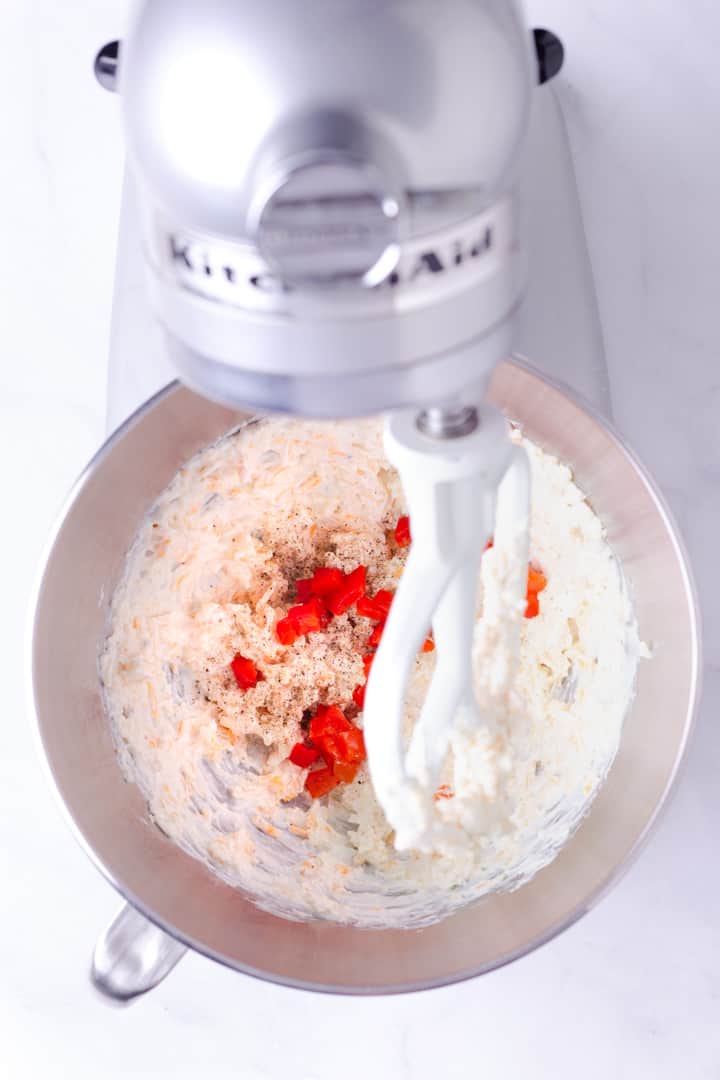
Creaming butter and sugar adds air to the mixture. It makes cakes light and fluffy. Use the paddle attachment for this task. Start with softened butter and room temperature sugar. Mix on medium speed until the mixture looks pale and smooth. This usually takes 2 to 4 minutes. Proper creaming helps the batter rise well in the oven.
Beating Eggs And Batters
Beating eggs or batters blends ingredients and adds air. Use the whisk attachment for the best results. Beat eggs on medium speed until they become light and frothy. For batters, mix ingredients just until combined to avoid overmixing. Overbeating can make baked goods tough. Control the speed and time carefully.
Kneading Dough
Kneading dough develops gluten for chewy bread and rolls. Use the dough hook attachment for kneading. Add ingredients to the bowl, then start on low speed. Let the mixer knead the dough for 5 to 10 minutes. The dough should be smooth and elastic. Proper kneading improves the texture and rise of bread.
Tips For Perfect Mixing
Perfect mixing is key to great baking and cooking results. Using a stand mixer correctly saves time and effort. Follow these tips to get smooth, even mixtures every time.
Avoiding Overmixing
Overmixing can harm your batter or dough texture. Stop mixing as soon as ingredients combine well. Watch for changes in texture or color. Overmixed batter may become tough or dense. Pay attention to recipe instructions for mixing time.
Adjusting Speed For Ingredients
Different ingredients need different speeds. Start slow to combine dry and wet ingredients gently. Increase speed for whipping cream or egg whites. Use medium speed for dough or thick mixtures. Adjust speed gradually to avoid splashes or spills.
Troubleshooting Common Issues
Mixing problems happen sometimes. If the mixer stalls, turn it off and check the bowl size. Scrape the bowl sides with a spatula to mix evenly. If ingredients stick to the paddle, lower the speed. Clean the mixer regularly to keep it working well.
Advanced Uses And Attachments
Stand mixers do much more than mix dough or batter. They come with various attachments that expand their uses. These add-ons help you prepare different foods with ease and precision. Knowing how to use these attachments can save time and effort in the kitchen.
Pasta Making
The pasta roller and cutter attachments shape dough into sheets and noodles. Attach the roller to flatten the dough evenly. Then, switch to the cutter for spaghetti or fettuccine. Fresh pasta tastes better and cooks faster than store-bought. Making pasta at home is simple with these tools.
Grinding And Slicing
Use the grinder attachment to process meats or vegetables. It helps you make fresh ground beef or sausage. The slicer attachment cuts fruits, vegetables, and cheeses thinly and evenly. These attachments save time and offer control over thickness. Perfect slices and grinds improve meal quality.
Whipping And Emulsifying
The whisk attachment whips cream or egg whites to soft or stiff peaks. It works quickly and creates light, airy textures. The emulsifier attachment blends oil and vinegar or other liquids. This helps make smooth dressings and sauces. These tasks become easier and faster with these tools.

Credit: www.youtube.com
Frequently Asked Questions
How Do I Set Up A Stand Mixer For First Use?
To set up your stand mixer, place it on a stable surface. Attach the bowl and desired attachment securely. Plug it in and start at the lowest speed to test. Always read the user manual before first use for safety and proper setup.
What Are The Common Attachments For Stand Mixers?
Common attachments include the flat beater, dough hook, and wire whisk. The flat beater handles batters, the dough hook kneads dough, and the whisk whips cream or egg whites. Each attachment serves a specific mixing purpose to simplify your cooking tasks.
How Do I Clean A Stand Mixer Safely?
Unplug the mixer before cleaning. Remove attachments and wash them with warm, soapy water. Wipe the mixer body with a damp cloth. Avoid immersing the base in water to prevent damage. Regular cleaning keeps your mixer efficient and hygienic.
Can I Use A Stand Mixer For Kneading Dough?
Yes, a stand mixer with a dough hook attachment is perfect for kneading dough. It saves time and effort compared to hand kneading. Use low to medium speed to avoid overheating the motor and ensure the dough is mixed evenly.
Conclusion
Using a stand mixer saves time and effort in the kitchen. It mixes ingredients quickly and evenly every time. You can make dough, batter, and whipped cream with ease. Cleaning is simple, so you spend less time on chores. Try different attachments for more cooking options.
This tool helps you enjoy cooking more. Start with simple recipes to build confidence. Soon, your meals will taste better and your work will be easier. A stand mixer is a helpful kitchen companion for all cooks.