



Roast chicken drippings are liquid gold—packed with rich flavor from roasted meat, herbs, and vegetables. Instead of discarding them, use them to enhance gravies, soups, sauces, and even everyday dishes like rice or roasted veggies for restaurant-quality taste at home.
Key Takeaways
- Save every drop: Collect drippings in a heatproof container during and after roasting to preserve maximum flavor.
- Make instant gravy: Use drippings as the base for rich, homemade gravy in under 10 minutes.
- Boost soups and stews: Add a spoonful to broths or simmering pots for deep, savory depth.
- Flavor grains and starches: Cook rice, quinoa, or mashed potatoes with drippings instead of butter or oil.
- Enhance roasted vegetables: Toss veggies in reserved drippings before roasting for extra crisp and taste.
- Freeze for later: Store drippings in ice cube trays for easy, portioned use in future meals.
- Pair with herbs and acid: Brighten drippings with lemon juice or fresh herbs to balance richness.
Quick Answers to Common Questions
Can I use drippings from a store-bought rotisserie chicken?
Yes! If you roast a store-bought rotisserie chicken in your oven to crisp the skin, collect the drippings just like you would with a homemade roast. The flavor may be slightly different, but it’s still delicious.
Are roast chicken drippings healthy?
They’re high in fat, but also rich in flavor and nutrients. Use them in moderation as a flavor enhancer rather than a primary fat source. The fat is mostly unsaturated, especially if the chicken was pasture-raised.
Can I use drippings if I didn’t add herbs or vegetables?
Absolutely. Even plain roast chicken produces flavorful drippings from the meat and skin. You can always add herbs or aromatics when using them in recipes.
What if my drippings smell or taste off?
Discard them. Drippings should smell savory and rich. If they smell sour, rancid, or unpleasant, they’ve gone bad—even if they’ve been stored properly.
Can I use drippings in vegetarian dishes?
Only if you’re not strictly vegetarian. Drippings contain animal fat and juices, so they’re not suitable for vegans or vegetarians. Consider using mushroom or vegetable drippings as an alternative.
📑 Table of Contents
Why Roast Chicken Drippings Are a Kitchen Treasure
You’ve just pulled a golden, juicy roast chicken from the oven. The aroma fills your kitchen—savory, herby, deeply comforting. As you carve it, you notice a pool of liquid collecting in the roasting pan: golden, fragrant, and shimmering with flavor. That’s your roast chicken drippings—and it’s one of the most underrated ingredients in home cooking.
Most people pour it down the drain. Big mistake. These drippings are a concentrated blend of rendered fat, meat juices, caramelized bits from the skin, and flavors from any herbs, garlic, or vegetables you roasted alongside the bird. Think of it as nature’s own umami bomb. It’s the essence of everything delicious about your roast chicken, captured in liquid form.
Using roast chicken drippings isn’t just about reducing waste—it’s about leveling up your cooking. A spoonful can transform a bland dish into something memorable. Whether you’re making gravy, soups, or even breakfast potatoes, these drippings add a depth of flavor that store-bought broths or oils simply can’t match. And the best part? They’re free. You’ve already made them—you just need to know how to use them.
In this guide, we’ll walk you through everything you need to know about collecting, storing, and creatively using roast chicken drippings. From classic gravy to unexpected uses like flavoring grains or marinades, you’ll never look at that roasting pan the same way again.
How to Collect and Store Roast Chicken Drippings

Visual guide about How to Use Roast Chicken Drippings for Flavorful Meals
Image source: assets.bonappetit.com
Before you can use your drippings, you need to collect them properly. The key is timing and technique. Don’t wait until the chicken is completely cooled—drippings start to solidify as they cool, making them harder to handle.
Collecting Drippings During Roasting
Start by using a roasting pan with a rack. This allows the fat and juices to drip away from the chicken, preventing it from sitting in its own grease. As the chicken roasts, baste it occasionally with the accumulating liquid. This not only keeps the meat moist but also helps develop flavor in the drippings.
About halfway through roasting, tilt the pan slightly and use a baster or heatproof measuring cup to remove some of the liquid. This prevents overflow and gives you an early batch of drippings to use or store. Be careful—the pan and liquid will be very hot.
Collecting After Roasting
Once the chicken is done, remove it from the pan and let it rest on a cutting board. Don’t clean the pan yet! The browned bits (fond) stuck to the bottom are packed with flavor and will dissolve into the drippings when deglazed.
Place the roasting pan on the stovetop over low heat. Add a splash of water, broth, or wine—about ¼ to ½ cup—and use a wooden spoon to scrape up the fond. This process, called deglazing, releases all those caramelized flavors into the liquid. Let it simmer for a minute or two, then strain the mixture through a fine-mesh sieve into a heatproof container.
Straining and Separating
For the cleanest, most versatile drippings, strain out any solids like herbs, garlic skins, or vegetable pieces. You can compost these or save them for stock. Once strained, let the liquid cool slightly. You’ll notice the fat rises to the top—this is your golden treasure.
To separate the fat from the juices, you have two options. You can chill the drippings in the fridge for an hour or two. The fat will solidify on top and can be easily lifted off with a spoon. Or, use a fat separator—a special pitcher designed to pour off the flavorful juices while leaving the fat behind. Both methods work well; choose based on your preference and tools.
Storing for Short-Term Use
If you plan to use the drippings within a few days, store them in an airtight container in the refrigerator. They’ll keep for up to 5 days. Label the container with the date so you don’t forget.
For longer storage, freezing is your best bet. Pour the drippings into ice cube trays—this makes it easy to use small amounts later. Once frozen, transfer the cubes to a freezer bag or container. They’ll last up to 3 months. Thaw in the fridge overnight or pop a cube directly into a hot pan.
Making Rich, Homemade Gravy

Visual guide about How to Use Roast Chicken Drippings for Flavorful Meals
Image source: apeachyplate.com
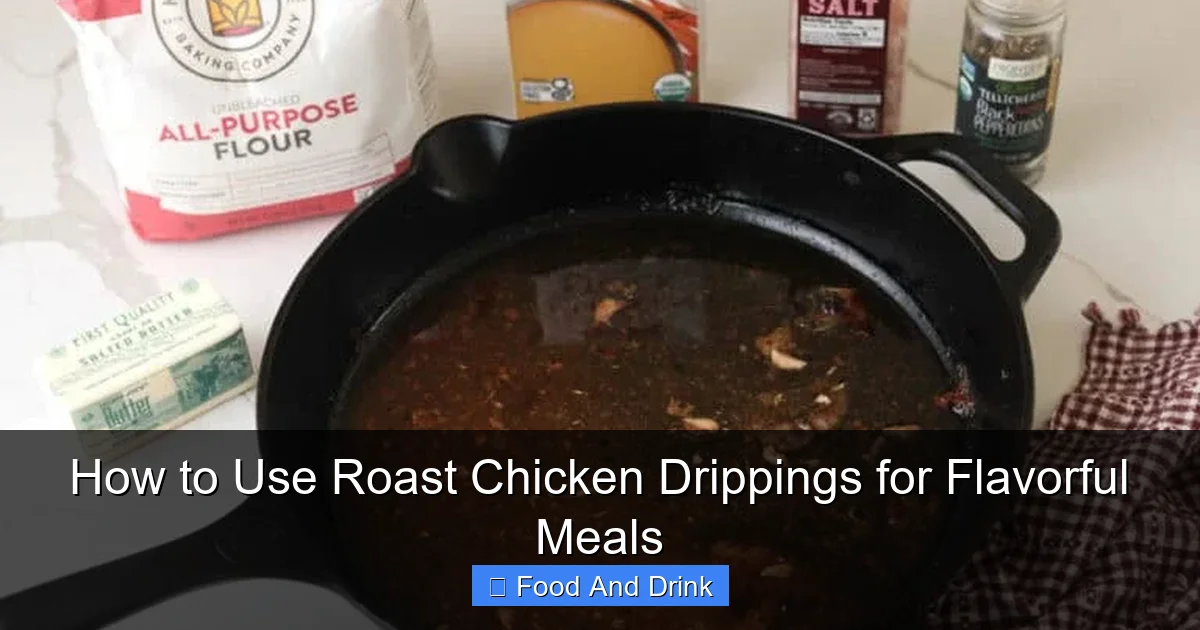
One of the most classic—and satisfying—ways to use roast chicken drippings is to make gravy. Forget the powdered stuff. With drippings, you can whip up a rich, velvety gravy in under 10 minutes that tastes like it came from a fine-dining restaurant.
The Basic Gravy Method
Start by separating the fat from your drippings as described earlier. You’ll need about ¼ cup of fat for a standard batch of gravy. If you don’t have enough, supplement with butter.
In a saucepan over medium heat, melt the fat. Add ¼ cup of all-purpose flour and whisk constantly for 1–2 minutes to make a roux. This cooks out the raw flour taste and thickens the gravy.
Slowly pour in 2 cups of chicken broth, whisking continuously to prevent lumps. Add the flavorful juices from your drippings—this is where the magic happens. Bring the mixture to a gentle simmer and cook for 5–7 minutes, stirring often, until it thickens to your desired consistency.
Flavor Boosters
To elevate your gravy, add a splash of white wine when deglazing the pan. A teaspoon of Dijon mustard or a pinch of fresh thyme can also add complexity. For a richer taste, stir in a tablespoon of heavy cream at the end.
Taste and adjust seasoning with salt and pepper. Remember, drippings are already salty, so go easy on the salt at first.
Serving Suggestions
Serve this gravy hot over mashed potatoes, stuffing, or alongside your carved roast chicken. It also pairs beautifully with roasted root vegetables or Yorkshire pudding. And if you have leftovers? Freeze the gravy in portions—it reheats beautifully.
Enhancing Soups, Stews, and Sauces
Visual guide about How to Use Roast Chicken Drippings for Flavorful Meals
Image source: apeachyplate.com
Roast chicken drippings are a secret weapon for adding depth to soups and stews. Instead of using plain broth or water, swap in a spoonful of drippings to create a richer, more complex flavor base.
Soup Upgrades
Try adding a tablespoon of drippings to a pot of creamy potato soup, lentil soup, or chicken noodle soup. The fat carries flavor beautifully, and the meaty notes enhance the overall taste. For a vegetarian option, use drippings in a mushroom barley soup—just be mindful of dietary preferences.
In tomato-based soups like minestrone or Italian wedding soup, drippings add a savory backbone that balances the acidity of the tomatoes. Stir in a spoonful during the last few minutes of cooking to preserve the fresh flavor.
Stews and Braises
When making beef stew, chicken stew, or pot roast, replace some of the oil or butter with roast chicken drippings. Brown your meat in the drippings first—this builds a flavorful fond that will dissolve into the braising liquid.
For a twist, try using drippings in a chicken and rice casserole or a creamy chicken and wild rice soup. The drippings infuse every grain with rich, roasted flavor.
Pasta Sauces
Don’t limit drippings to soups. They work wonders in pasta sauces too. Add a spoonful to a simple garlic butter sauce for fettuccine, or stir into a creamy Alfredo for a meaty depth. For a lighter option, deglaze a pan used to sauté chicken with drippings and white wine, then toss with pasta and fresh herbs.
Flavoring Grains, Starches, and Vegetables
One of the easiest ways to use roast chicken drippings is to cook your grains and starches in them. This simple swap transforms plain sides into flavorful accompaniments.
Rice and Quinoa
Instead of cooking rice in water, use a 1:1 ratio of drippings and broth. For example, for 1 cup of rice, use ½ cup drippings and ½ cup chicken broth. The result is incredibly fragrant, golden rice with a rich, savory taste. Quinoa benefits just as much—its nutty flavor pairs perfectly with the roasted notes.
Mashed Potatoes
Upgrade your mashed potatoes by replacing some of the butter and milk with roast chicken drippings. Start with 2 tablespoons of drippings per pound of potatoes. The fat adds creaminess and a deep, meaty flavor that makes even simple mashed potatoes feel special.
For a twist, mix in some of the crispy bits from the roasting pan (strained and chopped) for texture and extra crunch.
Roasted Vegetables
Toss vegetables like carrots, Brussels sprouts, potatoes, or cauliflower in a tablespoon of drippings before roasting. The fat helps them crisp up beautifully and infuses them with flavor. Add herbs like rosemary or thyme for a fragrant finish.
You can also use drippings to sauté onions, mushrooms, or garlic as a base for frittatas, omelets, or grain bowls.
Creative and Unexpected Uses
Beyond the classics, roast chicken drippings can be used in surprising ways to elevate everyday meals.
Breakfast Dishes
Cook hash browns or home fries in drippings instead of oil. The result is crispy, golden potatoes with a rich, savory taste. Use the same method for scrambled eggs—just a teaspoon adds incredible depth.
Try making a breakfast hash with diced potatoes, onions, and leftover roast chicken, all sautéed in drippings. Top with a fried egg for a hearty morning meal.
Marinades and Dressings
Whisk drippings into a marinade for chicken, pork, or tofu. The fat helps tenderize the meat and carries flavor deep into each bite. Combine with soy sauce, garlic, and a touch of honey for a simple, effective marinade.
For salad dressings, emulsify drippings with vinegar, Dijon mustard, and a bit of honey. It makes a rich, savory vinaigrette that pairs well with bitter greens like arugula or endive.
Homemade Stock and Broth
Add drippings to your next batch of homemade chicken stock. They boost the flavor significantly, making your stock richer and more complex. Just stir in a few tablespoons during the simmering process.
You can also use drippings to make a quick “pan broth”—simmer with water, herbs, and vegetables for 20 minutes, then strain. It’s perfect for poaching eggs or cooking grains.
Bread and Savory Bakes
Brush drippings onto bread before toasting for a flavorful appetizer. Or mix into biscuit or scone dough for a savory twist. They also work well in stuffing or dressing, adding moisture and depth.
Tips for Maximizing Flavor and Minimizing Waste
To get the most out of your roast chicken drippings, follow these practical tips.
Roast with Flavor in Mind
The better your roast chicken, the better your drippings will be. Use aromatics like onion, garlic, lemon, and fresh herbs in the cavity and under the skin. Add chopped carrots, celery, and potatoes to the pan—they’ll absorb flavor and can be blended into the drippings later.
Don’t Overcrowd the Pan
Give the chicken enough space in the roasting pan. Overcrowding leads to steaming instead of roasting, which reduces browning and flavor development. A well-browned chicken equals better drippings.
Use a Meat Thermometer
Overcooking dries out the chicken and can burn the drippings. Use a meat thermometer to pull the chicken when it reaches 165°F (74°C) in the thickest part. This ensures juicy meat and flavorful juices.
Label and Date Everything
Whether refrigerating or freezing, always label your drippings with the date. This prevents confusion and ensures you use them while still fresh.
Experiment and Taste
Don’t be afraid to experiment. Try different combinations of herbs, acids, and liquids when deglazing. Taste as you go and adjust seasoning. Cooking with drippings is as much about creativity as it is about technique.
Conclusion
Roast chicken drippings are more than just a byproduct of roasting—they’re a versatile, flavor-packed ingredient that can transform your cooking. From rich gravies and soups to savory grains and creative breakfasts, the possibilities are endless.
By collecting, storing, and using drippings wisely, you’re not only reducing waste but also adding depth and richness to your meals. It’s a small change that makes a big difference.
Next time you roast a chicken, don’t pour that golden liquid down the drain. Save it, savor it, and let it elevate your next dish. Your taste buds—and your dinner guests—will thank you.
Frequently Asked Questions
How long do roast chicken drippings last in the fridge?
Roast chicken drippings can be stored in the refrigerator for up to 5 days in an airtight container. Always check for off smells or mold before using.
Can I freeze roast chicken drippings?
Yes, freezing is an excellent way to preserve drippings. Pour them into ice cube trays, freeze, then transfer to a freezer bag. They’ll keep for up to 3 months.
Do I need to skim the fat from drippings before using?
It depends on the recipe. For gravy, you’ll want to separate the fat to make a roux. For soups or grains, you can use the whole drippings—just strain out solids.
Can I use drippings from a roasted turkey?
Absolutely. Turkey drippings are even richer and work the same way. Use them in gravy, soups, or any recipe calling for roast chicken drippings.
What’s the best way to reheat frozen drippings?
Thaw them in the refrigerator overnight, or place a frozen cube directly into a hot pan. Stir gently until melted and warmed through.
Can I use drippings in place of butter or oil?
Yes, in many cases. Drippings can replace butter or oil in sautéing, roasting, or cooking grains. Just be mindful of the salt content and adjust seasoning accordingly.


