
Master your Hamilton Beach slow cooker with simple steps for tender, flavorful meals. From prep to cleanup, this guide ensures delicious results every time.
Key Takeaways
- Read the manual first: Every Hamilton Beach model has unique features—know yours before cooking.
- Use the right ingredients: Choose cuts with fat and connective tissue (like chuck roast) for best slow-cooked results.
- Don’t overfill: Fill the crock ½ to ¾ full to allow proper heat circulation and prevent spills.
- Brown meat first: Searing meat before adding it boosts flavor and texture significantly.
- Use timers wisely: Use the delay start and auto-shift to warm for hands-off, safe cooking.
- Clean promptly: Soak the removable crock after use for easy, stress-free cleanup.
- Experiment with recipes: Try soups, stews, desserts, and even breakfast dishes for variety.
Quick Answers to Common Questions
Can I leave my Hamilton Beach slow cooker on overnight?
Yes, as long as it’s on the low or warm setting and the food is fully cooked. Never leave it unattended on high for more than 6–8 hours.
Why is my food undercooked after the recommended time?
This can happen if the crock is overfilled, the lid is lifted too often, or the model runs cooler. Try cooking an extra 30–60 minutes on low.
Can I cook frozen meat in my slow cooker?
It’s not recommended. Frozen meat takes longer to reach safe temperatures, increasing the risk of bacteria. Thaw meat in the fridge first.
How much liquid do I need for a 6-quart slow cooker?
Generally, 1–2 cups of liquid is enough. The slow cooker traps steam, so you need less than stovetop cooking.
Can I use my slow cooker to bake bread or cakes?
Yes! Some models work well for baking. Use a baking dish inside the crock and follow slow cooker-specific recipes for best results.
📑 Table of Contents
How to Use Hamilton Beach Slow Cooker for Perfect Meals Every Time
If you’ve ever come home to the rich aroma of a simmering stew or a perfectly tender pot roast, you know the magic of a slow cooker. And if you own a Hamilton Beach slow cooker, you’re already halfway to effortless, delicious meals. These appliances are beloved for their reliability, user-friendly design, and ability to turn simple ingredients into restaurant-quality dishes with minimal effort.
But even the best tools need to be used correctly. Whether you’re a slow cooker newbie or just looking to up your game, this guide will walk you through everything you need to know about how to use Hamilton Beach slow cooker models to create perfect meals every single time. From understanding your settings to mastering ingredient prep and cleanup, we’ve got you covered.
Understanding Your Hamilton Beach Slow Cooker

Visual guide about How to Use Hamilton Beach Slow Cooker for Perfect Meals Every Time
Image source: m.media-amazon.com
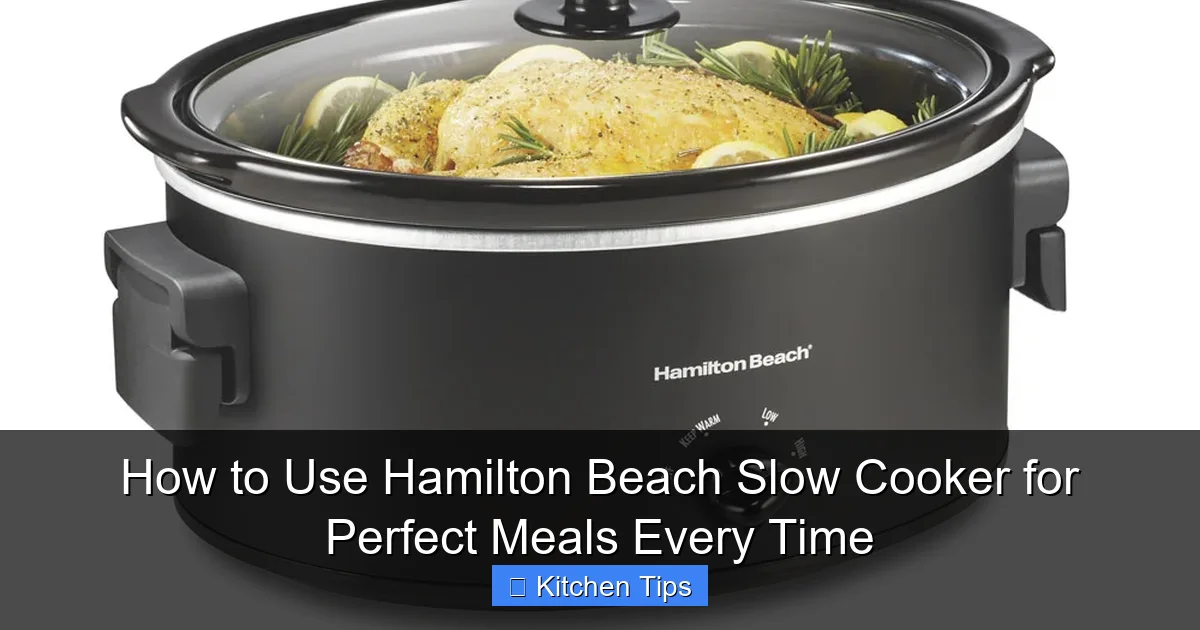
Before you plug in your slow cooker, it’s important to get familiar with its parts and functions. Most Hamilton Beach slow cookers come with a removable ceramic or stoneware crock, a tempered glass lid, and a heating base with digital or manual controls. Depending on your model, you might have features like programmable timers, automatic keep-warm settings, or multiple heat levels.
One of the most common models is the Hamilton Beach Set & Forget Programmable Slow Cooker, which includes a digital display, delay start, and auto-shift to warm. This means you can set it in the morning and come home to a hot, ready-to-eat meal—no reheating needed. Other models may have simple high, low, and warm settings with manual dials.
Always check the user manual that came with your specific model. It will tell you the exact capacity, recommended cooking times, and safety tips. For example, a 6-quart model is ideal for families, while a 3-quart version works well for singles or couples.
Key Features to Know
- High and Low Settings: High cooks food faster (typically 4–6 hours), while low is better for all-day cooking (6–10 hours). Use low for tougher cuts and high for quicker meals.
- Warm Setting: Keeps food at a safe temperature (above 140°F) after cooking. Never leave food on warm for more than 2 hours.
- Programmable Timer: Lets you set cook time and delay start. Great for meal prepping or cooking while you’re at work.
- Removable Crock: Makes serving and cleaning much easier. Most are dishwasher-safe.
- Glass Lid: Lets you check progress without lifting the lid and losing heat.
Preparing Ingredients Like a Pro
Visual guide about How to Use Hamilton Beach Slow Cooker for Perfect Meals Every Time
Image source: hamiltonbeach.com
The secret to great slow-cooked meals starts with smart prep. Unlike pressure cookers or stovetop cooking, slow cookers work best with ingredients that benefit from long, gentle heat. That means choosing the right cuts of meat, prepping vegetables properly, and layering flavors wisely.
Choosing the Right Meat
Tough, inexpensive cuts like beef chuck, pork shoulder, or lamb shanks are perfect for slow cooking. These cuts have lots of connective tissue that breaks down over time, turning into rich, tender gelatin. Avoid lean cuts like sirloin or pork tenderloin—they can dry out.
Always trim excess fat, but leave some for flavor. And yes, you should brown your meat first. Searing in a hot skillet before adding it to the slow cooker creates a flavorful crust and enhances the final taste. It only takes 5–10 minutes and makes a huge difference.
Prepping Vegetables
Cut vegetables into even-sized pieces so they cook uniformly. Dense veggies like potatoes, carrots, and turnips should go in first since they take longer to soften. Softer vegetables like zucchini, bell peppers, or mushrooms should be added in the last 1–2 hours to prevent mushiness.
Avoid overloading with too many vegetables. A good rule of thumb is to use about 2–3 cups of veggies per 4 quarts of liquid or meat. This ensures everything cooks evenly and doesn’t dilute the flavor.
Liquid and Seasoning Tips
Slow cookers retain moisture, so you need less liquid than you think. Generally, 1–2 cups of broth, water, or sauce is enough for most recipes. Too much liquid can make food watery.
Season generously. Because flavors mellow over long cooking times, you’ll need more salt, herbs, and spices than you’d use for stovetop cooking. Add dried herbs at the beginning and fresh herbs in the last 30 minutes for best results.
Step-by-Step Guide to Using Your Slow Cooker
Visual guide about How to Use Hamilton Beach Slow Cooker for Perfect Meals Every Time
Image source: hamiltonbeach.com
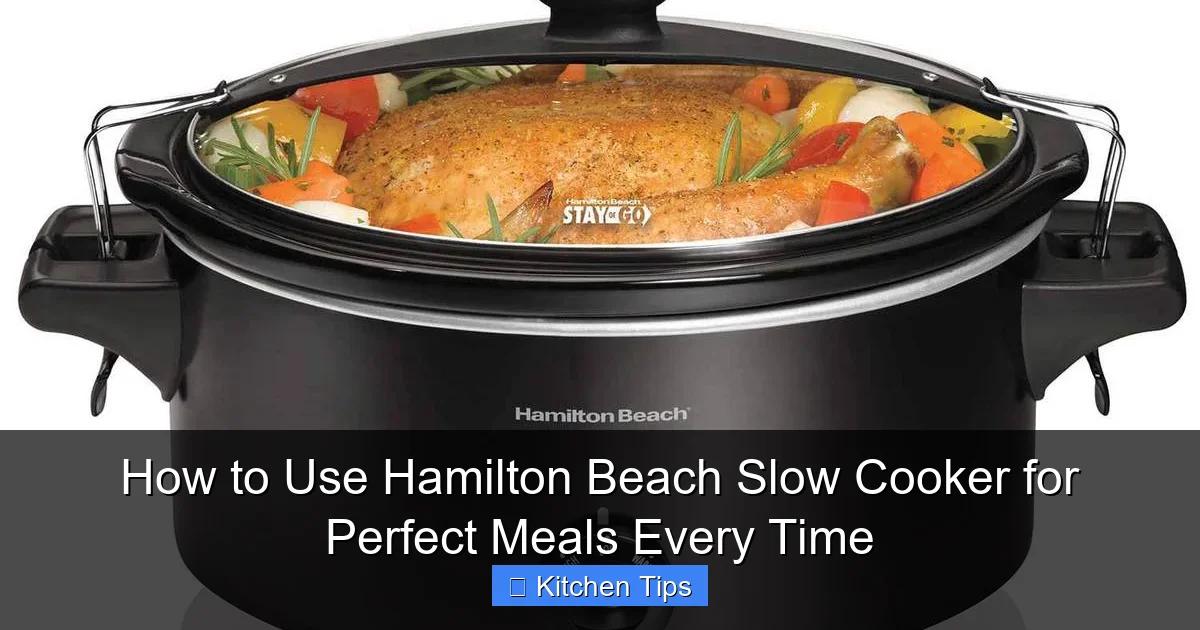
Now that you’re prepped, let’s walk through the actual process of how to use Hamilton Beach slow cooker for a perfect meal.
Step 1: Assemble Ingredients
Place the removable crock on your counter. Start by adding your aromatics—onions, garlic, celery—followed by meat and hard vegetables. Pour in your liquid and seasonings. Stir gently to combine.
Step 2: Choose the Right Setting
If you’re using a programmable model, set your desired cook time. For example:
– 4–6 hours on high
– 6–8 hours on low
Use the delay start if you want it to begin cooking later. For instance, set it to start at 10 a.m. so it’s ready by 6 p.m.
Step 3: Cover and Cook
Place the glass lid securely on top. Avoid lifting the lid during cooking—each time you do, you lose heat and add 15–20 minutes to the cook time.
Let it cook undisturbed. The slow cooker is designed to work while you’re away, so trust the process.
Step 4: Check for Doneness
When the timer goes off, check your food. Meat should be fork-tender, and vegetables should be soft but not mushy. If it’s not done, cook on low for another 30–60 minutes.
Use a food thermometer if needed. Poultry should reach 165°F, pork 145°F, and beef 145°F (with a 3-minute rest).
Step 5: Switch to Warm (Optional)
If you’re not ready to eat, switch to the warm setting. This keeps food safe and ready to serve. Just don’t leave it on warm for more than 2 hours.
Top Tips for Perfect Results
Even with the best prep, small mistakes can affect your meal. Here are some pro tips to ensure success every time.
Don’t Overfill the Crock
Fill the crock no more than ¾ full. Overfilling can cause spills, uneven cooking, and even damage the heating element. If you’re making a large batch, use a bigger slow cooker or cook in two rounds.
Layer Ingredients Correctly
Place dense, slow-cooking items (like potatoes and carrots) at the bottom, closest to the heat source. Add meat on top, then liquids and seasonings. This ensures even cooking.
Use the Right Amount of Liquid
As mentioned, slow cookers trap steam, so you need less liquid. A good rule: if a recipe calls for 4 cups of broth for stovetop cooking, use 2–2.5 cups in the slow cooker.
Avoid Dairy Early On
Milk, cream, and cheese can curdle if added too early. Stir them in during the last 30 minutes of cooking.
Thicken Sauces at the End
If your stew or sauce is too thin, mix 1–2 tablespoons of cornstarch with cold water and stir it in during the last 30 minutes. Let it simmer to thicken.
Easy and Delicious Recipe Ideas
Ready to put your slow cooker to work? Here are a few foolproof recipes to get you started.
Classic Beef Stew
- 2 lbs beef chuck, cubed and browned
- 4 cups beef broth
- 3 carrots, chopped
- 3 potatoes, diced
- 1 onion, sliced
- 2 cloves garlic, minced
- 1 tsp thyme, 1 tsp rosemary, salt, and pepper
Add all ingredients to the crock. Cook on low for 8 hours or high for 5 hours. Stir in 1 tbsp cornstarch slurry in the last 30 minutes if needed.
Pulled Pork Sandwiches
- 3–4 lbs pork shoulder
- 1 cup BBQ sauce
- ½ cup apple cider vinegar
- 1 onion, sliced
- 1 tbsp brown sugar
- 1 tsp smoked paprika
Place pork in crock, top with onions and sauce. Cook on low for 8–10 hours. Shred with forks and serve on buns.
Vegetarian Lentil Curry
- 1 cup red lentils
- 1 can coconut milk
- 1 can diced tomatoes
- 1 onion, chopped
- 2 cloves garlic, minced
- 1 tbsp curry powder
- 1 tsp turmeric
- 2 cups vegetable broth
Cook on low for 6–7 hours. Stir in fresh cilantro before serving.
Cleaning and Maintenance
One of the best things about Hamilton Beach slow cookers is how easy they are to clean—if you do it right.
After Cooking
Let the crock cool slightly, then remove it from the base. Soak it in warm, soapy water for 15–30 minutes to loosen stuck-on food.
Hand Wash or Dishwasher?
Most removable crocks are dishwasher-safe, but hand washing is gentler and helps prevent cracking over time. Use a soft sponge and avoid abrasive cleaners.
Clean the Base
Wipe the heating base with a damp cloth. Never submerge it in water. Remove any food spills promptly to prevent buildup.
Store Properly
Store the crock and lid separately to prevent moisture buildup. Keep in a dry, cool place.
Conclusion
Learning how to use Hamilton Beach slow cooker doesn’t have to be complicated. With a little know-how, you can turn everyday ingredients into mouthwatering meals with minimal effort. From choosing the right cuts of meat to mastering timing and cleanup, these tips will help you get consistent, delicious results every time.
Whether you’re making a hearty stew for a cold night, a hands-off pulled pork for a party, or a healthy vegetarian curry, your slow cooker is a kitchen workhorse you can rely on. So plug it in, fill it up, and let the slow magic happen.
Frequently Asked Questions
What size Hamilton Beach slow cooker should I buy?
Choose based on your household size. A 3-quart model suits 1–2 people, while a 6-quart is ideal for families of 4–6. Larger models are great for entertaining.
Can I use my slow cooker for canning?
No. Slow cookers do not reach the high, consistent temperatures required for safe water-bath or pressure canning. Use a dedicated canner instead.
Why does my slow cooker smell burnt?
This usually happens if food sticks to the bottom or the crock is cracked. Clean thoroughly and avoid cooking on high with very little liquid.
Is it safe to use a slow cooker on a wooden table?
Yes, but place it on a heat-resistant mat or trivet. The base gets warm, and prolonged heat can damage wood finishes.
Can I reheat food in my slow cooker?
Yes, use the warm setting to reheat leftovers. Add a splash of liquid to prevent drying, and stir occasionally for even heating.
How long do Hamilton Beach slow cookers last?
With proper care, most models last 5–10 years. Replace if the crock cracks, the heating element fails, or the controls become unreliable.