Are you tired of spending too much time chopping, slicing, and mixing in the kitchen? Your food processor can be the game-changer you need.
It’s a powerful tool that can make meal prep faster, easier, and even more fun. But if you’re unsure how to use it or worried about making mistakes, this guide is for you. By the end of this article, you’ll know exactly how to get the most out of your food processor, saving you time and effort every time you cook.
Ready to unlock the full potential of your kitchen helper? Let’s dive in!
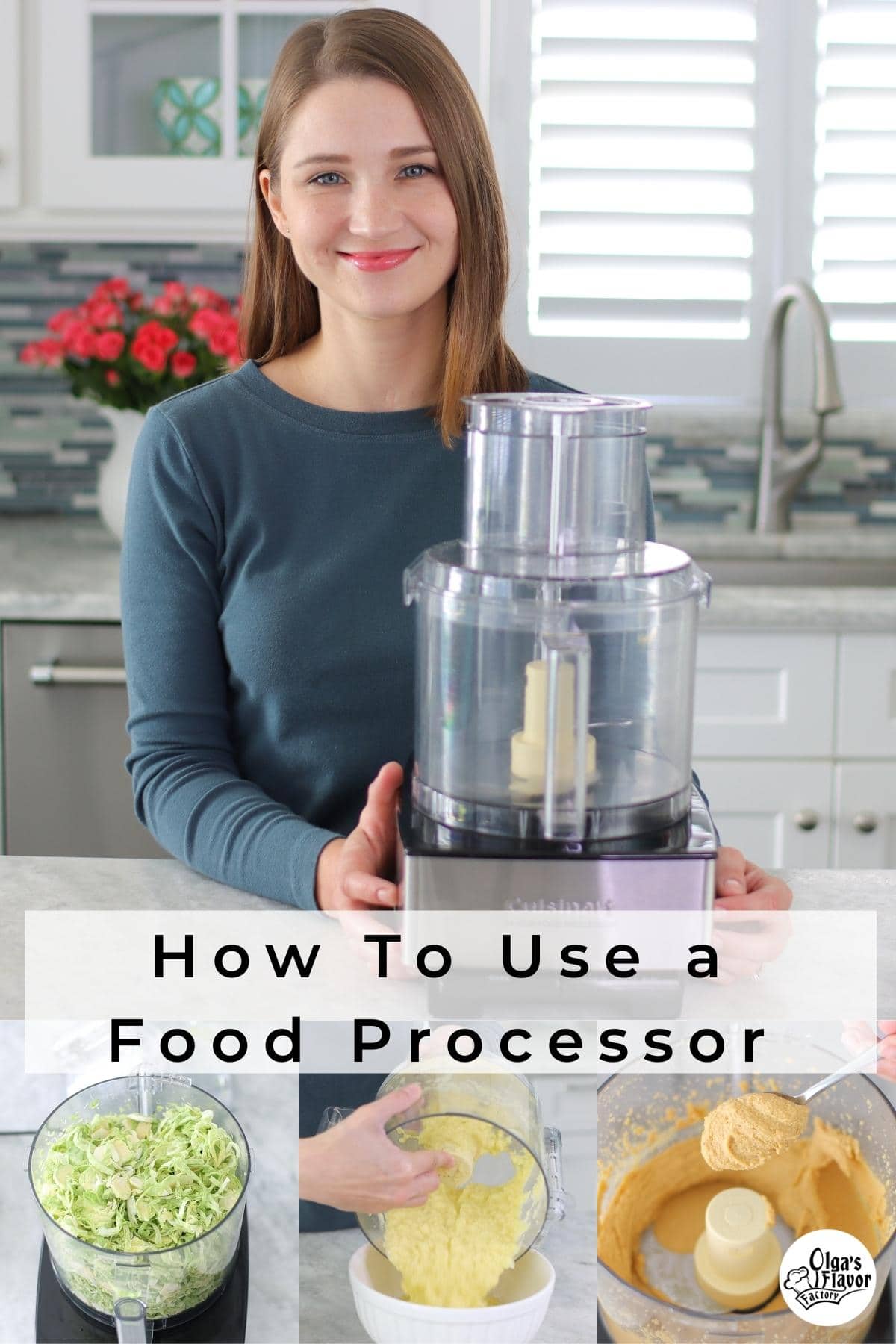
Credit: www.olgasflavorfactory.com
Choosing The Right Food Processor
Choosing the right food processor can make cooking easier and faster. A good food processor saves time and effort in the kitchen. It helps prepare ingredients quickly for many recipes. Picking the best one depends on your cooking needs and kitchen space.
Types And Sizes
Food processors come in various types and sizes. Mini models are perfect for small tasks like chopping nuts or garlic. Medium sizes suit daily cooking for small families. Large models handle big batches and heavy-duty work. Choose a size that fits your usual cooking volume and storage space.
Essential Features To Consider
Look for easy-to-use controls and multiple speed options. A strong motor ensures the processor can handle tough ingredients. Check for dishwasher-safe parts to save cleaning time. A wide feed chute reduces the need for pre-cutting. Safety locks and non-slip bases add stability and protection.
Budget-friendly Options
Good food processors don’t have to be expensive. Basic models offer essential functions at low prices. Focus on models with solid reviews and good warranties. Avoid extra features that you may not use. Simple, reliable food processors often provide the best value.

Credit: www.youtube.com
Setting Up Your Food Processor
Setting up your food processor correctly is important for safe and effective use. This process ensures the appliance works well and lasts longer. Follow the steps below to prepare your food processor before making any recipes.
Assembling The Parts
First, place the base of the food processor on a flat surface. Attach the bowl securely to the base. Insert the desired blade or attachment into the center of the bowl. Ensure it locks into place. Finally, fix the lid on top until it clicks. Your food processor is now ready for use.
Safety Precautions
Always check that the food processor is unplugged before assembly. Do not touch the blades with bare hands; they are very sharp. Make sure the lid is firmly locked before turning on the machine. Keep fingers and utensils away from the feed tube while operating. Follow these steps to avoid accidents.
Cleaning Before Use
Wash all removable parts with warm, soapy water before first use. Rinse well and dry completely with a clean towel. Wipe the base with a damp cloth, avoiding water inside the motor. Cleaning removes dust and ensures food safety. Ready parts make your cooking easier and cleaner.
Basic Techniques For Quick Prep
Learning basic techniques for quick prep saves time and effort in the kitchen. A food processor makes chopping, slicing, and mixing much faster. Understanding how to use it properly helps create meals with less hassle. Focus on simple methods to get the best results every time.
Chopping Vegetables Efficiently
Cut vegetables into pieces that fit the food processor bowl. Use the chopping blade for even cuts. Pulse the machine in short bursts to avoid over-processing. Check the size often and stop when pieces look right. This method keeps vegetables fresh and ready for cooking or salads.
Slicing And Shredding Tips
Select the right blade for slicing or shredding. Firm vegetables like carrots and cucumbers work best. Feed the food through the chute slowly for clean slices. Use the shredding blade for cheese or cabbage to get fine, even shreds. Always keep fingers clear of the blade for safety.
Mixing And Pureeing
Add ingredients to the bowl and secure the lid tightly. Start the processor at low speed for gentle mixing. Increase speed to puree soups or sauces smoothly. Scrape down the sides if needed to blend all ingredients well. Stop as soon as you reach the desired texture to avoid overprocessing.
Time-saving Meal Prep Ideas
Saving time in the kitchen helps you eat better and stress less. A food processor speeds up many cooking tasks. It cuts, chops, and mixes fast. Using it smartly can make meal prep quick and easy.
Batch Cooking With A Food Processor
Prepare large amounts of ingredients at once. Chop vegetables, nuts, or herbs quickly. Store them in containers for later use. This saves time on busy days. You can also make big batches of rice or grain mixtures. Freeze portions for meals all week long.
Preparing Sauces And Dressings
Mix sauces and dressings in seconds. A food processor blends ingredients smoothly. Make salad dressings, pesto, or marinades easily. Fresh flavors without the fuss. Store in jars for quick access. Perfect for adding taste to any dish.
Making Dough And Batters
A food processor kneads dough fast and evenly. Prepare bread, pizza, or pastry dough with less effort. Mix pancake or cake batters without lumps. This tool saves time and reduces mess. Ready dough and batter speed up cooking and baking.
Maintenance And Troubleshooting
Keeping your food processor clean and well-maintained ensures it works efficiently. Proper care extends its life and prevents problems. Understanding common issues helps fix small problems early. This section covers essential maintenance and troubleshooting tips.
Cleaning After Use
Unplug the food processor before cleaning. Remove all detachable parts carefully. Wash the bowl, lid, and blades with warm soapy water. Use a soft brush to clean hard-to-reach areas. Dry all parts completely before reassembling. Wipe the motor base with a damp cloth only. Avoid submerging the motor base in water.
Blade Care And Replacement
Blades stay sharp longer with regular cleaning and drying. Avoid cutting hard items that can damage the blades. Check blades for dullness or cracks often. Replace blades if they become dull or bent. Use only manufacturer-approved replacements for safety. Proper blade care keeps your food processor effective and safe.
Common Issues And Fixes
The food processor may fail to start if not assembled correctly. Ensure all parts lock securely before turning it on. If the motor overheats, let it cool before restarting. Loud noises may mean a blade is loose or damaged. Check the blade and tighten or replace it. If the processor does not chop evenly, avoid overloading the bowl. Cut ingredients into smaller pieces for better results.
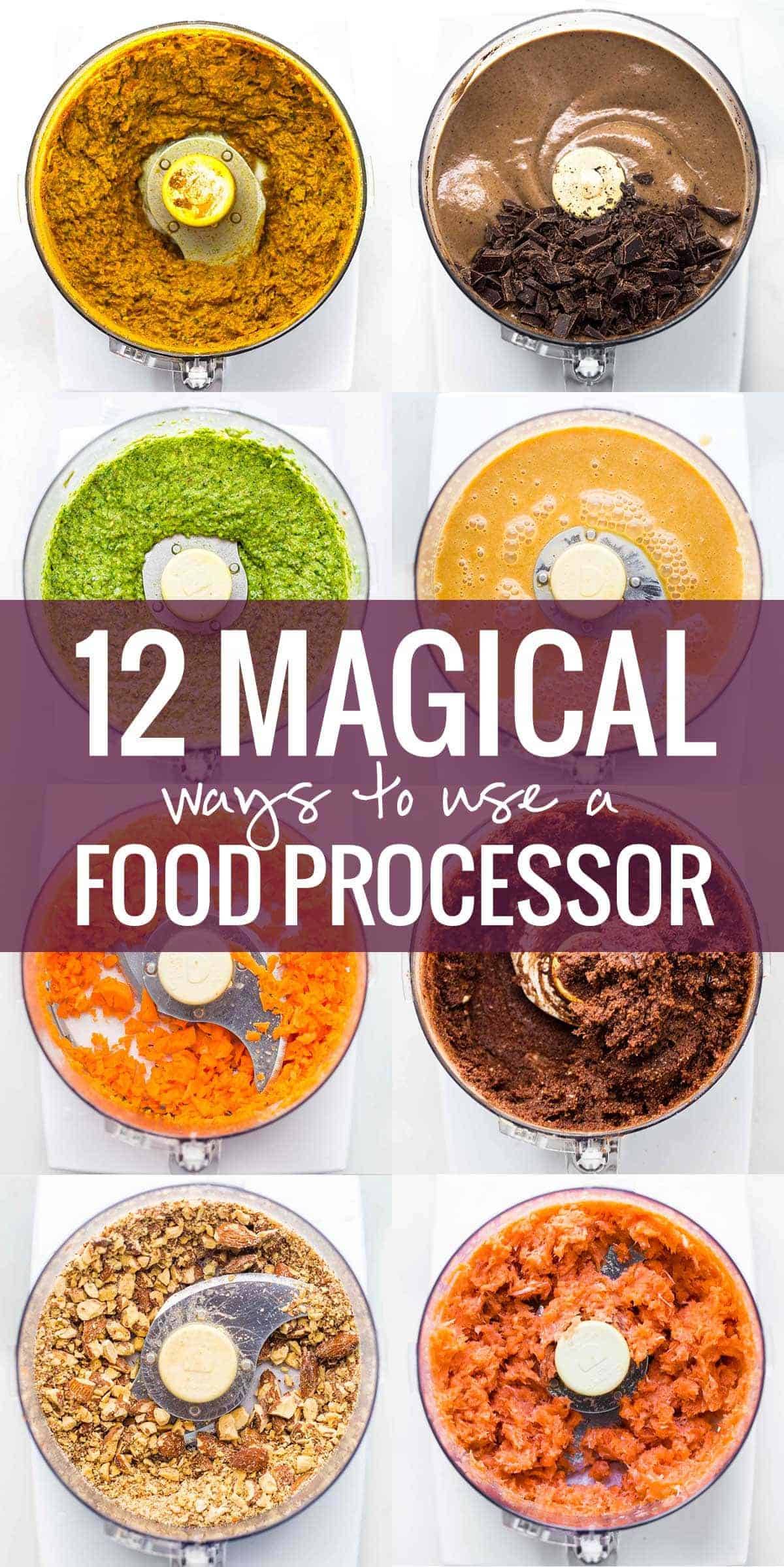
Credit: pinchofyum.com
Frequently Asked Questions
How Do I Safely Operate A Food Processor?
Always read the manual before use. Ensure the lid locks securely. Keep hands away from blades during operation. Use the pulse function for control. Unplug before cleaning or changing attachments to avoid accidents.
What Are The Best Foods To Process?
Food processors excel with vegetables, nuts, herbs, and dough. They chop, slice, shred, and knead efficiently. Avoid processing very hard or sticky foods unless specified by the manufacturer.
How Do I Clean My Food Processor Effectively?
Disassemble all removable parts carefully. Wash blades and bowls with warm, soapy water. Use a brush for hard-to-reach areas. Dry thoroughly before reassembling. Never immerse the motor base in water.
Can A Food Processor Replace A Blender?
No, food processors handle solid foods better. Blenders are ideal for liquids and smoothies. Choose based on your cooking needs for best results.
Conclusion
A food processor saves time and effort in the kitchen. It chops, slices, and mixes quickly and easily. You can prepare meals faster and with less mess. Using it often will help you cook better dishes. Keep your food processor clean for best results.
Experiment with different recipes to enjoy its benefits. Start simple, then try new techniques as you learn. Cooking becomes more fun and less stressful this way. Give your food processor a try today.