
Learn how to use your coffee maker Hamilton Beach like a pro with this detailed guide. From setup to maintenance, we cover everything you need for rich, flavorful coffee every morning—no barista skills required.
Key Takeaways
- Proper setup ensures optimal performance: Always rinse the carafe and filter basket before first use to remove manufacturing residues.
- Use the right coffee-to-water ratio: One tablespoon of ground coffee per 6 ounces of water delivers a balanced brew.
- Choose the correct grind size: Medium grind works best for drip coffee makers like Hamilton Beach to prevent over- or under-extraction.
- Clean your machine regularly: Run a vinegar solution monthly to descale and maintain flavor quality.
- Use fresh, cold water: Avoid tap water with strong odors; filtered water enhances taste and protects internal components.
- Pre-wet the filter: Rinsing the paper filter with hot water removes paper taste and preheats the brew basket.
- Experiment with brew strength: Many Hamilton Beach models offer a “Bold” setting for a stronger cup without extra coffee.
Quick Answers to Common Questions
How much coffee should I use in my Hamilton Beach coffee maker?
Use one tablespoon of ground coffee per 6 ounces of water. For a 12-cup pot, that’s about 12 tablespoons. Adjust to taste, but avoid exceeding 1.5 tablespoons per 6 ounces to prevent bitterness.
Can I use a reusable filter in my Hamilton Beach coffee maker?
Yes, many Hamilton Beach models are compatible with reusable mesh filters. Just make sure it fits your filter basket and clean it thoroughly after each use to avoid old coffee buildup.
Why does my coffee taste like plastic?
This is common with new machines. Rinse all parts with warm, soapy water and run a full cycle with just water before your first brew. This removes manufacturing residues.
How often should I clean my Hamilton Beach coffee maker?
Clean the carafe and filter basket after each use. Deep clean weekly and descale monthly (or more often if you have hard water).
Can I leave coffee in the carafe overnight?
It’s not recommended. Coffee left in a glass carafe can become bitter and stale. If your model has a thermal carafe, it will stay hot longer, but best to brew fresh when possible.
📑 Table of Contents
- Introduction: Why Your Hamilton Beach Coffee Maker Deserves the Pro Treatment
- Getting Started: Setting Up Your Hamilton Beach Coffee Maker
- Step-by-Step Brewing: How to Use Coffee Maker Hamilton Beach Perfectly
- Pro Tips for Better Coffee
- Cleaning and Maintenance: Keep Your Machine in Top Shape
- Troubleshooting Common Issues
- Conclusion: Brew Like a Pro Every Day
Introduction: Why Your Hamilton Beach Coffee Maker Deserves the Pro Treatment
There’s something magical about that first sip of coffee in the morning—warm, rich, and exactly how you like it. If you own a Hamilton Beach coffee maker, you’re already halfway to coffee bliss. But are you getting the most out of it? Many people treat their coffee maker like a simple appliance: add water, add coffee, press brew. While that works, it’s like driving a sports car in first gear. With a few smart techniques, you can turn your daily routine into a café-quality experience.
Hamilton Beach has been a trusted name in kitchen appliances for decades, known for reliable, user-friendly coffee makers that deliver consistent results. Whether you have a basic 12-cup drip model or a programmable machine with a thermal carafe, the principles of great brewing remain the same. The secret isn’t in the machine—it’s in how you use it. From measuring your grounds correctly to cleaning the machine regularly, small changes make a big difference in flavor, aroma, and longevity of your coffee maker.
In this guide, we’ll walk you through everything you need to know about how to use your coffee maker Hamilton Beach like a pro. You’ll learn the best practices for setup, brewing, maintenance, and troubleshooting. By the end, you’ll not only brew better coffee—you’ll also extend the life of your machine and save money by avoiding common mistakes. So grab your favorite mug, and let’s get brewing.
Getting Started: Setting Up Your Hamilton Beach Coffee Maker
Visual guide about How to Use Coffee Maker Hamilton Beach Like a Pro
Image source: hamiltonbeach.com
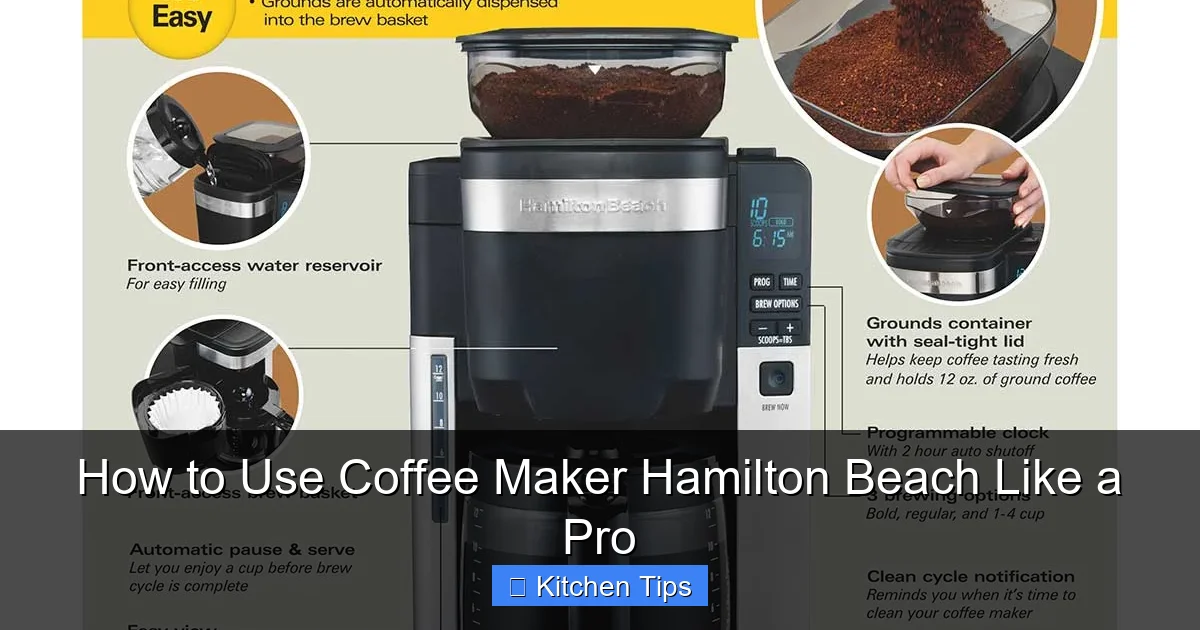
Before you brew your first cup, it’s important to set up your coffee maker correctly. This ensures clean, great-tasting coffee and prevents any off-flavors from new machine residues.
Unboxing and Initial Cleaning
When you first unbox your Hamilton Beach coffee maker, don’t rush to brew. Start by washing the carafe, filter basket, and any removable parts with warm, soapy water. Rinse thoroughly. Even though these parts are new, they may have dust or residues from manufacturing or packaging. Skipping this step can lead to a plasticky or bitter taste in your first few brews.
Next, run a full cycle with just water—no coffee. Fill the water reservoir to the desired level, place a filter in the basket (even though there’s no coffee), and start the brew cycle. This helps flush out any lingering particles and primes the machine for use. Discard the water afterward. This simple step is often overlooked but makes a noticeable difference in taste.
Understanding Your Model’s Features
Hamilton Beach offers a range of coffee makers, from basic drip models to programmable machines with features like auto-brew, strength control, and thermal carafes. Take a moment to read your user manual and identify key features:
– Programmable Timer: Set it the night before so your coffee is ready when you wake up.
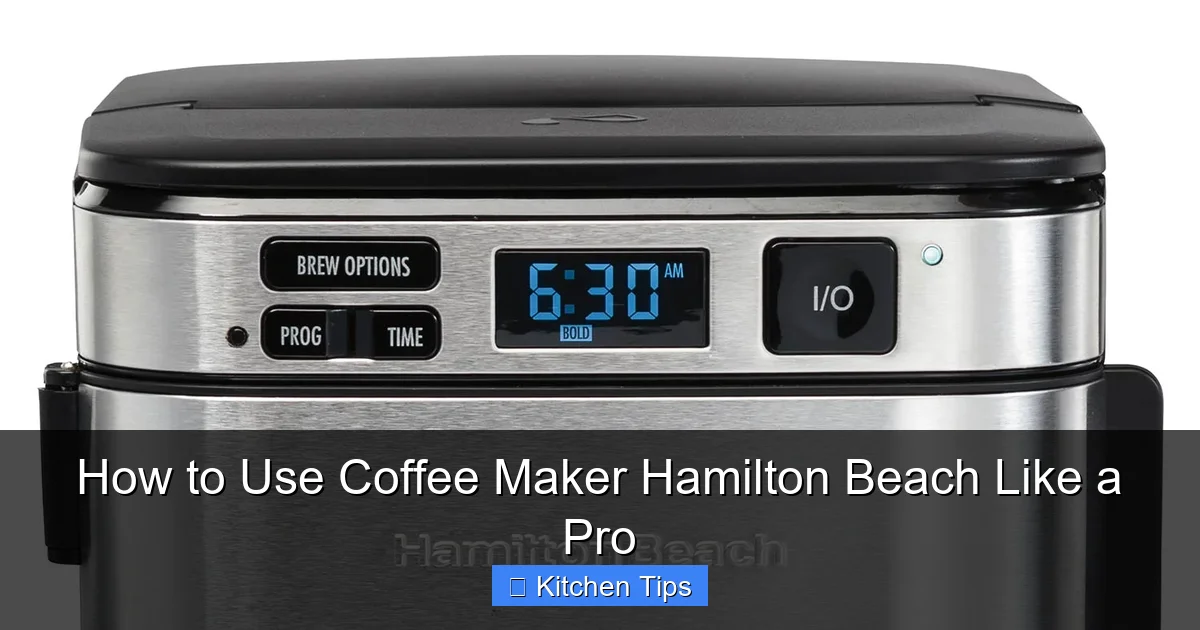
– Bold Brew Setting: Increases brew time for a stronger, richer flavor.
– Pause & Serve: Lets you pour a cup mid-brew without making a mess.
– Water Filtration: Some models include a built-in water filter to improve taste.
Knowing these features helps you customize your brewing experience. For example, if you prefer a stronger cup, use the “Bold” setting instead of doubling the coffee—this avoids over-extraction and bitterness.
Step-by-Step Brewing: How to Use Coffee Maker Hamilton Beach Perfectly
Visual guide about How to Use Coffee Maker Hamilton Beach Like a Pro
Image source: hamiltonbeach.com
Now that your machine is set up, let’s dive into the brewing process. Follow these steps for a consistently great cup.
Step 1: Measure Your Water Accurately
Use the markings on the carafe or reservoir to measure water. Hamilton Beach carafes typically have clear indicators for 4, 8, and 12 cups. Remember: one “cup” in coffee maker terms is 5–6 ounces, not a standard 8-ounce mug. For a 12-cup machine, that’s about 60–72 ounces of water.
Tip: Use cold, filtered water. Tap water with chlorine or strong minerals can affect taste and build up inside the machine over time. If you’re using a thermal carafe model, pre-warm it by rinsing with hot water to keep coffee hot longer.
Step 2: Choose the Right Coffee and Grind
Freshly ground coffee makes a world of difference. If possible, grind your beans just before brewing. For drip coffee makers like Hamilton Beach, a medium grind is ideal—similar to table salt. Too fine, and you risk over-extraction and bitterness; too coarse, and the coffee will be weak.
Use about one tablespoon of ground coffee per 6 ounces of water. This is the standard ratio, but feel free to adjust to taste. If you like it stronger, try 1.5 tablespoons per 6 ounces. Keep a small notebook to track your preferences—this helps you replicate your favorite brew.
Step 3: Prepare the Filter and Add Coffee
Use a standard #2 or #4 paper filter, depending on your model. Before adding coffee, rinse the filter with hot water. This removes any paper taste and preheats the brew basket, which helps maintain brewing temperature.
Add your measured coffee grounds to the filter. Level them gently—don’t pack them down. Coffee should sit loosely in the filter for even extraction.
Step 4: Start the Brew Cycle
Close the lid, make sure the carafe is in place, and press the brew button. If your model is programmable, set the timer the night before. Many Hamilton Beach models have a “Brew Pause” feature—use it to sneak a quick cup mid-brew, but don’t leave the carafe out too long, or the coffee will cool quickly.
Brewing typically takes 5–10 minutes, depending on the amount. Once done, stir the coffee gently before pouring to ensure even strength throughout.
Pro Tips for Better Coffee
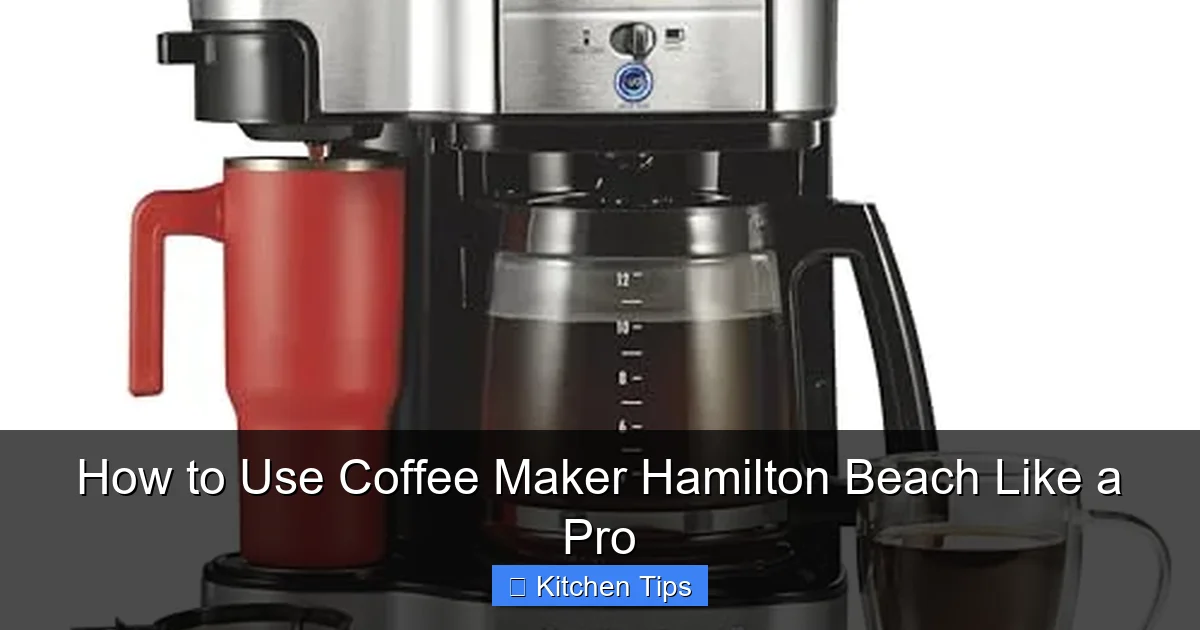
Visual guide about How to Use Coffee Maker Hamilton Beach Like a Pro
Image source: m.media-amazon.com
Even small tweaks can elevate your coffee from good to great. Here are some expert tips to get the most out of your Hamilton Beach coffee maker.
Use the “Bold” Setting Wisely
If your model has a “Bold” or “Strong” brew option, use it instead of adding extra coffee. This setting slows down the water flow, allowing more time for extraction. The result? A richer, fuller-bodied cup without the risk of bitterness from over-measuring.
Try it with dark roasts or espresso-style blends for an extra punch. Just remember: the “Bold” setting uses the same amount of coffee—just extracts more flavor.
Pre-Heat Your Mug
Cold mugs steal heat from your coffee. Before brewing, rinse your mug with hot water or place it on a mug warmer. This keeps your coffee hot longer and enhances the drinking experience.
Brew in Smaller Batches
Coffee tastes best when consumed within 20–30 minutes of brewing. If you’re making a full 12-cup pot but only drinking two cups, consider brewing smaller amounts more frequently. This ensures freshness and prevents stale, reheated coffee.
Store Coffee Properly
Keep your coffee beans or grounds in an airtight container away from light, heat, and moisture. Avoid storing them in the fridge or freezer—condensation can ruin the flavor. Buy smaller amounts more often to maintain freshness.
Cleaning and Maintenance: Keep Your Machine in Top Shape
A clean coffee maker brews better coffee and lasts longer. Regular maintenance prevents mineral buildup, mold, and off-flavors.
Daily Cleaning Routine
After each use:
– Discard the used filter and grounds.
– Rinse the carafe and filter basket with warm water.
– Wipe the exterior with a damp cloth.
– Leave the carafe and basket open to air dry.
This prevents coffee oils from building up, which can turn rancid and affect taste.
Weekly Deep Clean
Once a week, wash the carafe, filter basket, and any removable parts in warm, soapy water. Use a soft brush to scrub hard-to-reach areas. For stubborn stains, make a paste of baking soda and water.
Monthly Descaling
Mineral deposits from hard water can clog your machine and affect performance. To descale:
1. Fill the reservoir with equal parts white vinegar and water.
2. Run a full brew cycle.
3. Discard the vinegar solution.
4. Run 2–3 cycles with fresh water to rinse out any vinegar taste.
This process removes scale buildup and keeps your machine running smoothly. If you live in a hard water area, consider descaling every 3–4 weeks.
Check the Water Reservoir
Over time, mold or mildew can grow in the water reservoir, especially if it’s not dried properly. Once a month, inspect the reservoir and clean it with a mixture of water and vinegar. Use a bottle brush to reach corners.
Troubleshooting Common Issues
Even the best machines can have hiccups. Here’s how to solve common problems with your Hamilton Beach coffee maker.
Coffee Tastes Weak or Watery
– Check your coffee-to-water ratio. You may need more grounds.
– Ensure you’re using a medium grind—too coarse leads to under-extraction.
– Make sure the water isn’t too hot or too cold. Ideal brewing temperature is 195–205°F.
Coffee Tastes Bitter
– You may be using too much coffee or a grind that’s too fine.
– The water might be too hot. Let it cool slightly if using freshly boiled water.
– Clean your machine—old coffee oils can cause bitterness.
Machine Won’t Turn On
– Check the power cord and outlet.
– Ensure the carafe is properly seated—some models have a safety switch.
– Reset the machine by unplugging it for 30 seconds.
Brewing Is Slow or Stops Mid-Cycle
– This is often due to mineral buildup. Run a descaling cycle.
– Check for clogs in the water line or filter basket.
Conclusion: Brew Like a Pro Every Day
Using your coffee maker Hamilton Beach like a pro isn’t about fancy gadgets or expensive beans—it’s about attention to detail. From proper setup and accurate measurements to regular cleaning and smart brewing techniques, small habits lead to big improvements in flavor and consistency.
By following this guide, you’ll not only enjoy better coffee but also extend the life of your machine. Remember: great coffee starts with great care. So the next time you press that brew button, do it with confidence—you’ve got the knowledge to make every cup count.
Whether you’re brewing for one or serving a crowd, your Hamilton Beach coffee maker is more than just an appliance. It’s your daily ritual, your morning motivation, and your ticket to café-quality coffee at home. Treat it well, and it will reward you with rich, aromatic cups for years to come.
Frequently Asked Questions
What type of coffee grind is best for Hamilton Beach coffee makers?
A medium grind is ideal—similar to table salt. It allows for even extraction without over- or under-brewing. Avoid fine grinds, which can clog the filter and cause bitterness.
Can I use flavored coffee in my Hamilton Beach machine?
Yes, but flavored coffees often contain oils that can build up in your machine. Clean the filter basket and carafe more frequently to prevent residue and maintain flavor.
Why is my coffee maker leaking?
Leaks are often caused by a misaligned carafe, cracked filter basket, or overfilling the water reservoir. Check all parts for damage and ensure the carafe is properly seated.
How do I program my Hamilton Beach coffee maker to brew automatically?
Fill the water reservoir and add coffee, then press the “Program” button. Set the desired brew time using the hour and minute buttons. Press “Program” again to confirm. The machine will brew at the set time.
Is it safe to run vinegar through my coffee maker?
Yes, white vinegar is safe and effective for descaling. Just run 2–3 rinse cycles with fresh water afterward to remove any vinegar taste.
My coffee maker makes a gurgling sound. Is that normal?
Some gurgling during brewing is normal, especially during the heating phase. However, loud or continuous gurgling may indicate a clog or mineral buildup—try descaling the machine.