



Are you ready to unlock the full potential of your casserole dish with lid? Whether you’re a busy home cook or just starting out, knowing how to use this kitchen tool can make your meals tastier and cooking easier.
Imagine enjoying perfectly cooked dishes that stay warm longer and flavors that blend beautifully. You’ll discover simple tips and tricks to get the most out of your casserole dish with lid. Keep reading, and you’ll soon be cooking like a pro, saving time, and impressing everyone at your table.
Choosing The Right Casserole Dish
Choosing the right casserole dish makes cooking easier and more enjoyable. The right dish helps cook food evenly and keeps it hot longer. Different materials, sizes, and lid types fit different needs. Understanding these options helps pick the best casserole dish for your kitchen.
Material Options And Benefits
Casserole dishes come in glass, ceramic, cast iron, and stainless steel. Glass shows food as it cooks and is easy to clean. Ceramic keeps heat well and looks nice on the table. Cast iron stays hot long and works on the stove and oven. Stainless steel is strong and heats up quickly.
Size And Shape Considerations
Choose a size that fits your family or guests. Small dishes work well for two to three people. Larger dishes suit big families or parties. Oval and round shapes are common. Oval dishes fit long foods like roasts. Round dishes work well for soups and stews.
Lid Types And Their Uses
Lids come in glass, metal, and silicone. Glass lids let you watch food without opening the oven. Metal lids are durable and keep heat in well. Silicone lids seal tightly and stop spills. Choose a lid that fits snugly to keep moisture inside.

Credit: pyrexhome.com
Preparing Your Casserole Dish
Preparing your casserole dish is the first step to a perfect meal. Taking care of your dish ensures it lasts long and cooks food evenly. A well-prepared casserole dish helps to avoid sticking and burning. Follow simple steps before you start cooking to get the best results.
Cleaning And Seasoning Tips
Wash your casserole dish with warm, soapy water before use. Avoid harsh cleaners that can damage the surface. Dry the dish completely to prevent rust or stains. Season cast iron or clay dishes by rubbing a thin layer of oil inside. Heat the dish in the oven for an hour to create a natural non-stick layer. Seasoning helps protect the dish and improves cooking.
Preheating And Temperature Settings
Preheat your oven before placing the casserole dish inside. This helps the dish heat evenly and prevents cracks. Start cooking at the temperature recommended in your recipe. Avoid sudden temperature changes to keep the dish safe. Use medium heat for glass or ceramic dishes to avoid damage. Adjust the oven rack to the center for even cooking.
Using Non-stick Coatings Safely
Use wooden or silicone utensils with non-stick casserole dishes. Metal tools can scratch and ruin the coating. Do not overheat non-stick dishes; high heat can break down the coating. Clean the dish gently with soft sponges and mild soap. Avoid using abrasive pads or strong chemicals. Proper care keeps the non-stick surface smooth and safe.
Cooking Techniques With Lid On
Cooking with the lid on a casserole dish changes how heat and moisture move inside. It helps food cook evenly and keeps flavors locked in. Using the lid correctly improves the texture and taste of your dishes.
The lid traps steam and heat, creating a moist cooking environment. This method suits slow cooking and braising, making meats tender and vegetables soft. Understanding how to use the lid can enhance your cooking results.
Retaining Moisture And Flavor
The lid keeps steam from escaping the dish. This steam moistens the food while it cooks. It prevents drying out, especially for meats and casseroles.
Flavors stay inside instead of evaporating. Herbs, spices, and juices mix well. This makes every bite rich and tasty.
Adjusting Cooking Times
Cooking with the lid on usually needs less time. Trapped heat cooks food faster and more evenly. Check your dish earlier than usual to avoid overcooking.
Lower heat settings work well with the lid. The trapped steam helps cook gently without burning. This saves energy and protects delicate ingredients.
Avoiding Overcooking
Keep an eye on your food when using the lid. The moist heat can cook food quickly. Stir occasionally if the recipe allows to check texture.
Use a timer to prevent overcooking. Remove the lid towards the end to brown or thicken the top. This adds texture while keeping inside moist.
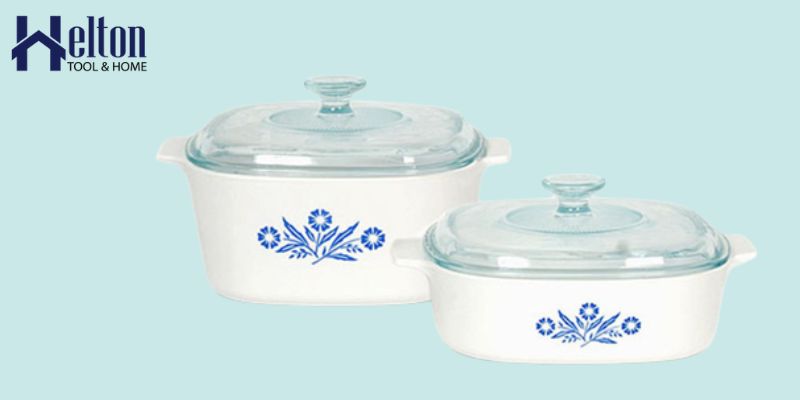
Credit: www.heltontoolandhome.com
Using The Lid To Enhance Meals
Using the lid of a casserole dish can improve your cooking in many ways. It helps keep moisture, stops messes, and keeps food warm after cooking. The lid is not just a cover. It is a tool that makes your meals better and easier to prepare.
Trapping Steam For Tender Results
Covering the casserole traps steam inside. Steam cooks food gently and evenly. This keeps meat and vegetables soft and juicy. The lid helps food cook without drying out. It saves flavor and nutrients in your dish.
Preventing Spills And Splatter
The lid stops spills and splashes in the oven. It keeps your oven clean and safe. No more burnt food on the oven floor. It also prevents hot liquids from spilling over. This reduces mess and makes cleanup easier.
Keeping Food Warm After Cooking
Place the lid on the casserole after cooking. It holds heat inside the dish. Food stays warm longer without drying. This is great for serving meals later. The lid keeps your food tasty and ready to eat.
Cleaning And Maintaining Your Dish
Keeping your casserole dish with lid clean and well-maintained helps it last longer. Proper care keeps it looking good and safe to use. Follow simple steps to clean, store, and handle your dish carefully.
Safe Washing Practices
Wash the casserole dish soon after use. Use warm water and mild dish soap. Avoid harsh scrubbers that can scratch the surface. Use a soft sponge or cloth instead. For stuck food, soak the dish in warm soapy water. Rinse well to remove all soap. Dry the dish with a soft towel. Avoid sudden temperature changes to prevent cracks. Do not use strong chemicals or bleach.
Storing The Dish And Lid
Store the casserole dish and lid in a dry place. Keep the lid separate or place a soft cloth between them. This prevents scratching or chipping. Avoid stacking heavy items on top of the dish. Store in a cabinet where it won’t fall or get damaged. Proper storage helps keep the dish safe and clean.
Handling Chips And Cracks
Check your dish for chips or cracks regularly. Small chips can grow bigger with use. Stop using the dish if you see deep cracks. Cracks can cause leaks or break during cooking. For minor chips, handle the dish gently to avoid worsening damage. Replace the dish if it becomes unsafe to use. Safety first for your cooking and health.

Credit: www.lecreuset.com
Creative Recipes For Casserole Dishes
Casserole dishes with lids are perfect for making a variety of meals. They keep food moist and help flavors blend well. Using these dishes can simplify cooking and cleanup. Here are some creative recipes to try with your casserole dish and lid.
Classic Comfort Foods
Classic casseroles like chicken and rice or beef and potatoes always satisfy. These dishes cook slowly, making meats tender and rich in flavor. Cheese and creamy sauces add warmth and richness. Baking under a lid keeps everything juicy and soft. Serve these meals for family dinners or special occasions.
Vegetarian And Vegan Options
Vegetarian casseroles can be just as hearty and tasty. Use beans, lentils, or tofu for protein. Add lots of vegetables like carrots, spinach, and mushrooms. Tomato or coconut-based sauces work well for flavor. Cover with the lid to steam the veggies perfectly. These dishes are great for healthy weeknight meals.
One-pot Meals For Busy Days
One-pot casseroles save time and effort. Combine grains, proteins, and veggies in the same dish. The lid traps heat and moisture for even cooking. Think of dishes like baked pasta or chicken with mixed vegetables. These meals cook while you relax or do other tasks. Cleanup is easy since only one dish is used.
Frequently Asked Questions
How Do You Properly Use A Casserole Dish With Lid?
Using a casserole dish with a lid ensures even cooking and moisture retention. Preheat your oven, add ingredients, cover tightly, and bake. The lid traps steam, keeping food tender and flavorful.
Can I Use A Casserole Dish With Lid In The Oven?
Yes, most casserole dishes with lids are oven-safe. Always check manufacturer instructions for temperature limits. Avoid sudden temperature changes to prevent cracking or damage.
How To Clean A Casserole Dish With Lid Effectively?
Soak the dish and lid in warm, soapy water after use. Use a non-abrasive sponge to remove food residue. Rinse well and dry thoroughly to prevent stains and odors.
Is It Safe To Store Food In A Casserole Dish With Lid?
Yes, casserole dishes with lids are ideal for food storage. They keep food fresh and prevent spills. Store in the refrigerator and reheat before serving.
Conclusion
Using a casserole dish with a lid helps keep food moist and tasty. It also makes cooking and cleaning easier. You can bake, roast, or store meals in it. The lid traps heat and flavors well. This simple tool fits many recipes and kitchen needs.
Try it for your next meal and see the difference. Cooking can be easy and fun with the right dish. Keep it clean and use it often. Your meals will thank you.


