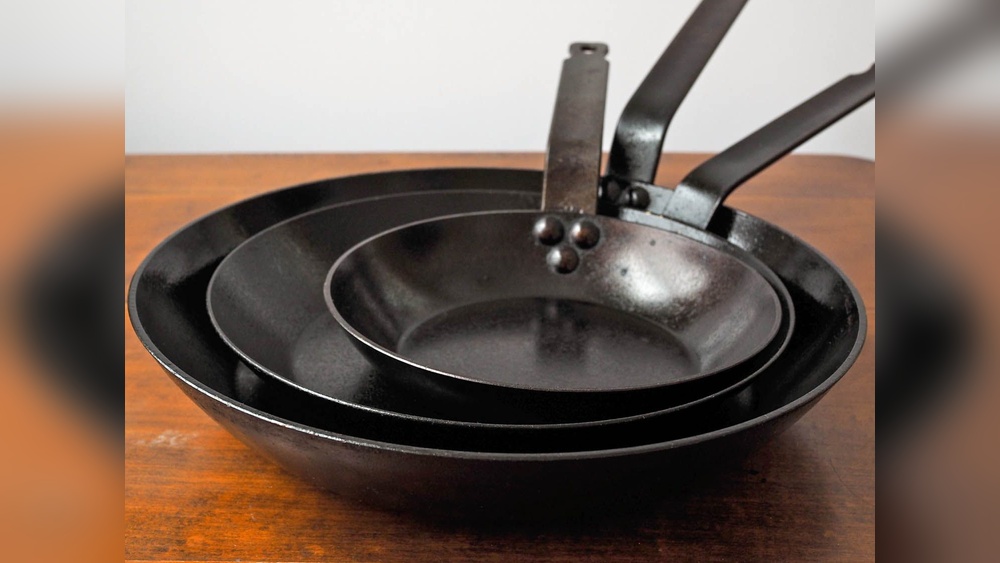

If you want a pan that heats evenly, lasts forever, and gets better with every use, a carbon steel pan might be your new best friend. But if you’re unsure how to use it or care for it properly, you could miss out on its full potential.
This guide will show you exactly how to get the most from your carbon steel pan, making your cooking easier and more delicious. Ready to unlock the secrets to perfect searing, easy cleanup, and a pan that feels like it was made just for your kitchen?
Keep reading—you won’t want to cook without this knowledge.
Choosing The Right Carbon Steel Pan
Choosing the right carbon steel pan is important for cooking success. The right pan fits your cooking style and kitchen needs. It should be easy to handle and heat food evenly. This guide helps you pick the best pan for your meals.
Types Of Carbon Steel Pans
Carbon steel pans come in different types. Some have a smooth surface, while others are textured. Smooth pans work well for delicate foods like fish. Textured pans hold food better and create nice sears. There are also flat pans and woks. Choose the type that suits your favorite dishes.
Size And Shape Considerations
Size matters in a carbon steel pan. Small pans are easy to handle and good for single servings. Larger pans cook more food at once and save time. The shape also affects cooking. Round pans are great for stir-frying. Flat pans work well for frying and sautéing. Pick a size and shape that fits your kitchen and meals.
Comparing Carbon Steel And Cast Iron
Carbon steel and cast iron are similar but have key differences. Carbon steel heats up faster and cools down quickly. Cast iron holds heat longer but is heavier. Carbon steel pans are lighter and easier to move. Both need seasoning to prevent rust. Choose carbon steel for quick cooking and easy handling.
Credit: misen.com
Seasoning Your Carbon Steel Pan
Seasoning your carbon steel pan is an important step before cooking. This process creates a natural, non-stick surface. It also protects the pan from rust and damage. A well-seasoned pan improves your cooking experience and helps food release easily. Follow simple steps to season your pan properly. This will keep it in great condition for years.
Why Seasoning Matters
Seasoning builds a protective layer on the pan. This layer stops food from sticking. It also prevents rust by sealing the metal. Without seasoning, food can taste metallic or burn easily. A seasoned pan gets better with use. Each cooking session adds to the non-stick surface.
Step-by-step Seasoning Process
Start by washing the pan with warm water and soap. Dry it completely. Heat the pan on medium heat until it is hot. Apply a thin layer of cooking oil all over the inside. Use oil with a high smoke point like flaxseed or vegetable oil. Heat the pan until the oil starts to smoke. Turn off the heat and let the pan cool. Wipe out any excess oil with a paper towel. Repeat this process two or three times for a strong coating.
Maintaining The Seasoned Surface
Clean the pan with warm water and a soft brush after each use. Avoid soap or harsh scrubbing. Dry the pan immediately to stop rust. Apply a light layer of oil after drying. Store the pan in a dry place. Regular use and care will keep the surface smooth and non-stick. Re-season if the surface looks dull or sticky.
Proper Heating Techniques
Proper heating is key to using a carbon steel pan well. It helps food cook evenly and stops sticking. Knowing how to heat your pan the right way protects its surface. It also makes your cooking faster and tastier.
Preheating Tips
Start by placing the pan on low heat. Let it warm slowly for a few minutes. This stops warping and damage. Check the pan’s surface by flicking a few drops of water. If they dance or evaporate quickly, the pan is ready.
Ideal Cooking Temperatures
Carbon steel pans work best at medium to medium-high heat. Too high heat can burn food or damage the pan’s seasoning. Too low heat makes food stick and cook unevenly. Adjust heat based on what you cook and your stove type.
Avoiding Hot Spots
Move the pan around gently during heating. This spreads heat across the surface. Use a burner size that matches the pan’s base. Hot spots cause food to burn in one place and stay raw in others. Even heat means better cooking results.

Credit: www.reddit.com
Cooking With Carbon Steel
Cooking with a carbon steel pan offers a unique experience. These pans heat quickly and hold heat well. They develop a natural non-stick surface over time. This makes cooking easier and tastier. Carbon steel pans work well for many dishes. Learning how to use them right brings great results.
Best Foods For Carbon Steel Pans
Carbon steel pans are perfect for searing meat. Steaks, chicken breasts, and pork chops cook evenly and get a nice crust. Vegetables like bell peppers, onions, and zucchini also do well. These pans handle high heat, ideal for stir-fries and sautéing. Eggs can be tricky at first but get easier with use. Fish fillets cook gently without sticking after seasoning builds up.
Using Oil And Fats Effectively
Always preheat the pan before adding oil. This prevents food from sticking. Use oils with high smoke points like canola, vegetable, or avocado oil. Spread the oil evenly to coat the surface. Avoid using too little oil; it helps create the non-stick layer. Butter adds flavor but can burn quickly. Adding butter near the end of cooking works best.
Managing Food Sticking
Food sticks if the pan is too cold or too hot. Let the pan heat properly before cooking. Avoid moving food too soon; wait until it naturally releases. Keep the pan seasoned well to improve non-stick quality. Clean the pan gently after each use without soap. Dry it completely and oil lightly to protect the surface.
Cleaning And Care
Cleaning and caring for your carbon steel pan is key to keeping it in great shape. Proper care protects the seasoning layer. This layer helps food cook evenly and stops rust from forming. Follow simple steps to clean and store your pan right.
Cleaning Without Damaging Seasoning
Use warm water and a soft sponge to clean the pan. Avoid soap or strong detergents. These can strip the seasoning. For stuck food, scrub gently with a non-abrasive brush. Dry the pan completely after washing to prevent rust.
Handling Rust And Stains
If rust appears, scrub it off with steel wool or a scouring pad. After removing rust, wash and dry the pan well. Apply a thin layer of oil and heat it on the stove. This restores the seasoning and protects the pan.
Storage Tips
Store your carbon steel pan in a dry place. Avoid stacking it with wet cookware. Place a paper towel inside to absorb moisture. Regularly oil the pan lightly before storage to keep the surface smooth and rust-free.
Troubleshooting Common Issues
Using a carbon steel pan can be very rewarding, but some problems may arise. These issues might make cooking harder or affect your pan’s performance. Knowing how to fix common problems helps keep your pan in top shape and makes cooking easier. Here are some tips for troubleshooting common problems with your carbon steel pan.
Dealing With Food Sticking
Food sticking to your carbon steel pan is a common problem. It often happens if the pan is not hot enough before adding food. Preheat the pan on medium heat for a few minutes. Add a small amount of oil and let it heat until it shimmers. This creates a non-stick surface. Avoid moving the food too soon. Let it cook and release naturally before flipping or stirring.
Restoring A Damaged Seasoning
Seasoning protects the pan and keeps food from sticking. If your seasoning is damaged, food will stick and the pan may rust. Clean the pan gently with hot water and a soft brush. Avoid soap as it can remove seasoning. Dry the pan completely. Apply a thin layer of oil all over the pan. Heat it on the stove or in the oven until the oil smokes. This rebuilds the protective layer and keeps the pan ready for use.
Avoiding Warping
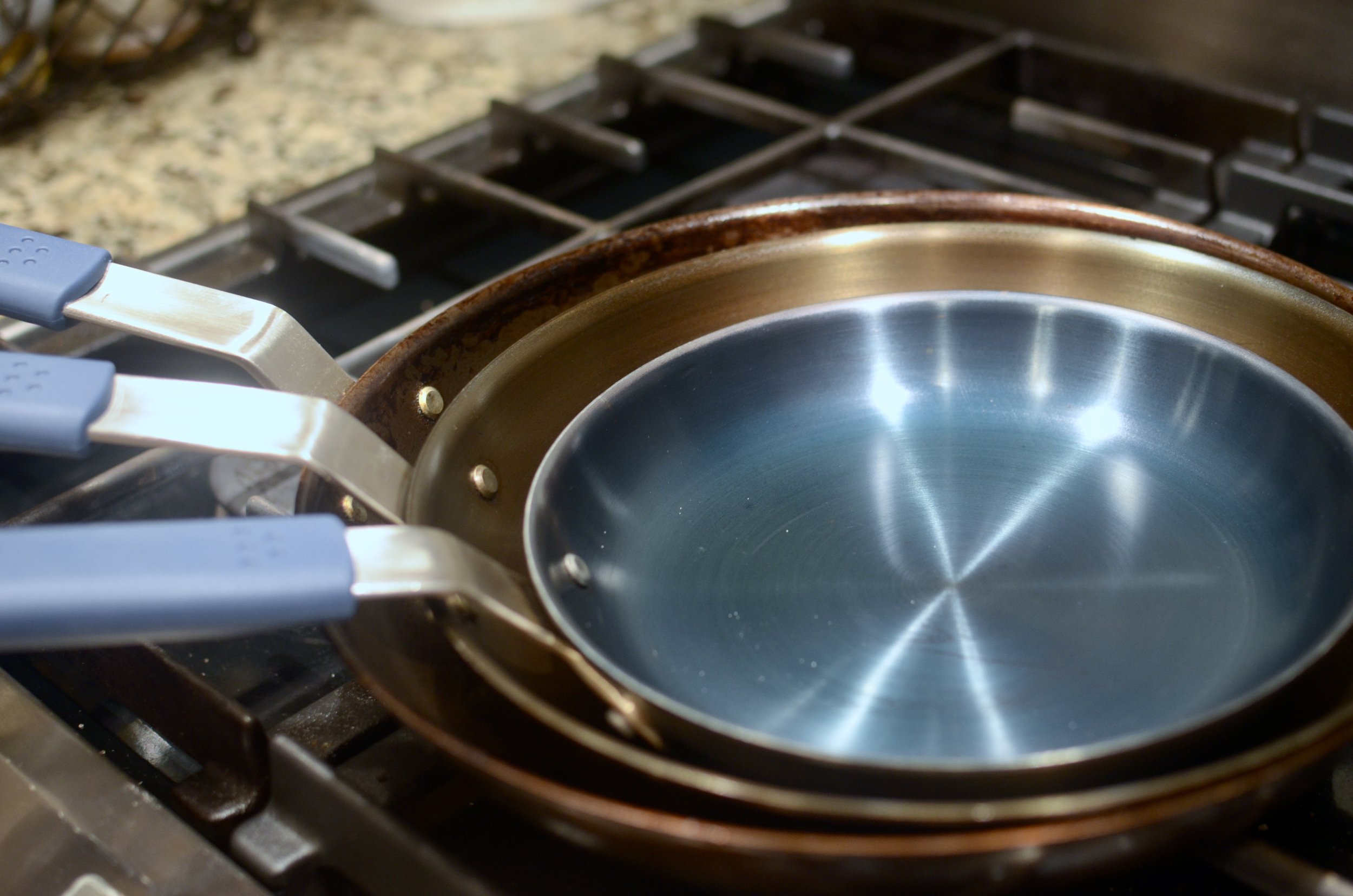
Warping happens when the pan heats unevenly or cools too fast. Never place a hot pan directly into cold water. This sudden change can bend the metal. Heat the pan gradually and keep the heat at medium or low levels. Avoid using the highest heat setting for long periods. Store the pan in a dry place to prevent damage. Handle with care to keep it flat and ready for cooking.
Credit: www.butteryum.org
Frequently Asked Questions
How Do I Season A Carbon Steel Pan Properly?
To season a carbon steel pan, clean it, apply a thin oil layer, then heat until smoking. Repeat this to build a non-stick surface. Seasoning prevents rust and improves cooking performance.
Can I Use Soap To Clean My Carbon Steel Pan?
Avoid soap on carbon steel pans as it removes seasoning. Instead, clean with hot water and a soft brush. Dry thoroughly and apply a light oil coat to protect the surface.
What Foods Are Best Cooked In A Carbon Steel Pan?
Carbon steel pans excel with high-heat cooking like searing meat, stir-frying vegetables, and frying eggs. Their heat retention and quick response make them versatile for many dishes.
How Do I Prevent Rust On My Carbon Steel Pan?
To prevent rust, always dry your pan completely after washing. Apply a thin oil layer before storage. Store in a dry place and avoid prolonged exposure to moisture.
Conclusion
Using a carbon steel pan adds great flavor to your meals. It cooks food evenly and lasts a long time. Remember to season it well and clean it properly after use. Avoid soap and dry it quickly to stop rust.
Cooking with this pan gets better with practice. Enjoy the process and tasty results every time. A carbon steel pan is a smart choice for many kitchens. Try it out and see the difference yourself. Simple care keeps it strong for years ahead.