



Grilled chicken is a healthy, delicious staple—but only when it’s fresh and safe to eat. Eating spoiled grilled chicken can lead to serious food poisoning, so knowing how to tell if it’s gone bad is crucial. This guide covers the signs of spoilage, storage best practices, and how to prevent illness.
Grilled chicken is one of the most popular proteins around the world. It’s lean, flavorful, and packed with protein, making it a go-to choice for health-conscious eaters, backyard barbecues, and weeknight dinners. Whether you’re grilling up a batch for meal prep or enjoying it at a summer cookout, grilled chicken can be both delicious and nutritious—when it’s fresh.
But here’s the catch: chicken is highly perishable. Even when it’s been perfectly grilled and seasoned, it doesn’t last forever. Bacteria like Salmonella, Campylobacter, and Listeria can grow quickly on cooked chicken if it’s not stored or handled properly. And unlike raw chicken, which has a distinct pink color and raw smell, grilled chicken can look and smell normal even when it’s starting to spoil. That’s why it’s so important to know how to tell if grilled chicken is bad before you take a bite.
In this guide, we’ll walk you through the clear signs of spoilage, how to store grilled chicken safely, and what to do if you’re unsure whether it’s still good to eat. We’ll also cover common mistakes people make when handling grilled chicken and how to avoid food poisoning altogether. By the end, you’ll feel confident in your ability to enjoy grilled chicken safely—every time.
Key Takeaways
- Check the smell: Fresh grilled chicken has a mild, neutral odor. A sour, ammonia-like, or rotten smell means it’s spoiled.
- Look for color changes: Gray, green, or slimy spots indicate bacterial growth and spoilage.
- Feel the texture: Slimy or sticky surfaces are red flags—even if it smells okay.
- Follow storage timelines: Refrigerate grilled chicken within 2 hours and consume within 3–4 days.
- Reheat safely: Reheat leftovers to 165°F (74°C) to kill harmful bacteria.
- When in doubt, throw it out: Never risk eating questionable chicken—food poisoning isn’t worth it.
- Practice safe grilling: Cook chicken to 165°F internally and avoid cross-contamination.
Quick Answers to Common Questions
Can you eat grilled chicken that smells a little sour?
No. A sour smell indicates bacterial growth and spoilage. Even if it looks okay, it’s not safe to eat.
How long can grilled chicken sit out after cooking?
Grilled chicken should not sit out for more than 2 hours—or 1 hour if the temperature is above 90°F.
Is slimy grilled chicken always bad?
Yes. A slimy texture is a clear sign of bacterial growth and means the chicken is spoiled.
Can you freeze grilled chicken to make it last longer?
Yes. Frozen grilled chicken can last up to 4 months if stored properly in airtight containers.
Should I reheat grilled chicken before eating leftovers?
Yes. Reheat to an internal temperature of 165°F to kill any harmful bacteria.
📑 Table of Contents
- Why Grilled Chicken Spoils and How Fast It Happens
- Visual Signs That Grilled Chicken Has Gone Bad
- Smell and Taste: The Olfactory Test for Spoiled Chicken
- Texture Changes: The Tactile Clues of Spoilage
- Safe Storage Practices to Prevent Spoilage
- Common Mistakes That Lead to Spoiled Grilled Chicken
- What to Do If You Think You Ate Bad Grilled Chicken
- How to Prevent Food Poisoning from Grilled Chicken
Why Grilled Chicken Spoils and How Fast It Happens
Chicken, whether raw or cooked, is a prime target for bacteria. Once grilled, the outer layer of the chicken is sealed and safe from surface contamination—but the inside is still vulnerable. Bacteria can multiply rapidly in the “danger zone,” which is between 40°F and 140°F (4°C and 60°C). This is the temperature range where harmful microorganisms thrive, especially in moist, protein-rich foods like chicken.
Even if your grilled chicken was cooked to a safe internal temperature of 165°F (74°C), it can still spoil if it’s left out too long after cooking. For example, if you grilled chicken at a picnic and left it sitting in the sun for three hours, bacteria could have already started growing—even if it still looks and smells fine. The same goes for chicken that’s been stored in the fridge but past its safe window.
The rate of spoilage depends on several factors: temperature, humidity, how the chicken was handled, and whether it was properly cooled before storage. In ideal fridge conditions (below 40°F), grilled chicken can last 3 to 4 days. But if your fridge is warmer, or if the chicken was exposed to warm air during storage, spoilage can happen faster.
It’s also worth noting that freezing grilled chicken can extend its shelf life up to 4 months, but even frozen chicken isn’t immune to quality degradation over time. Ice crystals, freezer burn, and texture changes can affect taste and safety, especially if it’s been thawed and refrozen multiple times.
Understanding why grilled chicken spoils helps you take the right precautions. The key is to minimize time in the danger zone, store it properly, and always trust your senses when deciding whether it’s safe to eat.
Visual Signs That Grilled Chicken Has Gone Bad
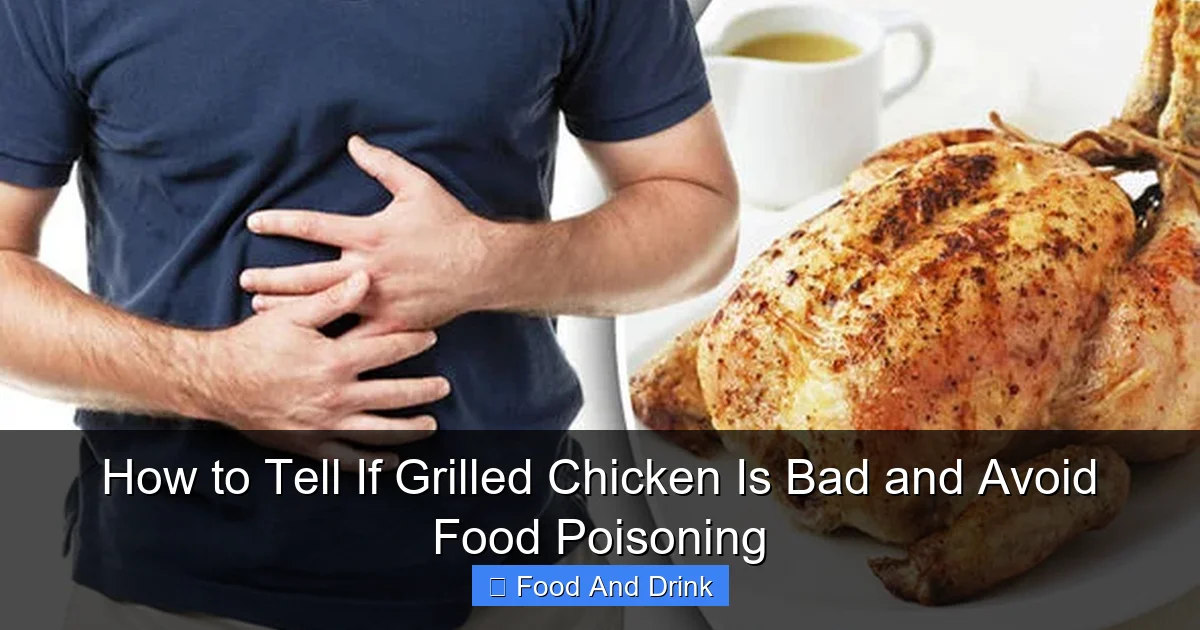
Visual guide about How to Tell If Grilled Chicken Is Bad and Avoid Food Poisoning
Image source: newhealthadvisor.org
One of the easiest ways to tell if grilled chicken is bad is by looking at it. While grilled chicken naturally darkens slightly as it cools, certain visual changes are clear indicators of spoilage. Your eyes can often catch problems before your nose or taste buds do.
Discoloration and Unusual Colors
Fresh grilled chicken should have a consistent color—usually golden brown or slightly charred on the outside, with a light tan or white interior. If you notice gray, green, or blueish spots, that’s a major red flag. These colors suggest the growth of mold or bacteria, especially Pseudomonas or Clostridium, which thrive in moist environments.
For example, if you pull grilled chicken out of the fridge and see a greenish hue around the edges or under the skin, don’t risk it. Even a small patch of discoloration can mean the entire piece is contaminated. Mold can penetrate deeper than it appears on the surface, so cutting off the bad part isn’t safe.
Another visual cue is a dull or faded appearance. While this might not always mean the chicken is unsafe, it often indicates that it’s been stored too long or exposed to air, which can accelerate spoilage. Compare it to a freshly grilled piece—if it looks significantly less vibrant, it’s probably past its prime.
Slimy or Sticky Residue
A slimy or sticky film on the surface of grilled chicken is one of the most obvious signs of spoilage. This slime is caused by bacterial growth, particularly from species like Lactobacillus and Leuconostoc, which produce a biofilm as they multiply.
You might notice this sliminess when you touch the chicken or when you lift it from its container. It feels tacky or slippery, almost like the chicken is coated in a thin layer of gel. This texture change happens because bacteria break down proteins and fats, creating byproducts that alter the surface feel.
Even if the chicken doesn’t smell bad yet, slime is a strong indicator that it’s no longer safe to eat. Bacteria can grow rapidly once they establish a colony, and the slime is a sign that the process has already begun.
Visible Mold Growth
Mold is less common on grilled chicken than on bread or cheese, but it can still happen—especially if the chicken was stored in a damp environment or wrapped tightly without airflow. Mold appears as fuzzy spots, usually white, green, black, or blue.
Unlike on hard foods like salami, where you can cut off the moldy part, you should never eat grilled chicken with visible mold. Mold can produce mycotoxins that penetrate deep into the meat, and cutting around it won’t remove all the contaminants. Plus, the presence of mold often means other harmful bacteria are present too.
If you see mold, discard the entire piece—and clean the container or storage area thoroughly to prevent cross-contamination.
Smell and Taste: The Olfactory Test for Spoiled Chicken

Visual guide about How to Tell If Grilled Chicken Is Bad and Avoid Food Poisoning
Image source: cdn.dimsumdaily.hk
Your nose is one of your best tools for detecting spoiled food—and grilled chicken is no exception. While fresh grilled chicken has a mild, slightly smoky or savory aroma, spoiled chicken gives off a distinctly unpleasant odor.
Recognizing Off-Putting Odors
As bacteria break down proteins in chicken, they release volatile compounds that create strong, recognizable smells. A sour or acidic odor—similar to vinegar or spoiled milk—is a classic sign of spoilage. This happens when lactic acid bacteria ferment the meat’s natural sugars.
Another common smell is an ammonia-like or chemical odor. This usually indicates the breakdown of proteins into compounds like amines and ammonia, which are produced by bacteria such as Pseudomonas and Enterobacter. If your grilled chicken smells like cleaning products or old gym socks, it’s definitely gone bad.
In advanced stages of spoilage, you might detect a rotten or putrid smell—similar to spoiled eggs or garbage. This is a sign that large amounts of bacteria have colonized the meat, and consuming it could lead to severe food poisoning.
It’s important to note that some spoiled chicken may not smell bad at first. Bacteria can grow internally or under the surface, so always combine smell with other checks like texture and appearance.
Why You Should Never Taste Test
You might be tempted to take a small bite to see if the chicken tastes off—but this is a dangerous mistake. Even a tiny amount of spoiled chicken can contain enough bacteria or toxins to make you seriously ill. Foodborne pathogens like Salmonella and E. coli don’t always alter taste significantly, so the chicken might still taste “okay” even when it’s unsafe.
Symptoms of food poisoning can appear within hours or take days to develop, including nausea, vomiting, diarrhea, stomach cramps, and fever. In severe cases, especially for young children, pregnant women, or people with weakened immune systems, it can lead to hospitalization.
The bottom line: never taste grilled chicken to check if it’s bad. Rely on smell, sight, and texture instead—and when in doubt, throw it out.
Texture Changes: The Tactile Clues of Spoilage

Visual guide about How to Tell If Grilled Chicken Is Bad and Avoid Food Poisoning
Image source: i.pinimg.com
How grilled chicken feels to the touch can tell you a lot about its freshness. While texture changes aren’t always as obvious as smell or color, they’re just as important—and often the first sign that something’s wrong.
Sliminess and Stickiness
As mentioned earlier, a slimy or sticky surface is a major red flag. This texture change occurs when bacteria form a biofilm on the chicken’s surface. The slime feels wet and slippery, almost like the chicken is coated in a thin layer of mucus.
You might notice this when you pick up a piece of chicken or when you open a container of leftovers. Even if the chicken looks normal and doesn’t smell bad, slime means bacteria are actively growing. At this point, the chicken is no longer safe to eat.
Excessive Dryness or Toughness
While dryness doesn’t necessarily mean the chicken is spoiled, it can indicate that it’s been stored too long or reheated improperly. Over time, moisture evaporates from the meat, making it tough and chewy. This is especially common with grilled chicken that’s been refrigerated for several days.
However, dryness alone isn’t a sign of spoilage—just a decline in quality. If the chicken is dry but still smells and looks okay, it might be safe to eat, though not very enjoyable. But if dryness is combined with other signs like discoloration or an off smell, it’s best to discard it.
Soft or Mushy Spots
In some cases, spoiled grilled chicken may develop soft or mushy areas, especially near the bone or under the skin. This happens when bacteria break down muscle tissue, causing it to lose its firm structure. These spots may feel spongy or disintegrate when pressed.
Mushiness is often accompanied by other signs like slime or odor, but it can appear on its own in early stages of spoilage. If you notice any part of the chicken feels unusually soft or falls apart easily, it’s a strong indicator that it’s no longer safe.
Safe Storage Practices to Prevent Spoilage
The best way to avoid eating bad grilled chicken is to store it properly from the start. Even the freshest, most perfectly grilled chicken can spoil quickly if it’s not handled correctly after cooking.
Cooling and Refrigerating Grilled Chicken
After grilling, it’s crucial to cool chicken quickly and get it into the fridge. Bacteria grow fastest between 40°F and 140°F, so you want to minimize the time the chicken spends in this “danger zone.”
The USDA recommends refrigerating cooked chicken within 2 hours of cooking—or within 1 hour if the outdoor temperature is above 90°F (32°C). To speed up cooling, divide large portions into smaller containers or spread the chicken out on a baking sheet. This allows heat to dissipate faster.
Once cooled, store grilled chicken in airtight containers or resealable bags. This prevents exposure to air, which can dry out the meat and promote bacterial growth. Label the container with the date so you know when it was cooked.
How Long Does Grilled Chicken Last in the Fridge?
Properly stored grilled chicken will stay safe to eat for 3 to 4 days in the refrigerator. After that, the risk of bacterial growth increases significantly, even if the chicken doesn’t show obvious signs of spoilage.
If you know you won’t eat it within that window, freeze it instead. Frozen grilled chicken can last up to 4 months while maintaining quality. To freeze, wrap individual portions in plastic wrap or aluminum foil, then place them in a freezer-safe bag. Remove as much air as possible to prevent freezer burn.
When thawing frozen grilled chicken, do so in the refrigerator—not on the counter. This keeps the meat out of the danger zone and reduces the risk of bacterial growth.
Reheating Grilled Chicken Safely
When reheating grilled chicken, always bring it to an internal temperature of 165°F (74°C). This ensures that any bacteria that may have grown during storage are killed.
Use a food thermometer to check the temperature in the thickest part of the meat. Avoid reheating chicken more than once, as repeated heating and cooling cycles increase the risk of contamination.
You can reheat grilled chicken in the oven, microwave, or on the stovetop. For best results, add a splash of broth or water to keep it moist, especially if it’s been refrigerated.
Common Mistakes That Lead to Spoiled Grilled Chicken
Even with the best intentions, it’s easy to make mistakes that increase the risk of spoilage. Here are some common pitfalls to avoid:
Leaving Chicken Out Too Long
One of the biggest mistakes is leaving grilled chicken at room temperature for too long. Whether it’s at a picnic, party, or after dinner, chicken should never sit out for more than 2 hours. In hot weather, that time drops to just 1 hour.
Bacteria multiply rapidly in warm environments, and even a short delay can lead to dangerous levels of contamination. Always pack leftovers in a cooler with ice packs if you’re outdoors, and get them into the fridge as soon as possible.
Improper Storage Containers
Using the wrong containers can accelerate spoilage. Open containers or loosely wrapped chicken expose the meat to air, which dries it out and allows bacteria to enter. Always use airtight containers or sealable bags.
Avoid stacking large portions of chicken in one container, as this traps heat and slows cooling. Instead, use shallow containers or divide the chicken into smaller portions.
Cross-Contamination
Cross-contamination happens when bacteria from raw chicken or other foods transfer to cooked chicken. This can occur if you use the same cutting board, utensils, or plate for raw and cooked chicken.
Always use separate tools for raw and cooked foods, and wash your hands, surfaces, and equipment thoroughly after handling raw chicken. This simple step can prevent the spread of harmful bacteria.
Ignoring Expiration Dates
Even if grilled chicken looks and smells fine, it’s important to follow storage timelines. Don’t rely solely on your senses—bacteria can grow without changing the appearance or odor of the meat.
Mark containers with the date you cooked the chicken, and stick to the 3–4 day rule for refrigeration. When in doubt, throw it out.
What to Do If You Think You Ate Bad Grilled Chicken
If you’ve eaten grilled chicken and later suspect it was spoiled, monitor your symptoms closely. Food poisoning can develop within hours or take up to several days to appear.
Common symptoms include:
– Nausea and vomiting
– Diarrhea (sometimes bloody)
– Stomach cramps and abdominal pain
– Fever and chills
– Headache and fatigue
Most cases of food poisoning are mild and resolve on their own within a few days. Stay hydrated by drinking water, clear broths, or electrolyte solutions. Avoid dairy, caffeine, and fatty foods until you feel better.
However, seek medical attention if you experience:
– High fever (above 101.5°F or 38.6°C)
– Severe dehydration (dizziness, dry mouth, little or no urination)
– Blood in vomit or stool
– Symptoms lasting more than 3 days
– Signs of botulism (blurred vision, muscle weakness, difficulty breathing)
Certain groups—such as pregnant women, young children, older adults, and people with weakened immune systems—are at higher risk for complications and should see a doctor promptly if they suspect food poisoning.
How to Prevent Food Poisoning from Grilled Chicken
The best defense against food poisoning is prevention. By following safe food handling practices, you can enjoy grilled chicken without worry.
Cook to the Right Temperature
Always cook chicken to an internal temperature of 165°F (74°C). Use a food thermometer to check the thickest part of the meat, avoiding bones and fat. Don’t rely on color or texture—pink chicken can still be safe if it’s reached the right temperature.
Practice Good Hygiene
Wash your hands with soap and water before and after handling chicken. Clean all surfaces, utensils, and cutting boards that come into contact with raw chicken.
Store Promptly and Properly
Refrigerate or freeze grilled chicken within 2 hours of cooking. Use airtight containers and label them with the date.
Reheat Safely
Reheat leftovers to 165°F and avoid reheating more than once.
Trust Your Senses
If grilled chicken looks, smells, or feels off, don’t eat it. When in doubt, throw it out.
Grilled chicken is a delicious and nutritious choice—but only when it’s fresh and safe. By learning how to tell if grilled chicken is bad and following proper storage and handling practices, you can protect yourself and your loved ones from foodborne illness. Remember: your senses are powerful tools, but they’re not foolproof. Combine visual, smell, and texture checks with safe food practices to enjoy grilled chicken with confidence.
Frequently Asked Questions
How can I tell if grilled chicken is bad without smelling it?
Look for visual signs like discoloration, slime, or mold, and check the texture. If it feels sticky or mushy, it’s likely spoiled.
Can I eat grilled chicken that’s been in the fridge for 5 days?
It’s not recommended. Grilled chicken should be eaten within 3–4 days for safety, even if it looks and smells fine.
Is it safe to eat grilled chicken that’s turned gray?
No. Gray or green discoloration indicates spoilage and possible bacterial growth. Discard it immediately.
Why does my grilled chicken smell like ammonia?
An ammonia-like smell means proteins have broken down due to bacterial activity. This is a sign of spoilage.
Can I save grilled chicken that’s starting to smell bad?
No. Once spoiled, chicken cannot be made safe by cooking or reheating. It’s best to throw it away.
What’s the safest way to store grilled chicken for meal prep?
Cool it quickly, store in airtight containers, label with the date, and refrigerate within 2 hours. Eat within 3–4 days.


