

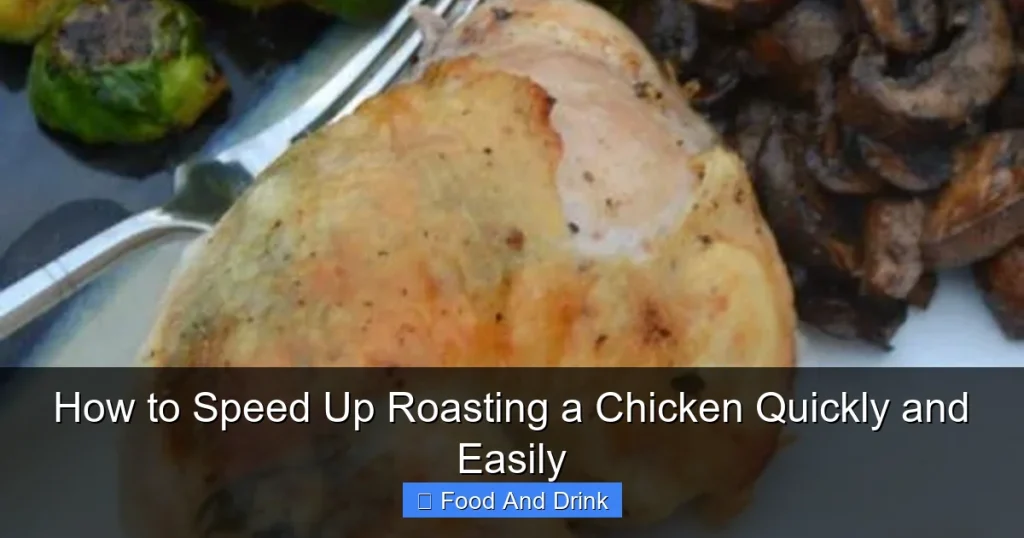

Roasting a chicken doesn’t have to take hours. With the right techniques—like spatchcocking, high-heat roasting, and proper prep—you can cut cooking time in half without sacrificing flavor or juiciness. This guide shows you how to speed up roasting a chicken quickly and easily, so you can enjoy a delicious, golden-brown bird on busy weeknights.
Key Takeaways
- Spatchcock the chicken: Flattening the bird reduces roasting time by up to 40% and ensures even cooking.
- Use high heat: Roasting at 425°F (220°C) or higher speeds up cooking while keeping the meat tender.
- Preheat your oven and pan: A hot start helps the skin crisp faster and reduces overall cook time.
- Choose a smaller bird: Chickens under 4 pounds roast faster and more evenly than larger ones.
- Let the chicken come to room temperature: This reduces cooking time and promotes even browning.
- Use a meat thermometer: Prevents overcooking and ensures food safety without guesswork.
- Rest the chicken after roasting: Locks in juices and improves texture, even with faster methods.
Quick Answers to Common Questions
Can I speed up roasting a chicken without spatchcocking?
Yes! You can still reduce cooking time by roasting at a higher temperature (425°F or above), using a smaller chicken, and ensuring it’s at room temperature before cooking.
Is it safe to roast chicken at 450°F?
Yes, as long as you monitor the internal temperature with a meat thermometer. High heat is safe and effective for faster roasting when done correctly.
How much time does spatchcocking save?
Spatchcocking can reduce roasting time by up to 40%, cutting a 75-minute roast down to about 45 minutes.
Should I cover the chicken while roasting to speed it up?
No—covering traps steam and prevents browning. For faster, crispier results, roast uncovered.
Can I use a convection oven to roast chicken faster?
Absolutely. Convection ovens cook faster and more evenly. Reduce the temperature by 25°F and check for doneness 10–15 minutes earlier.
📑 Table of Contents
- Why Roasting a Chicken Takes So Long—And How to Fix It
- Spatchcocking: The Fastest Way to Roast a Chicken
- Cooking at High Heat: The Power of Temperature
- Prep Like a Pro: Small Steps That Save Big Time
- Choose the Right Chicken Size
- Use the Right Equipment for Faster Results
- Resting: The Final Step for Juicy Meat
- Flavor-Boosting Tips for Fast Roasting
- Common Mistakes to Avoid When Speed Roasting
- Conclusion: Roast Faster, Eat Better
Why Roasting a Chicken Takes So Long—And How to Fix It
Roasting a whole chicken is a classic comfort food favorite. There’s something deeply satisfying about pulling a golden, crispy-skinned bird out of the oven, its aroma filling the kitchen. But let’s be honest—traditional roasting methods can take well over an hour, sometimes closer to two. If you’re juggling a busy schedule, that kind of time commitment can feel like a luxury you just don’t have.
The good news? You don’t have to sacrifice flavor or texture to save time. With a few smart adjustments, you can significantly reduce roasting time while still ending up with a juicy, flavorful chicken that looks and tastes like it came from a Sunday dinner table. Whether you’re cooking for a weeknight family meal or impressing guests on short notice, learning how to speed up roasting a chicken quickly and easily is a game-changer.
The secret lies in understanding how heat penetrates the meat and how the shape of the bird affects cooking time. A whole chicken roasted breast-side up in a standard oven takes time because heat must travel from the outside in, and the thickest parts—like the breast and thighs—cook at different rates. This often leads to overcooked breast meat before the thighs are fully done. But by changing the way you prepare and cook the chicken, you can eliminate these inefficiencies and cut your roasting time dramatically.
Spatchcocking: The Fastest Way to Roast a Chicken
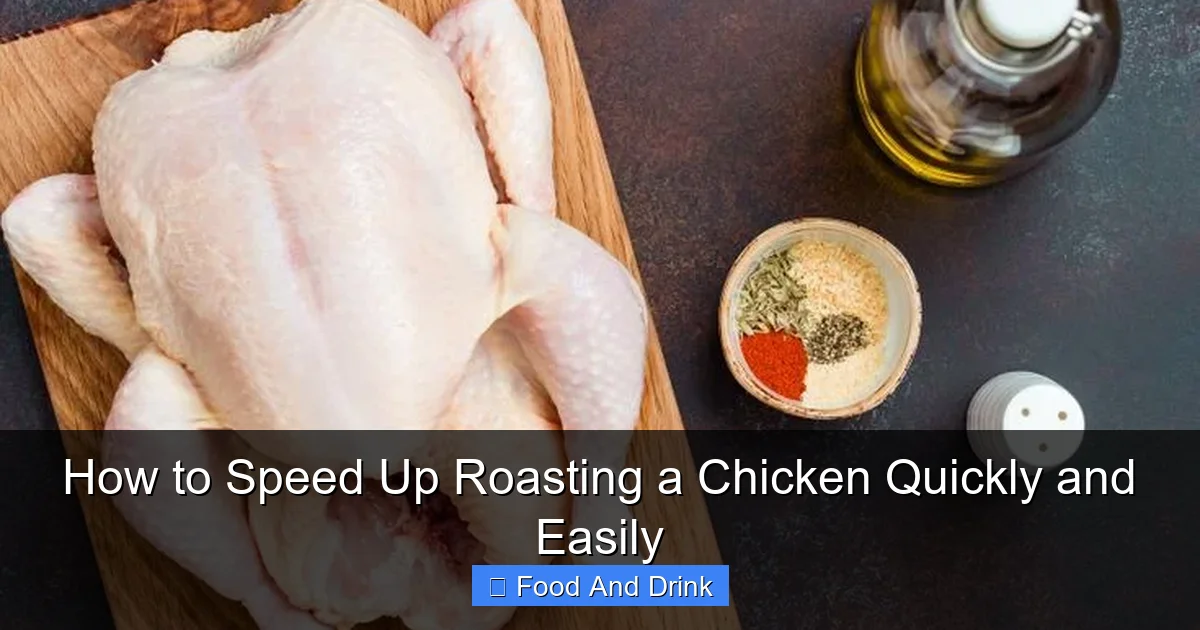
Visual guide about How to Speed Up Roasting a Chicken Quickly and Easily
Image source: i.pinimg.com
One of the most effective ways to speed up roasting a chicken is by spatchcocking—also known as butterflying. This technique involves removing the backbone so the chicken lies flat, allowing it to cook more evenly and quickly. When the bird is flattened, heat reaches all parts at once, eliminating the need for long, slow roasting.
How to Spatchcock a Chicken
To spatchcock, place the chicken breast-side down on a cutting board. Using kitchen shears or a sharp knife, cut along both sides of the backbone and remove it completely. Flip the chicken over and press down firmly on the breastbone to flatten it. This opens up the bird like a book, creating a uniform thickness that cooks faster and more evenly.
Spatchcocking reduces roasting time by up to 40%. A standard 4-pound chicken that normally takes 75–90 minutes to roast can be done in just 45–50 minutes when spatchcocked. Plus, the increased surface area means more crispy skin—something every roast chicken lover craves.
Tips for Perfect Spatchcocking
Use sharp kitchen shears for clean cuts. If you’re nervous about cutting through the bone, practice on a cheaper cut like a whole chicken leg first. Once flattened, tuck the wing tips under to prevent burning, and season generously under the skin for maximum flavor. Roast on a wire rack placed over a baking sheet to allow air circulation underneath, which helps crisp the skin on all sides.
Many chefs and home cooks swear by spatchcocking because it’s not only faster but also more reliable. You’re less likely to end up with dry breast meat or undercooked thighs. And since the chicken lies flat, it’s easier to baste or apply a dry rub evenly.
Cooking at High Heat: The Power of Temperature
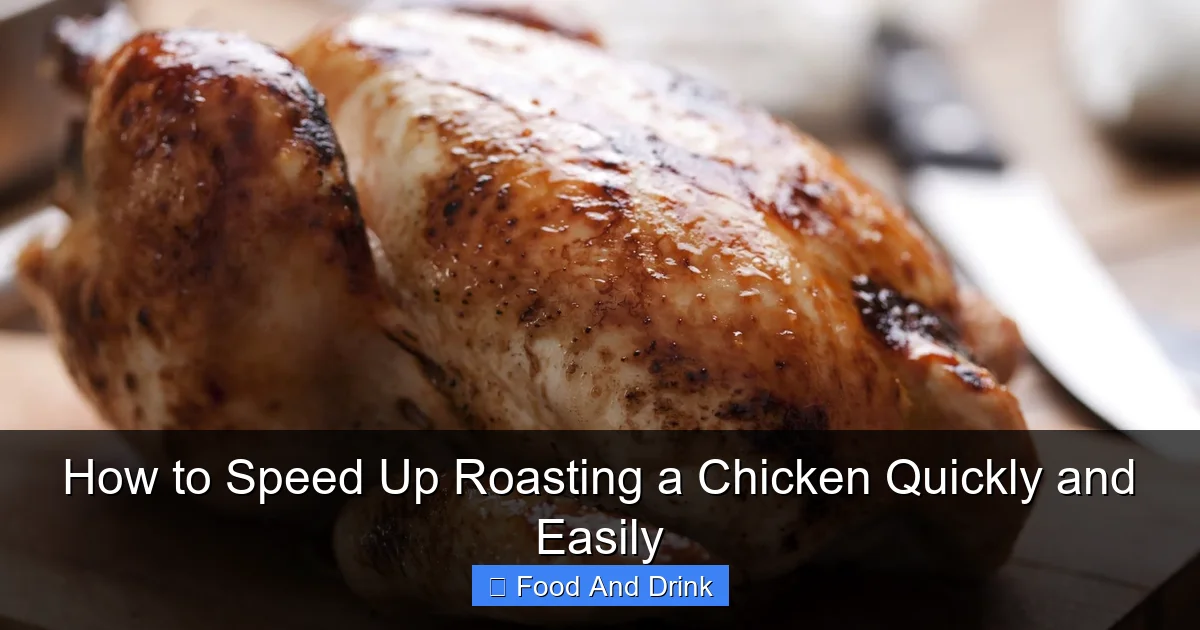
Visual guide about How to Speed Up Roasting a Chicken Quickly and Easily
Image source: img.apmcdn.org
Another key to speeding up roasting a chicken is increasing the oven temperature. While traditional recipes often call for roasting at 350°F to 375°F (175°C to 190°C), bumping the heat to 425°F (220°C) or even 450°F (230°C) can slash cooking time without drying out the meat.
Why High Heat Works
High heat jump-starts the Maillard reaction—the chemical process that gives roasted chicken its golden-brown, flavorful crust. It also helps render fat from the skin more quickly, resulting in that coveted crispy texture. Because the chicken cooks faster, there’s less time for moisture to evaporate, which helps keep the meat juicy.
For best results, preheat your oven thoroughly before placing the chicken inside. A cold oven will slow down the cooking process and may lead to uneven browning. If you’re spatchcocking, 425°F is ideal. For a whole bird roasted traditionally, 450°F for the first 20 minutes, then reduced to 375°F, can help speed things up while preventing burning.
Managing High Heat Safely
One concern with high-heat roasting is the risk of burning the skin before the inside is fully cooked. To avoid this, use a meat thermometer to monitor internal temperature. The thickest part of the thigh should reach 165°F (74°C), and the breast should be around 160°F (71°C)—it will continue to rise slightly as it rests.
Also, consider using a roasting pan with a rack. This elevates the chicken, allowing hot air to circulate underneath and cook the bird more evenly. If the skin starts to brown too quickly, loosely tent it with aluminum foil for the last 10–15 minutes of cooking.
Prep Like a Pro: Small Steps That Save Big Time
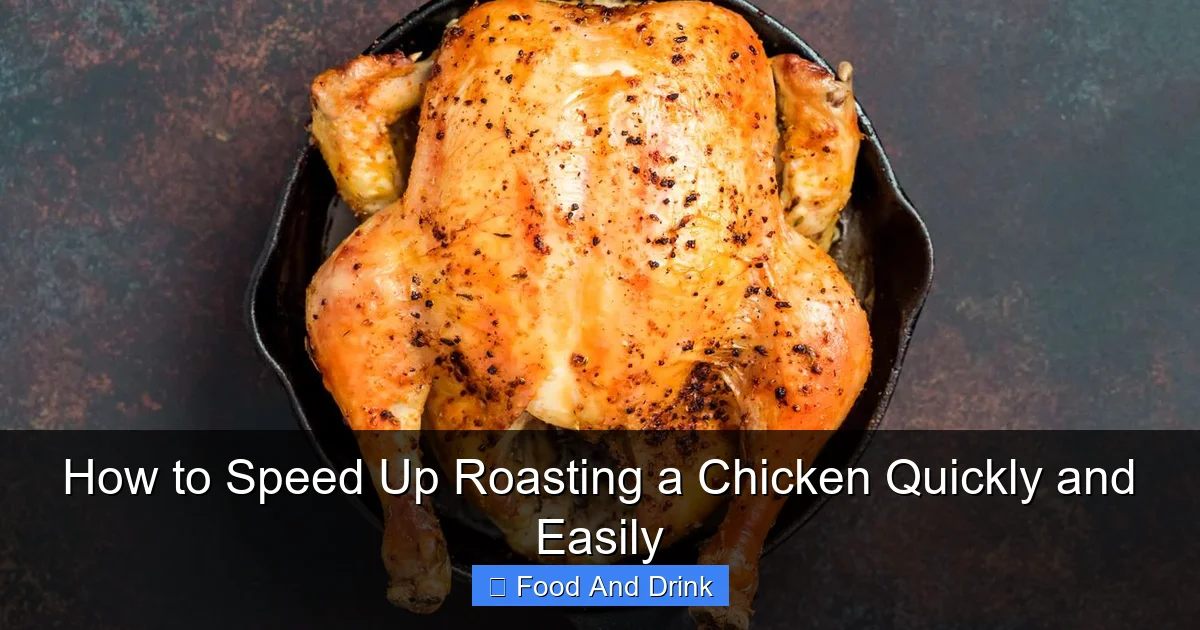
Visual guide about How to Speed Up Roasting a Chicken Quickly and Easily
Image source: thespruceeats.com
How you prepare your chicken before it hits the oven can make a surprising difference in roasting speed. A few simple prep steps can shave off valuable minutes and improve results.
Bring the Chicken to Room Temperature
Cold chicken straight from the fridge takes longer to cook and may not brown evenly. Letting it sit at room temperature for 20–30 minutes before roasting helps it cook faster and more uniformly. Just be sure to leave it covered and away from direct sunlight or heat sources.
This small step can reduce cooking time by 10–15 minutes, especially for larger birds. It also helps the seasoning penetrate the meat better, enhancing flavor.
Pat the Skin Dry
Moisture on the skin is the enemy of crispiness. Use paper towels to thoroughly dry the chicken inside and out before seasoning. The drier the skin, the faster it will crisp up in the oven. This is especially important if you’re aiming for that restaurant-quality golden crust.
For extra insurance, you can even refrigerate the seasoned, dried chicken uncovered for 1–2 hours before roasting. This “dry brine” method not only speeds up roasting but also seasons the meat deeply and improves texture.
Use a Dry Rub or Simple Seasoning
While wet marinades can add flavor, they also add moisture, which can slow down browning. For faster roasting, stick to dry rubs or simple seasonings like salt, pepper, garlic powder, and herbs. Rub the seasoning under the skin as well as on top to infuse flavor directly into the meat.
A quick tip: mix a little baking powder (about 1 teaspoon per pound of chicken) into your dry rub. Baking powder raises the skin’s pH, which helps it crisp up faster and more dramatically—perfect for speed roasting.
Choose the Right Chicken Size
Not all chickens are created equal when it comes to roasting speed. Larger birds take longer to cook because heat has to penetrate deeper into the meat. For faster results, opt for a smaller chicken—ideally under 4 pounds.
Why Smaller Is Faster
A 3- to 3.5-pound chicken will roast significantly faster than a 5- or 6-pound bird. The reduced mass means less time for heat to travel from the surface to the center. Smaller chickens also tend to have a better skin-to-meat ratio, so you get more crispy skin per bite.
If you’re feeding a crowd, consider roasting two smaller chickens instead of one large one. They’ll cook faster, more evenly, and can be seasoned differently for variety.
Organic and Free-Range Options
While not directly related to speed, choosing a high-quality chicken can improve your overall experience. Organic and free-range birds often have better flavor and texture, and they’re typically smaller and more uniform in size—ideal for quick roasting.
Look for chickens labeled “air-chilled” as well. These are processed without water baths, which helps the skin stay dry and crisp up more easily in the oven.
Use the Right Equipment for Faster Results
The tools you use can make or break your roasting speed. Upgrading your equipment—or using what you have more effectively—can save time and improve results.
Invest in a Good Roasting Pan with a Rack
A sturdy roasting pan with a rack elevates the chicken, allowing hot air to circulate underneath. This promotes even cooking and helps crisp the skin on all sides. Avoid glass or ceramic dishes, which can trap moisture and slow down browning.
If you don’t have a roasting rack, you can improvise by placing chopped vegetables (like carrots, onions, and celery) in the bottom of the pan. They’ll act as a natural rack and add flavor to the drippings.
Use a Meat Thermometer
Guessing when a chicken is done is a recipe for overcooking or undercooking. A reliable instant-read meat thermometer takes the guesswork out of roasting. Insert it into the thickest part of the thigh, avoiding the bone. When it reads 165°F (74°C), the chicken is safe to eat.
For spatchcocked chickens, check both the breast and thigh, as they may cook at slightly different rates. Removing the chicken when the breast hits 160°F (71°C) allows for carryover cooking during resting.
Consider an Oven with Convection
If your oven has a convection setting, use it. Convection ovens circulate hot air with a fan, which cooks food faster and more evenly. You can typically reduce cooking time by 10–15 minutes and lower the temperature by 25°F (about 15°C) when using convection.
Even if you don’t have a convection oven, you can mimic the effect by leaving space around the roasting pan for air to flow.
Resting: The Final Step for Juicy Meat
Many people skip resting, but it’s a crucial step—even when you’re in a hurry. Letting the chicken rest for 10–15 minutes after roasting allows the juices to redistribute throughout the meat. This ensures every bite is moist and flavorful, even with faster cooking methods.
How to Rest Properly
Transfer the roasted chicken to a cutting board and loosely tent it with foil. Don’t wrap it tightly—this can steam the skin and make it soggy. Let it rest in a warm spot, like the top of the stove or near the oven.
During this time, the internal temperature will rise by 5–10°F, so removing the chicken a few degrees early (as mentioned above) prevents overcooking.
Carve While Warm
You don’t have to wait until the chicken is completely cool to carve it. In fact, carving while it’s still warm makes it easier to separate the joints and remove the meat cleanly. Use a sharp knife and follow the natural seams of the bird.
Serve immediately for the best texture and flavor. Any leftovers can be stored in the fridge for up to 4 days or frozen for longer storage.
Flavor-Boosting Tips for Fast Roasting
Just because you’re cooking faster doesn’t mean you have to sacrifice flavor. With a few smart additions, you can enhance your chicken’s taste in minutes.
Add Aromatics
Stuff the cavity with lemon halves, garlic cloves, fresh herbs (like rosemary, thyme, or sage), or onion wedges. These infuse the meat with subtle, delicious aromas as the chicken roasts.
You can also scatter extra aromatics around the chicken in the pan. They’ll caramelize and add depth to the pan drippings, which can be turned into a quick sauce.
Use Compound Butter
Slather softened butter mixed with herbs, garlic, and lemon zest under the skin. This not only seasons the meat but also helps keep it moist during high-heat roasting.
For a quick version, mix 4 tablespoons of softened butter with 1 minced garlic clove, 1 teaspoon of chopped rosemary, and a pinch of salt. Gently loosen the skin and spread the mixture directly on the meat.
Make a Quick Pan Sauce
After removing the chicken, deglaze the roasting pan with chicken broth, white wine, or lemon juice. Scrape up the browned bits (fond) and simmer for 2–3 minutes. Stir in a tablespoon of butter for richness, and you’ve got a restaurant-worthy sauce in under 5 minutes.
Common Mistakes to Avoid When Speed Roasting
Even with the best techniques, it’s easy to make mistakes that can slow you down or ruin your chicken. Here are a few to watch out for:
Overcrowding the Pan
If you’re roasting vegetables alongside the chicken, don’t pile them too high or too close to the bird. Overcrowding traps steam, which prevents browning and slows cooking. Use a large enough pan and spread everything out.
Skipping the Thermometer
Relying on time alone is risky. Ovens vary, and chicken sizes differ. Always use a meat thermometer to ensure doneness and avoid foodborne illness.
Opening the Oven Too Often
Every time you open the oven door, heat escapes, which can extend cooking time. Resist the urge to peek every few minutes. Trust your thermometer and timer instead.
Using Cold Ingredients
Cold butter, cold chicken, or cold seasonings can slow down the roasting process. Bring everything to room temperature before starting for faster, more even results.
Conclusion: Roast Faster, Eat Better
Learning how to speed up roasting a chicken quickly and easily doesn’t mean cutting corners—it means working smarter. By spatchcocking, using high heat, prepping properly, and choosing the right tools, you can cut roasting time in half while still enjoying a juicy, flavorful, and beautifully browned bird.
These techniques aren’t just for busy weeknights. They’re for anyone who wants to spend less time in the kitchen and more time enjoying a delicious meal with family and friends. Whether you’re a seasoned cook or a beginner, these tips will help you roast chicken with confidence and speed.
So the next time you’re craving roast chicken but short on time, remember: faster doesn’t have to mean worse. With the right approach, you can have a golden, crispy, perfectly cooked chicken on the table in under an hour. And that’s something worth celebrating.
Frequently Asked Questions
What is the fastest way to roast a whole chicken?
The fastest method is spatchcocking combined with high-heat roasting at 425°F. This flattens the bird and allows it to cook evenly in under an hour.
Can I roast a chicken in 30 minutes?
It’s possible with a very small chicken (under 3 pounds) and high heat, but 45–50 minutes is more realistic for safe, juicy results.
Does brining slow down roasting time?
Wet brining adds moisture, which can slightly increase cooking time. Dry brining (salting in advance) is better for faster roasting and crispier skin.
Why is my roast chicken still pink near the bone?
This is often due to myoglobin, a protein that turns pink when cooked. As long as the internal temperature reaches 165°F, the chicken is safe to eat.
Can I roast a frozen chicken faster?
No—roasting from frozen is unsafe and uneven. Always thaw chicken completely in the fridge before cooking.
What’s the best way to keep chicken juicy when roasting quickly?
Use a meat thermometer, don’t overcook, and let the chicken rest after roasting. Adding butter under the skin also helps retain moisture.


