



Roasting chicken in an air fryer delivers crispy skin and tender, juicy meat with minimal effort. This guide covers everything from prep to perfect doneness, ensuring restaurant-quality results at home using your air fryer.
If you’ve ever craved a perfectly roasted chicken—crispy golden skin on the outside, tender and juicy meat on the inside—but don’t want to heat up your entire kitchen with a conventional oven, then you’re in the right place. Enter the air fryer: your new secret weapon for roasting chicken with ease, speed, and incredible results. Whether you’re a busy parent, a college student, or just someone who loves good food without the fuss, learning how to roast chicken with an air fryer can revolutionize your weeknight dinners.
The air fryer uses rapid air circulation to mimic the effects of deep frying—without the oil. This means you get that satisfying crunch and golden-brown finish you love, but with far less fat and cleanup. And when it comes to chicken, the results are nothing short of impressive. From whole chickens to bone-in thighs or drumsticks, the air fryer cooks evenly, seals in moisture, and delivers a texture that rivals traditional roasting methods. Plus, it’s faster. A whole chicken that might take over an hour in the oven can be ready in under 50 minutes in many air fryers.
But here’s the thing: not all air fryer chickens are created equal. To get that perfect balance of crispiness and juiciness, you need the right technique. That’s why this guide will walk you through every step—from selecting the right cut of chicken to seasoning, cooking, and serving. Whether you’re roasting a whole bird or just a few pieces, we’ll cover the best practices, common mistakes to avoid, and pro tips to make your air fryer chicken the star of the meal.
Key Takeaways
- Prep is key: Pat the chicken dry and season generously for maximum crispiness and flavor.
- Use the right temperature: Cook at 360°F–375°F (182°C–190°C) for even browning and juicy meat.
- Don’t overcrowd the basket: Leave space around the chicken for proper air circulation and crispy skin.
- Flip halfway through: Turn the chicken to ensure even cooking and golden skin on all sides.
- Check internal temperature: Use a meat thermometer—165°F (74°C) in the thickest part means it’s safe and juicy.
- Rest before serving: Let the chicken rest 5–10 minutes to lock in juices.
- Experiment with flavors: Try herbs, spices, or marinades to customize your roast chicken.
Quick Answers to Common Questions
Can I roast a whole chicken in an air fryer?
Yes, you can roast a whole chicken in an air fryer, provided it fits in the basket. Most models can handle a 3–4 pound bird. Spatchcocking (flattening the chicken) helps it cook more evenly and quickly.
Do I need to preheat the air fryer?
Yes, preheating for 3–5 minutes ensures even cooking and helps crisp the skin faster. It’s a small step that makes a big difference.
How do I prevent dry chicken in the air fryer?
Use a meat thermometer to avoid overcooking, choose bone-in cuts, and consider brining. Remove the chicken as soon as it reaches 165°F (74°C).
Can I use frozen chicken in the air fryer?
It’s best to thaw frozen chicken first. If cooking from frozen, increase time by 50% and always check the internal temperature.
How long does air fryer chicken last in the fridge?
Properly stored in an airtight container, air fryer chicken stays fresh for up to 4 days. Reheat in the air fryer to restore crispiness.
📑 Table of Contents
- Why Air Fryer Roasted Chicken Is a Game-Changer
- Choosing the Right Chicken for Air Frying
- Essential Prep Steps for Perfect Air Fryer Chicken
- Step-by-Step Guide to Roasting Chicken in the Air Fryer
- Flavor Variations and Marinades
- Troubleshooting Common Air Fryer Chicken Problems
- Serving and Storing Air Fryer Chicken
- Conclusion
Why Air Fryer Roasted Chicken Is a Game-Changer
Let’s be honest—roasting a whole chicken in the oven can feel like a production. It takes time, preheating, and often leaves your kitchen smelling like a rotisserie shop (which, okay, is nice, but still). And if you’re cooking for just one or two people, a whole bird might feel like overkill. That’s where the air fryer shines. It’s compact, efficient, and perfect for smaller households or quick meals.
One of the biggest advantages of using an air fryer is speed. Because the heating element is close to the food and the fan circulates hot air rapidly, cooking times are significantly reduced. A 3–4 pound whole chicken can go from raw to golden in about 45–50 minutes, compared to 1.5 hours or more in a conventional oven. That’s a huge time-saver, especially on busy weeknights.
Another benefit? Even cooking. Air fryers are designed to distribute heat evenly, which means no more worrying about one side of the chicken being undercooked while the other is overdone. The constant airflow ensures that every part of the bird gets exposed to heat, resulting in uniform browning and doneness. And because the air fryer is a closed system, it retains moisture better than some ovens, helping keep the meat juicy.
But perhaps the most appealing aspect is the texture. The air fryer creates a crispy, crackling skin that’s hard to beat. It’s the kind of skin that makes you want to pick up the drumstick and eat it with your fingers—no utensils needed. And because you’re not submerging the chicken in oil, it’s a healthier option without sacrificing flavor.
The Science Behind Crispy Skin
So, what makes air fryer chicken skin so crispy? It all comes down to moisture and heat. When you roast chicken, the skin needs to dry out enough to crisp up. In a traditional oven, this can take a long time, and sometimes the skin ends up rubbery instead of crunchy. But in an air fryer, the rapid circulation of hot air pulls moisture from the surface of the skin quickly and efficiently.
This process is similar to convection roasting, but faster and more intense. The high-speed fan ensures that moisture evaporates rapidly, allowing the skin to brown and crisp without overcooking the meat beneath. Plus, because the air fryer is smaller than an oven, the heat is more concentrated, which accelerates the Maillard reaction—the chemical process that gives browned food its rich, savory flavor.
To maximize crispiness, it’s important to start with dry skin. That’s why patting the chicken dry with paper towels before seasoning is a non-negotiable step. Any moisture on the surface will steam instead of crisp, leading to soggy results. Some chefs even recommend air-drying the chicken in the fridge uncovered for a few hours or overnight. This extra step removes even more surface moisture, resulting in an even crisper finish.
Health Benefits of Air Fryer Cooking
If you’re watching your fat or calorie intake, air frying is a smart choice. Traditional roasting often calls for basting with butter or oil to keep the chicken moist and help the skin crisp. While delicious, this can add unnecessary calories. With an air fryer, you can achieve similar results with little to no added fat.
Because the air fryer uses hot air to cook, you don’t need to drown the chicken in oil. A light spray or brush of oil—just enough to help the seasoning stick and promote browning—is usually sufficient. This can reduce the total fat content by up to 70–80% compared to deep-fried or heavily oiled roasted chicken.
Additionally, air frying reduces the formation of harmful compounds like acrylamide, which can form when starchy foods are cooked at high temperatures. While chicken isn’t starchy, the principle applies: shorter cooking times and lower oil use mean fewer potentially harmful byproducts.
And let’s not forget convenience. Air fryers are easy to clean—most baskets are non-stick and dishwasher-safe. No more scrubbing baked-on grease from roasting pans or dealing with splattered oil in the oven. Just remove the basket, give it a quick rinse, and you’re done.
Choosing the Right Chicken for Air Frying
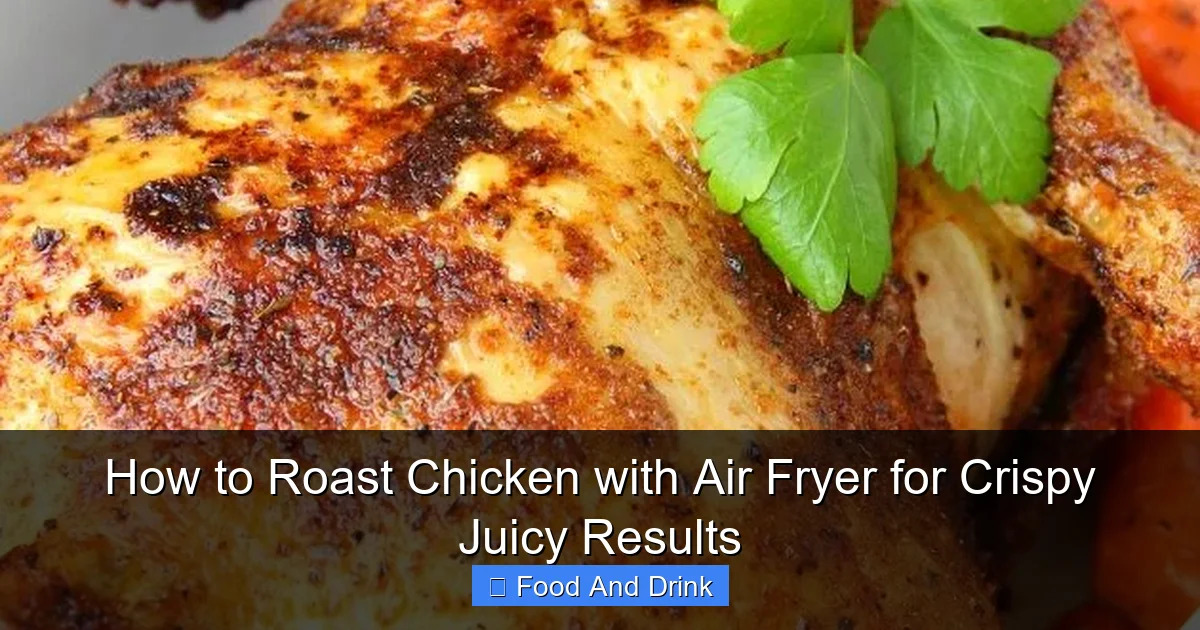
Visual guide about How to Roast Chicken with Air Fryer for Crispy Juicy Results
Image source: airfryerdelights.com
Not all chickens are created equal—and when it comes to air frying, the cut and quality of your chicken can make or break the dish. Whether you’re roasting a whole bird or just a few pieces, here’s what to look for.
Whole Chicken vs. Cut Pieces
The first decision is whether to roast a whole chicken or use cut pieces like thighs, drumsticks, or breasts. Both options work well in the air fryer, but they require different approaches.
A whole chicken is ideal if you’re feeding a family or want leftovers for sandwiches, salads, or soups. It’s also more impressive for dinner guests. However, whole chickens can be tricky in smaller air fryers. Most standard models can handle a 3–4 pound bird, but anything larger may not fit or cook evenly. If your air fryer is on the smaller side, consider spatchcocking—removing the backbone and flattening the chicken. This reduces cooking time and ensures even exposure to heat.
Cut pieces, on the other hand, are more versatile and cook faster. Bone-in, skin-on thighs and drumsticks are especially good because the bone helps retain moisture and the skin crisps beautifully. Boneless breasts can dry out more easily, so they require careful monitoring. If you do use breasts, consider pounding them to an even thickness or brining them beforehand to keep them juicy.
Fresh vs. Frozen
Always opt for fresh chicken when possible. Frozen chicken can be used, but it requires extra steps. If you’re using frozen pieces, thaw them completely in the refrigerator before cooking. Never cook chicken straight from frozen in an air fryer—this can lead to uneven cooking and food safety risks. Partially frozen chicken may have cold spots that don’t reach a safe internal temperature, even if the outside looks done.
If you must cook from frozen, increase the cooking time by 50% and use a meat thermometer to check doneness. But for best results, plan ahead and thaw your chicken properly.
Organic, Free-Range, or Conventional?
The type of chicken you choose can affect flavor and texture. Organic and free-range chickens are often more flavorful and have better fat distribution, which can enhance juiciness. They’re also raised without antibiotics and often have access to outdoor space, which can improve meat quality.
That said, conventional chicken works perfectly fine in the air fryer and is more budget-friendly. The key is to focus on proper seasoning and cooking technique. A well-seasoned conventional chicken can taste just as good as a premium one when cooked correctly.
Essential Prep Steps for Perfect Air Fryer Chicken
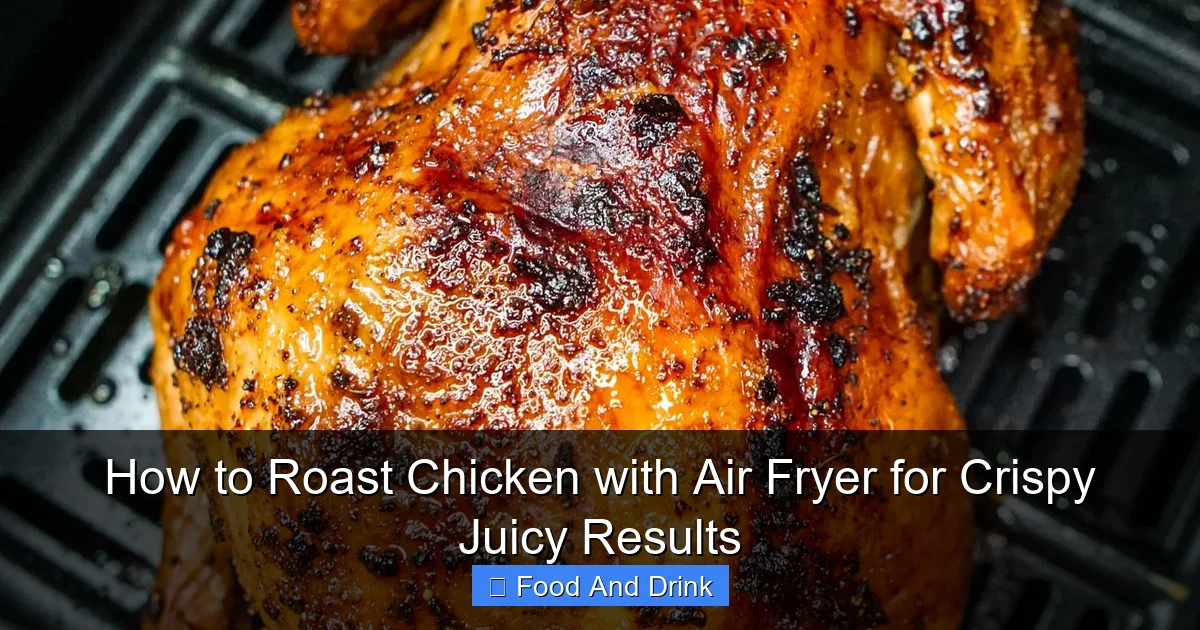
Visual guide about How to Roast Chicken with Air Fryer for Crispy Juicy Results
Image source: nomadette.com
Great air fryer chicken starts with great prep. Skipping these steps might save a few minutes, but it can cost you in flavor, texture, and safety. Here’s how to set yourself up for success.
Pat It Dry
This might seem like a small detail, but it’s one of the most important. Moisture is the enemy of crispy skin. Before you do anything else, remove the chicken from its packaging and pat it thoroughly dry with paper towels. Don’t just dab—really press to absorb as much surface moisture as possible. Pay special attention to the skin, especially around the joints and cavity.
For even better results, let the chicken air-dry in the fridge uncovered for 1–2 hours (or overnight). This allows the skin to dry out further, resulting in a crisper finish. Just place it on a wire rack over a baking sheet to allow air circulation.
Season Generously
Seasoning is where the magic happens. Don’t be shy—chicken loves flavor. Start with a base of salt and pepper, then add your favorite herbs and spices. A simple blend of garlic powder, onion powder, paprika, dried thyme, and a pinch of cayenne works wonders. You can also use fresh herbs like rosemary, sage, or thyme for a more aromatic profile.
Season both the outside and the inside of the chicken. Sprinkle salt and pepper inside the cavity—this helps season the meat from within. For whole chickens, you can also loosen the skin gently with your fingers and slide some seasoned butter or herb paste underneath. This keeps the breast meat extra moist and adds richness.
If you have time, consider brining the chicken. A quick 30-minute brine in salted water (or a flavored brine with herbs and citrus) can dramatically improve juiciness. Just rinse and pat dry before seasoning.
Oil Lightly (Optional)
While not strictly necessary, a light coating of oil helps the seasoning stick and promotes browning. Use a high-smoke-point oil like avocado, canola, or grapeseed. Spray it evenly over the skin using an oil mister, or brush it on with a pastry brush. A little goes a long way—too much oil can cause splattering and smoke in the air fryer.
Let It Rest Before Cooking
After seasoning, let the chicken sit at room temperature for 20–30 minutes before cooking. This allows the meat to cook more evenly. Cold chicken straight from the fridge will have a temperature gradient, with the outside cooking faster than the inside. Letting it warm up slightly reduces this difference and helps achieve uniform doneness.
Step-by-Step Guide to Roasting Chicken in the Air Fryer
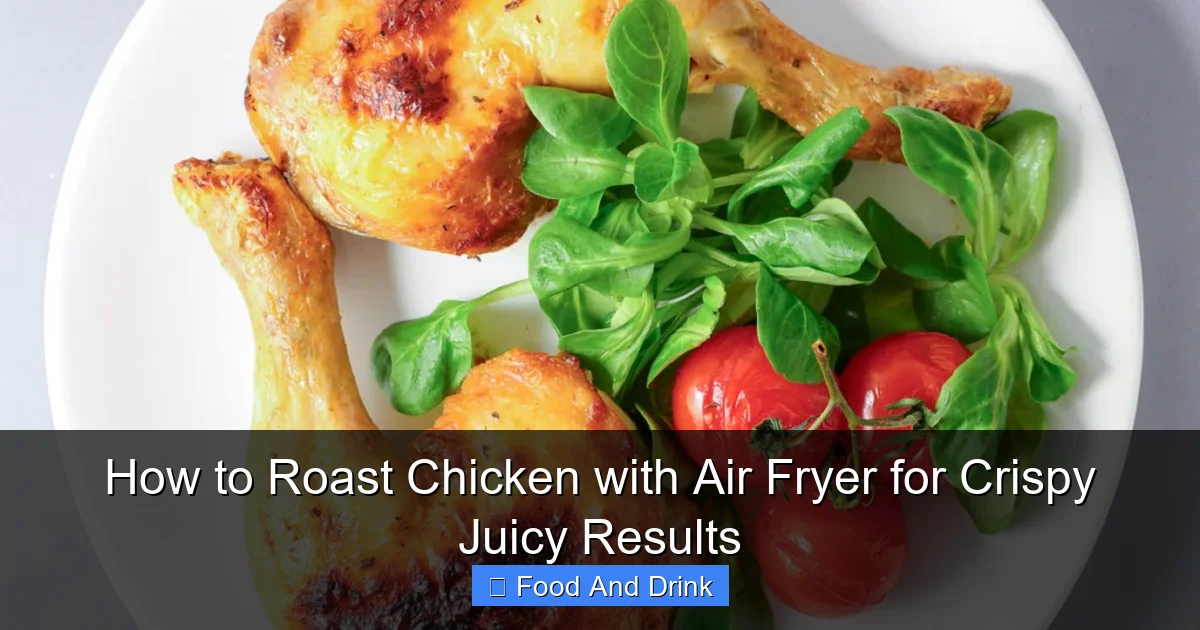
Visual guide about How to Roast Chicken with Air Fryer for Crispy Juicy Results
Image source: lovefoodnotcooking.com
Now that your chicken is prepped, it’s time to cook. Follow these steps for consistently delicious results.
Preheat the Air Fryer
Always preheat your air fryer for 3–5 minutes before adding the chicken. This ensures the cooking starts immediately and helps the skin crisp up faster. Most air fryers have a preheat function, or you can simply set it to the cooking temperature and let it run empty for a few minutes.
Arrange the Chicken Properly
Place the chicken in the basket breast-side up for whole birds. Make sure there’s enough space around it for air to circulate. If you’re cooking multiple pieces, arrange them in a single layer without overlapping. Overcrowding traps steam and leads to soggy skin.
For spatchcocked chickens, place them skin-side up in the center of the basket. This flat shape allows for even cooking and faster results.
Set the Temperature and Time
For whole chickens (3–4 pounds), cook at 360°F (182°C) for 45–50 minutes. For cut pieces like thighs or drumsticks, 375°F (190°C) for 25–30 minutes usually does the trick. Boneless breasts may need only 15–20 minutes at 360°F.
Always flip the chicken halfway through cooking. This ensures even browning and prevents one side from overcooking. Use tongs or a spatula to turn it gently, being careful not to tear the skin.
Check for Doneness
The only reliable way to know if your chicken is done is to use a meat thermometer. Insert it into the thickest part of the breast or thigh, avoiding the bone. The internal temperature should reach 165°F (74°C). If it’s not quite there, cook in 2–3 minute increments and check again.
Visual cues can be misleading. Skin can look golden and crispy while the meat underneath is still undercooked. Don’t rely on color alone.
Let It Rest
Once the chicken reaches the right temperature, remove it from the air fryer and let it rest for 5–10 minutes before carving or serving. This allows the juices to redistribute throughout the meat, keeping it moist and tender. Cover loosely with foil to keep it warm.
Flavor Variations and Marinades
One of the best things about air fryer chicken is how customizable it is. Once you’ve mastered the basics, you can experiment with different flavors and marinades to keep things interesting.
Classic Herb and Garlic
A timeless combination: olive oil, minced garlic, fresh rosemary, thyme, salt, and pepper. Rub it all over the chicken and let it marinate for at least 30 minutes (or overnight for deeper flavor).
Lemon and Herb
Bright and zesty. Combine lemon zest, lemon juice, olive oil, garlic, oregano, and a pinch of red pepper flakes. Perfect for summer meals.
Spicy Cajun
For a kick, use a Cajun seasoning blend with paprika, cayenne, garlic powder, onion powder, and black pepper. Add a little olive oil to make a paste and rub it on.
Asian-Inspired
Try a marinade of soy sauce, honey, ginger, garlic, and a splash of rice vinegar. Let the chicken soak for at least an hour before air frying.
Buttermilk Brine
For extra tenderness, brine the chicken in buttermilk with salt, pepper, and herbs for 4–12 hours. Rinse, pat dry, and season before cooking.
Troubleshooting Common Air Fryer Chicken Problems
Even with the best prep, things can go wrong. Here’s how to fix common issues.
Soggy Skin
Cause: Moisture on the skin or overcrowding.
Solution: Pat the chicken dry thoroughly and ensure proper air circulation. Avoid stacking pieces.
Dry Meat
Cause: Overcooking or using boneless breasts without brining.
Solution: Use a meat thermometer and remove the chicken as soon as it hits 165°F. Consider brining or using bone-in cuts.
Uneven Cooking
Cause: Not flipping halfway or uneven placement.
Solution: Always flip the chicken and arrange it in the center of the basket.
Smoke or Burning
Cause: Too much oil or high heat.
Solution: Use a light spray of oil and avoid temperatures above 375°F unless necessary.
Serving and Storing Air Fryer Chicken
Once your chicken is perfectly roasted, it’s time to enjoy. Serve it with roasted vegetables, mashed potatoes, or a fresh salad. Leftovers can be stored in an airtight container in the fridge for up to 4 days. Reheat in the air fryer at 350°F for 5–7 minutes to restore crispiness.
You can also shred leftover chicken for tacos, sandwiches, or soups. It stays moist and flavorful for days.
Conclusion
Learning how to roast chicken with an air fryer opens up a world of quick, delicious, and healthy meal options. With the right prep, temperature, and technique, you can achieve crispy, juicy results that rival any oven-roasted bird. Whether you’re cooking for one or feeding a crowd, the air fryer makes it easy, fast, and foolproof. So fire up your air fryer, grab a chicken, and get ready to impress your taste buds—and maybe even your dinner guests.
Frequently Asked Questions
What temperature should I cook air fryer chicken at?
Cook whole chickens at 360°F (182°C) and cut pieces at 375°F (190°C). These temperatures ensure even cooking and crispy skin without burning.
Do I need to add oil to air fryer chicken?
A light spray or brush of oil helps with browning and flavor, but it’s not required. Use a high-smoke-point oil like avocado or canola.
How do I know when air fryer chicken is done?
Use a meat thermometer. The internal temperature should reach 165°F (74°C) in the thickest part of the breast or thigh, away from the bone.
Can I cook chicken and vegetables together in the air fryer?
Yes, but cook them in batches or use a divider. Vegetables cook faster, so add them halfway through or use a lower temperature.
Why is my air fryer chicken skin not crispy?
This is usually due to moisture on the skin or overcrowding. Pat the chicken dry thoroughly and ensure proper air circulation in the basket.
Is air fryer chicken healthier than oven-roasted?
Yes, because it uses little to no oil and cooks faster, reducing fat and calorie content while maintaining flavor and texture.


