

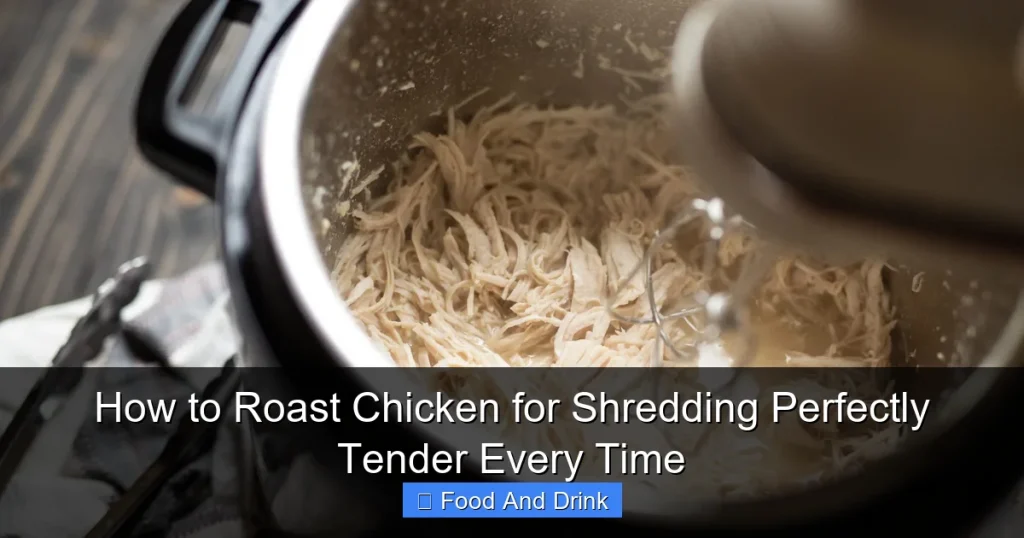

Roasting chicken for shredding doesn’t have to be complicated. With the right technique, you can achieve fall-apart tender meat that’s juicy, flavorful, and perfect for tacos, sandwiches, salads, and meal prep. This guide walks you through every step—from seasoning to resting—to ensure your chicken shreds beautifully every single time.
Key Takeaways
- Choose the right cut: Bone-in, skin-on thighs or a whole chicken yield the most tender, shreddable meat due to higher fat and collagen content.
- Season generously: Salt, pepper, garlic, herbs, and a touch of acid (like lemon or vinegar) enhance flavor and help tenderize the meat.
- Roast low and slow: Cooking at 325°F (165°C) for a longer time keeps the meat moist and prevents drying out.
- Use a meat thermometer: Pull the chicken when it reaches 165°F (74°C) internally to ensure food safety without overcooking.
- Let it rest before shredding: Resting allows juices to redistribute, resulting in more flavorful, moist shredded chicken.
- Shred while warm: Warm chicken is easier to pull apart and retains moisture better than cold meat.
- Store properly: Refrigerate for up to 4 days or freeze for up to 3 months in airtight containers for future meals.
Quick Answers to Common Questions
Can I use boneless chicken breasts for shredding?
Yes, but they’re more prone to drying out. Brine them first and roast at a lower temperature to keep them moist.
How long does shredded chicken last in the fridge?
Up to 4 days in an airtight container. Always check for odor or sliminess before eating.
Can I freeze shredded chicken?
Absolutely! Freeze in portioned bags for up to 3 months. Thaw in the fridge before reheating.
What’s the best way to reheat shredded chicken?
Gently reheat in a skillet with a splash of broth or water to restore moisture and prevent drying.
Do I have to remove the skin before roasting?
No—leave it on during cooking to keep the meat moist. You can remove it after roasting if desired.
📑 Table of Contents
- Why Roasting Is the Best Method for Shreddable Chicken
- Choosing the Right Chicken Cut for Shredding
- Seasoning for Maximum Flavor and Tenderness
- The Perfect Roasting Technique
- Resting and Shredding Like a Pro
- Storing and Using Shredded Chicken
- Common Mistakes to Avoid
- Flavor Variations and Recipe Ideas
- Conclusion
Why Roasting Is the Best Method for Shreddable Chicken
When it comes to cooking chicken that’s meant to be shredded—whether for tacos, soups, casseroles, or grain bowls—roasting is hands down the most reliable and flavorful method. Unlike boiling or poaching, which can leave chicken dry and bland, roasting caramelizes the skin, deepens the flavor, and renders fat slowly, resulting in meat that’s juicy, tender, and full of rich, savory notes.
The key to perfect shreddable chicken lies in moisture retention and even cooking. Roasting allows the chicken to cook gently in its own juices, especially when you use bone-in, skin-on cuts like thighs or a whole bird. The bones conduct heat evenly, while the skin protects the meat from drying out. Plus, the Maillard reaction—the browning that happens when proteins and sugars react under heat—adds a depth of flavor you just can’t get from other cooking methods.
Many people make the mistake of overcooking chicken when they’re aiming for shreddable texture, thinking “the more cooked, the easier to shred.” But that’s a myth. Overcooked chicken becomes stringy, dry, and tough—exactly the opposite of what you want. Instead, the goal is to cook the chicken just until it’s safe to eat (165°F internally), then let it rest so the fibers relax and the juices settle. That’s when the magic happens: the meat becomes so tender it practically falls apart when you touch it.
Whether you’re using a whole chicken, chicken thighs, or even drumsticks, roasting gives you control over texture and flavor. And once you master the basics, you can easily adapt the method to suit your taste—adding herbs, spices, citrus, or even a splash of broth to the roasting pan for extra moisture and aroma.
Choosing the Right Chicken Cut for Shredding
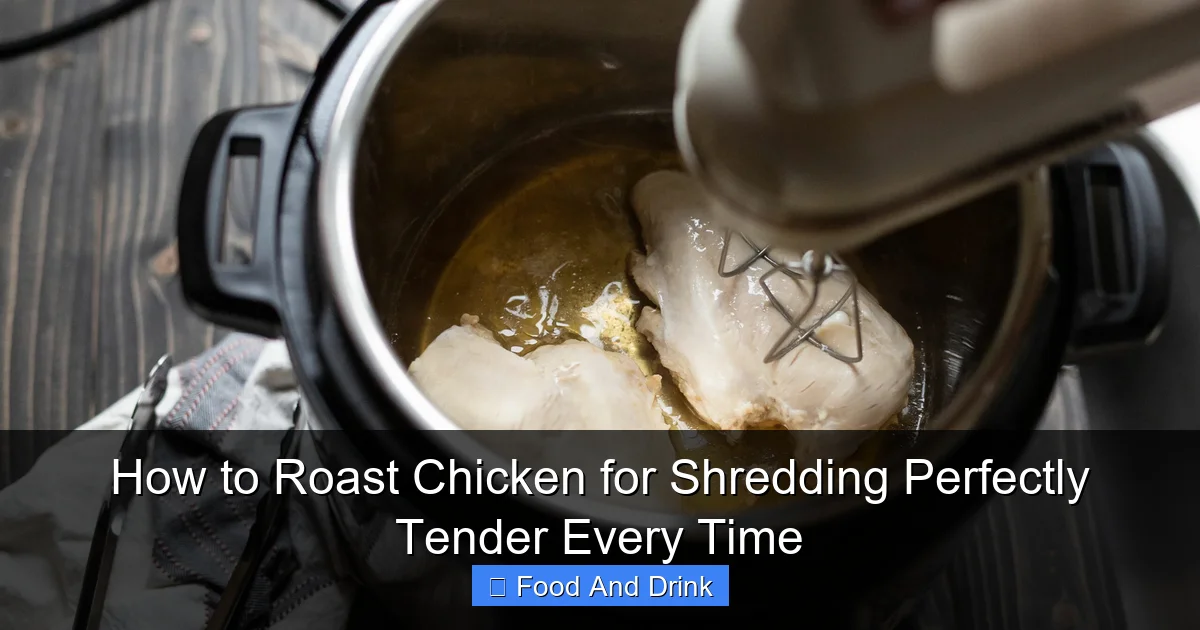
Visual guide about How to Roast Chicken for Shredding Perfectly Tender Every Time
Image source: emilysfreshkitchen.com
Not all chicken cuts are created equal when it comes to shredding. While boneless, skinless breasts are popular for their lean protein, they’re actually the worst choice for shredding because they dry out quickly and lack the fat and connective tissue needed for that melt-in-your-mouth texture.
Instead, opt for bone-in, skin-on chicken thighs. These are your best bet for tender, juicy, shreddable meat. Thighs have a higher fat content and more collagen than breasts, which breaks down during roasting into gelatin—giving the meat a rich, succulent mouthfeel. Plus, the bone helps conduct heat evenly, preventing hot spots and ensuring the meat cooks through without drying out.
If you prefer white meat, consider using a whole chicken and focusing on the breast and wing meat. While breast meat can be leaner, when roasted properly with the skin on and allowed to rest, it can still yield tender, shreddable results—especially if you baste it or add moisture to the pan.
Drumsticks are another excellent option. They’re dark meat, so they’re naturally more forgiving and stay moist even if slightly overcooked. And because they’re smaller, they roast quickly and evenly, making them ideal for weeknight meals.
Avoid boneless, skinless breasts unless you’re in a pinch. If you must use them, brine them first (see next section) and roast them at a lower temperature to minimize moisture loss. But for truly perfect shredding, stick with thighs or a whole bird.
Bone-In vs. Boneless: What’s the Difference?
Bone-in chicken takes longer to cook, but it’s worth the wait. The bone acts as an insulator, slowing down the cooking process and helping the meat retain moisture. It also adds flavor—bones contain marrow and connective tissue that infuse the meat with richness as it roasts.
Boneless cuts cook faster but are more prone to drying out. Without the protective layer of skin and the moisture-retaining bone, the meat can become tough and stringy, especially if overcooked.
For shredding, bone-in is almost always the better choice. The extra time is minimal, and the payoff in texture and flavor is huge.
Skin-On vs. Skin-Off: Why Skin Matters
Leaving the skin on during roasting is crucial for juicy, shreddable chicken. The skin acts like a natural barrier, trapping steam and fat beneath it. As it renders, the fat bastes the meat from above, keeping it moist and flavorful.
Even if you plan to remove the skin before serving (to reduce calories or fat), leave it on during cooking. You can always peel it off after roasting—just be sure to save the rendered fat! It’s liquid gold for sautéing vegetables, making gravy, or adding richness to soups.
Seasoning for Maximum Flavor and Tenderness
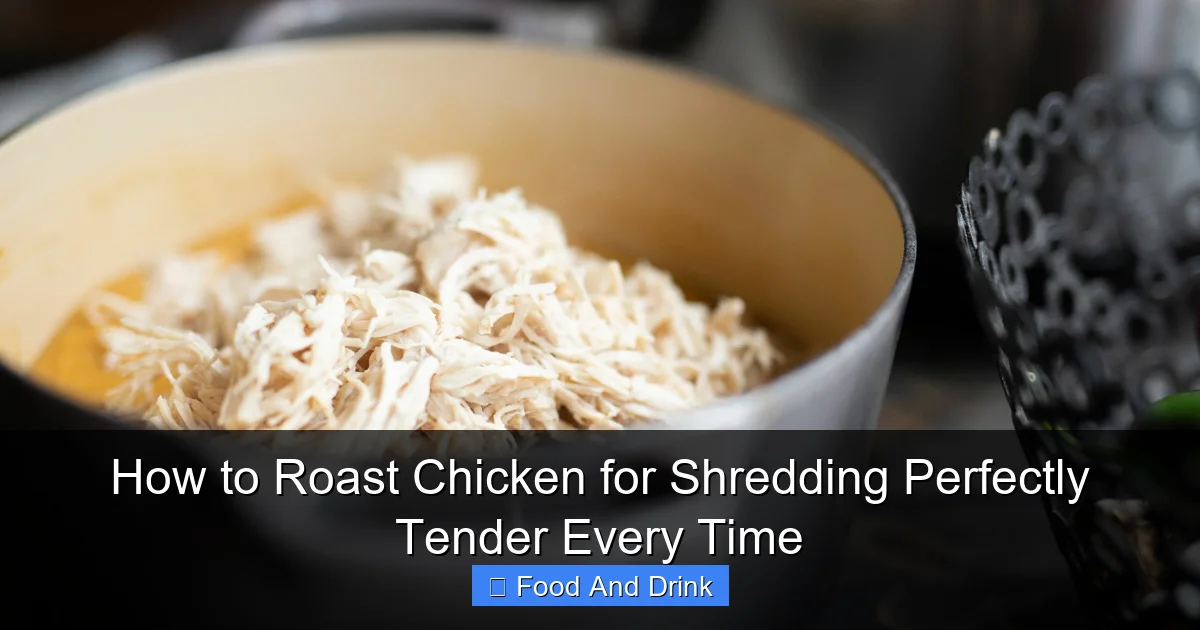
Visual guide about How to Roast Chicken for Shredding Perfectly Tender Every Time
Image source: emilysfreshkitchen.com
Great shredded chicken starts with great seasoning. But it’s not just about salt and pepper—thoughtful seasoning can enhance flavor, tenderize the meat, and even help retain moisture.
Start with salt. Salt does more than just add flavor—it penetrates the meat, breaking down proteins and helping the chicken retain water during cooking. For best results, season your chicken at least 30 minutes before roasting (or up to 24 hours ahead). This is called dry brining, and it’s a game-changer for juicy, flavorful meat.
Use about 1 teaspoon of kosher salt per pound of chicken. If you’re using table salt, reduce the amount by half, as it’s more concentrated.
Next, add acid. A splash of lemon juice, vinegar, or even a marinade with yogurt or buttermilk can help tenderize the meat. Acid weakens muscle fibers, making the chicken more tender and easier to shred. Just don’t overdo it—too much acid can make the meat mushy.
Then, layer in aromatics and herbs. Garlic, onion powder, smoked paprika, thyme, rosemary, and black pepper all add depth. Fresh herbs like rosemary and thyme can be tucked under the skin or sprinkled over the top for a fragrant infusion.
For a quick flavor boost, try a dry rub. Mix equal parts garlic powder, onion powder, smoked paprika, salt, and black pepper. Rub it all over the chicken, making sure to get under the skin if possible. This creates a flavorful crust and seasons the meat from the inside out.
Brining: The Secret to Ultra-Juicy Chicken
If you really want to elevate your shredded chicken, try brining. A simple saltwater brine (4 cups water, ¼ cup salt, optional sugar and aromatics) helps the chicken absorb moisture and stay juicy during roasting.
Submerge your chicken in the brine for 1–2 hours (for thighs or drumsticks) or up to 4 hours for a whole chicken. Don’t go longer—over-brining can make the meat too salty and spongy.
After brining, rinse the chicken and pat it dry. The skin won’t crisp up as well if it’s wet, so drying is essential.
Marinades: Flavor in a Jar
Marinades are another great way to add flavor and tenderness. A basic marinade might include olive oil, lemon juice, garlic, herbs, and a touch of honey or mustard for balance.
Marinate chicken for at least 30 minutes, or up to 24 hours in the fridge. The longer it marinates, the more flavor it absorbs—but don’t exceed 24 hours, as the acid can start to break down the meat too much.
Always discard used marinade unless you boil it first to kill bacteria. Never reuse it as a sauce unless it’s been cooked.
The Perfect Roasting Technique
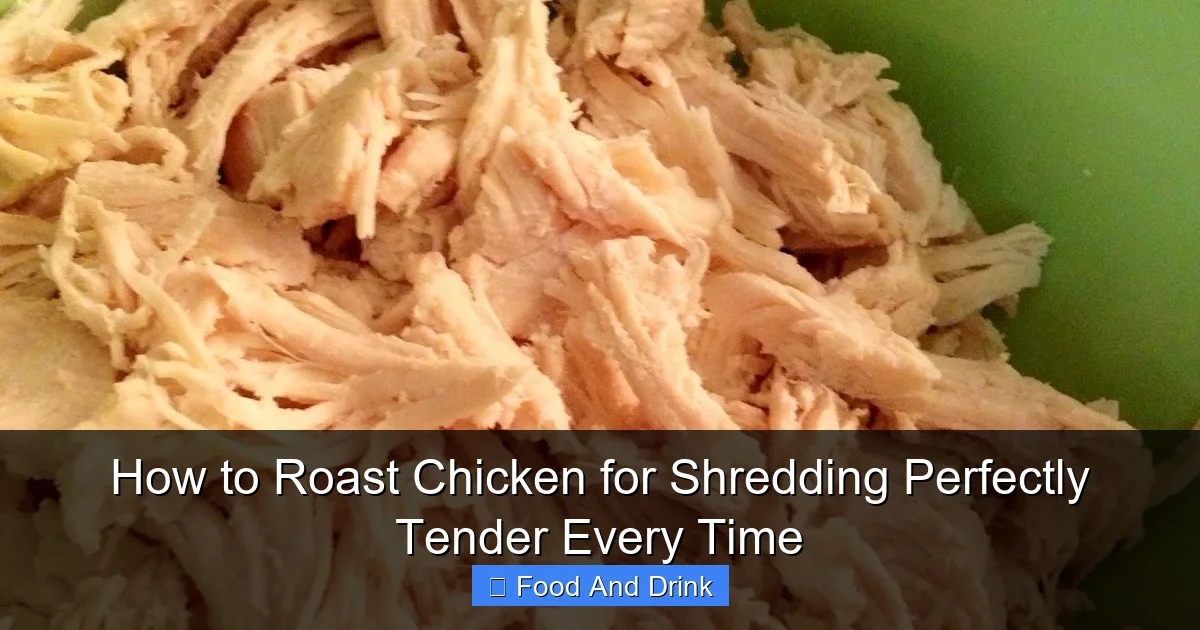
Visual guide about How to Roast Chicken for Shredding Perfectly Tender Every Time
Image source: 1.bp.blogspot.com
Now that your chicken is seasoned and ready, it’s time to roast. The goal is even, gentle cooking that renders fat, crisps the skin, and keeps the meat moist.
Oven Temperature: Low and Slow Wins
Roast your chicken at 325°F (165°C). This lower temperature allows the meat to cook evenly without drying out. Higher temperatures (like 400°F+) can cause the outside to brown too quickly while the inside remains undercooked—or worse, dry out before it’s fully done.
If you’re short on time, you can increase the temperature to 375°F (190°C), but keep a close eye on the internal temperature and consider covering the chicken with foil if the skin starts to brown too fast.
Roasting Pan Setup
Use a heavy-duty roasting pan or a baking dish that fits your chicken snugly. Line it with foil or parchment for easy cleanup.
Place the chicken skin-side up on a roasting rack set inside the pan. The rack elevates the chicken, allowing hot air to circulate underneath and preventing the bottom from steaming in its own juices. If you don’t have a rack, you can place the chicken directly in the pan, but be sure to flip it halfway through cooking to ensure even browning.
Add a splash of liquid to the bottom of the pan—about ½ cup of chicken broth, water, or wine. This creates steam, keeps the oven humid, and prevents the drippings from burning. It also makes a delicious pan sauce later.
Cooking Time and Doneness
Cooking time depends on the cut and size of your chicken:
– Bone-in thighs: 45–60 minutes
– Drumsticks: 50–65 minutes
– Whole chicken (3–4 lbs): 1.5–2 hours
But time is only a guideline. The real test is internal temperature.
Use a meat thermometer to check doneness. Insert it into the thickest part of the meat, avoiding the bone. The chicken is safe to eat at 165°F (74°C). For shreddable texture, aim for 165–170°F. Going higher risks drying out the meat.
If the skin isn’t as crispy as you’d like, turn on the broiler for the last 2–3 minutes. Watch closely—it can burn quickly.
Basting: Yes or No?
Basting—spooning pan juices over the chicken during roasting—can add moisture and flavor, but it’s not essential. Every time you open the oven door, you lose heat, which can延长 cooking time and affect texture.
If you do baste, do it sparingly—once or twice during cooking—and use a brush or spoon to coat the skin. Avoid opening the oven too often.
Resting and Shredding Like a Pro
This is the step most people skip—and it’s the most important one.
Why Resting Matters
When chicken cooks, its juices are pushed toward the center. If you shred it immediately, those juices spill out, leaving the meat dry.
Resting allows the fibers to relax and the juices to redistribute. For bone-in cuts, rest for 10–15 minutes. For a whole chicken, give it 20–30 minutes under a loose foil tent.
During this time, the internal temperature may rise another 5°F—so you can actually pull the chicken at 160°F and let it coast to 165°F while resting.
How to Shred Chicken Efficiently
Once rested, it’s time to shred. Warm chicken is easier to pull apart and retains more moisture.
For thighs or drumsticks:
– Use two forks to pull the meat away from the bone.
– Discard the bone and any large pieces of skin (if desired).
– Tear the meat into bite-sized pieces.
For a whole chicken:
– Remove the legs and wings first.
– Pull the breast meat away from the carcass.
– Use your hands or forks to shred the meat.
Pro tip: Wear food-safe gloves if you prefer not to get your hands messy. They also give you better grip on slippery meat.
Tools to Make Shredding Easier
– Two forks: Classic and effective.
– Stand mixer: Place cooked chicken in the bowl of a stand mixer with the paddle attachment. Mix on low for 30–60 seconds until shredded. Fast and hands-free!
– Food processor: Pulse in short bursts to avoid over-processing into mush.
Storing and Using Shredded Chicken
Shredded chicken is incredibly versatile. Use it in tacos, enchiladas, salads, soups, sandwiches, or grain bowls. But to keep it fresh and safe, proper storage is key.
Refrigeration
Store shredded chicken in an airtight container in the fridge for up to 4 days. Label the container with the date so you know when to use it.
Freezing
Shredded chicken freezes beautifully. Portion it into freezer-safe bags or containers, removing as much air as possible. It will keep for up to 3 months.
To thaw, place in the fridge overnight or use the defrost setting on your microwave. Reheat gently in a skillet with a splash of broth or water to restore moisture.
Reheating Tips
– Stovetop: Sauté in a pan with a little oil or broth over medium heat until warmed through.
– Microwave: Place in a microwave-safe dish, cover, and heat in 30-second intervals, stirring in between.
– Oven: Spread on a baking sheet, cover with foil, and warm at 300°F for 10–15 minutes.
Avoid high heat, which can dry out the meat.
Common Mistakes to Avoid
Even experienced cooks make these errors when roasting chicken for shredding:
– Overcooking: Pull the chicken at 165°F, not higher. Use a thermometer.
– Skipping the rest: Always rest before shredding.
– Using boneless breasts: They dry out too easily. Choose bone-in thighs instead.
– Not seasoning in advance: Salt the chicken at least 30 minutes before roasting.
– Ignoring the pan juices: Save them! They make a great base for gravy or sauce.
Flavor Variations and Recipe Ideas
Once you’ve mastered the basics, experiment with flavors:
– Mexican-inspired: Add cumin, chili powder, and lime juice. Perfect for tacos.
– Herb-roasted: Use rosemary, thyme, and garlic. Great in pasta or salads.
– Asian-style: Marinate in soy sauce, ginger, and sesame oil. Serve over rice.
– BBQ shredded chicken: Toss with your favorite BBQ sauce and serve on buns.
The possibilities are endless!
Conclusion
Roasting chicken for shredding doesn’t have to be complicated. With the right cut, proper seasoning, gentle roasting, and a little patience during resting, you can achieve perfectly tender, juicy, flavorful shredded chicken every time. Whether you’re meal prepping for the week or whipping up tacos for dinner, this method delivers consistent, delicious results. So fire up your oven, grab your thermometer, and get ready to enjoy the most versatile protein in your kitchen.
Frequently Asked Questions
What temperature should I roast chicken for shredding?
Roast at 325°F (165°C) for even, gentle cooking that keeps the meat moist and tender. This lower temperature prevents drying out.
How do I know when the chicken is done?
Use a meat thermometer. The internal temperature should reach 165°F (74°C) in the thickest part, avoiding the bone.
Can I shred chicken cold?
It’s easier and more flavorful to shred while warm. Cold chicken is tougher and loses moisture.
Why is my shredded chicken dry?
It’s likely overcooked or not rested properly. Always rest for 10–15 minutes before shredding to retain juices.
Can I use a slow cooker instead of the oven?
Yes, but roasting gives better texture and flavor. Slow cookers can make chicken too soft or mushy for some dishes.
What’s the best cut for shreddable chicken?
Bone-in, skin-on thighs are ideal. They have more fat and collagen, which break down into tender, juicy meat when roasted.


