
Storing cooked chicken properly is essential for food safety and quality. This guide walks you through the best practices for cooling, packaging, and refrigerating cooked chicken to keep it fresh, flavorful, and safe to eat for up to four days.
Key Takeaways
- Cool cooked chicken quickly: Never leave it at room temperature for more than 2 hours (1 hour if above 90°F) to avoid bacterial growth.
- Use airtight containers or sealed bags: This prevents contamination and keeps moisture in, preserving texture and flavor.
- Store on upper fridge shelves: This avoids cross-contamination from raw foods stored below and ensures even cooling.
- Label and date your containers: Helps you track freshness and use chicken within the safe 3–4 day window.
- Reheat to 165°F (74°C): Always reheat thoroughly to kill any potential bacteria and ensure food safety.
- Avoid overpacking the fridge: Proper air circulation keeps temperatures consistent and prevents hot spots.
- Freeze for longer storage: If not eating within 4 days, freeze cooked chicken for up to 4 months for best quality.
Quick Answers to Common Questions
Can I put hot cooked chicken directly in the fridge?
No, you should never put hot chicken directly in the fridge. Let it cool to room temperature first—within 2 hours—to avoid raising the fridge’s internal temperature and slowing the cooling process.
How long can cooked chicken sit out before refrigerating?
Cooked chicken should not sit out for more than 2 hours at room temperature. If the room is above 90°F, reduce that time to 1 hour to prevent bacterial growth.
Can I freeze cooked chicken after refrigerating it?
Yes, you can freeze cooked chicken even after it’s been refrigerated. Just make sure it’s within the 3–4 day window and transfer it to a freezer-safe container or bag.
Is it safe to eat cooked chicken that’s been in the fridge for 5 days?
No, it’s not recommended. Cooked chicken should be eaten within 3–4 days for safety and quality. After that, the risk of spoilage increases.
Can I reheat cooked chicken more than once?
It’s best to avoid reheating chicken more than once. Each cooling and reheating cycle increases the risk of bacterial growth. Reheat only the portion you plan to eat.
📑 Table of Contents
- Why Proper Storage of Cooked Chicken Matters
- Step 1: Cool the Chicken Properly Before Refrigerating
- Step 2: Choose the Right Storage Containers
- Step 3: Store in the Right Part of the Fridge
- Step 4: Know How Long Cooked Chicken Lasts in the Fridge
- Step 5: Reheat Cooked Chicken Safely
- Common Mistakes to Avoid
- Tips for Meal Prepping with Cooked Chicken
- Conclusion
Why Proper Storage of Cooked Chicken Matters
Cooked chicken is one of the most versatile and beloved proteins in home kitchens. Whether it’s roasted, grilled, shredded, or boiled, it’s a go-to for salads, sandwiches, casseroles, and weeknight dinners. But here’s the thing—while cooking chicken kills harmful bacteria like Salmonella and Campylobacter, improper storage can bring new risks. That’s why knowing how to put cooked chicken in the fridge safely isn’t just a good idea—it’s essential for your health.
When chicken sits out too long after cooking, bacteria can start to grow rapidly, especially in the “danger zone” between 40°F and 140°F (4°C and 60°C). Even if it smells and looks fine, it could still be unsafe to eat. The good news? With a few simple steps, you can keep your cooked chicken fresh, tasty, and safe for several days. This guide will walk you through every step—from cooling to packaging to reheating—so you can store your chicken with confidence.
Step 1: Cool the Chicken Properly Before Refrigerating
Visual guide about How to Put Cooked Chicken in the Fridge Safely
Image source: blogchef.net
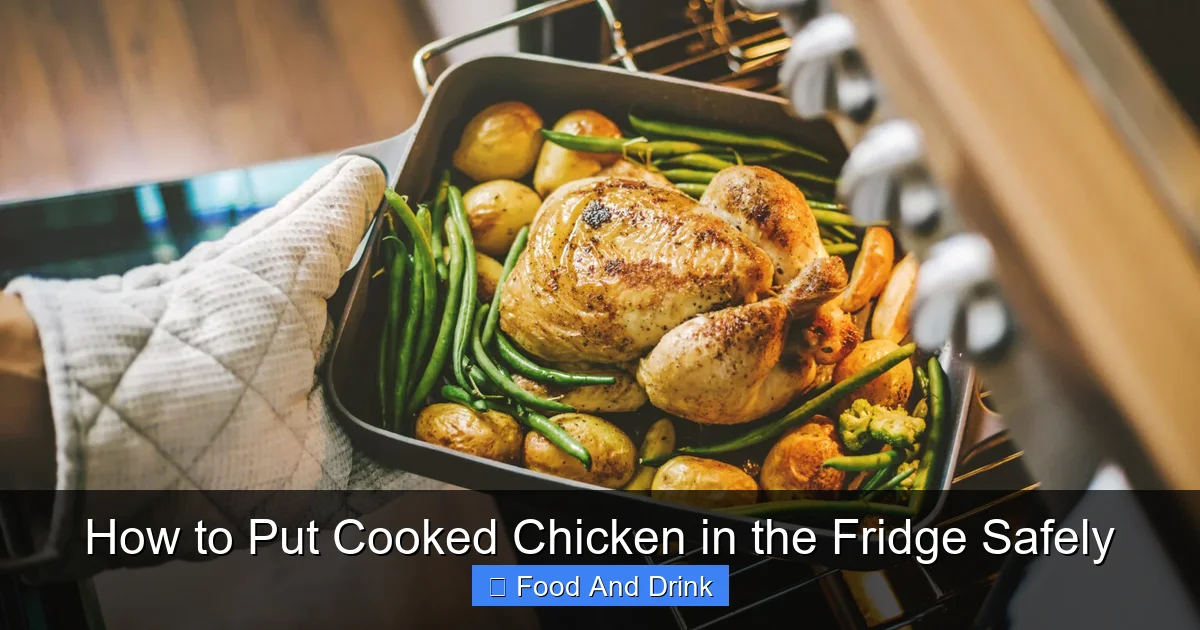
One of the most common mistakes people make is putting hot or warm chicken directly into the fridge. While it might seem efficient, this can actually raise the internal temperature of your refrigerator, putting other foods at risk. More importantly, it doesn’t allow the chicken to cool quickly enough to avoid the danger zone.
Why Cooling Matters
Bacteria multiply fastest between 40°F and 140°F. If cooked chicken stays in this range for more than two hours (or one hour in hot weather), it becomes a breeding ground for pathogens. The goal is to get the chicken out of this zone as quickly as possible—ideally within 90 minutes of cooking.
How to Cool Cooked Chicken Safely
Start by removing the chicken from the heat source and letting it rest for about 10–15 minutes. This allows the internal temperature to stabilize and makes it easier to handle. Then, cut large pieces—like a whole roasted chicken—into smaller portions. Smaller pieces cool faster and more evenly.
Place the chicken in a shallow container or on a baking sheet. This increases the surface area, helping heat escape more quickly. You can also speed up the process by placing the container in an ice bath—just fill a larger bowl with ice water and set the chicken container inside. Stir or flip the pieces occasionally to ensure even cooling.
Never leave cooked chicken on the counter to cool for more than two hours. If you’re in a hurry, use the ice bath method or divide the chicken into multiple small containers to speed up cooling.
Step 2: Choose the Right Storage Containers
Visual guide about How to Put Cooked Chicken in the Fridge Safely
Image source: laurafuentes.com
Once your chicken has cooled to room temperature (or close to it), it’s time to pack it for the fridge. The container you choose plays a big role in how long your chicken stays fresh and safe.
Airtight Containers Are a Must
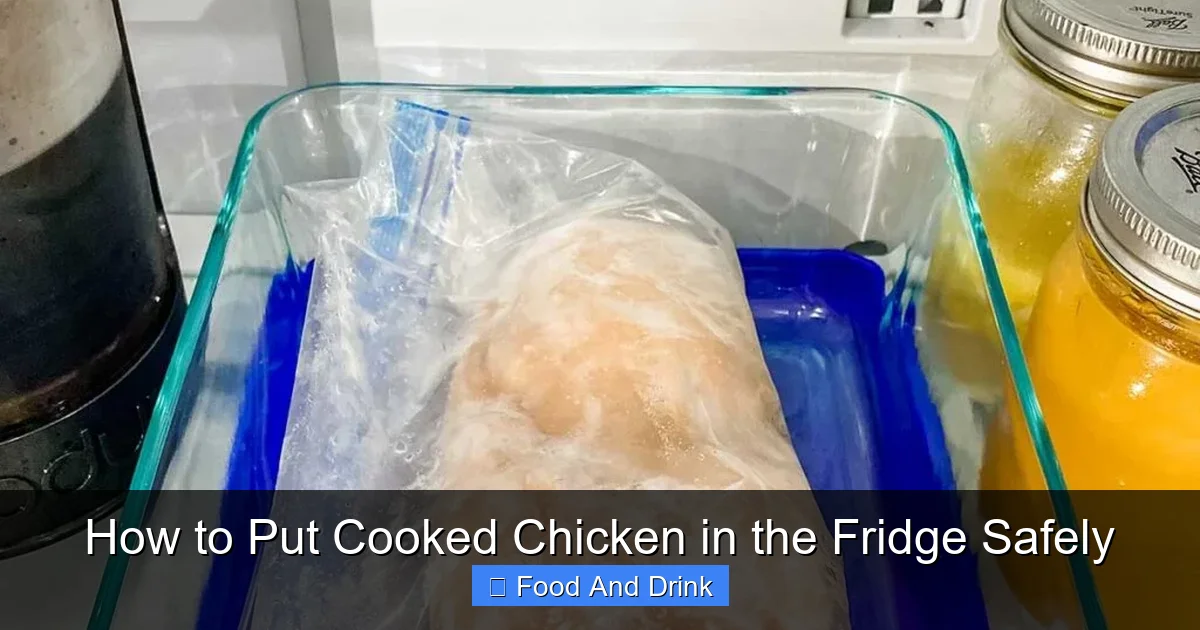
Use airtight containers made of glass, BPA-free plastic, or food-grade silicone. These prevent air and moisture from getting in, which helps maintain texture and prevents the chicken from drying out. They also stop strong odors from other foods in the fridge from seeping into your chicken.
If you don’t have airtight containers, heavy-duty resealable freezer bags work well too. Just squeeze out as much air as possible before sealing. For shredded or diced chicken, portion it into smaller bags so you can thaw only what you need later.
Avoid Overfilling Containers
Leave a little space at the top of the container to allow for air circulation and to prevent spills when you open it. Overfilling can also trap heat, slowing down the cooling process inside the fridge.
Label and Date Everything
It’s easy to forget when you cooked that chicken—especially if you prep meals in bulk. Use a permanent marker or a label to write the date on each container. This helps you follow the “first in, first out” rule and ensures you use the oldest chicken first.
Step 3: Store in the Right Part of the Fridge
Visual guide about How to Put Cooked Chicken in the Fridge Safely
Image source: practicalcooks.com
Where you place your cooked chicken in the refrigerator matters more than you might think. The fridge isn’t one uniform temperature—different zones have different levels of coldness and airflow.
Upper Shelves Are Ideal
Store cooked chicken on the upper or middle shelves of your fridge. These areas are typically the coldest and most consistent in temperature. They’re also farthest from the door, which experiences temperature fluctuations every time you open it.
Avoid storing chicken on the door shelves. The frequent temperature changes can cause spoilage faster. Also, keep cooked chicken away from raw meats, especially raw poultry, which should always be stored on the bottom shelf to prevent drips and cross-contamination.
Maintain Proper Fridge Temperature
Your refrigerator should be set to 40°F (4°C) or below. Use a fridge thermometer to check the temperature regularly, especially if you’ve had power outages or moved the appliance. A properly cooled fridge ensures that your cooked chicken stays safe and fresh.
Don’t Overcrowd the Fridge
Packing your fridge too tightly restricts airflow, which can create warm spots. Make sure there’s enough space around containers for cold air to circulate. This helps maintain a consistent temperature and prevents your chicken from spoiling prematurely.
Step 4: Know How Long Cooked Chicken Lasts in the Fridge
Even when stored correctly, cooked chicken doesn’t last forever. Knowing how long it’s safe to eat helps you avoid food waste and illness.
General Shelf Life Guidelines
Properly stored cooked chicken will stay safe and high-quality in the fridge for 3 to 4 days. After that, the risk of bacterial growth increases, and the texture and flavor may start to decline.
This timeline applies whether the chicken is whole, sliced, shredded, or in a dish like chicken salad or casserole. However, mixed dishes with mayonnaise, dairy, or other perishable ingredients may spoil faster—usually within 3 days.
Signs of Spoilage to Watch For
Even within the 3–4 day window, always check your chicken before eating. Look for:
– A slimy or sticky texture
– An off smell (sour, ammonia-like, or unpleasant)
– Discoloration (grayish or greenish hues)
– Mold growth
If you notice any of these signs, throw the chicken out—even if it’s only been a day or two. When in doubt, it’s better to be safe than sorry.
Freezing for Longer Storage
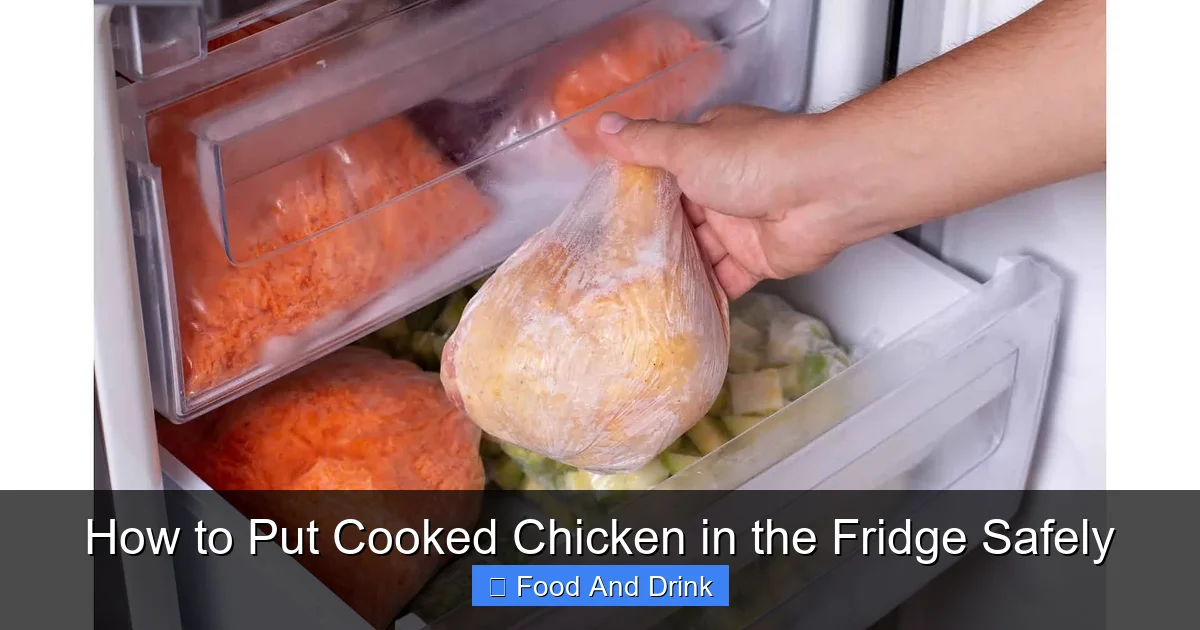
If you won’t eat the chicken within 4 days, freeze it. Frozen cooked chicken can last up to 4 months while maintaining good quality. Use freezer-safe containers or heavy-duty bags, and remove as much air as possible to prevent freezer burn.
Label frozen chicken with the date and contents. When ready to use, thaw it in the fridge overnight—never at room temperature. Once thawed, use it within 1–2 days.
Step 5: Reheat Cooked Chicken Safely
Reheating is the final step in the storage process, and it’s just as important as the others. Improper reheating can leave harmful bacteria alive, even if the chicken was stored correctly.
Reheat to 165°F (74°C)
The USDA recommends reheating all cooked poultry to an internal temperature of 165°F (74°C). Use a food thermometer to check the temperature in the thickest part of the meat. This ensures that any bacteria that may have developed during storage are killed.
Best Methods for Reheating
– Oven: Preheat to 350°F (175°C). Place chicken in a baking dish, cover with foil, and heat for 20–30 minutes, depending on size. Add a splash of broth or water to keep it moist.
– Stovetop: Heat in a skillet over medium heat with a little oil or broth. Stir occasionally until heated through.
– Microwave: Place chicken in a microwave-safe dish, cover with a damp paper towel, and heat in 30-second intervals, stirring in between. This prevents drying out.
– Air Fryer: Great for crispy textures. Reheat at 350°F for 5–8 minutes, flipping halfway.
Avoid reheating chicken more than once. Each time you cool and reheat, you increase the risk of bacterial growth. If you have leftovers after reheating, eat them within 2 days.
Common Mistakes to Avoid
Even experienced cooks can make errors when storing cooked chicken. Here are some common pitfalls and how to avoid them.
Leaving Chicken Out Too Long
This is the number one mistake. Never let cooked chicken sit at room temperature for more than 2 hours. In hot weather (above 90°F), cut that time to 1 hour. Bacteria grow rapidly in warm environments, so act fast.
Using Improper Containers
Plastic wrap or aluminum foil alone aren’t enough. They don’t provide a tight seal and can allow air and bacteria in. Always use airtight containers or sealed bags.
Storing Hot Chicken Directly in the Fridge
As mentioned earlier, this can raise the fridge’s internal temperature and slow cooling. Always cool chicken to room temperature first—but don’t leave it out too long.
Ignoring Expiration Dates
Just because chicken looks and smells fine doesn’t mean it’s safe. Always follow the 3–4 day rule and trust your labels. When in doubt, throw it out.
Cross-Contamination
Use clean utensils and containers when handling cooked chicken. Never place cooked chicken on a plate that previously held raw chicken without washing it first.
Tips for Meal Prepping with Cooked Chicken
Cooked chicken is a meal prep staple. Whether you’re making salads, wraps, or grain bowls, proper storage ensures your prepped meals stay fresh and safe.
Cook in Batches
Roast or grill a large batch of chicken on Sunday and use it throughout the week. Portion it into single servings before refrigerating. This makes it easy to grab and go.
Pair with Non-Perishable Ingredients
When prepping meals, pair chicken with ingredients that last longer, like rice, quinoa, or roasted vegetables. Avoid adding dairy, mayo, or fresh herbs until you’re ready to eat.
Use Clear Containers
Transparent containers let you see what’s inside without opening them, reducing temperature fluctuations. Stackable containers also save space.
Rotate Your Stock
If you prep meals weekly, rotate your containers so the oldest chicken gets used first. This prevents waste and ensures freshness.
Conclusion
Knowing how to put cooked chicken in the fridge safely is a simple but powerful skill that protects your health and reduces food waste. By cooling it quickly, using airtight containers, storing it in the right spot, and reheating it properly, you can enjoy delicious, safe chicken for days after cooking.
Remember: food safety starts the moment your chicken comes off the heat. Don’t let careless storage undo all your hard work in the kitchen. With these tips, you’ll keep your meals tasty, your family healthy, and your fridge organized.
Whether you’re a busy parent, a meal prep pro, or just someone who loves leftovers, proper chicken storage is a game-changer. So next time you cook a batch of chicken, take those extra few minutes to store it right. Your future self—and your taste buds—will thank you.
Frequently Asked Questions
How do I know if cooked chicken has gone bad?
Check for a slimy texture, off smell (sour or ammonia-like), discoloration, or mold. If any of these are present, discard the chicken immediately, even if it’s within the 3–4 day window.
Can I store cooked chicken in the same container as raw chicken?
No, never store cooked and raw chicken together. Always use separate, clean containers to prevent cross-contamination and foodborne illness.
What’s the best way to cool a whole roasted chicken?
Let it rest for 10–15 minutes, then carve it into smaller pieces. Place the pieces in a shallow container or on a baking sheet to cool faster. Use an ice bath if needed.
Can I store chicken soup or stew in the fridge?
Yes, chicken-based soups and stews can be refrigerated for 3–4 days. Cool them quickly, store in airtight containers, and reheat to 165°F before eating.
Should I cover cooked chicken before refrigerating?
Yes, always cover cooked chicken with a lid, plastic wrap, or aluminum foil—or store it in an airtight container. This prevents contamination and keeps it moist.
Is it safe to eat cold cooked chicken?
Yes, cooked chicken is safe to eat cold as long as it’s been stored properly and is within the 3–4 day window. It’s great in salads, sandwiches, or wraps.