Roasting a juicy, golden chicken shouldn’t come with a side of smoke alarms. This guide reveals simple, effective strategies to prevent roast chicken from smoking while cooking—so you can enjoy a delicious meal without the kitchen chaos.
Key Takeaways
- Use a roasting pan with a rack: Elevating the chicken allows fat to drip away, reducing flare-ups and smoke.
- Trim excess fat and skin: Removing loose skin and visible fat minimizes dripping and smoke production.
- Choose the right oil with a high smoke point: Oils like avocado or refined olive oil handle high heat better than butter or extra virgin olive oil.
- Preheat your oven properly: A consistent temperature prevents sudden fat splattering and smoke buildup.
- Line the pan with foil or use a drip pan: This catches drippings and makes cleanup easier while reducing smoke.
- Avoid overcrowding the oven: Proper airflow ensures even cooking and less moisture-induced smoke.
- Monitor internal temperature: Use a meat thermometer to avoid overcooking, which can dry out the bird and increase smoke from burnt bits.
Quick Answers to Common Questions
Why does my roast chicken smoke in the oven?
Roast chicken smokes when fat and juices drip onto the hot oven floor or heating element and burn. This is common with skin-on chickens and can be worsened by using low-smoke-point oils or a dirty oven.
Can I roast chicken at high heat without smoke?
Yes, but you need to use a roasting rack, trim excess fat, and choose oils with high smoke points like avocado or refined olive oil. Also, ensure your oven is clean and preheated.
Is it safe to roast chicken if the oven is smoking?
Light smoke is common, but heavy smoke can indicate burning fats or a dirty oven. Turn off the oven, open windows, and check for burnt drippings. Clean the oven regularly to prevent this.
Should I cover my chicken while roasting to prevent smoke?
Covering reduces smoke by trapping moisture and preventing drippings, but it won’t give you crispy skin. Uncover during the last 20 minutes if you want crispiness.
What’s the best oil to use for roasting chicken?
Avocado oil and refined olive oil are best due to their high smoke points. Avoid butter or extra virgin olive oil unless used sparingly or clarified.
📑 Table of Contents
- Why Does Roast Chicken Smoke in the Oven?
- Choosing the Right Equipment to Minimize Smoke
- Preparing the Chicken to Reduce Smoke
- Selecting the Right Oils and Fats
- Mastering Oven Temperature and Technique
- Cleaning and Maintaining Your Oven
- Alternative Roasting Methods to Reduce Smoke
- Monitoring and Finishing the Chicken
- Conclusion
Why Does Roast Chicken Smoke in the Oven?
You’ve probably been there: you pop a beautiful whole chicken into the oven, excited for that crispy skin and tender meat, only to hear the smoke alarm go off 20 minutes later. It’s frustrating, alarming, and can ruin the mood—not to mention the meal. But why does roast chicken smoke in the first place?
The main culprit is fat. As the chicken roasts, its natural fats and juices melt and drip onto the hot oven floor or heating element. When these drippings hit temperatures above their smoke point—usually around 375°F to 450°F—they begin to burn and produce smoke. This is especially common with skin-on, bone-in chickens, which have more fat than boneless cuts. Additionally, if you’ve basted the chicken with butter, oil, or marinades containing sugar or dairy, those ingredients can also contribute to smoke when they caramelize or burn.
Another factor is oven cleanliness. Built-up grease or food residue on the oven walls or floor can ignite when exposed to high heat, adding to the smoke. Even the type of pan you use matters. Dark, non-stick, or heavily seasoned pans can retain more heat and increase the risk of burning drippings. Understanding these causes is the first step toward preventing smoke and enjoying a perfectly roasted chicken every time.
Choosing the Right Equipment to Minimize Smoke
The tools you use play a huge role in whether your roast chicken stays smoke-free. Starting with the right roasting pan can make all the difference. A high-quality roasting pan with a removable rack is ideal because it elevates the chicken above the drippings. This simple setup allows fat to collect in the bottom of the pan instead of pooling around the bird, which reduces the chance of flare-ups and smoke.

Visual guide about How to prevent roast chicken from smoking while cooking
Image source: grillingsmokingliving.com
Use a Roasting Rack
A roasting rack is essential. It keeps the chicken suspended, ensuring even heat circulation and preventing the bottom from steaming in its own juices. Look for a sturdy, non-reactive rack made of stainless steel or chrome-plated metal. Avoid flimsy racks that can warp under the weight of a full chicken. If you don’t have a rack, you can improvise by placing chopped vegetables like onions, carrots, or celery in the pan to act as a makeshift stand. Just make sure they’re not too tall—they shouldn’t touch the chicken’s skin.
Opt for Light-Colored or Non-Stick Pans
Dark pans absorb more heat and can cause drippings to burn faster. Light-colored aluminum or stainless steel pans reflect heat more evenly and are less likely to scorch. Non-stick pans are also a good option, as they reduce the chance of drippings sticking and burning. However, avoid using non-stick pans at very high temperatures (above 450°F), as the coating can degrade and release fumes.
Consider a Drip Pan or Foil Lining
For extra protection, line the bottom of your roasting pan with aluminum foil. This creates a barrier between the drippings and the pan, making cleanup easier and reducing smoke. You can also place a separate drip pan filled with water or wine beneath the main roasting pan. The liquid catches drippings and prevents them from hitting the oven floor, acting as a built-in smoke deterrent.
Preparing the Chicken to Reduce Smoke
How you prep your chicken before roasting has a big impact on smoke production. A few simple steps can significantly reduce the amount of fat that drips and burns during cooking.
Visual guide about How to prevent roast chicken from smoking while cooking
Image source: cdn.apartmenttherapy.info
Trim Excess Fat and Skin
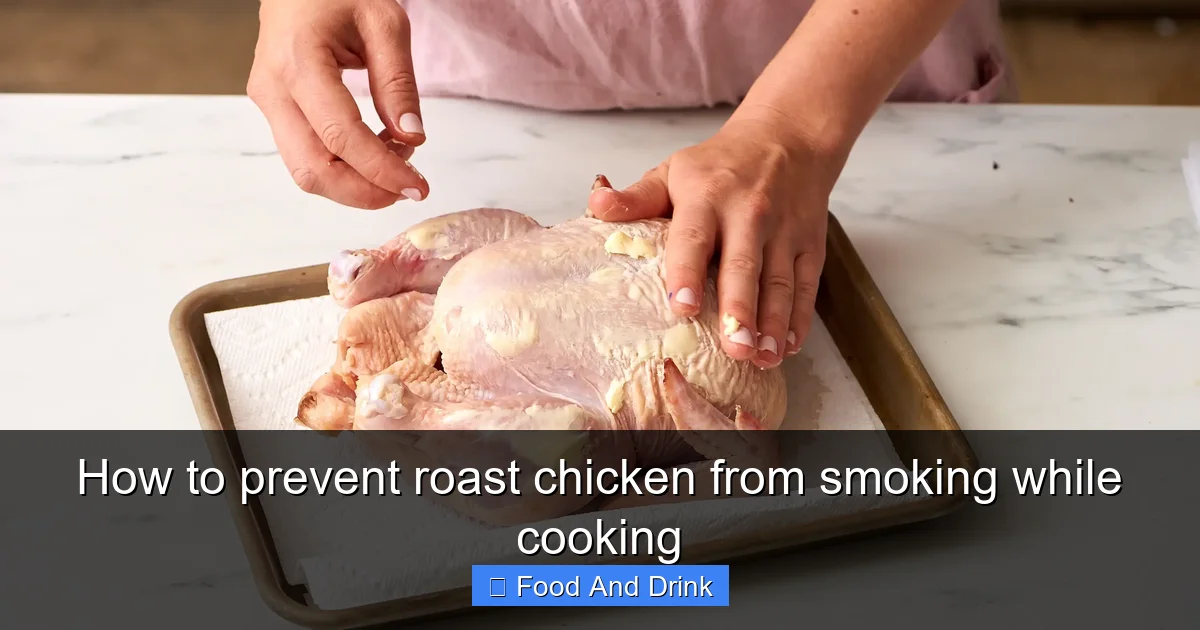
Before seasoning, take a close look at your chicken. Most whole chickens come with extra flaps of skin and pockets of fat around the neck and cavity. Use kitchen shears or a sharp knife to trim these away. Focus on the area around the thighs and under the wings, where fat tends to accumulate. Removing this excess fat not only reduces smoke but also helps the skin crisp up more evenly.
Pat the Chicken Dry
Moisture is another enemy of smoke-free roasting. Wet skin leads to steaming instead of crisping, and excess water can cause oil to splatter when it hits the pan. After washing or brining your chicken (if you choose to brine), pat it thoroughly dry with paper towels—inside and out. For even better results, let the chicken air-dry in the refrigerator for a few hours or overnight. This step, known as “dry-brining,” draws out moisture and concentrates flavor, resulting in crispier skin and less steam during roasting.
Season Smartly
While herbs and spices add amazing flavor, some ingredients can contribute to smoke. Avoid using large amounts of sugar-based rubs or marinades with honey, maple syrup, or brown sugar, especially if roasting at high temperatures. These sugars can caramelize quickly and burn, creating smoke. Instead, opt for dry rubs with salt, pepper, garlic powder, paprika, and herbs like thyme or rosemary. If you want to add moisture, use a light brushing of oil—just don’t overdo it.
Selecting the Right Oils and Fats
The type of fat you use to baste or coat your chicken can make or break your roasting experience. Not all oils are created equal when it comes to high-heat cooking.
Visual guide about How to prevent roast chicken from smoking while cooking
Image source: shungrill.com
Understand Smoke Points
Every oil has a smoke point—the temperature at which it begins to burn and produce smoke. For roasting chicken, which typically cooks between 350°F and 425°F, you need an oil with a smoke point above that range. Here’s a quick guide:
- Avocado oil: Smoke point around 520°F—excellent for high-heat roasting.
- Refined olive oil: Smoke point around 465°F—great for most roasting needs.
- Vegetable or canola oil: Smoke point around 400°F—suitable for moderate roasting.
- Butter: Smoke point around 350°F—best used in combination with oil or added late in cooking.
- Extra virgin olive oil: Smoke point around 375°F—can smoke if overheated.
Using an oil with a high smoke point ensures that your basting liquid won’t burn and contribute to smoke. If you love the flavor of butter, try clarifying it first. Clarified butter has the milk solids removed, raising its smoke point to around 450°F. Alternatively, mix butter with a high-smoke-point oil to balance flavor and safety.
Apply Oil Sparingly
Less is more when it comes to oil. A light coating is enough to help the skin crisp and prevent sticking. Use a pastry brush or your hands to apply a thin, even layer over the entire surface of the chicken. Avoid pooling oil in the pan, as this can lead to excessive dripping and smoke. If you’re using a marinade, drain it well before roasting to remove excess liquid.
Mastering Oven Temperature and Technique
Even with the best prep and equipment, improper oven use can still lead to smoke. Controlling temperature and airflow is key to a clean, successful roast.
Preheat Your Oven
Never put your chicken into a cold oven. Preheating ensures that the bird starts cooking immediately and reduces the time it spends in the danger zone where fats can splatter and smoke. Set your oven to the desired temperature—usually between 375°F and 425°F—and allow it to fully preheat before placing the chicken inside. This usually takes 10 to 15 minutes.
Use the Right Rack Position
Where you place the chicken in the oven matters. For even cooking and minimal smoke, position the rack in the center of the oven. This allows hot air to circulate freely around the bird. Avoid placing the chicken too close to the top or bottom heating elements, as this can cause uneven browning and increase the risk of burning drippings.
Roast at a Moderate Temperature
While high heat can give you crispy skin faster, it also increases the chance of smoke. A moderate roasting temperature—around 375°F to 400°F—is ideal for most whole chickens. It allows the meat to cook through gently while the skin crisps gradually. If you want extra crispiness, you can finish the chicken under the broiler for the last 2 to 3 minutes, but keep a close eye on it to prevent burning.
Avoid Overcrowding
If you’re roasting more than one chicken or cooking side dishes in the same oven, make sure there’s enough space for air to flow. Overcrowding traps moisture and can lead to steaming instead of roasting, which may cause more drippings and smoke. If necessary, roast in batches or use a convection oven, which circulates hot air more efficiently.
Cleaning and Maintaining Your Oven
A clean oven is a smoke-free oven. Built-up grease and food particles can ignite when exposed to high heat, creating unnecessary smoke during roasting.
Regular Cleaning Routine
After each use, wipe down the oven interior with a damp cloth to remove any splatters. For deeper cleaning, use an oven cleaner or a paste of baking soda and water. Apply it to the walls and floor, let it sit overnight, then scrub and wipe clean. Pay special attention to the oven floor and door, where drippings tend to accumulate.
Use Oven Liners
Consider using a reusable silicone oven liner or a disposable foil liner on the oven floor. These catch drippings and prevent them from burning. Just make sure the liner doesn’t block the oven’s heating elements or vents. Replace or clean the liner regularly to avoid buildup.
Check the Self-Cleaning Function
If your oven has a self-cleaning feature, use it periodically to burn off residue. However, be aware that this process produces smoke and strong odors, so only use it when necessary and ensure your kitchen is well-ventilated. Always remove the roasting pan and rack before running the self-clean cycle.
Alternative Roasting Methods to Reduce Smoke
If you’re still struggling with smoke, consider switching up your roasting method. Some techniques are inherently less likely to produce smoke.
Use a Convection Oven
Convection ovens use a fan to circulate hot air, which promotes even cooking and reduces hot spots that can cause drippings to burn. This can significantly cut down on smoke. If your oven has a convection setting, use it for roasting chicken. Just remember to reduce the temperature by 25°F from the recipe’s recommendation to account for the increased efficiency.
Try a Rotisserie
Rotisserie roasting is another excellent option. The constant rotation ensures even browning and allows drippings to fall away from the chicken. Many rotisserie setups include a drip pan, which catches fats and prevents them from hitting the heating element. Plus, the result is incredibly juicy and flavorful meat with minimal smoke.
Roast in a Dutch Oven or Covered Roaster
Cooking the chicken covered traps moisture and reduces the amount of fat that drips into the pan. While this method won’t give you crispy skin, it’s great for keeping the meat tender and minimizing smoke. You can uncover the chicken during the last 20 minutes of cooking to crisp up the skin if desired.
Monitoring and Finishing the Chicken
Even with all the right precautions, it’s important to monitor your chicken as it roasts to prevent overcooking and smoke from burnt bits.
Use a Meat Thermometer
The best way to ensure your chicken is cooked safely without overdoing it is to use a meat thermometer. Insert the probe into the thickest part of the thigh, avoiding the bone. The internal temperature should reach 165°F. Overcooking can dry out the meat and cause the skin to burn, leading to smoke. Remove the chicken from the oven as soon as it hits the target temperature.
Baste Carefully
Basting can add flavor and moisture, but it can also introduce more liquid into the pan, increasing the risk of smoke. If you choose to baste, do it sparingly and use a high-smoke-point oil or broth. Avoid opening the oven door too often, as this lets heat escape and can cause temperature fluctuations that lead to uneven cooking and smoke.
Let It Rest
Once the chicken is done, transfer it to a cutting board and let it rest for 10 to 15 minutes before carving. This allows the juices to redistribute, resulting in moister meat. Cover it loosely with foil to keep it warm, but don’t wrap it tightly, as this can soften the skin.
Conclusion
Roasting a perfect chicken doesn’t have to be a smoky ordeal. By understanding the causes of smoke and taking proactive steps—like using the right equipment, prepping the chicken properly, choosing high-smoke-point oils, and maintaining a clean oven—you can enjoy a delicious, golden-brown roast without setting off the alarm. Remember, the key is balance: enough heat to crisp the skin, but not so much that fats burn. With these tips, you’ll be roasting smoke-free chickens like a pro in no time.
Frequently Asked Questions
How can I stop my oven from smoking when roasting chicken?
Use a roasting rack to elevate the chicken, trim excess fat, and line the pan with foil. Also, clean your oven regularly and avoid using oils with low smoke points.
Can I roast chicken without a roasting pan?
Yes, you can use a baking dish or sheet pan with a rack. Just make sure the chicken isn’t sitting in its own juices, and line the pan to catch drippings.
Does brining cause more smoke when roasting chicken?
Brining itself doesn’t cause smoke, but wet brined chicken can lead to more steam and splattering. Always pat the chicken dry thoroughly before roasting.
Is it normal for a little smoke to appear when roasting chicken?
A small amount of smoke is normal, especially in the first 10–15 minutes as fats begin to render. Heavy or persistent smoke indicates a problem with fat buildup or oven cleanliness.
Can I use a marinade without causing smoke?
Yes, but avoid sugary or dairy-based marinades. Use oil-based marinades with herbs and spices, and drain excess liquid before roasting.
What should I do if my oven starts smoking while roasting chicken?
Turn off the oven, open windows for ventilation, and carefully remove the chicken. Check for burnt drippings and clean the oven if necessary before continuing.