



Discover the secrets to making the most tender roast chicken ever—juicy meat, crispy skin, and rich flavor in every bite. With simple techniques like brining, trussing, and proper roasting, you’ll transform a basic bird into a show-stopping centerpiece.
Key Takeaways
- Brining is essential: Soaking the chicken in saltwater (wet brine) or salt rub (dry brine) keeps meat moist and flavorful during roasting.
- Use a meat thermometer: Cooking to the right internal temperature (165°F in the thickest part) prevents dryness and ensures safety.
- Let the chicken rest: Resting for 15–20 minutes after roasting allows juices to redistribute, keeping the meat tender.
- Roast breast-side down first: Starting upside down protects delicate breast meat from overcooking, then flip or finish breast-up for crispy skin.
- Add aromatics and fat: Stuffing the cavity with herbs, lemon, and butter infuses flavor and adds moisture from within.
- Choose quality ingredients: A fresh, high-quality chicken makes a noticeable difference in texture and taste.
- Don’t skip the trussing: Tying the legs and wings keeps the bird compact and promotes even cooking.
Quick Answers to Common Questions
How long should I brine a chicken?
For wet brining, 4 to 12 hours is ideal. For dry brining, 4 hours to overnight works best. Don’t exceed 12 hours for wet brining to avoid over-salting.
Can I roast a chicken without brining?
Yes, but brining significantly improves moisture and flavor. If skipping, make sure to season generously and avoid overcooking.
What temperature should I roast chicken at?
Start at 425°F for 20–30 minutes to crisp the skin, then reduce to 350°F to finish cooking. Use a thermometer to check doneness.
How do I keep the breast meat from drying out?
Start roasting breast-side down, use a meat thermometer, and don’t overcook. Brining also helps retain moisture.
Can I use frozen chicken for roasting?
Yes, but thaw it completely in the refrigerator first. Pat it dry and adjust seasoning if it was pre-brined.
📑 Table of Contents
- The Secret to Tender Roast Chicken Starts with Science
- Choosing the Right Chicken: Quality Matters
- Brining: The Ultimate Moisture Booster
- Seasoning and Flavoring: Building Depth of Flavor
- Roasting Techniques for Perfect Results
- Checking Doneness and Resting: The Final Steps
- Serving and Storing Your Roast Chicken
- Conclusion: Your Go-To Guide for Tender Roast Chicken
The Secret to Tender Roast Chicken Starts with Science
There’s something magical about a perfectly roasted chicken—golden, crackling skin giving way to impossibly juicy, tender meat that falls off the bone. It’s comfort food at its finest, a dish that feels both humble and luxurious. But let’s be honest: not every roast chicken lives up to the hype. Too often, we end up with dry breast meat, rubbery skin, or unevenly cooked parts that leave us wondering what went wrong.
The truth is, making the most tender roast chicken ever isn’t about fancy equipment or complex recipes. It’s about understanding a few key principles—how moisture behaves during cooking, how heat affects different parts of the bird, and how to season effectively. Once you master these basics, you’ll never settle for dry, disappointing chicken again.
This guide will walk you through every step, from selecting the right bird to carving it at the table. We’ll cover brining, seasoning, roasting techniques, and even how to use leftovers. Whether you’re cooking for a holiday dinner or a weeknight family meal, these tips will help you create a roast chicken that’s tender, flavorful, and absolutely unforgettable.
Choosing the Right Chicken: Quality Matters

Visual guide about How to Make the Most Tender Roast Chicken Ever
Image source: recipetineats.com
Not all chickens are created equal. If you want the most tender roast chicken ever, start with a high-quality bird. Look for a chicken labeled “free-range,” “organic,” or “air-chilled.” These terms often indicate better living conditions and processing methods, which can translate to better texture and flavor.
Free-range chickens typically have more active lifestyles, which can lead to slightly firmer, more flavorful meat. Organic chickens are raised without antibiotics or synthetic pesticides, which some people prefer for health and environmental reasons. Air-chilled chickens are processed without being submerged in water, which helps retain natural juices and reduces the risk of waterlogging the meat—something that can happen with traditionally water-chilled birds.
When shopping, check the label for the processing date and aim for the freshest chicken available. Avoid birds with a strong odor or slimy texture. A good chicken should feel firm and smell clean, like fresh poultry—not sour or metallic.
Size also matters. A 3½- to 4½-pound chicken is ideal for roasting. Smaller birds can dry out quickly, while larger ones may cook unevenly. If you’re feeding a crowd, consider roasting two smaller chickens instead of one giant one.
Fresh vs. Frozen: What’s Better?
You might be wondering: should you buy fresh or frozen chicken? Both can work, but fresh is generally preferred for roasting. Frozen chickens often lose some moisture during the freezing and thawing process, which can affect tenderness. If you do use frozen, make sure it’s completely thawed in the refrigerator—never on the counter—and pat it dry thoroughly before cooking.
That said, some frozen chickens are brined or injected with solutions to retain moisture. While convenient, these can sometimes make the meat overly salty or spongy. If you go this route, rinse the chicken well and adjust your seasoning accordingly.
Whole Chicken vs. Spatchcocked
Another decision: roast the chicken whole or spatchcock it? Spatchcocking—removing the backbone and flattening the bird—is a game-changer for even cooking. It allows the chicken to roast flat, exposing more surface area to heat. This means the breast and thighs cook at the same rate, reducing the risk of dry breast meat.
To spatchcock, use kitchen shears to cut along both sides of the backbone and remove it. Then, flip the chicken over and press down firmly on the breastbone to flatten it. It might feel a little weird at first, but it’s worth it. Spatchcocked chickens also roast faster—usually in 45 minutes to an hour—and get beautifully crispy skin all over.
If you prefer the traditional look of a whole roasted bird, that’s fine too. Just be mindful of cooking times and consider starting breast-side down to protect the breast meat.
Brining: The Ultimate Moisture Booster

Visual guide about How to Make the Most Tender Roast Chicken Ever
Image source: domcooks.com
If there’s one technique that separates good roast chicken from great roast chicken, it’s brining. Brining is the process of soaking the chicken in a saltwater solution (wet brine) or rubbing it with salt (dry brine) before cooking. Both methods work by allowing salt to penetrate the meat, which helps it retain moisture during roasting.
When you roast chicken, the heat causes proteins to tighten and squeeze out moisture. Salt changes the structure of those proteins, allowing them to hold onto more water. The result? Juicier, more tender meat—even if you accidentally overcook it a little.
Wet Brine: The Classic Method
A wet brine is a simple solution of water, salt, and often sugar, along with aromatics like herbs, garlic, and peppercorns. To make a basic wet brine, dissolve 1 cup of kosher salt and ½ cup of sugar in 1 gallon of cold water. Add any extras you like—bay leaves, thyme sprigs, sliced onions, or lemon halves—and stir until the salt and sugar are fully dissolved.
Submerge the chicken in the brine, cover, and refrigerate for 4 to 12 hours. Don’t go longer than 12 hours, or the meat can become too salty and start to break down. After brining, rinse the chicken well and pat it dry with paper towels. Let it air-dry in the fridge, uncovered, for at least an hour (or up to 24 hours) to help the skin crisp up during roasting.
Dry Brine: Simpler and Just as Effective
If you’re short on time or fridge space, dry brining is a fantastic alternative. Simply rub the chicken generously with kosher salt—about 1 teaspoon per pound—inside and out. Place it on a wire rack set over a baking sheet and refrigerate, uncovered, for at least 4 hours or overnight.
The salt draws out moisture, which then reabsorbs into the meat along with the salt, seasoning it deeply. The uncovered drying time also helps dehydrate the skin, leading to extra-crispy results. Dry brining is especially great for weeknight cooking because it requires no mixing or cleanup.
Brining Tips for Best Results
– Use kosher salt for brining—it dissolves easily and doesn’t contain additives like iodine that can affect flavor.
– Don’t add too much sugar to wet brines—it can cause the skin to burn.
– Always brine in the refrigerator, never at room temperature.
– Rinse wet-brined chickens thoroughly to remove excess salt from the surface.
– For extra flavor, add citrus zest, garlic, or fresh herbs to your brine.
Seasoning and Flavoring: Building Depth of Flavor
Visual guide about How to Make the Most Tender Roast Chicken Ever
Image source: images.squarespace-cdn.com
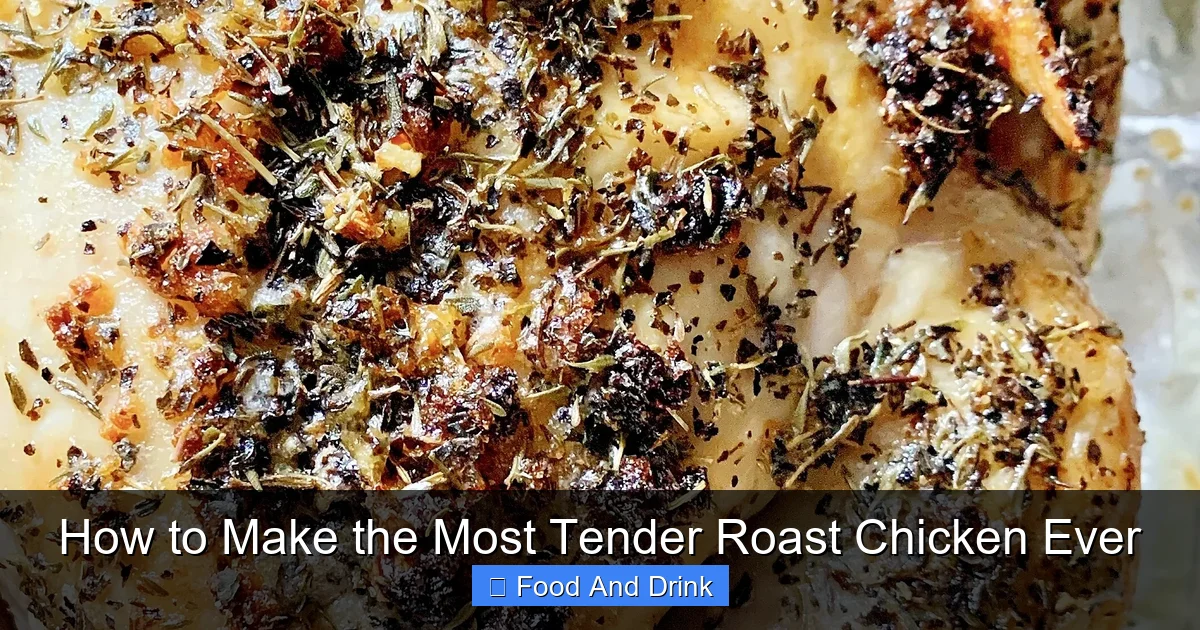
A tender roast chicken isn’t just about moisture—it’s also about flavor. The right seasoning can transform a simple bird into a memorable meal. But here’s the thing: you don’t need a long list of ingredients. A few well-chosen flavors can make all the difference.
Start with salt and pepper—the foundation of any good roast. Use kosher salt for even seasoning and freshly ground black pepper for a little bite. But don’t stop there. Aromatics like garlic, onion, lemon, and fresh herbs can infuse the chicken with incredible depth.
Stuffing the Cavity
One of the easiest ways to add flavor is to stuff the chicken’s cavity with aromatics. Cut a lemon in half and squeeze the juice inside, then drop the halves in. Add a few sprigs of rosemary, thyme, or sage. Toss in a head of garlic, halved crosswise, and a quartered onion. These ingredients won’t directly season the meat, but they’ll release fragrant steam during roasting, perfuming the chicken from the inside.
Avoid stuffing the cavity with bread-based stuffing if you’re roasting the chicken whole—it won’t cook safely unless the chicken reaches 165°F, which can dry out the meat. Save the stuffing for baking separately.
Butter and Oil: The Fat Factor
Fat is your friend when it comes to roast chicken. It adds richness, helps crisp the skin, and keeps the meat moist. Slather the outside of the chicken with softened butter or olive oil before roasting. For extra luxury, mix softened butter with minced garlic, lemon zest, and fresh herbs to make a compound butter. Rub it under the skin and over the breast for a flavorful, golden crust.
You can also place pats of butter inside the cavity or under the skin over the breast. As the chicken roasts, the butter will melt and baste the meat from within.
Herbs and Spices
Fresh herbs like thyme, rosemary, and sage are classic choices for roast chicken. Tuck sprigs under the skin or scatter them around the roasting pan. Dried herbs work too, but use them sparingly—they’re more concentrated.
For a twist, try adding smoked paprika, fennel seeds, or a pinch of cayenne for warmth. A sprinkle of lemon zest or a few slices of orange can brighten the flavor. Just remember: less is more. You want to enhance the chicken, not overpower it.
Roasting Techniques for Perfect Results
Now comes the fun part: roasting. How you cook the chicken has a huge impact on tenderness and texture. The goal is to cook the meat evenly without drying it out, while getting that skin golden and crispy.
Roasting Temperature: High or Low?
There are two main schools of thought: high heat (425°F to 450°F) and low heat (325°F to 350°F). High heat gives you crispy skin quickly, but it can risk drying out the breast. Low heat cooks the chicken more gently, but the skin may not crisp as well.
The best approach? A combination. Start at a high temperature (425°F) for the first 20–30 minutes to crisp the skin, then reduce to 350°F to finish cooking. This gives you the best of both worlds: crispy skin and tender meat.
Roasting Position: Breast Up or Down?
This is a game-changer. Most recipes call for roasting breast-side up, but that exposes the delicate breast meat to direct heat, increasing the risk of dryness. Instead, start the chicken breast-side down. The dark meat on the thighs and legs can handle the heat better, and the breast will cook more slowly and evenly.
After 20–30 minutes, flip the chicken breast-side up to crisp the skin. If you’re short on time or don’t want to flip, you can finish it under the broiler for a few minutes—just watch closely to avoid burning.
Trussing: To Tie or Not to Tie?
Trussing—tying the legs together with kitchen twine—helps the chicken cook evenly and keeps the shape compact. It also prevents the wings and legs from burning. To truss, tuck the wing tips behind the shoulders, then tie the legs together with a piece of twine. You can also tie the string around the body to hold the wings close.
If you don’t have twine, you can use a simple knot or even a wooden skewer to hold the legs together. Just don’t skip this step—it makes a noticeable difference.
Using a Roasting Rack
Place the chicken on a roasting rack set inside a baking pan. This allows hot air to circulate underneath, promoting even browning and preventing the bottom from steaming. If you don’t have a rack, you can create one by placing chopped vegetables (like carrots, onions, and celery) in the pan. They’ll act as a bed and add flavor to the drippings.
Basting: Helpful or Overrated?
Basting—spooning pan juices over the chicken during roasting—is a classic technique, but it’s not always necessary. Every time you open the oven door, you lose heat, which can延长 cooking time and affect texture. Plus, if the chicken is well-seasoned and brined, it shouldn’t need extra moisture.
That said, a quick baste during the last 10–15 minutes can help glaze the skin and add shine. Just do it quickly and close the oven door fast.
Checking Doneness and Resting: The Final Steps
Knowing when your chicken is done is crucial. Undercooked chicken is unsafe, but overcooked chicken is dry and tough. The best way to check doneness is with a meat thermometer.
Using a Meat Thermometer
Insert the thermometer into the thickest part of the thigh, avoiding the bone. The internal temperature should reach 165°F. The breast will usually be a few degrees cooler, which is fine—it’s more delicate and can dry out at higher temperatures.
If you don’t have a thermometer, you can check by wiggling the leg. If it moves easily and the juices run clear, the chicken is likely done. But this method isn’t as reliable, so a thermometer is worth the investment.
The Importance of Resting
Once the chicken reaches temperature, remove it from the oven and let it rest for 15–20 minutes before carving. This is non-negotiable. During roasting, the juices are pushed toward the center of the meat. Resting allows them to redistribute, keeping the chicken moist and tender.
Cover the chicken loosely with foil to keep it warm, but don’t wrap it tightly—that can steam the skin and make it soggy. Use this time to make a quick pan sauce with the drippings, or simply enjoy the anticipation.
Carving Like a Pro
To carve, place the chicken breast-side up on a cutting board. Remove the legs by cutting through the joint where the thigh meets the body. Slice the breast meat against the grain into even pieces. Serve with the pan juices or a simple sauce made from the drippings.
Serving and Storing Your Roast Chicken
A perfectly roasted chicken deserves a beautiful presentation. Serve it on a warm platter, garnished with fresh herbs or lemon wedges. Pair it with roasted vegetables, mashed potatoes, or a simple green salad.
Leftovers can be stored in an airtight container in the refrigerator for up to 4 days. Reheat gently in the oven or microwave to avoid drying out. Shredded chicken makes excellent sandwiches, soups, or salads.
Conclusion: Your Go-To Guide for Tender Roast Chicken
Making the most tender roast chicken ever doesn’t have to be complicated. With the right chicken, a good brine, thoughtful seasoning, and smart roasting techniques, you can create a dish that’s juicy, flavorful, and utterly satisfying. Whether you’re cooking for a special occasion or a casual dinner, these tips will help you nail it every time.
Remember: quality ingredients, proper seasoning, and attention to detail are what set great roast chicken apart. Don’t rush the process—take time to brine, season, and rest. Your taste buds (and your dinner guests) will thank you.
So the next time you’re craving that golden, crackling skin and melt-in-your-mouth meat, fire up the oven and put these tips to the test. You’ve got everything you need to make the most tender roast chicken ever.
🎥 Related Video: How to roast a chicken!
📺 Jose.elcook
Roasting a chicken can make or break your reputation at the homies gathering, so show let me show you how to Bust it down!
Frequently Asked Questions
What’s the best way to crisp chicken skin?
Pat the skin dry before roasting, use high heat at the start, and let the chicken air-dry in the fridge after brining. Starting breast-side down also helps.
Should I stuff the chicken with herbs?
Yes, stuffing the cavity with lemon, garlic, and herbs adds flavor through steam. Avoid bread stuffing unless baking it separately.
How do I know when the chicken is done?
Use a meat thermometer. The thickest part of the thigh should read 165°F. The juices should run clear, and the leg should move easily.
Can I make roast chicken ahead of time?
Yes, roast and cool the chicken, then store it in the fridge. Reheat gently in the oven to preserve moisture and texture.
What can I do with leftover roast chicken?
Shred it for tacos, salads, or soups. Use the bones to make homemade stock. Leftovers keep for up to 4 days in the fridge.
Is spatchcocking better than roasting whole?
Spatchcocking cooks more evenly and faster, with crispier skin. It’s ideal for even cooking, but whole roasting gives a traditional presentation.


