Grilled chicken doesn’t need a grill to be delicious. With the right pan, seasoning, and technique, you can make the best grilled chicken in a pan that’s juicy, flavorful, and ready in under 30 minutes. This guide walks you through every step for perfect results at home.
Key Takeaways
- Use a heavy-bottomed pan: A cast iron or stainless steel skillet retains heat evenly, creating a crispy exterior and locking in moisture.
- Marinate for at least 30 minutes: A simple marinade of oil, acid (like lemon or vinegar), and seasonings tenderizes and adds deep flavor.
- Pat chicken dry before cooking: Removing surface moisture ensures a better sear and prevents steaming.
- Cook over medium-high heat: This balances browning and thorough cooking without drying out the meat.
- Use a meat thermometer: Cook to an internal temperature of 165°F (74°C) for safe, juicy chicken every time.
- Let it rest before slicing: Resting allows juices to redistribute, keeping the chicken moist and tender.
- Experiment with seasonings: Try garlic powder, paprika, or herbs like thyme and rosemary for bold, personalized flavor.
Quick Answers to Common Questions
Can I use a nonstick pan for pan-grilled chicken?
Yes, but it won’t develop the same crust as cast iron or stainless steel. Use medium heat and avoid metal utensils to protect the coating.
How long should I marinate chicken?
30 minutes to 4 hours is ideal. Longer marinating can make lean cuts mushy.
What’s the best oil for pan-grilling chicken?
Use high-smoke-point oils like canola, vegetable, or avocado oil. Avoid olive oil for high-heat searing.
Can I cook frozen chicken in a pan?
It’s not recommended. Frozen chicken releases too much moisture, preventing browning. Thaw it in the fridge first.
How do I know when the pan is hot enough?
Flick water into the pan. If it sizzles and evaporates instantly, it’s ready.
📑 Table of Contents
Why Pan-Grilled Chicken Beats the Rest
When you think of grilled chicken, your mind might jump to smoky barbecues, summer cookouts, or charred skewers over an open flame. But here’s a little secret: you don’t need a grill to make the best grilled chicken. In fact, with the right pan and a few smart techniques, you can achieve restaurant-quality results right on your stovetop—faster, easier, and with less cleanup.
Pan-grilling is perfect for busy weeknights, apartment living, or rainy days when firing up the grill isn’t an option. It gives you full control over heat, timing, and flavor. Plus, a well-seasoned cast iron skillet can develop a beautiful crust that rivals any outdoor grill. Whether you’re cooking chicken breasts, thighs, or tenders, the pan method delivers juicy, flavorful meat with a satisfying sear.
The key is understanding how to mimic the grilling experience indoors. Grilling isn’t just about high heat—it’s about even cooking, moisture retention, and developing that golden-brown exterior. With the right tools and techniques, your stovetop can become your new favorite grill. In this guide, we’ll walk you through every step to make the best grilled chicken in a pan, from choosing the right cut to serving it with confidence.
Choosing the Right Chicken Cut
Not all chicken is created equal when it comes to pan-grilling. The cut you choose affects texture, cooking time, and overall flavor. Let’s break down the most popular options so you can pick the best one for your meal.

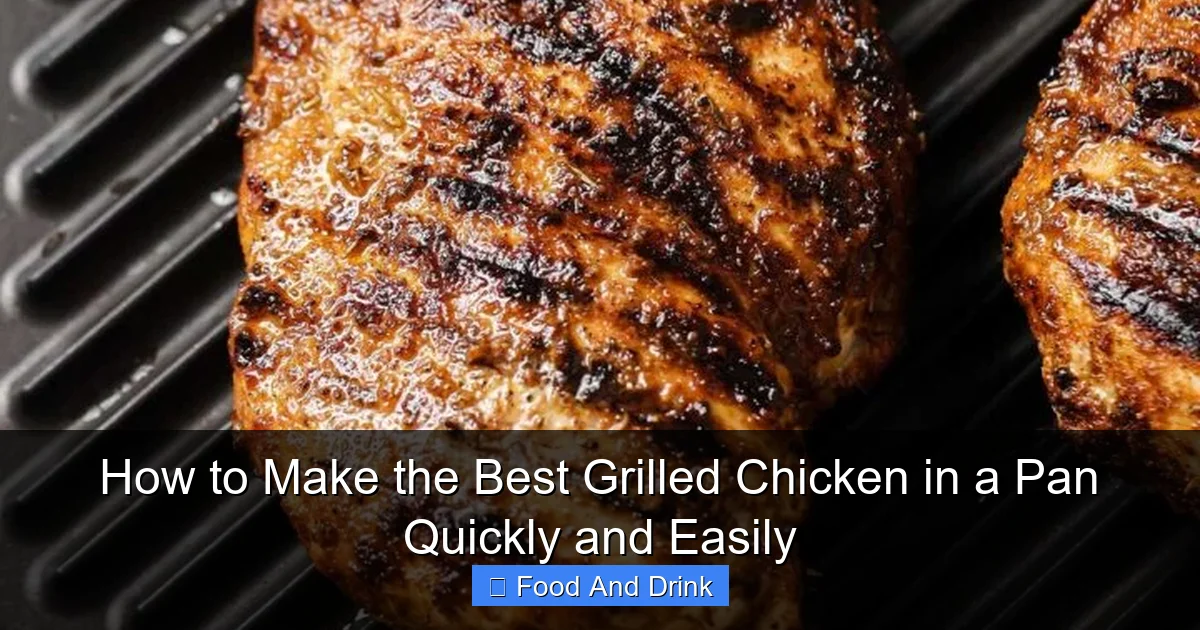
Visual guide about How to Make the Best Grilled Chicken in a Pan Quickly and Easily
Image source: laurafuentes.com
Chicken Breasts: Lean and Versatile
Boneless, skinless chicken breasts are a classic choice for pan-grilling. They’re lean, cook quickly, and absorb marinades well. However, their low fat content means they can dry out if overcooked. To avoid this, choose breasts that are uniform in thickness—this ensures even cooking. If they’re uneven, gently pound them with a meat mallet to about ½ inch thick.
For extra insurance against dryness, consider brining the breasts for 15–30 minutes before cooking. A simple saltwater brine (1 tablespoon salt per cup of water) helps retain moisture. Alternatively, marinate them in yogurt or buttermilk for added tenderness.
Chicken Thighs: Juicy and Flavorful
If you want richer flavor and natural juiciness, go for boneless, skinless chicken thighs. They have more fat than breasts, which makes them more forgiving and less likely to dry out. Thighs also develop a deeper, more caramelized crust when seared in a hot pan.
Thighs take slightly longer to cook—usually 6–8 minutes per side—but the extra time is worth it. They’re perfect for bold marinades with spices like cumin, chili powder, or smoked paprika. Plus, they stay tender even if you accidentally overcook them a bit.
Chicken Tenders: Quick and Kid-Friendly
Chicken tenders (or strips) are ideal for fast meals. They’re thin, so they cook in just 3–4 minutes total. This makes them great for busy families or when you need dinner on the table fast. Because they’re so lean, avoid overcooking—use a thermometer to check for doneness.
For extra flavor, toss tenders in a spice blend before cooking. A mix of garlic powder, onion powder, and a pinch of cayenne adds depth without needing a long marinade. Serve them with a quick dipping sauce like honey mustard or ranch.
Bone-In, Skin-On Chicken: Crispy and Satisfying
For the ultimate crispy skin and succulent meat, try bone-in, skin-on chicken pieces like drumsticks or thighs. These cuts benefit from the pan-grill method because the skin crisps up beautifully while the meat stays moist.
Cook skin-side down first over medium-high heat to render the fat and crisp the skin. Once golden, flip and finish cooking. The bone helps conduct heat evenly, preventing hot spots. Just remember to increase cooking time—bone-in pieces take 10–15 minutes total.
Essential Tools and Equipment
You don’t need fancy gadgets to make the best grilled chicken in a pan, but having the right tools makes a big difference. Let’s look at what you’ll need to get started.
Visual guide about How to Make the Best Grilled Chicken in a Pan Quickly and Easily
Image source: laurafuentes.com
The Right Pan: Cast Iron or Stainless Steel
The pan you use is crucial. A heavy-bottomed skillet—like cast iron or stainless steel—retains heat evenly and creates a consistent sear. Nonstick pans are easier to clean, but they don’t get as hot or develop the same crust.
Cast iron is the gold standard for pan-grilling. It heats slowly but holds temperature well, giving you that perfect golden-brown finish. Preheat it over medium-high heat for 3–5 minutes before adding the chicken. Stainless steel is a close second—it sears beautifully and is great for deglazing with liquids to make pan sauces.
Meat Thermometer: Your Best Friend
A digital meat thermometer is non-negotiable for perfect chicken. Relying on time alone is risky—chicken can go from juicy to dry in just a minute or two. Insert the probe into the thickest part of the meat, avoiding bone or fat. Cook to 165°F (74°C) for safe, tender results.
Instant-read thermometers are affordable and widely available. Look for one with a quick response time (under 10 seconds). Some models even come with backlit displays for easy reading in low light.
Tongs and Spatula: For Safe Handling
Use long-handled tongs to flip the chicken—this keeps your hands safe from splattering oil. A thin, flexible spatula is helpful for checking the crust or gently lifting pieces without tearing the skin.
Avoid using forks to turn chicken. Piercing the meat releases juices, leading to dryness. Tongs grip securely without damaging the surface, preserving that beautiful sear.
Meat Mallet or Rolling Pin: For Even Thickness
If your chicken breasts are uneven, use a meat mallet or rolling pin to pound them to an even thickness. Place the chicken between two sheets of plastic wrap or parchment paper to prevent tearing.
Even thickness ensures the chicken cooks uniformly. Without it, thin parts may dry out while thicker parts remain undercooked. Aim for about ½ inch thick for breasts.
Marinating and Seasoning for Maximum Flavor
Great grilled chicken starts with great flavor. Whether you marinate for hours or season just before cooking, the right blend of ingredients can transform plain chicken into something extraordinary.

Visual guide about How to Make the Best Grilled Chicken in a Pan Quickly and Easily
Image source: laurafuentes.com
Why Marinate?
Marinating does more than add flavor—it tenderizes the meat and helps retain moisture. The acid in marinades (like lemon juice, vinegar, or yogurt) breaks down proteins, making the chicken more tender. Oil carries fat-soluble flavors and prevents sticking.
Even a quick 30-minute marinade makes a noticeable difference. For best results, marinate chicken in the fridge for 1–4 hours. Avoid over-marinating lean cuts like breasts—more than 4 hours can make them mushy.
Simple Marinade Recipes
Here are three easy marinades you can make with pantry staples:
- Lemon-Herb: ¼ cup olive oil, juice of 1 lemon, 2 minced garlic cloves, 1 tsp dried oregano, ½ tsp salt, ¼ tsp black pepper.
- Spicy Yogurt: ½ cup plain yogurt, 1 tbsp lemon juice, 1 tsp cumin, 1 tsp paprika, ½ tsp cayenne, 1 minced garlic clove, salt to taste.
- Asian-Inspired: 3 tbsp soy sauce, 2 tbsp rice vinegar, 1 tbsp honey, 1 tbsp sesame oil, 1 tsp grated ginger, 1 minced garlic clove.
Place the chicken and marinade in a resealable bag or shallow dish. Turn occasionally to coat evenly. Discard used marinade—never reuse it as a sauce unless boiled first.
Dry Rubs: Quick and Flavorful
If you’re short on time, skip the marinade and use a dry rub. Rubs are a blend of spices and herbs that coat the chicken and form a flavorful crust when cooked.
Try this all-purpose rub: 1 tsp garlic powder, 1 tsp onion powder, 1 tsp smoked paprika, ½ tsp black pepper, ½ tsp salt, ¼ tsp cayenne (optional). Massage the rub into the chicken and let it sit for 10–15 minutes before cooking.
Dry rubs work especially well on thighs and drumsticks. They don’t require refrigeration and can be stored in an airtight container for weeks.
Seasoning Tips
Always season chicken generously. Salt not only enhances flavor but also helps the meat retain moisture. Add salt at least 15 minutes before cooking, or up to 24 hours ahead (dry brining).
Don’t forget acidity. A splash of lemon juice or vinegar brightens the flavor and balances richness. Add it just before serving or in the marinade.
Fresh herbs like parsley, cilantro, or basil add a pop of color and freshness. Chop them finely and sprinkle over the chicken after cooking.
Step-by-Step Cooking Process
Now that you’ve prepped your chicken, it’s time to cook. Follow these steps for the best grilled chicken in a pan—juicy inside, crispy outside, and full of flavor.
Step 1: Prep the Chicken
Remove the chicken from the marinade (if using) and pat it completely dry with paper towels. Moisture on the surface prevents browning, so this step is essential.
If using a dry rub, apply it evenly and let the chicken sit for 10–15 minutes. This allows the seasonings to penetrate and the surface to dry slightly.
Step 2: Preheat the Pan
Place your cast iron or stainless steel skillet on the stove over medium-high heat. Let it heat for 3–5 minutes until it’s hot but not smoking. A properly heated pan ensures a quick sear.
To test if it’s ready, flick a few drops of water into the pan. If they sizzle and evaporate immediately, it’s hot enough.
Step 3: Add Oil
Add 1–2 tablespoons of high-smoke-point oil (like canola, vegetable, or avocado oil) to the pan. Swirl to coat the bottom evenly. The oil prevents sticking and helps develop the crust.
Avoid olive oil for high-heat searing—it burns easily. Save extra-virgin olive oil for finishing or low-heat cooking.
Step 4: Sear the Chicken
Place the chicken in the pan in a single layer, skin-side down if applicable. Don’t overcrowd—cook in batches if needed. Overcrowding lowers the pan’s temperature and causes steaming instead of searing.
Let the chicken cook undisturbed for 4–6 minutes, depending on thickness. Resist the urge to peek—flipping too early prevents crust formation. You’ll know it’s ready to flip when it releases easily from the pan.
Step 5: Flip and Finish Cooking
Use tongs to flip the chicken. Cook for another 4–6 minutes on the second side. For bone-in pieces, you may need to reduce the heat slightly to avoid burning the outside before the inside cooks through.
If the chicken is browning too quickly, lower the heat to medium. You want a golden-brown crust, not a charred one.
Step 6: Check for Doneness
Insert a meat thermometer into the thickest part of the chicken. It should read 165°F (74°C). If it’s not ready, continue cooking and check every minute.
For breasts, this usually takes 8–12 minutes total. Thighs and tenders may take 6–10 minutes. Bone-in pieces can take 12–18 minutes.
Step 7: Rest the Chicken
Once cooked, transfer the chicken to a plate or cutting board. Tent loosely with foil and let it rest for 5–10 minutes. Resting allows juices to redistribute, keeping the meat moist.
Don’t skip this step—cutting into chicken immediately after cooking releases all the juices, leaving it dry.
Serving and Storing Your Pan-Grilled Chicken
Your chicken is ready—now it’s time to enjoy it. Whether you’re serving it as a main dish, in a salad, or on a sandwich, here’s how to make the most of your meal.
Serving Suggestions
Pan-grilled chicken pairs well with almost anything. Try it with:
- Steamed vegetables and rice
- A fresh garden salad with vinaigrette
- Roasted potatoes or sweet potatoes
- Pasta with a light cream or tomato sauce
- Wraps or tacos with avocado and salsa
For a restaurant-style touch, drizzle with a pan sauce. After removing the chicken, add a splash of broth, wine, or lemon juice to the hot pan. Scrape up the browned bits (fond) and simmer for 1–2 minutes. Stir in a tablespoon of butter for richness.
Storing Leftovers
Store leftover chicken in an airtight container in the fridge for up to 3–4 days. Reheat gently in a skillet over low heat with a splash of broth or water to restore moisture.
Avoid microwaving if possible—it can dry out the meat. If you must use a microwave, cover the chicken and heat in 30-second intervals.
Freezing Tips
You can freeze cooked chicken for up to 3 months. Let it cool completely, then wrap tightly in plastic wrap and foil, or place in a freezer-safe bag. Label with the date.
Thaw in the fridge overnight before reheating. Frozen chicken works great in soups, casseroles, or stir-fries.
Troubleshooting Common Problems
Even with the best techniques, things can go wrong. Here’s how to fix common issues and ensure your next batch is perfect.
Chicken Is Dry
If your chicken turns out dry, it was likely overcooked. Use a meat thermometer next time and remove the chicken at 160°F (71°C)—it will continue cooking as it rests.
Also, consider brining or marinating to add moisture. Lean cuts like breasts benefit most from these steps.
Chicken Is Undercooked
Undercooked chicken is a safety risk. Always use a thermometer to check doneness. If the chicken is still pink near the bone, return it to the pan and cook a few more minutes.
For bone-in pieces, make sure the internal temperature reaches 165°F (74°C) in the thickest part, not just near the surface.
Chicken Sticks to the Pan
This usually happens when the pan isn’t hot enough or the chicken is moved too soon. Let the chicken sear undisturbed until it releases naturally.
Using enough oil and a well-seasoned cast iron pan also helps prevent sticking.
Chicken Burns on the Outside but Is Raw Inside
This is a sign of too-high heat. Lower the temperature to medium and cover the pan with a lid for the last few minutes. The trapped steam will help cook the inside without burning the outside.
Alternatively, finish cooking in a 375°F (190°C) oven for 5–10 minutes after searing.
Flavor Is Bland
Bland chicken often means under-seasoning. Salt generously and use bold spices. Marinate for at least 30 minutes, or try a dry brine (salt the chicken and refrigerate uncovered for 1–24 hours).
Finish with a squeeze of fresh lemon or a sprinkle of flaky sea salt for brightness.
Conclusion
Making the best grilled chicken in a pan is easier than you think. With the right cut, pan, seasoning, and technique, you can create juicy, flavorful chicken that rivals any grill. It’s perfect for weeknights, meal prep, or impressing guests.
Remember: dry the chicken, preheat the pan, use a thermometer, and let it rest. These small steps make a big difference. Experiment with marinades and spices to find your favorite combination. Once you master this method, you’ll never look at plain chicken the same way again.
So grab your skillet, fire up the stove, and get cooking. Your taste buds will thank you.
🎥 Related Video: The Best Chicken Breast You'll Ever Make (Restaurant-Quality) | Epicurious 101
📺 Epicurious
Chicken breast doesn’t need to be dry and stringy! Sharing some juicy bits of knowledge and technique, professional chef Frank …
Frequently Asked Questions
What temperature should I cook chicken to?
Cook chicken to an internal temperature of 165°F (74°C) for safety. Use a meat thermometer to check the thickest part.
Can I use skin-on chicken in a pan?
Yes! Skin-on chicken develops a crispy crust. Cook skin-side down first to render fat and crisp the skin.
Why is my chicken dry?
Dry chicken is usually overcooked. Use a thermometer and remove it at 160°F (71°C)—it will reach 165°F while resting.
How do I prevent chicken from sticking?
Pat the chicken dry, preheat the pan, and use enough oil. Don’t move the chicken until it releases naturally.
Can I make pan-grilled chicken ahead of time?
Yes, cook and store it in the fridge for up to 4 days. Reheat gently in a skillet with a splash of liquid.
What’s the best way to reheat pan-grilled chicken?
Reheat in a skillet over low heat with a bit of broth or water. Avoid the microwave to keep it moist.