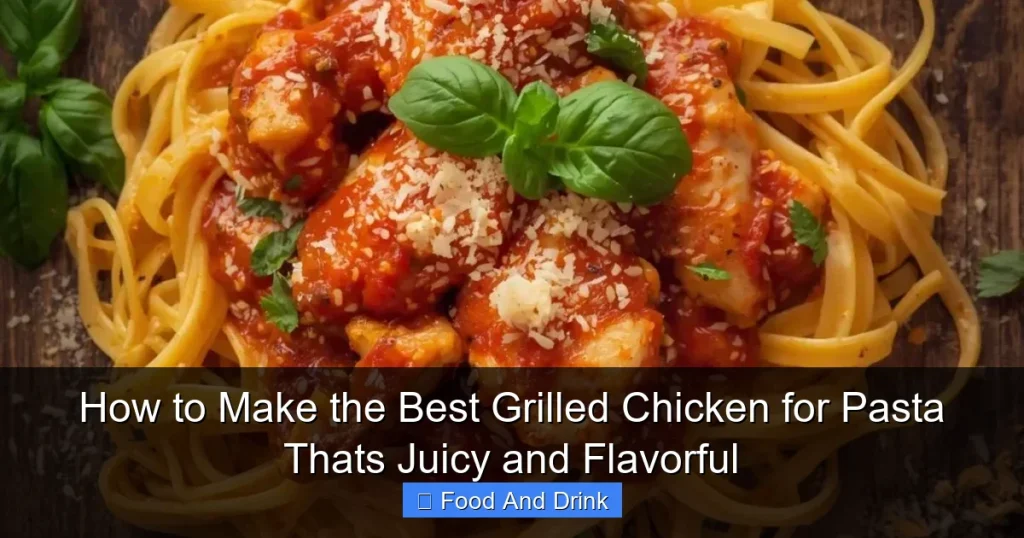

Grilled chicken for pasta doesn’t have to be dry or bland. With the right marinade, proper grilling technique, and smart timing, you can create tender, smoky, and flavorful chicken that elevates any pasta dish. This guide walks you through every step to ensure your grilled chicken is the star of your next meal.
Key Takeaways
- Marinate for at least 2 hours: A good marinade infuses flavor and keeps chicken moist during grilling.
- Use a meat thermometer: Cook chicken to 165°F (74°C) for safety without overcooking.
- Preheat your grill: A hot grill sears the outside quickly, locking in juices.
- Choose the right cut: Boneless, skinless thighs stay juicier than breasts under high heat.
- Let it rest before slicing: Resting allows juices to redistribute, preventing dryness.
- Pair with complementary sauces: Creamy alfredo, zesty marinara, or garlic butter sauce enhance grilled chicken beautifully.
- Slice against the grain: This ensures every bite is tender and easy to chew.
Quick Answers to Common Questions
What’s the best cut of chicken for grilling with pasta?
Boneless, skinless chicken thighs are ideal because they stay juicy and flavorful on the grill, even with high heat.
How long should I marinate chicken before grilling?
Marinate for at least 2 hours, but no more than 8 hours. Over-marinating in acidic ingredients can make the texture mushy.
What temperature should grilled chicken reach?
Cook to an internal temperature of 165°F (74°C). Pull it off the grill at 160°F (71°C) and let it rest to reach the safe temperature.
Can I use chicken breasts instead of thighs?
Yes, but they’re more prone to drying out. Pound them to even thickness and monitor the temperature closely.
Should I slice the chicken before or after adding it to pasta?
Slice it after grilling and resting, then add to the pasta. This keeps the pieces intact and ensures even distribution.
📑 Table of Contents
- Why Grilled Chicken Makes the Perfect Pasta Partner
- Choosing the Right Cut of Chicken
- Mastering the Marinade: Flavor That Penetrates
- Grilling Techniques for Juicy, Flavorful Results
- Resting and Slicing: The Final Steps to Perfection
- Pairing Grilled Chicken with Pasta: Sauce and Side Ideas
- Common Mistakes to Avoid
- Conclusion: Your Go-To Guide for Perfect Grilled Chicken Pasta
Why Grilled Chicken Makes the Perfect Pasta Partner
There’s something magical about combining grilled chicken with pasta. The smoky char from the grill, the tender bite of perfectly cooked meat, and the rich sauce clinging to al dente noodles—it’s a match made in culinary heaven. But too often, grilled chicken ends up dry, rubbery, or underseasoned, turning a potentially amazing meal into a disappointing one. That’s why knowing how to make the best grilled chicken for pasta is essential.
The secret lies not just in the grilling, but in the preparation. From choosing the right cut to mastering the marinade and timing your cook, every step matters. When done right, grilled chicken adds depth, texture, and protein to your pasta dish, making it hearty enough for dinner yet light enough to feel satisfying, not heavy. Whether you’re tossing it into a creamy fettuccine alfredo or layering it over a bed of penne with roasted vegetables, the chicken should shine—not fade into the background.
In this guide, we’ll walk you through everything you need to know to grill chicken that’s juicy, flavorful, and perfectly suited for pasta. We’ll cover marinades, grilling techniques, internal temperatures, resting times, and even how to slice and serve it for maximum impact. By the end, you’ll be able to confidently say you know how to make the best grilled chicken for pasta—every single time.
Choosing the Right Cut of Chicken
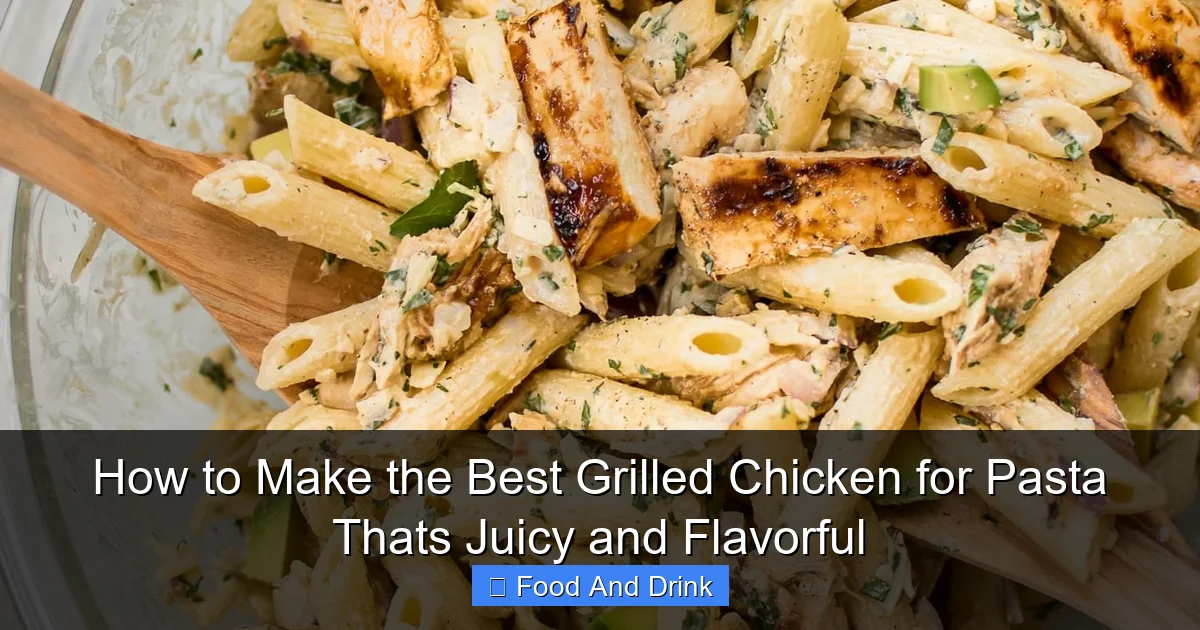
Visual guide about How to Make the Best Grilled Chicken for Pasta Thats Juicy and Flavorful
Image source: saltandlavender.com
Not all chicken is created equal—especially when it comes to grilling. The cut you choose will directly affect the juiciness, texture, and overall success of your dish. While boneless, skinless chicken breasts are the most common choice, they’re also the most prone to drying out on the grill. That’s because they’re lean, with very little fat to keep them moist during high-heat cooking.
Boneless, Skinless Chicken Breasts: Pros and Cons
Chicken breasts are popular because they’re low in fat, high in protein, and cook quickly. They’re also easy to find and often more affordable than other cuts. However, their low fat content means they can become dry and tough if overcooked—even by a few minutes. To make them work for pasta, you’ll need to marinate them well and monitor the temperature closely.
If you do choose breasts, look for ones that are uniform in thickness. This ensures even cooking. You can also pound them gently with a meat mallet to an even thickness, which helps prevent the thinner parts from drying out before the thicker parts are done.
Boneless, Skinless Chicken Thighs: The Juicy Alternative
For the best grilled chicken for pasta, we highly recommend boneless, skinless chicken thighs. They have more fat and connective tissue than breasts, which means they stay moist and tender even when grilled at high heat. Thighs also have a richer, more pronounced chicken flavor, which stands up beautifully to bold pasta sauces.
Because they’re more forgiving, thighs are ideal for beginner grillers. You can cook them a little longer without worrying about dryness. Plus, they’re often less expensive than breasts, making them a great value. When shopping, look for thighs that are plump and pink, with minimal visible fat or sinew.
Bone-In, Skin-On Options (and Why to Avoid Them for Pasta)
Bone-in, skin-on chicken pieces—like drumsticks or bone-in breasts—are fantastic for grilling because the bone conducts heat slowly and the skin crisps up beautifully. However, they’re not ideal for pasta dishes. The skin becomes chewy when mixed with sauce, and the bones make slicing and serving messy and impractical.
If you love the flavor of skin-on chicken, consider grilling bone-in pieces and then removing the meat before adding it to your pasta. But for convenience and texture, boneless cuts are the way to go.
Mastering the Marinade: Flavor That Penetrates

Visual guide about How to Make the Best Grilled Chicken for Pasta Thats Juicy and Flavorful
Image source: diyfolly.com
A great marinade does more than just add flavor—it helps tenderize the meat and keeps it moist during grilling. Think of it as a flavor-packed shield against dryness. The best marinades for grilled chicken have three key components: acid, oil, and seasonings.
The Role of Acid
Acidic ingredients like lemon juice, vinegar, or yogurt help break down proteins on the surface of the chicken, allowing flavors to penetrate deeper. They also help keep the meat tender. However, don’t marinate chicken in pure acid for too long—over 4 hours can make the texture mushy. Stick to 2–4 hours for most acidic marinades.
Oil for Moisture and Flavor
Oil carries fat-soluble flavors and helps prevent the chicken from sticking to the grill. It also coats the meat, reducing moisture loss. Olive oil is a classic choice, but avocado oil or canola oil work well too, especially if you’re using high heat.
Seasonings and Aromatics
This is where you get creative. Garlic, onion, herbs (like rosemary, thyme, or oregano), and spices (like smoked paprika, cumin, or chili powder) add depth and complexity. Fresh herbs are ideal, but dried ones work in a pinch—just use about half the amount.
Sample Marinades for Grilled Chicken Pasta
Here are three foolproof marinades to try:
Classic Italian: ¼ cup olive oil, 3 tbsp lemon juice, 3 cloves minced garlic, 1 tsp dried oregano, 1 tsp dried basil, ½ tsp salt, ¼ tsp black pepper. Perfect for pairing with marinara or alfredo sauce.
Garlic-Herb Yogurt: ½ cup plain Greek yogurt, 2 tbsp olive oil, 4 cloves minced garlic, 1 tbsp chopped fresh dill, 1 tbsp chopped fresh parsley, 1 tsp lemon zest, ½ tsp salt. The yogurt tenderizes and adds a creamy tang.
Spicy Southwest: ¼ cup olive oil, 2 tbsp lime juice, 1 tbsp chili powder, 1 tsp ground cumin, 1 tsp smoked paprika, 1 clove minced garlic, ½ tsp salt. Great with creamy chipotle pasta or tomato-based sauces.
Marinate your chicken for at least 2 hours, or up to 8 hours in the fridge. Always discard used marinade—never reuse it as a sauce unless you boil it first to kill bacteria.
Grilling Techniques for Juicy, Flavorful Results

Visual guide about How to Make the Best Grilled Chicken for Pasta Thats Juicy and Flavorful
Image source: 2.bp.blogspot.com
Grilling chicken isn’t just about throwing it on the heat and waiting. To make the best grilled chicken for pasta, you need to control the temperature, manage flare-ups, and cook to the right internal temperature.
Preheat Your Grill
A hot grill is essential. Preheat your grill to medium-high heat (around 375°F to 450°F or 190°C to 230°C). This ensures a good sear, which locks in juices and creates those beautiful grill marks. If you’re using a gas grill, close the lid and let it heat for 10–15 minutes. For charcoal, wait until the coals are covered with white ash.
Use a Two-Zone Fire (Optional but Helpful)
If you’re using a charcoal or gas grill, set up a two-zone fire: one side hot (direct heat), one side cooler (indirect heat). Sear the chicken over direct heat for 2–3 minutes per side to develop flavor, then move it to indirect heat to finish cooking without burning. This method gives you more control, especially with thicker cuts.
Oil the Grates
To prevent sticking, oil the grill grates before placing the chicken. Use tongs and a folded paper towel dipped in oil. Be careful—this can cause flare-ups. Alternatively, brush a little oil directly onto the chicken before grilling.
Cook to the Right Temperature
The biggest mistake people make is overcooking chicken. Use a meat thermometer to check the internal temperature. Chicken is safe to eat at 165°F (74°C), but pulling it off at 160°F (71°C) and letting it rest will bring it to 165°F while keeping it juicy.
For boneless breasts, this usually takes 6–8 minutes per side over medium-high heat. Thighs may take 5–7 minutes per side. Avoid flipping more than once or twice—too much handling can dry out the meat.
Watch for Flare-Ups
Flare-ups happen when fat drips onto the flames. They can char your chicken and add a bitter taste. If you see flames, move the chicken to the cooler side of the grill temporarily. Trim excess fat before grilling to reduce flare-ups.
Resting and Slicing: The Final Steps to Perfection
You’re almost there—but don’t skip these last two steps. Resting and slicing properly can make the difference between good grilled chicken and great grilled chicken.
Let It Rest
After grilling, transfer the chicken to a clean plate or cutting board and let it rest for 5–10 minutes. During this time, the juices redistribute throughout the meat. If you slice it too soon, those juices will spill out, leaving the chicken dry. Resting ensures every bite is moist and flavorful.
Cover the chicken loosely with foil to keep it warm, but don’t wrap it tightly—this can steam the surface and soften the crisp exterior.
Slice Against the Grain
When you’re ready to serve, slice the chicken against the grain. The grain refers to the direction of the muscle fibers. Slicing across them shortens the fibers, making the meat more tender and easier to chew.
To find the grain, look for the lines running through the meat. Use a sharp knife and cut perpendicular to those lines. For chicken breasts, this usually means slicing horizontally into thin strips. For thighs, the grain may run diagonally, so adjust your angle accordingly.
Serve Immediately
Grilled chicken is best served warm. Add it to your pasta while both are hot so the flavors meld. You can toss it directly into the sauce or arrange it on top for a restaurant-style presentation.
Pairing Grilled Chicken with Pasta: Sauce and Side Ideas
Now that your chicken is perfectly grilled, it’s time to bring it together with pasta. The right sauce and sides can elevate the dish from good to unforgettable.
Creamy Sauces
Creamy sauces like alfredo, carbonara, or mushroom cream pair beautifully with grilled chicken. The richness of the sauce complements the smoky flavor of the grill. Toss hot pasta with the sauce, then add sliced chicken and toss gently to coat.
For a lighter option, try a garlic butter sauce: melt butter in a pan, add minced garlic, a splash of pasta water, and a squeeze of lemon. Toss with pasta and top with grilled chicken.
Tomato-Based Sauces
Classic marinara, arrabbiata, or vodka sauce work well with grilled chicken, especially if your marinade has Italian herbs. The acidity of the tomatoes balances the richness of the chicken. Add a pinch of red pepper flakes for heat.
Pesto and Oil-Based Sauces
Pesto—made from basil, pine nuts, garlic, Parmesan, and olive oil—adds a fresh, herbal note. Toss with pasta and top with grilled chicken for a vibrant, summery dish. You can also use a simple olive oil and lemon sauce with fresh herbs.
Side Dishes to Complete the Meal
While pasta and chicken are the stars, a few sides can round out the meal:
– Garlic bread or focaccia for soaking up sauce
– A simple green salad with vinaigrette
– Roasted vegetables like zucchini, bell peppers, or asparagus
– Steamed broccoli or green beans
These sides add color, texture, and balance to the plate.
Common Mistakes to Avoid
Even experienced cooks make mistakes when grilling chicken. Here are the most common pitfalls—and how to avoid them.
Overcooking
This is the number one cause of dry chicken. Use a meat thermometer and pull the chicken off the grill at 160°F (71°C). It will continue to cook as it rests.
Skipping the Marinade
Grilling without marinating is like baking without seasoning. The marinade adds flavor and moisture. Even a quick 30-minute soak makes a difference.
Not Preheating the Grill
A cold grill won’t sear the chicken properly, leading to uneven cooking and sticking. Always preheat for at least 10 minutes.
Flipping Too Often
Let the chicken develop a crust before flipping. Constant flipping prevents browning and can tear the meat.
Using the Wrong Heat
Too high, and the outside burns before the inside cooks. Too low, and the chicken steams instead of grills. Medium-high heat is ideal.
Serving Immediately Without Resting
Resting is non-negotiable. Skipping it means losing precious juices.
Conclusion: Your Go-To Guide for Perfect Grilled Chicken Pasta
Making the best grilled chicken for pasta isn’t about fancy techniques or expensive ingredients—it’s about attention to detail. From choosing the right cut to marinating, grilling, and slicing, each step plays a role in creating a dish that’s juicy, flavorful, and satisfying.
Start with boneless thighs for guaranteed moisture, marinate for at least two hours, and grill over medium-high heat until the internal temperature reaches 160°F. Let it rest, slice against the grain, and pair with your favorite pasta and sauce. Avoid common mistakes like overcooking or skipping the marinade, and you’ll be amazed at how restaurant-quality your meals can be.
Whether you’re cooking for family dinner or impressing guests, this method delivers consistent results. So fire up the grill, grab your favorite pasta, and get ready to enjoy grilled chicken that’s not just good—it’s the best.
🎥 Related Video: The Best Grilled Chicken You'll Ever Make (Restaurant-Quality) | Epicurious 101
📺 Epicurious
In this edition of Epicurious 101, professional chef and culinary instructor Frank Proto demonstrates how to grill chicken perfectly.
Frequently Asked Questions
Can I grill frozen chicken?
It’s not recommended. Frozen chicken cooks unevenly and can lead to food safety issues. Always thaw chicken in the fridge before grilling.
How do I prevent chicken from sticking to the grill?
Preheat the grill, oil the grates, and avoid moving the chicken too soon. Let it develop a crust before flipping.
Can I use a marinade as a sauce?
Only if you boil it first to kill bacteria. Otherwise, make a separate sauce or reserve part of the marinade before adding raw chicken.
What’s the best way to store leftover grilled chicken?
Store in an airtight container in the fridge for up to 3 days. Reheat gently in a skillet or microwave with a splash of water to retain moisture.
Can I grill chicken ahead of time for pasta?
Yes, grilled chicken can be made a day in advance. Store it in the fridge and reheat lightly before adding to pasta.
What if my chicken is still pink near the bone?
Pink color near the bone is normal and not a sign of undercooking. Use a thermometer to check the internal temperature instead of relying on color.