



Master the art of roasting chicken and potatoes with this foolproof method that delivers juicy, flavorful results every time. From brining to seasoning and oven timing, we’ll walk you through each step to ensure crispy skin, tender meat, and golden, fluffy potatoes.
There’s something deeply comforting about the aroma of roast chicken and potatoes wafting through the kitchen. It’s a classic dish that feels both rustic and elegant—perfect for a family dinner, a holiday feast, or a cozy Sunday meal. But while it seems simple, achieving that ideal balance of juicy, tender meat and crispy, golden skin can be tricky. Too often, the chicken turns out dry or the potatoes are undercooked and bland. That’s why learning how to make roast chicken and potatoes perfectly juicy is worth your time.
The secret lies not in fancy techniques or hard-to-find ingredients, but in understanding the fundamentals: moisture retention, even cooking, and proper seasoning. When done right, roast chicken and potatoes become a showstopping centerpiece that’s as delicious as it is beautiful. The chicken should be succulent, with skin so crisp it crackles under your fork. The potatoes should be golden brown on the outside, tender and fluffy within, soaked in savory chicken fat and herbs. And the best part? It’s surprisingly easy once you know the steps.
Key Takeaways
- Brining keeps chicken juicy: Soaking the chicken in saltwater before roasting locks in moisture and enhances flavor.
- Patience with prep pays off: Drying the skin thoroughly and letting the chicken come to room temperature ensures crispy, golden skin.
- Use the right potatoes: Starchy varieties like Russets or Yukon Golds absorb fat and seasoning while staying fluffy inside.
- Season generously and evenly: Salt, pepper, garlic, and herbs should coat both the chicken and potatoes for balanced flavor.
- Roast at high heat for crispiness: Starting at 425°F (220°C) gives the skin a beautiful crust, then lowering the heat cooks the meat gently.
- Let it rest before carving: Resting allows juices to redistribute, keeping every bite moist and delicious.
- Use a meat thermometer: Cooking to an internal temperature of 165°F (74°C) guarantees safe, juicy chicken without overcooking.
Quick Answers to Common Questions
How long should I brine a chicken before roasting?
For best results, brine a 4-pound chicken for 4 to 12 hours in the refrigerator. A quick 30-minute brine can help, but longer brining yields juicier meat.
Can I use frozen chicken for roasting?
It’s not recommended. Frozen chicken doesn’t roast evenly and can lead to food safety issues. Always thaw chicken completely in the fridge before cooking.
What if my potatoes aren’t getting crispy?
Make sure they’re cut into even pieces, tossed in oil, and not overcrowded in the pan. Roast cut-side down and consider finishing them in the oven after removing the chicken.
Can I roast chicken and potatoes at a lower temperature?
Yes, but it will take longer and may not crisp the skin as well. Roasting at 350°F (175°C) can work, but increase cooking time and consider a final broil for crispiness.
How do I know when the chicken is done?
Use a meat thermometer. Insert it into the thickest part of the thigh without touching the bone. The internal temperature should reach 165°F (74°C).
📑 Table of Contents
- Why Roast Chicken and Potatoes Are a Classic Combo
- Choosing the Right Chicken and Potatoes
- Prepping the Chicken for Maximum Juiciness
- Seasoning and Flavor Enhancements
- Roasting Technique for Perfect Results
- Resting and Carving the Chicken
- Serving Suggestions and Leftover Ideas
- Common Mistakes to Avoid
- Conclusion
Why Roast Chicken and Potatoes Are a Classic Combo
Roast chicken and potatoes have been a staple in kitchens around the world for generations—and for good reason. This duo is more than just convenient; it’s a match made in culinary heaven. The chicken provides rich, savory protein, while the potatoes act as a hearty, absorbent side that soaks up all the delicious drippings. Together, they create a complete meal that’s satisfying, flavorful, and deeply nourishing.
One of the biggest advantages of roasting chicken with potatoes is the flavor synergy. As the chicken roasts, its juices and rendered fat drip down onto the potatoes, basting them naturally. This creates a self-seasoning effect that infuses the potatoes with incredible taste. Plus, the potatoes help regulate the heat in the pan, preventing the chicken from drying out too quickly. It’s a win-win: the chicken stays moist, and the potatoes become irresistibly rich and aromatic.
Another reason this combo endures is its versatility. You can adapt it to suit any season or taste. In the fall, add rosemary and thyme for a warm, earthy flavor. In the summer, toss in cherry tomatoes and zucchini for a lighter, brighter dish. You can even use different root vegetables like carrots, parsnips, or sweet potatoes to mix things up. No matter how you customize it, the core principle remains the same: roast low and slow for juicy results.
Choosing the Right Chicken and Potatoes
Visual guide about How to Make Roast Chicken and Potatoes Perfectly Juicy
Image source: delicedcook.com
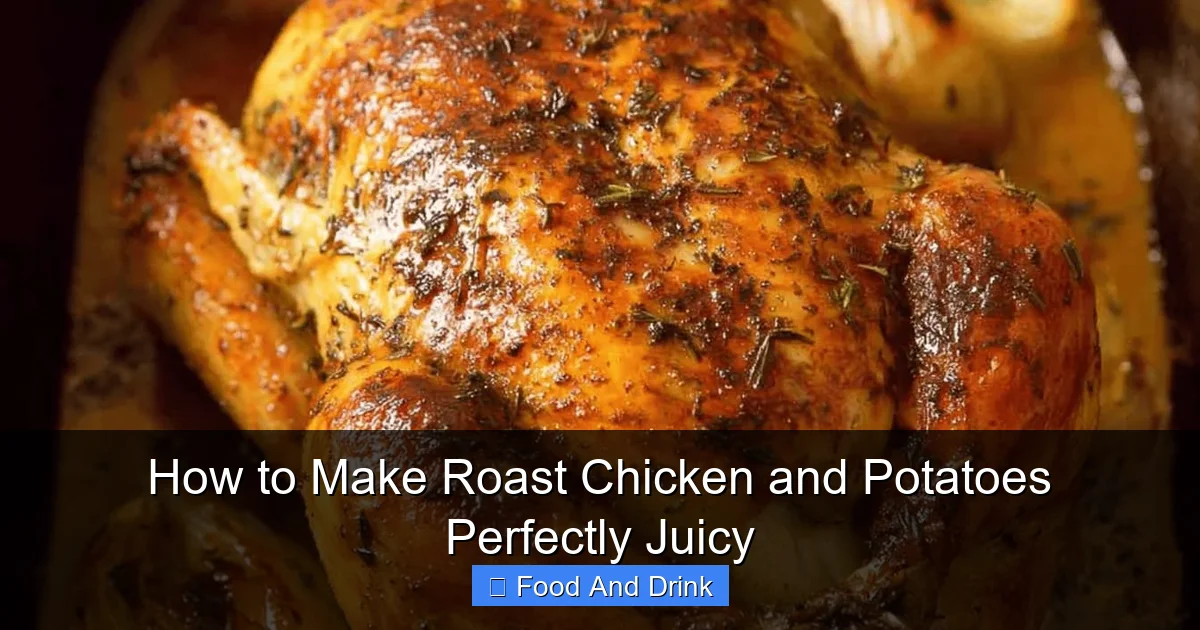
Not all chickens and potatoes are created equal when it comes to roasting. Selecting the right ingredients is the first step toward a successful dish.
Best Chicken for Roasting
For the juiciest results, choose a whole chicken that’s between 3.5 to 4.5 pounds (1.6 to 2 kg). This size roasts evenly without drying out. Look for a chicken labeled “free-range” or “organic” if possible—these tend to have better texture and flavor due to their diet and living conditions. Avoid pre-brined or “enhanced” chickens, as they often contain added sodium and water, which can throw off your seasoning and cooking time.
If you’re short on time, you can use chicken parts like thighs and drumsticks, which are naturally more forgiving and stay juicy even if slightly overcooked. However, a whole chicken gives you the classic presentation and allows for even browning.
Best Potatoes for Roasting
When it comes to potatoes, starchy varieties like Russet or Yukon Gold are your best bet. Russets have a high starch content, which makes them fluffy inside and crispy outside when roasted. Yukon Golds offer a creamier texture and a slightly buttery flavor, making them a favorite for many home cooks.
Avoid waxy potatoes like red or new potatoes for this recipe—they hold their shape well but don’t absorb fat and seasoning as effectively. If you do use them, cut them into larger chunks and roast them longer to ensure tenderness.
Other Ingredients to Consider
While chicken and potatoes are the stars, a few supporting ingredients can elevate the dish:
– Onions: Add sweetness and depth. Yellow or white onions work best.
– Garlic: Whole cloves roasted with the chicken mellow and become spreadable.
– Herbs: Fresh rosemary, thyme, and sage are classic choices. Tie them in a bundle or chop and scatter.
– Lemon: Halved and tucked into the cavity adds brightness and helps keep the chicken moist.
– Butter or olive oil: Used to baste the chicken and coat the potatoes for crispiness.
Prepping the Chicken for Maximum Juiciness
Visual guide about How to Make Roast Chicken and Potatoes Perfectly Juicy
Image source: delicedcook.com
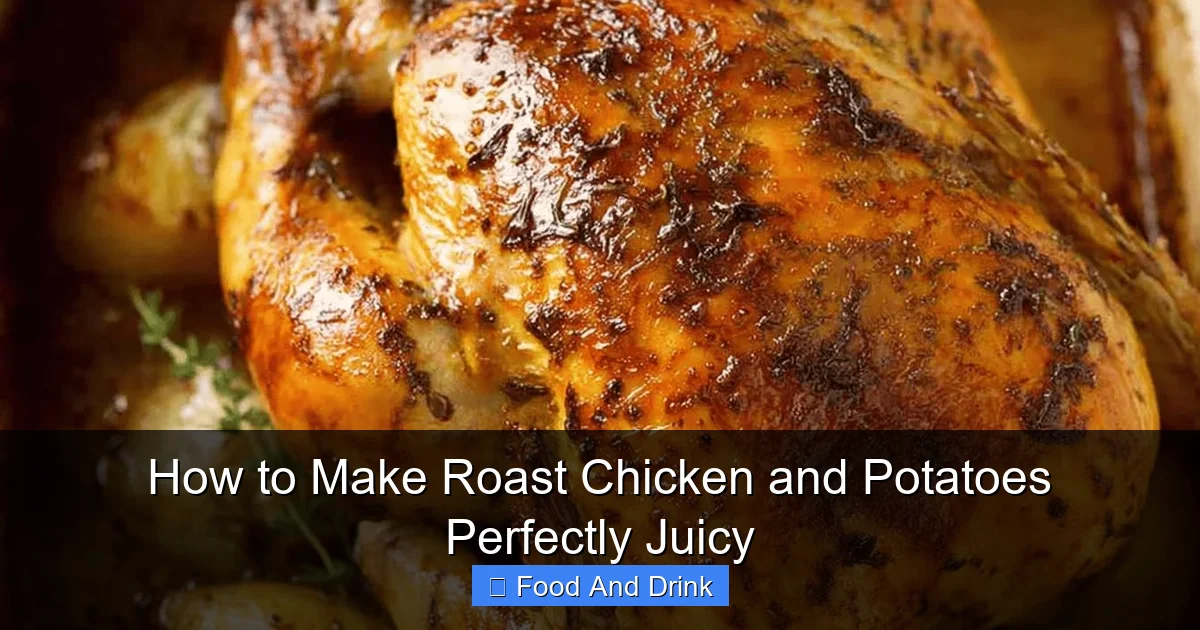
The way you prepare the chicken before roasting has a huge impact on the final result. Skipping these steps might save time, but it could cost you that perfect juiciness.
Brining: The Secret to Moisture
Brining is one of the most effective ways to ensure your chicken stays juicy. It involves soaking the chicken in a saltwater solution (sometimes with sugar and aromatics) for several hours or overnight. The salt helps the meat retain moisture during cooking, preventing it from drying out.
To brine a 4-pound chicken:
– Dissolve 1/2 cup of kosher salt and 1/4 cup of sugar in 4 cups of warm water.
– Add 4 more cups of cold water and any optional flavorings like garlic, peppercorns, or bay leaves.
– Submerge the chicken completely and refrigerate for 4 to 12 hours.
– Rinse thoroughly and pat dry before roasting.
If you’re short on time, a quick 30-minute brine can still help. Alternatively, use a dry brine: rub salt (about 1 teaspoon per pound of chicken) all over the bird and let it sit uncovered in the fridge for at least 4 hours or overnight. This method draws out moisture, which is then reabsorbed with the salt, seasoning the meat deeply.
Drying the Skin
Crispy skin starts with dry skin. After brining or salting, pat the chicken completely dry with paper towels—inside and out. Moisture on the surface steams instead of browning, leading to soggy skin. For even better results, leave the chicken uncovered in the fridge for a few hours or overnight. This allows the skin to air-dry further, ensuring maximum crispiness.
Bringing to Room Temperature
Take the chicken out of the fridge about 30 to 60 minutes before roasting. Cold chicken goes into a hot oven unevenly, which can lead to overcooked breast meat and undercooked thighs. Letting it come to room temperature ensures more even cooking.
Seasoning and Flavor Enhancements
Visual guide about How to Make Roast Chicken and Potatoes Perfectly Juicy
Image source: easyfoodguide.com
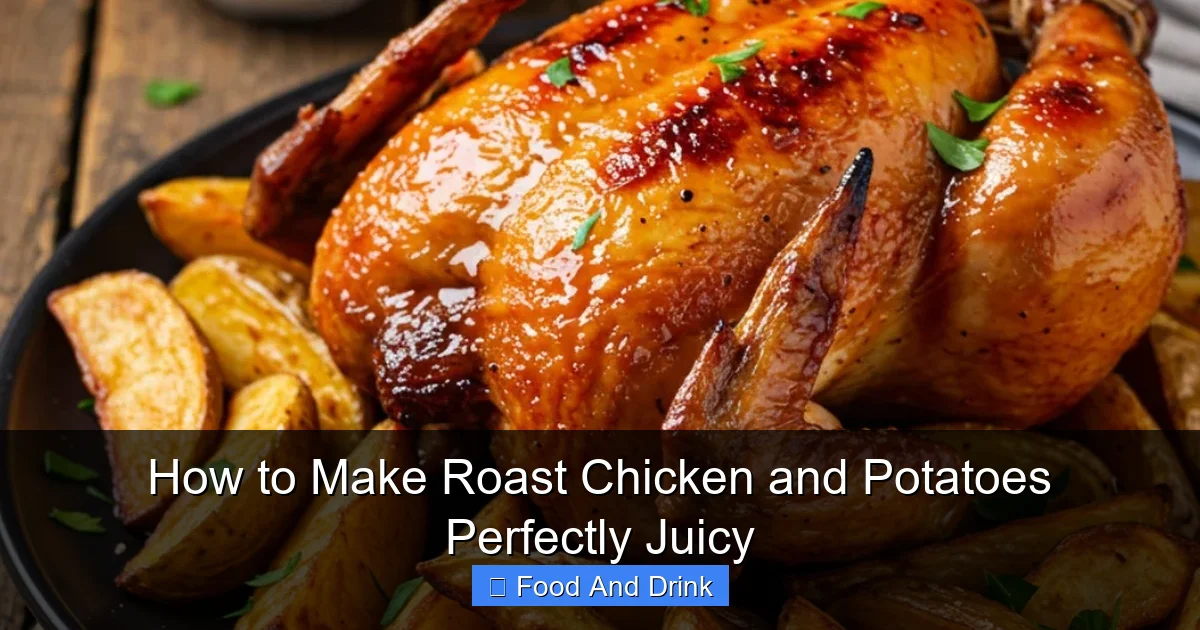
Seasoning is where you can really make the dish your own. A well-seasoned roast chicken and potatoes should taste rich, aromatic, and balanced.
Seasoning the Chicken
Start with salt and pepper—plenty of both. Salt not only enhances flavor but also helps the skin crisp up. Use about 1 teaspoon of kosher salt per pound of chicken, rubbed evenly over the entire surface, including under the skin if possible. Gently loosen the skin over the breast and thighs and tuck some butter or herbs underneath for extra flavor and moisture.
Add garlic powder, onion powder, paprika, or dried herbs like thyme and oregano for depth. For a brighter flavor, rub the chicken with lemon zest or stuff the cavity with lemon halves, garlic cloves, and fresh herbs.
Seasoning the Potatoes
Toss the potatoes in olive oil or melted butter, then season generously with salt, pepper, and your favorite herbs. Coating them in fat ensures they crisp up nicely and absorb the seasoning. You can also add minced garlic, rosemary, or smoked paprika for extra flavor.
Optional Flavor Boosters
– Butter under the skin: Soften a few tablespoons of butter and gently spread it under the skin over the breast. This bastes the meat from the inside as it cooks.
– Herb butter: Mix softened butter with chopped herbs, garlic, and lemon zest. Rub it all over the chicken.
– White wine or broth: Pour a half-cup into the roasting pan before cooking. It adds moisture and creates a flavorful jus for serving.
Roasting Technique for Perfect Results
The way you roast the chicken and potatoes determines everything—from texture to doneness. Follow these steps for foolproof results.
Preheat the Oven
Always preheat your oven to 425°F (220°C). A hot oven is essential for getting that crispy skin and browning the potatoes quickly. If you put the chicken in a cold oven, the skin will steam and never crisp up.
Arrange the Pan Properly
Use a heavy roasting pan or a rimmed baking sheet. Place a roasting rack inside if you have one—this allows air to circulate and prevents the chicken from sitting in its juices. If you don’t have a rack, no worries. Just make sure the potatoes are arranged around the chicken in a single layer, not piled up.
Place the chicken breast-side up in the center. Arrange the potatoes around it, cut-side down if halved. This helps them crisp on the bottom. Add onions, garlic, and herbs around the chicken for extra flavor.
Roasting Time and Temperature
Roast the chicken at 425°F (220°C) for the first 20 minutes to get the skin crispy. Then, reduce the heat to 375°F (190°C) and continue roasting. This two-stage method prevents burning while ensuring even cooking.
For a 4-pound chicken, expect about 1 hour and 15 minutes to 1 hour and 30 minutes total cooking time. The best way to check for doneness is with a meat thermometer. Insert it into the thickest part of the thigh, avoiding the bone. The internal temperature should reach 165°F (74°C). The juices should run clear when pierced.
Basting (Optional but Helpful)
Basting the chicken every 20 to 30 minutes with pan juices or melted butter helps keep it moist and promotes even browning. Use a baster or a spoon to drizzle the liquid over the top. Be quick to minimize heat loss when opening the oven.
Checking the Potatoes
The potatoes are done when they’re golden brown and fork-tender. If they’re browning too quickly, cover the pan loosely with foil. If they’re not crispy enough, remove the chicken once it’s done and return the potatoes to the oven for 10 to 15 minutes.
Resting and Carving the Chicken
One of the most important—and often overlooked—steps is resting the chicken. Once the chicken reaches 165°F (74°C), remove it from the oven and transfer it to a cutting board. Tent loosely with foil and let it rest for 15 to 20 minutes.
Why rest? As the chicken cooks, its juices are pushed toward the center. Resting allows those juices to redistribute throughout the meat. If you carve it too soon, the juices will spill out, leaving the chicken dry. After resting, every bite will be moist and flavorful.
While the chicken rests, you can make a quick pan sauce using the drippings. Skim off excess fat, then add a splash of wine or broth and simmer for a few minutes. Strain and serve alongside the chicken.
How to Carve Roast Chicken
Carving doesn’t have to be intimidating. Here’s a simple method:
1. Remove the legs by cutting through the joint where the thigh meets the body.
2. Separate the drumsticks from the thighs.
3. Slice the breast meat off the carcass in even strips, starting from the top and working down.
4. Serve with the potatoes and any pan sauce.
Serving Suggestions and Leftover Ideas
Roast chicken and potatoes are delicious on their own, but a few simple additions can turn them into a full meal.
Serve with a fresh green salad, steamed vegetables, or a tangy slaw to balance the richness. A crusty loaf of bread is perfect for soaking up the pan juices.
Leftovers? Don’t let them go to waste. Shred the chicken and use it in sandwiches, tacos, or salads. The potatoes make a great base for a hash or can be mashed with a bit of butter and milk. Store leftovers in an airtight container in the fridge for up to 3 days, or freeze for up to 2 months.
Common Mistakes to Avoid
Even experienced cooks can make mistakes when roasting chicken. Here are a few to watch out for:
– Not drying the skin: Wet skin = soggy results.
– Overcrowding the pan: Potatoes need space to crisp. Use a large pan or roast in batches.
– Skipping the thermometer: Guessing leads to overcooked or undercooked chicken.
– High heat the whole time: Starting hot is good, but finishing at a lower temp prevents burning.
– Carving too soon: Always rest the chicken to lock in juices.
Conclusion
Learning how to make roast chicken and potatoes perfectly juicy isn’t just about following a recipe—it’s about understanding the science and technique behind great roasting. From brining and drying to proper seasoning and oven management, each step plays a role in creating a dish that’s tender, flavorful, and unforgettable.
With this guide, you’re equipped to roast a chicken that’s crispy on the outside, juicy on the inside, and surrounded by golden, savory potatoes. It’s a meal that brings people together, fills the house with warmth, and satisfies like few others can. So preheat that oven, gather your ingredients, and get ready to enjoy one of the most rewarding dishes in home cooking.
Frequently Asked Questions
Can I use chicken breasts instead of a whole chicken?
Yes, but chicken breasts dry out more easily. Roast them at 375°F (190°C) for 25 to 30 minutes, and consider covering with foil halfway through to retain moisture.
What’s the best way to store leftover roast chicken?
Store in an airtight container in the refrigerator for up to 3 days. Reheat gently in the oven or microwave to preserve juiciness.
Can I add other vegetables to the roasting pan?
Absolutely! Carrots, parsnips, Brussels sprouts, and onions all roast well with chicken. Cut them to similar size for even cooking.
Should I truss the chicken before roasting?
Trussing (tying the legs together) helps the chicken cook evenly and look neat, but it’s not essential. If you skip it, just tuck the wings under the body.
Can I make this recipe in a slow cooker?
While possible, slow cookers don’t crisp the skin. For best results, use the oven. If using a slow cooker, sear the chicken first and add potatoes later to prevent mushiness.
Is it safe to stuff the chicken cavity with herbs and lemon?
Yes, it’s safe and adds great flavor. Just avoid stuffing with raw bread-based mixtures, which can harbor bacteria if not cooked thoroughly.