



Grilled chicken doesn’t need a backyard grill—you can make it fast and tasty right on your stovetop. With the right tools, marinade, and cooking method, you’ll get juicy, char-kissed chicken in under 30 minutes.
Key Takeaways
- Use a cast-iron skillet or grill pan: These retain heat well and create beautiful grill marks, mimicking outdoor grilling.
- Marinate for at least 30 minutes: Even a quick soak in olive oil, lemon, and herbs boosts flavor and tenderness.
- Pat chicken dry before cooking: Moisture prevents browning—dry skin or meat ensures a crispy, golden exterior.
- Use medium-high heat: This sears the outside while cooking the inside evenly without drying out.
- Let it rest after cooking: Resting for 5 minutes keeps juices inside, making each bite moist and delicious.
- Check internal temperature: Use a meat thermometer—165°F (74°C) is safe and ideal for tender chicken.
- Clean your pan immediately: Hot soapy water removes stuck bits, keeping your stove and pan in top shape.
Quick Answers to Common Questions
Can I use a regular frying pan instead of a grill pan?
Yes! A heavy-bottomed frying pan, especially cast iron, works great. You won’t get grill marks, but you’ll still get a nice sear and juicy chicken.
How long should I marinate the chicken?
At least 30 minutes is ideal, but even 15 minutes helps. For deeper flavor, marinate up to 24 hours in the fridge.
What if my chicken sticks to the pan?
Make sure the pan is hot before adding the chicken and don’t move it too soon. A light oil coating also helps prevent sticking.
Can I cook frozen chicken on the stove?
It’s not recommended. Frozen chicken cooks unevenly and can be unsafe. Thaw it in the fridge overnight before cooking.
How do I know when the pan is hot enough?
Sprinkle a few drops of water in the pan. If they sizzle and evaporate immediately, it’s ready.
📑 Table of Contents
Why You Can Make Grilled Chicken on the Stove
Grilled chicken is a weeknight staple—healthy, versatile, and packed with protein. But what if you don’t have a grill, or it’s raining outside? No problem. You can make grilled chicken with a stove just as easily, and often faster, than firing up the barbecue.
The secret lies in using the right pan and technique. A cast-iron skillet or a stovetop grill pan mimics the high, direct heat of an outdoor grill. These pans get hot, hold heat evenly, and leave those beautiful charred grill marks that make chicken look—and taste—amazing. Plus, cooking indoors means you’re not at the mercy of the weather. Whether it’s snowing or sweltering, your grilled chicken game stays strong.
Another advantage? Cleanup is simpler. No charcoal mess, no greasy grill grates to scrub. Just a quick wipe of your pan, and you’re done. And because you’re cooking in a controlled environment, you can monitor the heat more precisely, reducing the risk of overcooking. That means juicier, more flavorful chicken every time.
The Right Tools Make All the Difference
To make grilled chicken with a stove, you don’t need fancy equipment—just a few kitchen essentials. First, choose your pan wisely. A cast-iron skillet is the gold standard. It heats evenly, retains heat well, and develops a natural non-stick surface over time. If you don’t have cast iron, a heavy-bottomed stainless steel pan works too, though it won’t give you those classic grill marks.
A stovetop grill pan is another great option. These pans have raised ridges that lift the chicken off the surface, allowing fat to drip away and creating those signature grill lines. They’re especially good if you want the look of outdoor grilling without stepping outside.
You’ll also want a good pair of tongs for flipping the chicken, a meat thermometer to check doneness, and a brush for applying marinade or oil. A sharp knife and cutting board are helpful for prepping, and a plate or tray to rest the chicken after cooking.
Don’t forget your stove itself. Gas stoves offer instant heat control, which is ideal for searing. Electric stoves work too, but they take longer to heat up and cool down. If you’re using electric, preheat your pan a little longer to ensure it’s hot enough to sear properly.
Choosing the Best Chicken Cuts
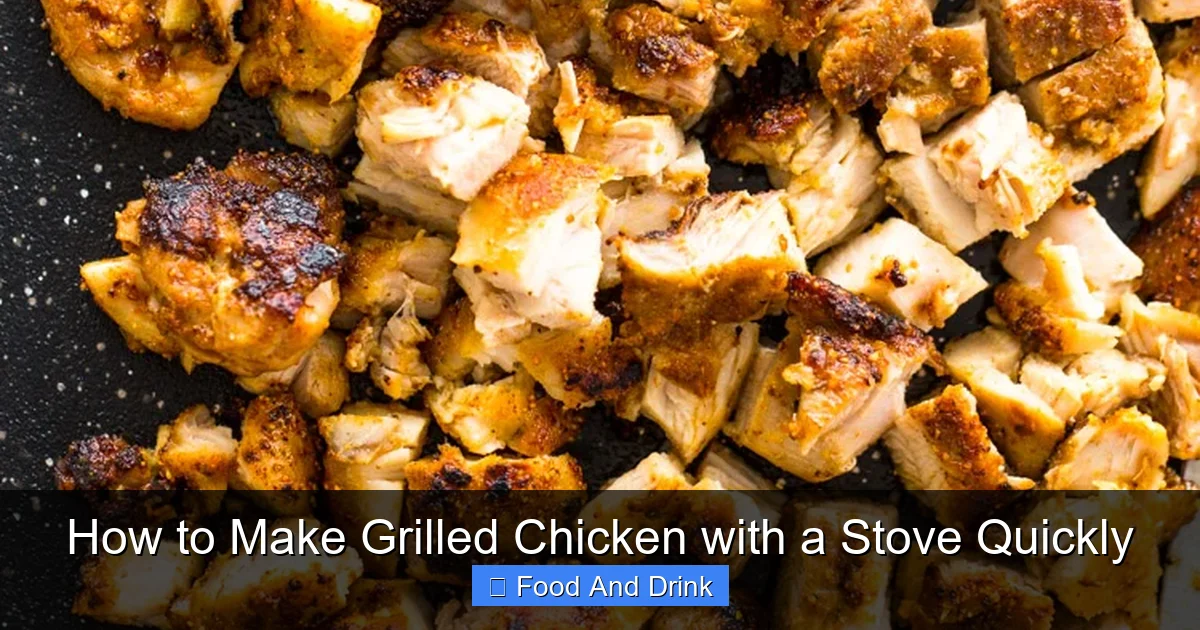
Visual guide about How to Make Grilled Chicken with a Stove Quickly
Image source: gimmedelicious.com
Not all chicken is created equal when it comes to stovetop grilling. Some cuts work better than others, depending on your time, tools, and taste preferences.
Boneless, skinless chicken breasts are the most popular choice. They’re lean, cook quickly, and absorb marinades well. However, they can dry out if overcooked, so timing and temperature are crucial. To prevent this, pound them to an even thickness—about ½ inch—so they cook uniformly. You can also butterfly them (cut almost in half and open like a book) for faster cooking.
Chicken thighs—boneless or bone-in—are another excellent option. They have more fat, which makes them juicier and more forgiving. Bone-in thighs take a bit longer but offer deeper flavor. Skin-on thighs are especially delicious when grilled on the stove because the skin crisps up beautifully.
Chicken tenders (the small strips from the breast) are perfect for quick meals. They cook in just 4–5 minutes and are great for salads, wraps, or skewers. Just be careful not to overcook them—they go from tender to tough fast.
If you’re short on time, pre-cut chicken strips or kabobs from the grocery store can work in a pinch. Just make sure they’re not pre-cooked or breaded—those won’t sear well on the stove.
Skin-On vs. Skin-Off: Which Is Better?
This is a common debate. Skin-on chicken has a clear advantage: it protects the meat from drying out and adds rich flavor. When cooked properly, the skin becomes crispy and golden, adding texture and taste. It also helps the chicken retain moisture during cooking.
However, skin-on cuts take longer to cook and require more attention. You’ll need to start with the skin-side down to render the fat and crisp it up. This means flipping less often and monitoring the heat to prevent burning.
Skinless chicken cooks faster and is lower in fat, making it a healthier choice for some. But it’s more prone to drying out, especially if you’re not careful with timing. To compensate, use a good marinade and avoid high heat for too long.
For most home cooks, boneless, skinless breasts are the go-to. They’re convenient, cook quickly, and pair well with almost any seasoning. But if you’re up for a little extra effort, skin-on thighs are worth trying—they’re hard to beat in terms of flavor and juiciness.
Marinades and Seasonings That Shine
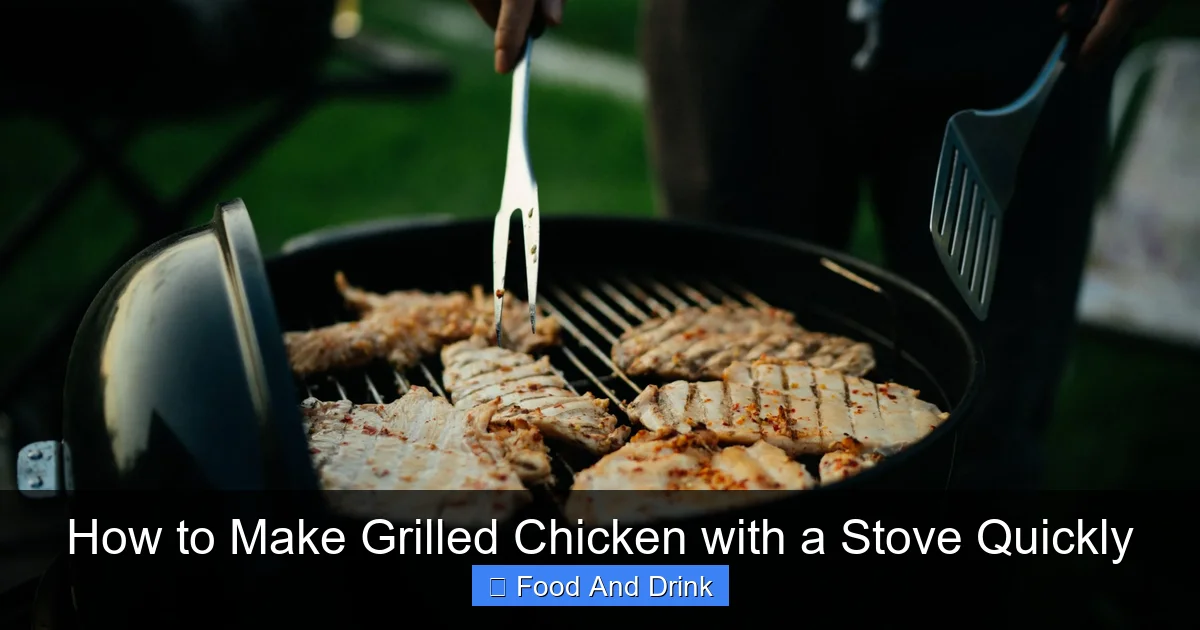
Visual guide about How to Make Grilled Chicken with a Stove Quickly
Image source: cullyskitchen.com
One of the best things about grilled chicken is how well it takes on flavor. A good marinade or dry rub can transform plain chicken into a restaurant-quality dish in minutes.
Marinades work by tenderizing the meat and infusing it with flavor. They typically contain three components: an acid (like lemon juice, vinegar, or yogurt), oil (like olive or avocado oil), and seasonings (herbs, spices, garlic, etc.). The acid helps break down proteins, making the chicken more tender, while the oil carries flavor and keeps it moist.
You don’t need to marinate for hours. Even 30 minutes makes a big difference. For busy weeknights, a 15-minute soak in a simple mix of olive oil, lemon juice, garlic, and herbs is plenty. Overnight marinating is great for deeper flavor, but it’s not necessary for delicious results.
Quick Marinade Ideas
Here are a few easy marinades you can whip up in under 5 minutes:
– **Lemon-Herb:** 3 tbsp olive oil, juice of 1 lemon, 2 cloves minced garlic, 1 tsp dried oregano, ½ tsp salt, ¼ tsp black pepper.
– **Spicy Lime:** 3 tbsp olive oil, juice of 1 lime, 1 tsp chili powder, ½ tsp cumin, 1 minced jalapeño, salt to taste.
– **Garlic Butter:** 3 tbsp melted butter, 3 cloves minced garlic, 1 tsp paprika, ½ tsp thyme, salt and pepper.
– **Asian-Inspired:** 3 tbsp soy sauce, 2 tbsp honey, 1 tbsp rice vinegar, 1 tsp grated ginger, 1 clove garlic.
Simply place your chicken in a resealable bag or shallow dish, pour the marinade over it, and let it sit. Turn the chicken once or twice to coat evenly.
Dry Rubs for Instant Flavor
If you’re short on time, skip the marinade and use a dry rub. These are blends of spices and herbs that you massage directly onto the chicken. They form a flavorful crust when cooked and don’t require any soaking time.
A basic rub might include:
– 1 tsp paprika
– 1 tsp garlic powder
– 1 tsp onion powder
– ½ tsp black pepper
– ½ tsp salt
– ¼ tsp cayenne (optional)
Rub it all over the chicken just before cooking. For extra depth, add a pinch of brown sugar—it caramelizes beautifully on the stove.
Pro tip: Let the seasoned chicken sit at room temperature for 10–15 minutes before cooking. This helps it cook more evenly and prevents the outside from burning before the inside is done.
Step-by-Step: How to Make Grilled Chicken with a Stove

Visual guide about How to Make Grilled Chicken with a Stove Quickly
Image source: acadiahouseprovisions.com
Now that you’ve got your tools, chicken, and seasoning ready, it’s time to cook. Follow these simple steps for perfect stovetop grilled chicken every time.
Step 1: Prep Your Chicken
Start by patting your chicken dry with paper towels. This is crucial—moisture on the surface prevents browning and steaming instead of searing. If you’re using chicken breasts, check the thickness. If one end is much thicker than the other, gently pound it with a meat mallet or rolling pin to even it out. This ensures even cooking.
If you’re using skin-on chicken, score the skin lightly with a sharp knife. This helps the fat render out and prevents curling.
Step 2: Preheat Your Pan
Place your cast-iron skillet or grill pan on the stove over medium-high heat. Let it heat for 3–5 minutes. You want it hot—hot enough that a drop of water sizzles and evaporates instantly. This is key for getting a good sear.
While the pan heats, brush the chicken lightly with oil. This helps prevent sticking and promotes browning. Use a high-smoke-point oil like avocado or canola—olive oil can burn at high heat.
Step 3: Cook the Chicken
Place the chicken in the pan, skin-side down if applicable. Don’t overcrowd the pan—cook in batches if needed. Let it cook undisturbed for 5–7 minutes, depending on thickness. You’ll see the edges start to turn golden brown.
Flip the chicken using tongs. Cook for another 5–7 minutes on the other side. Avoid flipping too often—this prevents the crust from forming.
Step 4: Check for Doneness
The best way to know your chicken is done is with a meat thermometer. Insert it into the thickest part, avoiding bone or fat. It should read 165°F (74°C). If you don’t have a thermometer, cut into the thickest piece—the juices should run clear, and the meat should no longer be pink.
If the chicken isn’t done but the outside is browning too quickly, reduce the heat slightly and cover the pan with a lid for a few minutes. This traps steam and helps the inside cook without burning the outside.
Step 5: Rest the Chicken
Once cooked, transfer the chicken to a clean plate or cutting board. Let it rest for 5 minutes. This allows the juices to redistribute, keeping the meat moist and tender. Cutting it too soon lets all the flavorful juices run out.
Step 6: Serve and Enjoy
Slice the chicken against the grain for maximum tenderness. Serve it over rice, in a salad, on a sandwich, or with roasted vegetables. Drizzle with a little extra marinade or a squeeze of fresh lemon for a bright finish.
Common Mistakes and How to Avoid Them
Even experienced cooks make mistakes when grilling chicken on the stove. Here are a few common pitfalls and how to fix them.
Overcooking the Chicken
This is the #1 mistake. Overcooked chicken is dry, tough, and unappetizing. The fix? Use a meat thermometer. Don’t rely on time alone—chicken thickness varies, and stove heat differs.
Another tip: remove the chicken from the pan when it reaches 160°F (71°C). It will continue cooking as it rests, reaching the safe 165°F internally.
Not Preheating the Pan
A cold pan won’t sear the chicken—it’ll steam instead. Always preheat your pan for at least 3 minutes before adding the chicken. You’ll know it’s ready when it’s visibly hot and water droplets dance and evaporate.
Using Too Much Oil
A light brush of oil is enough. Too much oil can cause splattering and make the chicken greasy. It can also lower the pan’s temperature, preventing a good sear.
Flipping Too Often
Let the chicken develop a crust before flipping. Constant flipping prevents browning and can tear the skin or meat. Flip only once, halfway through cooking.
Ignoring Rest Time
Resting is non-negotiable. Skipping it means dry chicken. Always let it rest for 5 minutes before slicing or serving.
Serving Suggestions and Pairings
Grilled chicken is incredibly versatile. Here are some delicious ways to serve it:
– **Over a Salad:** Slice it and top a bed of mixed greens with cherry tomatoes, cucumbers, and a lemon vinaigrette.
– **In a Wrap:** Add grilled chicken, avocado, lettuce, and tzatziki sauce in a whole-wheat tortilla.
– **With Grains:** Serve over quinoa, brown rice, or couscous with steamed broccoli or roasted sweet potatoes.
– **As a Main Dish:** Pair with garlic mashed potatoes and green beans for a classic comfort meal.
– **On Skewers:** Thread with bell peppers, onions, and pineapple for a fun, colorful presentation.
For drinks, a crisp white wine, iced tea, or sparkling water with lemon complements the flavors beautifully.
Storing and Reheating Leftovers
Leftover grilled chicken keeps well in the fridge for up to 4 days. Store it in an airtight container to maintain moisture.
To reheat, avoid the microwave if possible—it can dry it out. Instead, warm it in a skillet over low heat with a splash of broth or water to add moisture. You can also reheat it in the oven at 325°F (160°C) for 10–15 minutes.
For meal prep, cook a batch of grilled chicken at the start of the week. Use it in salads, sandwiches, or grain bowls for quick, healthy meals.
Conclusion
Making grilled chicken with a stove is fast, easy, and delivers delicious results. With the right pan, a simple marinade, and a few key techniques, you can enjoy juicy, flavorful chicken any night of the week—no backyard grill required.
From choosing the best cuts to mastering the sear, every step matters. But don’t stress—practice makes perfect. Start with a basic recipe, and soon you’ll be experimenting with spices, sauces, and sides.
So next time you’re craving grilled chicken but don’t want to fire up the barbecue, grab your skillet and get cooking. Your taste buds—and your weeknight dinner routine—will thank you.
Frequently Asked Questions
What’s the best pan for stovetop grilled chicken?
A cast-iron skillet or stovetop grill pan works best. They retain heat well and create a great sear. Stainless steel pans are a good alternative.
Can I use skinless chicken breasts?
Yes, skinless breasts are perfect for quick cooking. Just be careful not to overcook them—use a thermometer and rest them after cooking.
Do I need to use a marinade?
No, but marinades add flavor and moisture. A dry rub works too if you’re short on time.
How do I prevent dry chicken?
Don’t overcook it, use a meat thermometer, and let it rest after cooking. Marinating also helps keep it juicy.
Can I make grilled chicken on an electric stove?
Yes, but preheat the pan longer. Electric stoves take more time to heat up and cool down.
Is stovetop grilled chicken healthy?
Yes! It’s high in protein and low in fat, especially if you use skinless cuts and minimal oil. Pair it with veggies for a balanced meal.


