



Grilled chicken doesn’t have to be bland or dry. With the right techniques—like marinating, proper seasoning, and mastering grill temperature—you can make grilled chicken taste good every single time. This guide covers everything from prep to plating for mouthwatering results.
Grilled chicken is a staple in kitchens around the world—healthy, versatile, and quick to cook. But let’s be honest: too often, it ends up dry, bland, or charred on the outside while still undercooked inside. If you’ve ever taken a bite of rubbery, flavorless grilled chicken and thought, “There has to be a better way,” you’re not alone. The good news? There absolutely is.
Making grilled chicken taste good every time isn’t about fancy ingredients or professional gear. It’s about understanding a few key principles: how to infuse flavor, how to manage heat, and how to preserve moisture. Whether you’re firing up the backyard grill for a summer BBQ or cooking indoors on a grill pan, these tips will transform your chicken from meh to magnificent. You’ll learn how to marinate like a pro, season with confidence, and cook with precision—so every bite is juicy, tender, and packed with flavor.
In this guide, we’ll walk you through every step, from choosing the right cut of chicken to serving it with style. We’ll cover marinades, seasoning blends, grill setup, cooking times, and even how to fix common mistakes. By the end, you’ll have the knowledge and confidence to make grilled chicken that’s not just good—but consistently delicious. So grab your tongs, fire up the grill, and let’s make every chicken dinner a winner.
Key Takeaways
- Marinate for at least 30 minutes: A good marinade infuses flavor and keeps chicken moist. Use acids like lemon juice or vinegar, plus oil and herbs.
- Season generously with salt: Salt enhances natural flavors and helps retain moisture. Season both before and after marinating.
- Use a two-zone grill setup: Direct heat for searing, indirect heat for cooking through without burning.
- Don’t overcook: Use a meat thermometer to hit 165°F (74°C) internally. Overcooked chicken turns dry and tough.
- Let it rest before slicing: Resting allows juices to redistribute, ensuring every bite is tender and flavorful.
- Add finishing touches: A drizzle of olive oil, fresh herbs, or a squeeze of citrus elevates the final flavor.
- Choose the right cut: Boneless thighs are more forgiving and flavorful than breast, but both can shine with proper technique.
Quick Answers to Common Questions
How long should I marinate grilled chicken?
Marinate chicken for at least 30 minutes, but ideally 2 to 4 hours. Overnight marinating works well for thighs, but avoid marinating breasts longer than 8 hours to prevent mushiness.
What’s the best way to prevent grilled chicken from drying out?
Use a marinade with oil and acid, choose fattier cuts like thighs, cook to 165°F internally, and let the chicken rest for 5–10 minutes before slicing.
Can I grill chicken from frozen?
It’s not recommended. Frozen chicken cooks unevenly and can lead to food safety issues. Always thaw chicken in the fridge before grilling.
What temperature should my grill be for chicken?
Preheat your grill to medium-high heat, around 375°F to 450°F. Use a two-zone setup for better control.
How do I know when grilled chicken is done?
Use a meat thermometer. Chicken is safe to eat when it reaches 165°F (74°C) internally. Insert the thermometer into the thickest part, avoiding bones.
📑 Table of Contents
Choose the Right Cut of Chicken
Not all chicken is created equal when it comes to grilling. The cut you choose plays a huge role in how your final dish turns out. While boneless, skinless chicken breasts are the most common choice, they’re also the most prone to drying out. That’s because they’re lean, with very little fat to keep them moist during high-heat cooking.
Chicken thighs, on the other hand, are a griller’s best friend. They have more fat and connective tissue, which means they stay juicy even if you slightly overcook them. Boneless, skinless thighs are easy to work with and absorb marinades beautifully. If you’re new to grilling chicken, start with thighs—they’re more forgiving and deliver richer flavor.
That said, chicken breasts can still be delicious if handled correctly. The key is to pound them to an even thickness (about ½ inch) so they cook uniformly. You can also butterfly them or slice them into cutlets to reduce cooking time and prevent drying. Another smart move? Leave the skin on if possible. Skin acts as a natural barrier, locking in moisture and adding crispness when grilled properly.
For the best of both worlds, consider using a mix of cuts. Serve grilled thighs as the main protein and use sliced breasts in salads, tacos, or sandwiches. This way, you get variety and ensure everyone at the table enjoys tender, flavorful chicken.
Master the Art of Marinating

Visual guide about How to Make Grilled Chicken Taste Good Every Time
Image source: 2.bp.blogspot.com
Marinating is one of the most effective ways to make grilled chicken taste good. It’s not just about adding flavor—it also helps tenderize the meat and keep it moist during cooking. A good marinade has three essential components: an acid, an oil, and seasonings.
The acid—like lemon juice, lime juice, vinegar, or yogurt—breaks down muscle fibers, making the chicken more tender. It also infuses flavor deep into the meat. Just don’t overdo it: too much acid can make the chicken mushy. Stick to a 1:3 ratio of acid to oil.
The oil—such as olive oil, avocado oil, or sesame oil—helps carry fat-soluble flavors and prevents the chicken from sticking to the grill. It also coats the surface, reducing moisture loss.
Finally, seasonings—herbs, spices, garlic, onions, mustard, or soy sauce—add depth and complexity. Think of your marinade as a flavor cocktail. For example, a Mediterranean marinade might include olive oil, lemon juice, garlic, oregano, and a pinch of red pepper flakes. An Asian-inspired version could feature soy sauce, rice vinegar, ginger, honey, and sesame oil.
Marinate for at least 30 minutes, but ideally 2 to 4 hours. Overnight marinating works great for tougher cuts like thighs, but avoid marinating chicken breasts for more than 8 hours—they can become too soft.
Pro tip: Always marinate in the fridge, never at room temperature. And don’t reuse marinade that’s touched raw chicken unless you boil it first to kill bacteria.
Season Like a Pro

Visual guide about How to Make Grilled Chicken Taste Good Every Time
Image source: wellseasonedstudio.com
Even the best marinade won’t save under-seasoned chicken. Salt is your secret weapon. It doesn’t just make food taste salty—it enhances the natural flavors of the meat and helps it retain moisture.
Season your chicken generously with salt at least 30 minutes before grilling, or even up to 24 hours in advance. This technique, called dry brining, allows the salt to penetrate deeply, resulting in juicier, more flavorful meat. Sprinkle salt evenly on all sides, then let the chicken rest uncovered in the fridge. The salt draws out moisture, which then gets reabsorbed, seasoning the meat from the inside out.
Don’t forget other seasonings. Black pepper, garlic powder, onion powder, smoked paprika, and dried herbs like thyme or rosemary add layers of flavor. For a quick rub, mix 1 teaspoon each of salt, pepper, garlic powder, and paprika. Rub it into the chicken before marinating or grilling.
If you’re using a marinade, taste it before adding the chicken. Adjust the seasoning as needed—add more salt, acid, or sweetness to balance the flavors. A well-seasoned chicken should taste good even before it hits the grill.
Set Up Your Grill Correctly
Visual guide about How to Make Grilled Chicken Taste Good Every Time
Image source: i0.wp.com
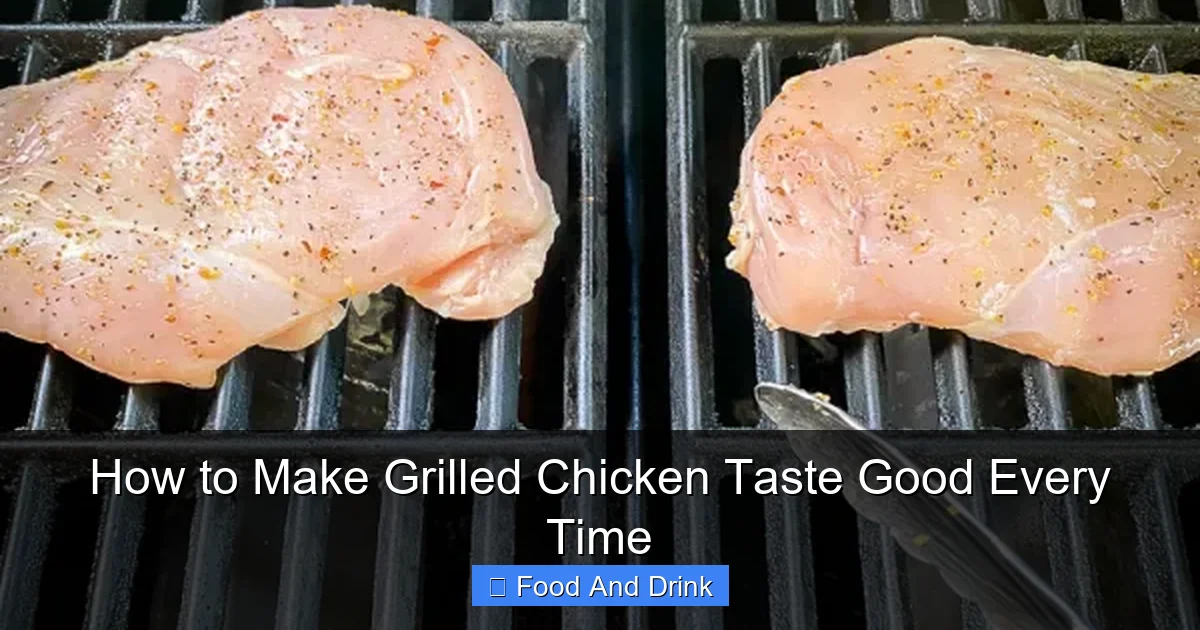
Grilling isn’t just about throwing meat on a hot surface. To make grilled chicken taste good every time, you need to control the heat. The best way to do this is with a two-zone fire—one side of the grill is hot (direct heat), and the other is cooler (indirect heat).
Start by preheating your grill to medium-high heat (around 375°F to 450°F). For gas grills, turn on one side and leave the other off. For charcoal, pile the coals on one side, leaving the other side empty. This setup gives you flexibility: sear the chicken over direct heat to develop a golden-brown crust, then move it to indirect heat to finish cooking without burning.
Why is this important? Chicken needs high heat to develop flavor through the Maillard reaction—the chemical process that creates browning and complex tastes. But it also needs time to cook through without drying out. Direct heat alone can char the outside while the inside remains raw. Indirect heat allows the center to reach the safe internal temperature (165°F) gently.
Use a meat thermometer to check doneness. Insert it into the thickest part of the chicken, avoiding bones. Once it hits 165°F, remove it from the grill. The temperature will rise a few degrees as it rests, so some chefs pull it off at 160°F for extra juiciness.
Keep the lid closed as much as possible. This traps heat and smoke, creating a convection oven effect that cooks the chicken evenly. Only open it to flip or move the pieces.
Cook with Confidence
Timing is everything when grilling chicken. Overcooking is the number one reason grilled chicken turns dry and tough. Undercooking is a food safety risk. The sweet spot? Juicy, tender, and safe to eat.
For boneless chicken breasts (½ inch thick), grill over direct heat for 5 to 6 minutes per side, then move to indirect heat for 2 to 3 minutes if needed. Thighs take a bit longer—about 6 to 7 minutes per side over direct heat, plus a few minutes over indirect heat.
Bone-in pieces like drumsticks or wings need more time. Start skin-side down over direct heat to crisp the skin, then move to indirect heat and cook for 20 to 25 minutes, turning occasionally.
Avoid flipping too often. Let the chicken develop a nice sear before turning—this builds flavor and prevents sticking. Use tongs, not a fork, to flip. Piercing the meat with a fork lets juices escape.
If you’re using a marinade with sugar (like honey or brown sugar), watch for flare-ups. Sugar burns quickly. Move the chicken to indirect heat if flames appear.
And remember: rest your chicken. After grilling, let it rest for 5 to 10 minutes on a cutting board or plate. This allows the juices to redistribute, so they don’t spill out when you slice. Cover loosely with foil to keep it warm.
Add Finishing Touches
The final step can elevate your grilled chicken from good to unforgettable. A few simple finishing touches add brightness, richness, and texture.
A drizzle of olive oil adds richness and enhances flavor. Use a high-quality extra virgin olive oil for the best taste.
A squeeze of fresh citrus—lemon, lime, or orange—adds acidity that cuts through the richness of the meat. It’s especially good with Mediterranean or Mexican-inspired dishes.
Fresh herbs like parsley, cilantro, basil, or dill add color and a burst of freshness. Chop them finely and sprinkle over the chicken just before serving.
For extra flavor, try a compound butter. Mix softened butter with minced garlic, lemon zest, and herbs. Place a small pat on each piece of chicken right after grilling—it will melt into a luxurious sauce.
You can also serve grilled chicken with a chimichurri, salsa verde, or tzatziki sauce. These sauces add moisture and complexity, making every bite more exciting.
Finally, consider the side dishes. Grilled chicken pairs beautifully with grilled vegetables, rice, quinoa, or a fresh salad. The contrast of textures and flavors makes the meal more satisfying.
Troubleshoot Common Mistakes
Even with the best intentions, things can go wrong. Here’s how to fix the most common grilled chicken problems.
Problem: Dry, tough chicken.
Solution: You likely overcooked it. Use a meat thermometer and pull the chicken off at 160°F. Also, choose fattier cuts like thighs, and don’t skip the marinade or resting time.
Problem: Bland flavor.
Solution: Season more generously. Salt is key. Also, marinate longer and use bold spices. Taste your marinade before using it.
Problem: Charred outside, raw inside.
Solution: Use a two-zone grill. Sear over high heat, then finish over indirect heat. Avoid cooking over flames.
Problem: Chicken sticks to the grill.
Solution: Preheat the grill properly and oil the grates. Use a paper towel dipped in oil and tongs to grease the grates before cooking.
Problem: Uneven cooking.
Solution: Pound chicken to even thickness. Use a meat thermometer to check multiple spots.
With these fixes, you’ll turn mistakes into learning opportunities—and better chicken.
Conclusion
Making grilled chicken taste good every time is simpler than you think. It starts with choosing the right cut, marinating for flavor and moisture, and seasoning with confidence. Then, master your grill with a two-zone setup, cook with precision using a thermometer, and let the chicken rest before serving. Finally, add a finishing touch—like fresh herbs or a squeeze of lemon—to bring everything together.
Grilled chicken doesn’t have to be boring. With these techniques, you’ll serve juicy, flavorful, and perfectly cooked chicken every single time. Whether it’s a weeknight dinner or a weekend cookout, you’ve got the tools to impress. So fire up the grill, trust the process, and enjoy every delicious bite.
Frequently Asked Questions
Can I use a grill pan instead of an outdoor grill?
Yes! A grill pan works great for indoor cooking. Preheat it over medium-high heat, oil the surface, and follow the same cooking times. You’ll still get grill marks and great flavor.
Is it safe to reuse marinade?
Only if you boil it first to kill bacteria. Otherwise, discard marinade that’s touched raw chicken. You can set aside a portion before adding the chicken for basting or sauces.
Should I rinse chicken before grilling?
No. Rinsing chicken can spread bacteria in your sink. Instead, pat it dry with paper towels before seasoning or marinating.
Can I grill chicken wings?
Absolutely. Grill wings over indirect heat for 20–25 minutes, turning occasionally, until crispy and cooked through. Finish over direct heat for extra char.
What’s the best wood for smoking grilled chicken?
Fruitwoods like apple or cherry add a mild, sweet smoke flavor. Hickory is stronger—use sparingly. Soak wood chips in water for 30 minutes before adding to charcoal or a smoker box.
How do I store leftover grilled chicken?
Store in an airtight container in the fridge for up to 3 days. Reheat gently in a skillet or microwave with a splash of broth to keep it moist.

