

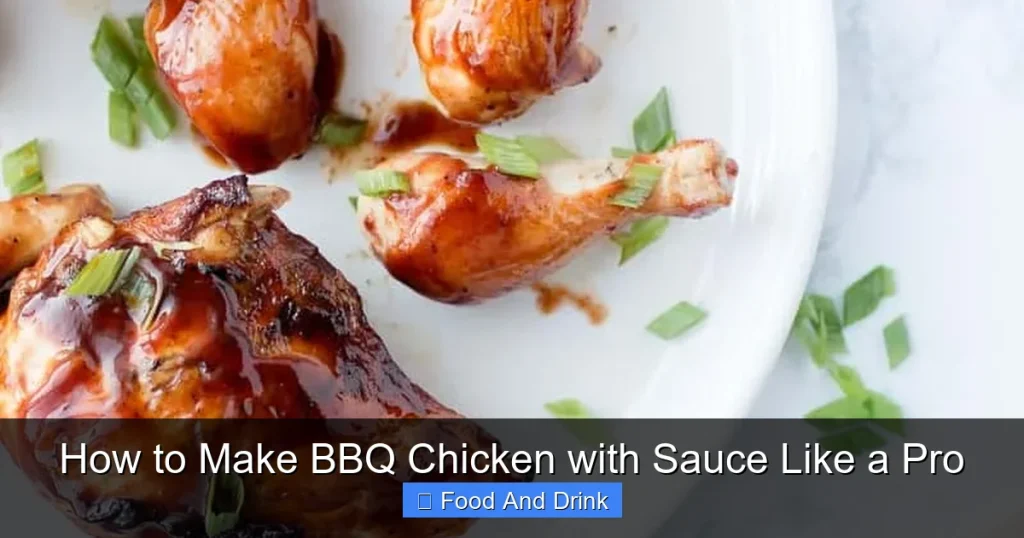

Want restaurant-quality BBQ chicken at home? This guide teaches you how to make BBQ chicken with sauce that’s smoky, sweet, tangy, and finger-licking good. From marinating to grilling and crafting the perfect sauce, you’ll impress every time.
There’s something magical about biting into a piece of BBQ chicken—juicy on the inside, slightly charred on the outside, and slathered in that rich, smoky sauce that makes you want to lick your fingers clean. Whether it’s a backyard cookout, a family dinner, or a game-day feast, BBQ chicken is a crowd-pleaser that never goes out of style. But here’s the truth: not all BBQ chicken is created equal. The difference between good and *great* often comes down to technique, timing, and—most importantly—the sauce.
If you’ve ever wondered how pitmasters and grill gurus make BBQ chicken with sauce that tastes like it came straight from a Southern smokehouse, you’re in the right place. This isn’t just about throwing chicken on a hot grill and slapping on some store-bought sauce. It’s about understanding the science of flavor, mastering heat control, and crafting a sauce that complements—not overpowers—the meat. In this guide, we’ll walk you through every step, from choosing the right cuts to building layers of flavor, so you can make BBQ chicken with sauce like a pro—right in your own backyard.
Key Takeaways
- Marinate for maximum flavor: Let chicken soak in a mix of acid, oil, and seasonings for at least 2 hours—overnight is best.
- Use indirect heat when grilling: Prevents charring and ensures even cooking, especially for bone-in cuts like thighs and drumsticks.
- Make your own BBQ sauce: Store-bought is convenient, but homemade lets you control sweetness, heat, and smokiness.
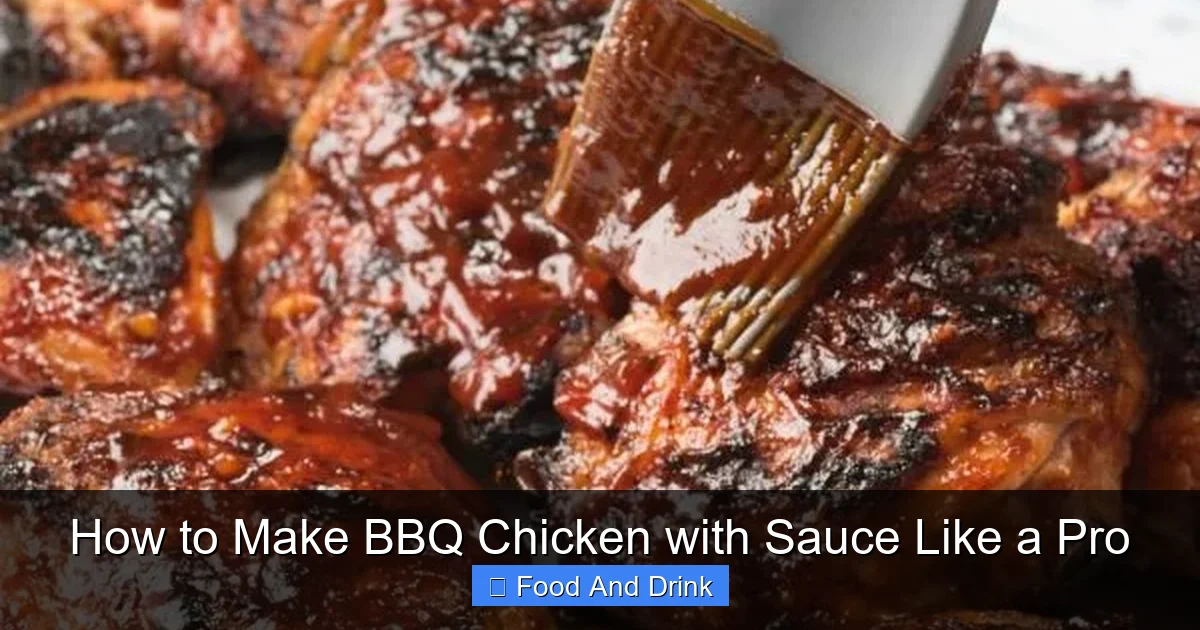
- Baste during the last 10 minutes: Apply sauce toward the end to avoid burning sugars and preserve glossy texture.
- Rest before serving: Let chicken sit for 5–10 minutes after grilling to lock in juices.
- Pair with classic sides: Coleslaw, cornbread, or baked beans complete the perfect BBQ plate.
- Experiment with wood chips: Apple, hickory, or meso chips add authentic smoky depth to your grilled chicken.
Quick Answers to Common Questions
Can I use boneless chicken for BBQ?
Yes! Boneless chicken breasts work well for quick grilling. Just brine them first to keep them juicy and avoid overcooking.
How long should I marinate chicken?
At least 2 hours, but overnight is best for maximum flavor. Don’t exceed 12 hours with acidic marinades.
What’s the best wood for smoking chicken?
Apple and cherry wood add mild, sweet smoke that complements chicken perfectly. Hickory is stronger—use sparingly.
Can I make BBQ sauce ahead of time?
Absolutely! Homemade BBQ sauce keeps in the fridge for up to 2 weeks. Make a big batch and freeze extras.
How do I prevent sauce from burning?
Baste only during the last 10 minutes of grilling. The sugars in the sauce can burn if exposed to high heat too early.
📑 Table of Contents
Why BBQ Chicken with Sauce Is a Classic
BBQ chicken isn’t just food—it’s a cultural icon. From Memphis to Kansas City to the Carolinas, every region has its own take on this beloved dish. But what makes it so universally loved? It’s the perfect balance of textures and tastes: tender, fall-off-the-bone meat kissed by smoke, paired with a sauce that’s sweet, tangy, spicy, or smoky—or all of the above.
The magic of BBQ chicken lies in its versatility. You can use boneless breasts for quick weeknight meals or go all-in with bone-in thighs and drumsticks for maximum juiciness. You can grill it over charcoal for that authentic smoky flavor or use a gas grill if that’s what you have. And when it comes to sauce? The possibilities are endless. Whether you prefer a vinegar-based Carolina sauce, a tomato-rich Kansas City style, or a spicy Alabama white sauce, there’s a version for every palate.
But here’s the catch: great BBQ chicken isn’t just about the sauce. It’s about the entire process—the marinade, the cooking method, the timing, and the final glaze. When done right, each bite delivers a symphony of flavors that make you close your eyes and savor the moment. And the best part? You don’t need a smoker or years of experience to get there. With the right tips and a little patience, you can make BBQ chicken with sauce that rivals any restaurant.
Choosing the Right Chicken Cuts
Visual guide about How to Make BBQ Chicken with Sauce Like a Pro
Image source: i.pinimg.com
Not all chicken is created equal when it comes to BBQ. The cut you choose will affect everything from cooking time to moisture level to how well it absorbs flavor. Let’s break down the best options.
Bone-In, Skin-On Thighs and Drumsticks
These are the gold standard for BBQ chicken. Why? Because they’re naturally more forgiving. The bone helps conduct heat evenly, and the skin crisps up beautifully while keeping the meat juicy. Thighs, in particular, have more fat and connective tissue, which means they stay tender even if you accidentally overcook them slightly. Plus, they absorb marinades and sauces like a sponge.
If you’re aiming for that fall-off-the-bone texture, go for bone-in thighs. They’re perfect for low-and-slow grilling and can handle longer cook times without drying out. Drumsticks are similar but slightly smaller and easier to eat with your hands—ideal for casual cookouts.
Boneless, Skinless Breasts
These are great if you’re short on time or prefer leaner meat. But they come with a caveat: they dry out quickly if overcooked. To avoid this, brine them first (we’ll cover that next), and keep a close eye on the internal temperature. Aim for 160°F (71°C) and let them rest—they’ll continue cooking to 165°F (74°C).
Boneless breasts are best for quick grilling or when you want a cleaner, less messy eating experience. Just remember: they won’t have the same depth of flavor as bone-in cuts, so your marinade and sauce need to do the heavy lifting.
Whole Chicken (Spatchcocked)
For a show-stopping centerpiece, consider spatchcocking a whole chicken. This involves removing the backbone and flattening the bird so it cooks evenly on the grill. It’s a bit more advanced, but the results are worth it—crispy skin, juicy meat, and even cooking from breast to thigh.
Spatchcocking also reduces cooking time and allows the chicken to absorb smoke and sauce more evenly. It’s perfect for feeding a crowd and makes a stunning presentation.
Marinating and Brining for Juicy, Flavorful Meat
Visual guide about How to Make BBQ Chicken with Sauce Like a Pro
Image source: blogger.googleusercontent.com
Great BBQ chicken starts long before it hits the grill. The secret to juicy, flavorful meat? Preparation. Whether you marinate or brine, giving your chicken time to absorb moisture and seasoning is non-negotiable.
The Power of Brining
Brining is a game-changer, especially for lean cuts like breasts. It involves soaking the chicken in a saltwater solution (sometimes with sugar and aromatics) for several hours. The salt helps the meat retain moisture during cooking, resulting in tender, juicy results—even if you slightly overcook it.
A basic brine includes:
– 4 cups water
– ¼ cup kosher salt
– 2 tablespoons sugar (optional)
– Optional add-ins: garlic, herbs, peppercorns, bay leaves
Submerge the chicken completely and refrigerate for 2–4 hours (up to 12 hours for whole chickens). Rinse and pat dry before marinating or seasoning.
Marinating for Flavor
While brining focuses on moisture, marinating builds flavor. A good marinade has three key components:
– **Acid** (like lemon juice, vinegar, or yogurt) to tenderize
– **Oil** (like olive or vegetable oil) to carry fat-soluble flavors
– **Seasonings** (herbs, spices, garlic, etc.) for depth
A simple marinade might include:
– ½ cup olive oil
– ¼ cup apple cider vinegar
– 3 cloves minced garlic
– 1 tablespoon smoked paprika
– 1 teaspoon black pepper
– 1 teaspoon salt
– 1 tablespoon brown sugar (optional)
Let the chicken marinate for at least 2 hours, but overnight is ideal. The longer it sits, the more flavor it absorbs. Just don’t over-marinate acidic marinades (like those with lots of vinegar or citrus) for more than 12 hours, as they can start to “cook” the meat and make it mushy.
Dry Rubs: The Flavor Foundation
Even if you’re using a marinade, a dry rub adds an extra layer of flavor. Rubs are blends of spices, herbs, salt, and sugar that form a flavorful crust on the chicken. They’re especially great for grilling because they caramelize and create a delicious bark.
A classic BBQ rub might include:
– 2 tablespoons brown sugar
– 1 tablespoon smoked paprika
– 1 tablespoon garlic powder
– 1 tablespoon onion powder
– 1 teaspoon chili powder
– 1 teaspoon black pepper
– 1 teaspoon salt
– ½ teaspoon cayenne (optional)
Apply the rub generously to all sides of the chicken, pressing it in gently. Let it sit for at least 30 minutes before grilling—or overnight for maximum impact.
Grilling Techniques for Perfect BBQ Chicken

Visual guide about How to Make BBQ Chicken with Sauce Like a Pro
Image source: syrupandbiscuits.com
Now comes the fun part: grilling. But don’t just crank up the heat and hope for the best. Great BBQ chicken requires smart heat management and timing.
Two-Zone Grilling Setup
The key to perfect BBQ chicken is using a two-zone fire. This means creating one side of the grill with direct heat (hot) and the other with indirect heat (cooler). Here’s why it matters:
– **Direct heat** is for searing and getting a nice char.
– **Indirect heat** is for slow cooking without burning.
For charcoal grills, pile the coals on one side. For gas grills, turn on only half the burners. This setup lets you sear the chicken first to develop flavor, then move it to the cooler side to finish cooking through.
Grilling Bone-In Chicken
Start by searing the chicken skin-side down over direct heat for 3–4 minutes to crisp the skin. Then move it to the indirect side, skin-side up, and close the lid. Cook for 25–35 minutes, depending on size, turning once halfway through.
Use a meat thermometer to check doneness. The internal temperature should reach 165°F (74°C) in the thickest part (avoiding the bone). Remember: it’s better to pull the chicken at 160°F (71°C) and let it rest—it’ll continue cooking to the safe temperature.
Grilling Boneless Breasts
Boneless breasts cook faster, so keep them over medium heat. Sear for 2–3 minutes per side, then move to indirect heat if needed. Total cook time is usually 8–12 minutes. Again, use a thermometer—don’t guess.
Adding Smoke Flavor
Want that authentic BBQ smokiness? Add wood chips. Soak them in water for 30 minutes, then place them directly on charcoal or in a smoker box for gas grills. Apple, cherry, hickory, and mesquite are popular choices:
– **Apple and cherry** = mild, sweet smoke (great for chicken)
– **Hickory** = strong, bacon-like flavor
– **Mesquite** = intense and earthy (use sparingly)
Rotate the chicken occasionally to ensure even smoke exposure.
How to Make the Perfect BBQ Sauce
The sauce is the star of the show. While store-bought sauces are convenient, making your own lets you customize the flavor and avoid preservatives and excess sugar. Plus, it’s easier than you think.
Basic BBQ Sauce Recipe
Here’s a simple, versatile base you can tweak to your taste:
Ingredients:
– 1 cup ketchup
– ¼ cup apple cider vinegar
– ¼ cup brown sugar (packed)
– 2 tablespoons molasses (or honey)
– 1 tablespoon Worcestershire sauce
– 1 teaspoon smoked paprika
– 1 teaspoon garlic powder
– ½ teaspoon onion powder
– ½ teaspoon black pepper
– ¼ teaspoon cayenne (optional)
– Salt to taste
Instructions:
1. Combine all ingredients in a saucepan over medium heat.
2. Stir well and bring to a simmer.
3. Reduce heat and let it cook for 15–20 minutes, stirring occasionally, until thickened.
4. Taste and adjust—add more sugar for sweetness, vinegar for tang, or cayenne for heat.
5. Let cool before using.
This sauce is rich, smoky, and slightly sweet—perfect for basting and dipping.
Regional Variations
Want to explore different styles? Try these twists:
– **Carolina Vinegar Sauce:** Replace ketchup with 1 cup apple cider vinegar, add 1 tablespoon brown sugar, 1 teaspoon red pepper flakes, and 1 teaspoon salt. Thin with water if needed. Tangy and spicy.
– **Kansas City Style:** Add 2 tablespoons yellow mustard, 1 tablespoon liquid smoke, and a splash of hot sauce to the basic recipe. Thick, sweet, and bold.
– **Alabama White Sauce:** Combine 1 cup mayonnaise, ¼ cup apple cider vinegar, 1 tablespoon lemon juice, 1 teaspoon black pepper, and 1 teaspoon garlic powder. Creamy, tangy, and perfect for grilled chicken.
Basting Tips
Never baste too early. The sugars in BBQ sauce burn easily, leading to bitter, charred flavors. Instead:
– Wait until the last 10 minutes of cooking.
– Use a brush to apply a thin, even layer.
– Baste every 3–4 minutes for a glossy finish.
– Stop basting 2–3 minutes before removing from the grill to let the sauce set.
Serving and Pairing Suggestions
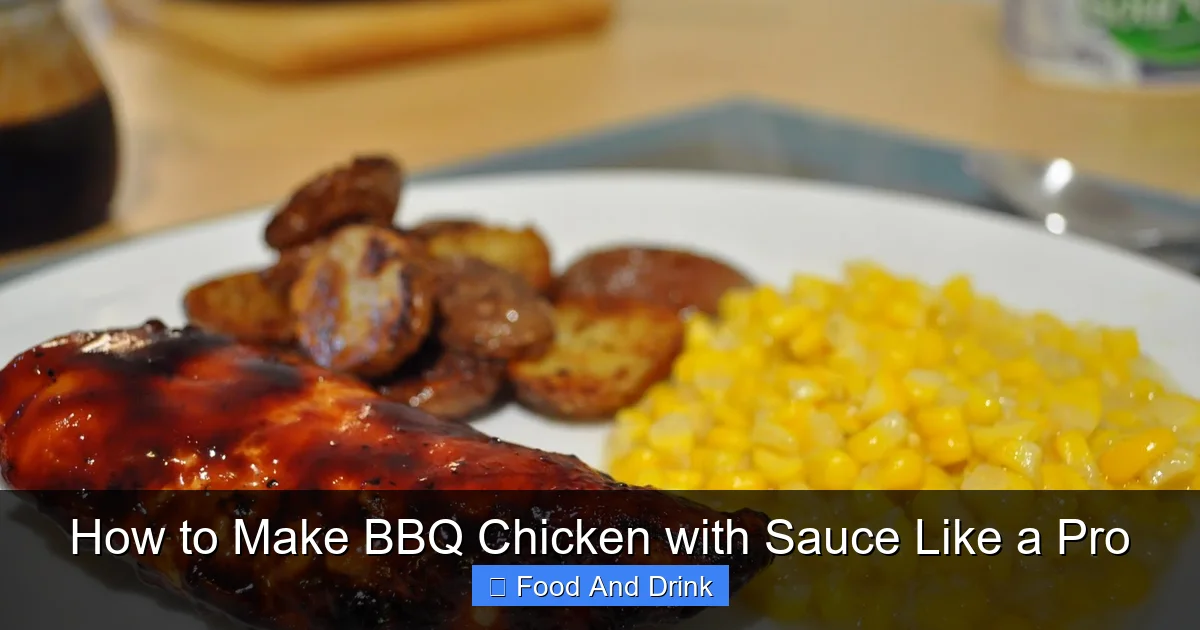
Great BBQ chicken deserves great sides. Here are some classic pairings that complete the meal:
– **Coleslaw:** Creamy or vinegar-based, it cuts through the richness of the chicken and sauce.
– **Cornbread:** Sweet, crumbly, and perfect for soaking up extra sauce.
– **Baked Beans:** Smoky, sweet, and hearty—ideal for a full BBQ spread.
– **Grilled Corn:** Brushed with butter and sprinkled with salt and chili powder.
– **Mac and Cheese:** Comfort food at its finest.
– **Potato Salad:** Creamy, tangy, and always a hit.
Serve the chicken on a platter with extra sauce on the side for dipping. Garnish with fresh herbs like parsley or cilantro for a pop of color.
Storing and Reheating Leftovers
Leftover BBQ chicken? Lucky you. Store it in an airtight container in the fridge for up to 4 days. The sauce may separate slightly—just stir it before serving.
To reheat:
– **Oven method:** Place chicken on a baking sheet, cover with foil, and heat at 325°F (165°C) for 15–20 minutes.
– **Stovetop:** Warm in a skillet over low heat with a splash of broth or water to keep it moist.
– **Microwave:** Use a microwave-safe dish and cover with a damp paper towel to prevent drying.
Avoid high heat—it can make the meat tough.
Common Mistakes to Avoid
Even pros make mistakes. Here’s how to avoid the most common pitfalls:
– **Overcooking:** Use a thermometer. Chicken dries out fast once it hits 165°F.
– **Basting too early:** Wait until the end to apply sauce.
– **Skipping the marinade or rub:** Flavor starts before the grill.
– **Using only direct heat:** Indirect heat prevents burning.
– **Not resting the meat:** Let it sit for 5–10 minutes to retain juices.
Conclusion
Making BBQ chicken with sauce like a pro isn’t about fancy equipment or secret recipes—it’s about understanding the basics and paying attention to detail. From choosing the right cut to marinating, grilling with care, and crafting a sauce that sings, every step matters. With the tips in this guide, you’re well on your way to serving up juicy, smoky, finger-licking BBQ chicken that’ll have everyone asking for seconds.
So fire up the grill, grab your tongs, and get ready to impress. Whether it’s a summer cookout or a cozy family dinner, great BBQ chicken is always worth the effort. And once you’ve mastered the basics, don’t be afraid to experiment—add your own twist to the sauce, try new wood chips, or serve it with unexpected sides. The best part of BBQ is making it your own.
Now go make that chicken. And don’t forget the napkins.
Frequently Asked Questions
What’s the difference between grilling and BBQing chicken?
Grilling cooks food quickly over high heat, while BBQing uses low, indirect heat and smoke for slow, flavorful results. For chicken, BBQing often means longer cook times with smoke.
Can I bake BBQ chicken instead of grilling?
Yes! Bake at 375°F (190°C) for 25–30 minutes, basting with sauce in the last 10 minutes. It won’t have smoky flavor, but it’s still delicious.
Is it safe to reuse leftover BBQ sauce?
Only if it hasn’t touched raw chicken. If you basted with it during cooking, it’s safe to reuse. Otherwise, make a fresh batch for serving.
How do I know when chicken is fully cooked?
Use a meat thermometer. The internal temperature should reach 165°F (74°C) in the thickest part, avoiding the bone.
Can I freeze BBQ chicken?
Yes! Cool completely, store in airtight containers or freezer bags, and freeze for up to 3 months. Thaw in the fridge before reheating.
What’s the best way to get crispy skin on grilled chicken?
Start skin-side down over direct heat to sear and crisp the skin, then move to indirect heat to finish cooking without burning.


