

Don’t toss that chicken! Whether it’s dry, undercooked, or overdone, you can fix cooked chicken with a few smart tricks. From adding moisture to repurposing into new dishes, these easy methods save time, money, and flavor.
Key Takeaways
- Rescue dry chicken by shredding and mixing with broth, sauce, or mayo to restore juiciness.
- Recook undercooked chicken safely by slicing thin and finishing in a skillet or oven until it reaches 165°F.
- Repurpose overcooked chicken into soups, casseroles, or tacos where texture matters less.
- Use a meat thermometer to prevent future cooking mishaps and ensure perfect doneness.
- Add flavor with marinades or brines before cooking to keep chicken moist and tasty.
- Store leftovers properly in airtight containers to maintain quality and extend shelf life.
- Transform flawed chicken into delicious new meals like chicken salad, stir-fries, or enchiladas.
Quick Answers to Common Questions
Can I eat slightly pink chicken if it smells fine?
No. Pink color can indicate undercooking, even if the chicken smells okay. Always check the internal temperature with a thermometer. Chicken must reach 165°F to be safe to eat.
How long can I keep cooked chicken in the fridge?
Cooked chicken lasts 3–4 days in the fridge when stored in an airtight container. For longer storage, freeze it for up to 3 months.
Can I reheat chicken more than once?
It’s best to reheat chicken only once to avoid drying it out or risking bacterial growth. Reheat to 165°F and consume immediately.
Is it safe to fix undercooked chicken that’s been sitting out?
No. If undercooked chicken has been at room temperature for more than 2 hours, it’s safer to discard it. Bacteria can grow quickly in the danger zone (40°F–140°F).
What’s the best way to reheat leftover chicken?
The best methods are oven (350°F for 15–20 minutes), skillet with a little broth, or microwave with a damp paper towel. Avoid high heat to prevent drying.
📑 Table of Contents
Introduction: Why Fixing Cooked Chicken Matters
Cooking chicken should be simple, but even the most experienced home cooks run into problems. Maybe your chicken turned out dry and rubbery. Or worse—it’s still pink in the middle. Don’t panic. You don’t have to throw it away. With a few smart techniques, you can fix cooked chicken quickly and easily, saving both time and money.
Chicken is a kitchen staple—affordable, versatile, and packed with protein. But it’s also tricky to cook perfectly every time. Overcooking dries it out. Undercooking risks foodborne illness. And sometimes, even when it’s technically “done,” it just doesn’t taste great. The good news? Most chicken mistakes are fixable. Whether you’re dealing with a dry breast, a slightly underdone thigh, or a batch that’s been sitting in the fridge too long, there are practical, delicious solutions.
In this guide, we’ll walk you through the most common chicken problems and show you exactly how to fix cooked chicken—no waste, no stress. You’ll learn how to rescue dry meat, safely recook underdone pieces, and even transform flawed chicken into exciting new dishes. By the end, you’ll feel confident turning any chicken mishap into a meal success.
Common Chicken Cooking Problems and How to Spot Them
Before you can fix cooked chicken, you need to know what went wrong. Identifying the issue is the first step toward a tasty fix. Let’s break down the most common problems and how to recognize them.

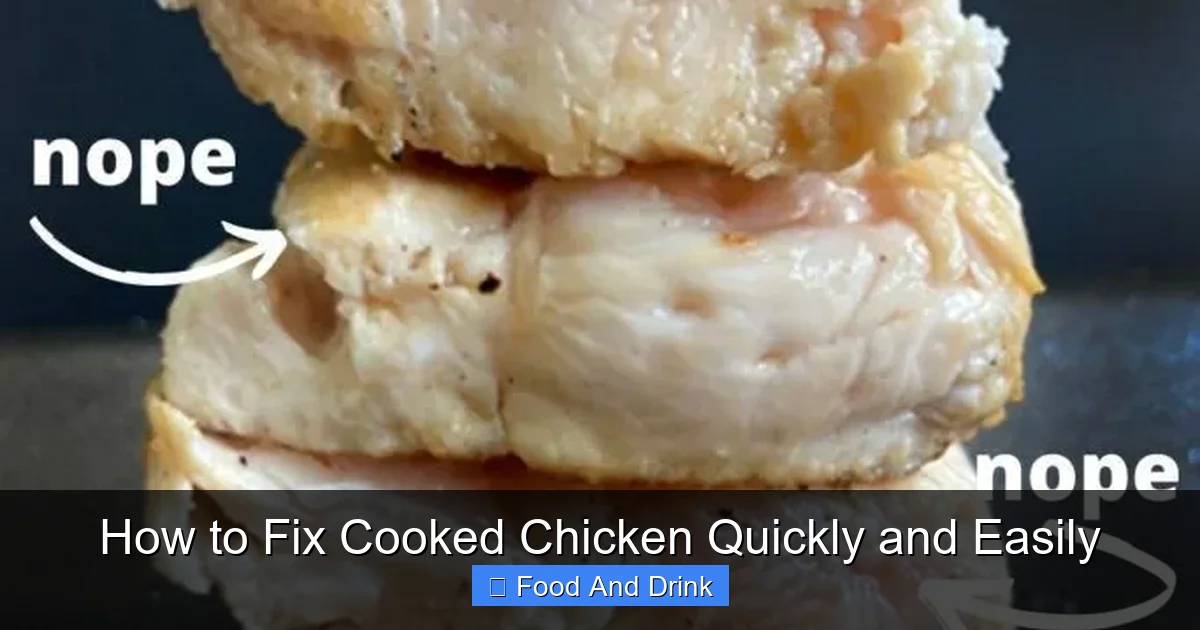
Visual guide about How to Fix Cooked Chicken Quickly and Easily
Image source: foodandfizz.b-cdn.net
Dry and Rubbery Chicken
This is the classic overcooked chicken problem. The meat feels tough, chewy, and lacks moisture. It often happens when chicken is cooked at too high a temperature or left in the oven too long. Dry chicken is safe to eat but not very enjoyable. The good news? You can often restore some juiciness with the right technique.
Undercooked or Pink Chicken
If you cut into your chicken and see pink or grayish areas, especially near the bone, it may not be fully cooked. This is a food safety concern. Chicken must reach an internal temperature of 165°F (74°C) to kill harmful bacteria like salmonella. Never eat undercooked chicken—but don’t toss it either. You can safely finish cooking it.
Soggy or Rubbery Skin
When frying or roasting chicken, the skin should be crispy and golden. If it’s soggy, it may have been cooked at too low a temperature or not patted dry before cooking. Rubbery skin often results from boiling or steaming. While this doesn’t make the chicken unsafe, it affects texture and taste.
Bland or Flavorless Chicken
Sometimes chicken is cooked perfectly but tastes like nothing. This usually happens when it wasn’t seasoned properly or marinated. Bland chicken isn’t broken—it just needs a flavor boost. A little creativity can turn it into something delicious.
Chicken That’s Been Overcooked and Shredded
Overcooked chicken often falls apart when you try to slice it. While this makes it hard to serve as a main dish, it’s actually great for shredding. This texture is perfect for tacos, soups, or casseroles. So even if it’s “ruined” for one use, it can shine in another.
Recognizing these issues helps you choose the right fix. The key is to act quickly and use methods that match the problem. With a little know-how, you can turn almost any chicken mistake into a meal win.
How to Fix Dry or Overcooked Chicken
Dry chicken is one of the most frustrating cooking outcomes. It’s safe to eat, but it’s tough, chewy, and lacks the juicy tenderness we all love. The good news? You can often rescue dry chicken with a few simple techniques. The goal is to add moisture and soften the texture without overcooking it further.

Visual guide about How to Fix Cooked Chicken Quickly and Easily
Image source: owtons.com
Shred and Saucify
One of the easiest ways to fix dry chicken is to shred it and mix it with a flavorful liquid. Use two forks or your hands to pull the meat into small pieces. Then, toss it with broth, sauce, or dressing. For example:
- Mix shredded chicken with barbecue sauce for pulled chicken sandwiches.
- Toss it with ranch dressing and celery for a quick chicken salad.
- Combine it with chicken broth and simmer for 10 minutes to rehydrate.
This method works especially well for chicken breasts, which dry out faster than thighs or drumsticks. The liquid coats the fibers, making each bite more tender and flavorful.
Make a Quick Gravy or Sauce
Serve dry chicken with a rich sauce to mask the texture. A simple pan gravy made from the cooking juices, flour, and broth can do wonders. Or try a creamy sauce like alfredo, pesto, or mushroom cream sauce. Pour it over the chicken just before serving. The sauce adds moisture and richness, turning a dry piece of meat into a restaurant-quality dish.
Use in Casseroles or Bakes
Dry chicken blends well into casseroles where other ingredients add moisture. Try adding it to a chicken and rice bake, a creamy pasta dish, or a cheesy enchilada casserole. The long, slow cooking process in a covered dish helps rehydrate the meat. Plus, the flavors meld together, making the dryness less noticeable.
Marinate After Cooking
While you can’t marinate raw chicken after it’s cooked, you can soak cooked chicken in a flavorful liquid for a short time. Place the chicken in a bowl and cover it with a mixture of olive oil, lemon juice, garlic, and herbs. Let it sit for 30 minutes to an hour. This won’t fully rehydrate it, but it will add flavor and a bit of moisture.
Blend into Soups or Stews
Turn dry chicken into a hearty soup. Add it to chicken noodle soup, tortilla soup, or a creamy potato chowder. The broth will soften the meat as it simmers, and the other ingredients will carry the flavor. This is a great way to use up leftover roasted chicken that’s lost its moisture.
Remember: the key to fixing dry chicken is moisture and flavor. Don’t be afraid to get creative. Even the driest chicken can be saved with the right approach.
How to Safely Fix Undercooked Chicken
Finding pink or undercooked chicken is scary—but it doesn’t mean dinner is ruined. As long as you handle it properly, you can fix undercooked chicken safely and still enjoy a delicious meal. The most important rule? Never eat raw or undercooked chicken. But you can always finish cooking it.
Visual guide about How to Fix Cooked Chicken Quickly and Easily
Image source: tandooriwala.com
Check the Temperature First
Always use a meat thermometer to check doneness. Insert it into the thickest part of the chicken, avoiding bone. Chicken is safe to eat when it reaches 165°F (74°C). If it’s below that, it needs more cooking. Don’t rely on color alone—some chicken stays pink even when fully cooked, especially if it’s been brined or smoked.
Slice and Finish Cooking
If your chicken is only slightly undercooked, slicing it thin helps it cook faster and more evenly. Cut the chicken into strips or bite-sized pieces. Then, finish cooking it in a skillet over medium heat with a little oil or broth. This method works well for chicken breasts, thighs, or cutlets. Cook for 3–5 minutes, flipping once, until the internal temperature reaches 165°F.
Use the Oven or Broiler
For larger pieces like whole breasts or roasts, return them to a preheated oven at 375°F (190°C). Place them on a baking sheet and cook for 10–15 minutes, checking the temperature frequently. Alternatively, use the broiler for a quick finish—just watch closely to avoid burning.
Poach in Broth
Poaching is a gentle way to finish undercooked chicken without drying it out. Bring a pot of chicken broth or water with herbs and spices to a simmer. Add the chicken and cook for 5–10 minutes, depending on thickness. The liquid keeps the meat moist while ensuring it reaches a safe temperature.
Steam to Finish
Steaming is another low-heat method that prevents overcooking. Place the chicken in a steamer basket over boiling water. Cover and steam for 5–8 minutes, checking the temperature. This works well for chicken that’s almost done but needs a little more time.
Safety Tips
When fixing undercooked chicken, always use clean utensils and surfaces to avoid cross-contamination. Don’t taste the chicken until it’s fully cooked. And if the chicken has been sitting at room temperature for more than two hours, it’s safer to discard it.
With these methods, you can confidently fix undercooked chicken and serve a safe, tasty meal. The key is to act quickly and use gentle heat to avoid overcompensating.
Creative Ways to Repurpose Flawed Chicken
Sometimes, chicken isn’t just dry or undercooked—it’s just not right for the dish you planned. Maybe it’s overcooked and falling apart, or it’s been in the fridge too long and lost its appeal. Instead of tossing it, repurpose it into something new. Flawed chicken can become the star of a completely different meal.
Make Chicken Salad
Overcooked or dry chicken is perfect for chicken salad. Shred or chop the meat and mix it with mayo, Greek yogurt, celery, onions, and herbs. Add grapes, nuts, or apples for crunch. Serve on bread, in a wrap, or over greens. The creamy dressing masks any dryness, and the mix-ins add freshness and flavor.
Turn It Into Tacos or Burritos
Shredded chicken works great in Mexican-inspired dishes. Toss it with taco seasoning, lime juice, and a little broth. Serve in soft tortillas with salsa, avocado, and cheese. The bold flavors cover up any texture issues, and the dish feels fresh and exciting.
Use in Stir-Fries
Cut flawed chicken into small pieces and add it to a stir-fry with vegetables and sauce. The quick cooking time and flavorful sauce (like teriyaki or soy-ginger) make the chicken taste great. Serve over rice or noodles for a complete meal.
Blend Into a Soup or Chowder
Soups are forgiving. Add chopped or shredded chicken to chicken noodle soup, minestrone, or corn chowder. The broth softens the meat, and the other ingredients carry the flavor. It’s a great way to use up leftover roasted or grilled chicken.
Make a Casserole or Bake
Casseroles are ideal for repurposing chicken. Try a chicken and broccoli bake, a creamy pasta casserole, or a breakfast strata. Mix the chicken with sauce, vegetables, and cheese, then bake until bubbly. The long cooking time helps rehydrate dry meat.
Create a Sandwich Filling
Use flawed chicken in sandwiches or sloppy joes. Mix shredded chicken with barbecue sauce, mustard, or a creamy dressing. Pile it on a bun with coleslaw or pickles. The sauce adds moisture, and the toppings add texture and flavor.
Repurposing flawed chicken isn’t just practical—it’s creative. You’ll save money, reduce waste, and discover new favorite dishes. Think of it as a culinary reset button.
Preventing Chicken Problems in the Future
The best way to fix cooked chicken is to avoid the problem in the first place. With a few simple habits, you can cook perfect chicken every time. Prevention saves time, reduces stress, and ensures delicious results.
Use a Meat Thermometer
This is the #1 tool for perfect chicken. A digital instant-read thermometer takes the guesswork out of cooking. Insert it into the thickest part of the meat, avoiding bone. Chicken is safe at 165°F (74°C). For juicier results, some chefs pull chicken at 160°F and let it rest—the temperature will rise to 165°F as it sits.
Brine or Marinate Before Cooking
Brining (soaking in saltwater) or marinating adds moisture and flavor. A simple brine of 1/4 cup salt and 1/4 cup sugar per quart of water, soaked for 1–2 hours, keeps chicken juicy. Marinating in oil, acid (like lemon or vinegar), and herbs for 30 minutes to overnight enhances taste and tenderness.
Pat Dry Before Cooking
Moisture on the surface prevents browning and crisping. Always pat chicken dry with paper towels before seasoning and cooking. This is especially important for frying, grilling, or roasting.
Don’t Overcrowd the Pan
When sautéing or frying, give each piece space. Overcrowding lowers the pan’s temperature, causing chicken to steam instead of sear. Cook in batches if needed. This ensures even cooking and a nice crust.
Let It Rest
After cooking, let chicken rest for 5–10 minutes. This allows juices to redistribute, keeping the meat moist. Cutting too soon lets the juices run out, leaving dry meat.
Store Properly
Store cooked chicken in airtight containers in the fridge for up to 4 days. For longer storage, freeze it for up to 3 months. Label containers with the date to keep track.
By following these tips, you’ll cook better chicken from the start. But even with the best habits, mistakes happen. That’s why knowing how to fix cooked chicken is such a valuable skill.
Conclusion: Turn Mistakes Into Meals
Cooking chicken doesn’t have to be stressful. Even when things go wrong, you have options. Whether your chicken is dry, undercooked, or just not quite right, there are ways to fix it quickly and easily. From shredding and saucing to repurposing into new dishes, these techniques save time, money, and flavor.
The key is to stay calm and think creatively. Don’t see flawed chicken as a failure—see it as an opportunity. With a little know-how, you can turn any cooking mishap into a delicious meal. And over time, you’ll learn to prevent problems before they happen.
So the next time your chicken doesn’t turn out perfect, remember: it’s not the end of dinner. It’s just the beginning of something new. Keep these tips handy, and you’ll never have to toss another piece of chicken again.
Frequently Asked Questions
Can I fix dry chicken without making it into another dish?
Yes, you can serve dry chicken with a sauce like gravy, pesto, or barbecue sauce. The sauce adds moisture and flavor, making each bite more enjoyable without changing the dish entirely.
Is it safe to eat chicken that’s been reheated twice?
It’s not recommended. Reheating multiple times increases the risk of bacterial growth and can dry out the meat. Reheat only once and eat immediately.
How do I know if my chicken is spoiled?
Spoiled chicken often has a sour or ammonia-like smell, a slimy texture, or a grayish-green color. If in doubt, throw it out. When storing cooked chicken, always use airtight containers and check the date.
Can I freeze chicken that’s been cooked and then reheated?
Yes, but it’s best to freeze it after the first cooking. Reheating and refreezing can affect texture and safety. Label frozen chicken with the date and use within 3 months.
Why does my chicken always turn out dry?
Dry chicken is usually caused by overcooking, high heat, or lack of moisture. Use a thermometer, brine before cooking, and avoid cooking beyond 165°F. Letting it rest also helps retain juices.
Can I use flawed chicken in baby food or pet food?
For baby food, only use safely cooked, unseasoned chicken. For pets, avoid onions, garlic, and heavy spices. Always consult your vet before feeding cooked chicken to animals.