


Discover how to fix baked chicken wings that turn out dry, soggy, or undercooked. This guide covers proven methods to achieve crispy, juicy wings every time—without frying.
Key Takeaways
- Pat wings dry before baking: Moisture is the enemy of crispiness. Always dry your wings thoroughly with paper towels before seasoning.
- Use baking powder, not baking soda: A small amount of baking powder in the seasoning helps draw out moisture and creates a crispy crust.
- Bake on a wire rack: Elevating wings on a rack allows hot air to circulate, preventing soggy bottoms.
- Flip wings halfway through: Turning wings ensures even cooking and crispiness on all sides.
- Finish under the broiler: A 2–3 minute broil at the end adds extra crunch and golden color.
- Rest wings after baking: Letting wings rest for 5 minutes helps retain juices and improves texture.
- Adjust oven temperature: Bake at 400°F–425°F for optimal crispiness without burning.
Quick Answers to Common Questions
Can I use baking soda instead of baking powder?
No, baking soda is much stronger and can leave a bitter taste if not used carefully. Baking powder is the correct choice for crispy wings.
How long should I bake chicken wings at 425°F?
Bake for 40–50 minutes, flipping halfway through. Use a meat thermometer to ensure they reach 165°F internally.
Do I need to flip the wings?
Yes, flipping ensures even cooking and crispiness on all sides. Do it once, about halfway through baking.
Can I make wings ahead of time?
You can season and refrigerate wings up to 24 hours in advance. Bake them just before serving for best results.
Why are my wings still soggy?
Sogginess is usually due to excess moisture or lack of airflow. Use a wire rack, dry the wings well, and avoid overcrowding the pan.
📑 Table of Contents
Introduction: Why Baked Wings Often Fail (And How to Fix Them)
There’s nothing quite like biting into a perfectly crispy chicken wing—golden, crackly skin giving way to tender, juicy meat. But too often, baked wings fall short. They come out soggy, dry, or unevenly cooked, leaving you wondering what went wrong. The good news? Most baked wing disasters are totally fixable.
The secret to perfect baked chicken wings isn’t a mystery. It’s a combination of science, technique, and a few simple tricks that anyone can master. Whether you’re cooking for game day, a family dinner, or just craving a snack, this guide will show you exactly how to fix baked chicken wings for crispy, restaurant-quality results—without needing a deep fryer.
Understanding the Science Behind Crispy Wings

Visual guide about How to Fix Baked Chicken Wings for Perfect Crispy Results
Image source: e0b6ddc6.delivery.rocketcdn.me
Before we dive into fixes, let’s talk about why wings get soggy or dry in the first place. It all comes down to moisture and heat.
Chicken wings are mostly skin and bone, with a small amount of meat. The skin contains fat and moisture, and when baked, that moisture turns to steam. If the steam can’t escape, it condenses back onto the skin, making it soggy. On the other hand, if the wings cook too quickly or at too high a temperature, the outside burns before the inside is fully cooked—leading to dry, tough meat.
The key is controlling moisture and heat. By removing surface moisture, using the right ingredients, and managing oven temperature, you can achieve that ideal balance of crispy skin and juicy meat.
The Role of Moisture
Moisture is the number one enemy of crispy wings. Even if you think your wings are dry, they can still release a surprising amount of water during baking. That’s why patting them dry with paper towels is a non-negotiable first step. But it’s not just about surface moisture—internal moisture also plays a role.
When wings cook, the water inside turns to steam. If the skin isn’t porous enough, that steam gets trapped, softening the crust. That’s where ingredients like baking powder come in. Baking powder (not baking soda) helps break down the skin’s surface, creating tiny pores that allow steam to escape. This results in a drier, crispier texture.
Heat and Airflow Matter
Oven temperature and airflow are equally important. Baking at too low a temperature (like 350°F) causes wings to steam rather than crisp. On the other hand, too high a temperature (above 450°F) can burn the skin before the meat is done.
The ideal range is 400°F to 425°F. This gives enough heat to render fat and crisp the skin, while allowing the meat to cook through evenly. Using a wire rack on a baking sheet ensures hot air circulates around the wings, preventing the bottoms from sitting in their own juices.
Step-by-Step: How to Fix Baked Chicken Wings
Visual guide about How to Fix Baked Chicken Wings for Perfect Crispy Results
Image source: gritsandgouda.com
Now that you understand the basics, let’s walk through the complete process for fixing baked chicken wings—from prep to plate.
Step 1: Choose the Right Wings
Not all wings are created equal. Whole wings (with drumette, flat, and tip) are great, but for even cooking, many prefer to separate them. The drumette (the meaty part) and flat (the wingette) cook at different rates, so separating them ensures both parts are done at the same time.
If you’re buying pre-cut wings, look for ones that are plump and not overly processed. Avoid wings that look dry or discolored. Fresh or properly thawed wings will always yield better results.
Step 2: Dry the Wings Thoroughly
This step cannot be skipped. Take your wings and pat them dry with paper towels—really dry them. Press firmly to remove as much surface moisture as possible. Some people even let them air-dry in the fridge for 30 minutes to an hour. This extra step helps the skin crisp up faster.
Pro tip: Place the wings on a plate, uncovered, in the fridge for 1–2 hours before baking. This “dry brining” method not only dries the skin but also seasons the meat from the inside out.
Step 3: Season with Baking Powder
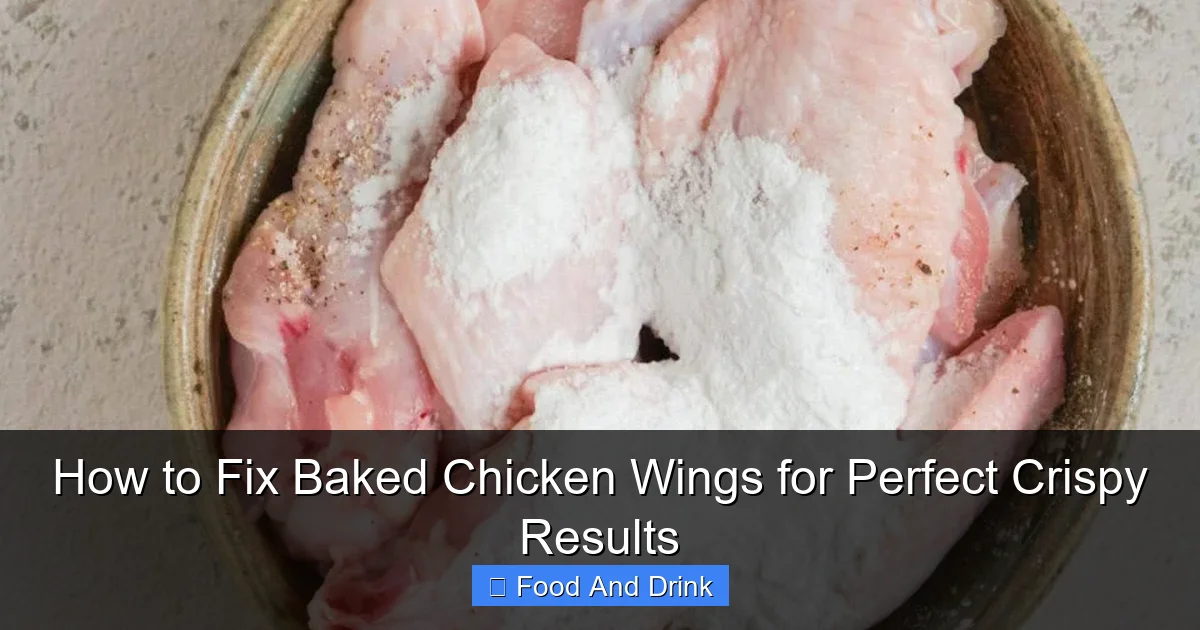
Here’s the game-changer: add baking powder to your seasoning mix. Use about 1 teaspoon of baking powder per pound of wings. Mix it with salt, pepper, garlic powder, and any other spices you like.
Why baking powder? It’s alkaline, which helps break down proteins in the skin, creating a more porous surface. This allows moisture to escape and promotes browning and crispiness. Just be sure to use baking powder—not baking soda—which can leave a metallic taste if used incorrectly.
Step 4: Use a Wire Rack
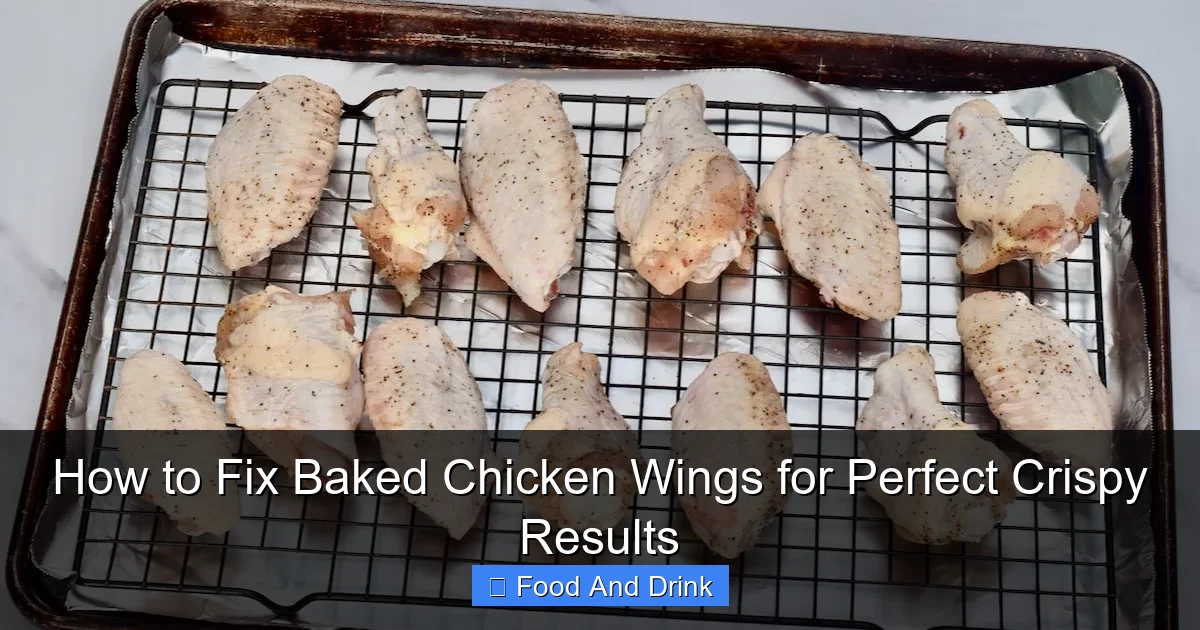
Place your seasoned wings on a wire rack set over a baking sheet. This elevates the wings, allowing hot air to flow underneath. Without a rack, the bottoms sit in their own juices, becoming soggy.
If you don’t have a wire rack, you can crumple up aluminum foil into balls and place the wings on top. It’s not as effective, but it’s better than nothing.
Step 5: Bake at the Right Temperature
Preheat your oven to 425°F. This high heat is essential for crisping the skin. Bake the wings for 40–50 minutes, flipping them halfway through. The exact time will depend on the size of your wings and your oven, so keep an eye on them.
You’ll know they’re done when the skin is golden brown and crispy, and the internal temperature reaches 165°F. Use a meat thermometer to check—don’t rely on time alone.
Step 6: Finish Under the Broiler
For extra crunch, turn on the broiler for the last 2–3 minutes. Watch closely—broilers can go from golden to burnt in seconds. This quick blast of intense heat crisps up the skin and adds a beautiful color.
Step 7: Let Them Rest
Once out of the oven, let the wings rest for 5 minutes before serving. This allows the juices to redistribute, keeping the meat moist. It also helps the skin stay crispy instead of softening from trapped steam.
Common Problems and How to Fix Them
Visual guide about How to Fix Baked Chicken Wings for Perfect Crispy Results
Image source: bakedbree.com
Even with the best techniques, things can go wrong. Here are the most common issues with baked wings and how to fix them.
Soggy Wings
If your wings are still soggy, it’s likely due to excess moisture or poor airflow. Make sure you’re using a wire rack and baking at a high enough temperature. Also, avoid overcrowding the pan—wings need space to crisp up.
Another fix: try a two-stage bake. Bake at 250°F for 30 minutes to slowly render fat, then increase to 425°F for 20–30 minutes to crisp the skin. This method works especially well for larger wings.
Dry or Overcooked Wings
Dry wings usually mean they were baked too long or at too high a temperature. To prevent this, use a meat thermometer and remove wings as soon as they hit 165°F. Also, avoid flipping them too often—once is enough.
If your wings are already dry, try tossing them in a light sauce right before serving. The sauce will add moisture and flavor, masking any dryness.
Uneven Cooking
This happens when wings are different sizes or not flipped properly. Always separate drumettes and flats, and flip them halfway through baking. Rotate the pan 180 degrees if your oven has hot spots.
Burnt Skin, Undercooked Meat
This is a sign of too-high heat. Lower the oven temperature to 400°F and extend the cooking time slightly. You can also cover the wings loosely with foil for the first 20 minutes to prevent burning, then remove it for the final crisp.
Flavor Boosters and Sauce Ideas
Once your wings are perfectly crispy, it’s time to add flavor. The right sauce can elevate your wings from good to unforgettable.
Classic Buffalo
Mix 1/2 cup hot sauce (like Frank’s RedHot), 1/4 cup melted butter, 1 tablespoon vinegar, and a pinch of garlic powder. Toss the warm wings in the sauce and serve with celery and blue cheese dressing.
Honey Garlic
Combine 1/4 cup honey, 3 minced garlic cloves, 2 tablespoons soy sauce, 1 tablespoon rice vinegar, and 1 teaspoon sesame oil. Simmer until thickened, then toss with wings.
Lemon Pepper
Skip the sauce and go dry. Toss wings with olive oil, lemon zest, black pepper, garlic powder, and a pinch of salt. Bright, zesty, and perfect for summer.
Spicy Korean
Mix 2 tablespoons gochujang, 1 tablespoon honey, 1 tablespoon soy sauce, 1 tablespoon rice vinegar, 1 teaspoon sesame oil, and 1 minced garlic clove. Toss and garnish with sesame seeds and green onions.
BBQ Glaze
Brush wings with your favorite BBQ sauce during the last 5 minutes of baking. The sugar in the sauce will caramelize, creating a sticky, glossy finish.
Tips for Perfect Wings Every Time
Here are a few extra tips to ensure your baked wings are always a hit.
Use a Meat Thermometer
Don’t guess—measure. Insert the thermometer into the thickest part of the drumette, avoiding the bone. 165°F is the safe internal temperature.
Don’t Over-Sauce
Too much sauce can make wings soggy. Toss them lightly, or serve sauce on the side for dipping.
Prep Ahead
You can season and refrigerate wings up to 24 hours in advance. This not only saves time but also improves flavor and crispiness.
Experiment with Spices
Try smoked paprika, cayenne, onion powder, or even a pinch of cinnamon for warmth. The possibilities are endless.
Serve Immediately
Crispy wings are best eaten right away. If you need to hold them, place them on a wire rack in a warm oven (200°F) for no more than 30 minutes.
Conclusion: Master the Art of Baked Wings
Fixing baked chicken wings isn’t about magic—it’s about understanding the basics of moisture, heat, and technique. By drying your wings, using baking powder, baking on a rack, and finishing under the broiler, you can achieve crispy, juicy results every single time.
Whether you’re feeding a crowd or just treating yourself, these tips will transform your wing game. Say goodbye to soggy, dry, or unevenly cooked wings. With a little practice and the right approach, you’ll be serving up restaurant-quality baked wings that everyone will rave about.
So preheat that oven, grab your tongs, and get ready to enjoy the crispiest, most delicious baked chicken wings of your life.
Frequently Asked Questions
What temperature should I bake chicken wings?
Bake chicken wings at 400°F to 425°F for the best crispiness. This high heat renders fat and crisps the skin without drying out the meat.
How do I make baked wings crispy without frying?
Pat wings dry, toss with baking powder, bake on a wire rack at 425°F, and finish under the broiler for 2–3 minutes to achieve a crispy texture.
Can I use frozen wings?
Yes, but thaw them completely in the fridge first. Frozen wings release more moisture, which can lead to sogginess if not handled properly.
How do I prevent wings from sticking to the pan?
Use a wire rack or line the pan with parchment paper. Lightly grease the rack or paper if needed, but avoid oil sprays that can cause flare-ups.
Should I cover wings while baking?
Only cover them loosely with foil if they’re browning too quickly. Remove the foil for the final 10–15 minutes to crisp the skin.
How do I reheat baked wings?
Reheat in a 375°F oven for 10–15 minutes, or in an air fryer at 375°F for 5–7 minutes. Avoid the microwave, as it makes wings soggy.


