
Keeping your Hamilton Beach coffee maker clean ensures better-tasting coffee and extends the life of your machine. With just a few simple steps using common household items, you can remove mineral buildup, coffee oils, and residue that affect performance and flavor.
Key Takeaways
- Clean your coffee maker regularly: Aim for a deep clean every 1–2 months to prevent scale and residue buildup.
- Use vinegar for descaling: A 50/50 mix of white vinegar and water effectively removes mineral deposits from internal parts.
- Don’t forget removable parts: Wash the carafe, filter basket, and lid in warm, soapy water after each use.
- Run multiple rinse cycles: After descaling, run 2–3 cycles with fresh water to eliminate vinegar taste and odor.
- Wipe down exterior surfaces: Use a damp cloth to clean the outside, including the warming plate and control panel.
- Replace water filters if applicable: Some models use water filters—replace them as recommended to maintain performance.
- Store properly when not in use: Keep the machine dry and covered to prevent dust and mold.
Quick Answers to Common Questions
How often should I clean my Hamilton Beach coffee maker?
Deep clean with vinegar every 1–2 months, or more often if you use it daily or have hard water. Rinse removable parts after each use.
Can I use apple cider vinegar instead of white vinegar?
No, stick to white distilled vinegar. Apple cider vinegar can leave behind odors and residues that affect coffee taste.
Is it safe to clean the heating plate with vinegar?
Yes, but only wipe it with a damp cloth. Never pour vinegar directly onto the warming plate.
What if my coffee still tastes like vinegar after cleaning?
Run 2–3 additional rinse cycles with fresh water. Using filtered water can help eliminate any lingering taste.
Can I clean my coffee maker with baking soda?
Baking soda is great for scrubbing stains on the carafe but isn’t effective for descaling. Use vinegar for internal cleaning.
📑 Table of Contents
- Why Cleaning Your Hamilton Beach Coffee Maker Matters
- What You’ll Need to Clean Your Coffee Maker
- Step 1: Empty and Rinse the Coffee Maker
- Step 2: Descale with Vinegar Solution
- Step 3: Rinse Thoroughly with Fresh Water
- Step 4: Clean Removable Parts and Exterior
- Step 5: Reassemble and Maintain Regularly
- Bonus Tips for Long-Term Care
Why Cleaning Your Hamilton Beach Coffee Maker Matters
You love your morning cup of coffee—rich, aromatic, and just the way you like it. But have you ever noticed a slight change in flavor over time? Maybe your coffee tastes a little off, or the machine takes longer to brew than it used to. These are common signs that your Hamilton Beach coffee maker needs a good cleaning.
Over time, mineral deposits from hard water, coffee oils, and leftover grounds can build up inside your machine. This not only affects the taste of your coffee but can also clog internal components, reduce heating efficiency, and even shorten the lifespan of your appliance. Regular cleaning keeps your coffee maker running smoothly and ensures every cup tastes as good as the first.
Thankfully, cleaning your Hamilton Beach coffee maker doesn’t have to be complicated or time-consuming. With just a few simple steps and common household ingredients, you can restore your machine to peak performance. Whether you’re using a single-serve model or a 12-cup drip brewer, the process is straightforward and highly effective.
What You’ll Need to Clean Your Coffee Maker
Before you begin, gather the supplies you’ll need. Most of these items are likely already in your kitchen, making the process quick and budget-friendly.

Visual guide about How to Clean Hamilton Beach Coffee Maker in 5 Easy Steps
Image source: cdn.partsfe.com
Essential Cleaning Supplies
- White distilled vinegar (the star ingredient for descaling)
- Fresh, clean water
- Mild dish soap
- Soft sponge or cloth
- Toothbrush (for scrubbing small parts)
- Microfiber towel (for drying)
Optional but Helpful Items
- Baking soda (for extra scrubbing power on stubborn stains)
- Commercial coffee machine cleaner (if you prefer not to use vinegar)
- Replacement water filter (if your model uses one)
Using vinegar is the most popular and cost-effective method for descaling, but if you’re sensitive to the smell or prefer a commercial product, there are alternatives. Just make sure any cleaner you use is safe for coffee makers and follow the manufacturer’s instructions.
Step 1: Empty and Rinse the Coffee Maker
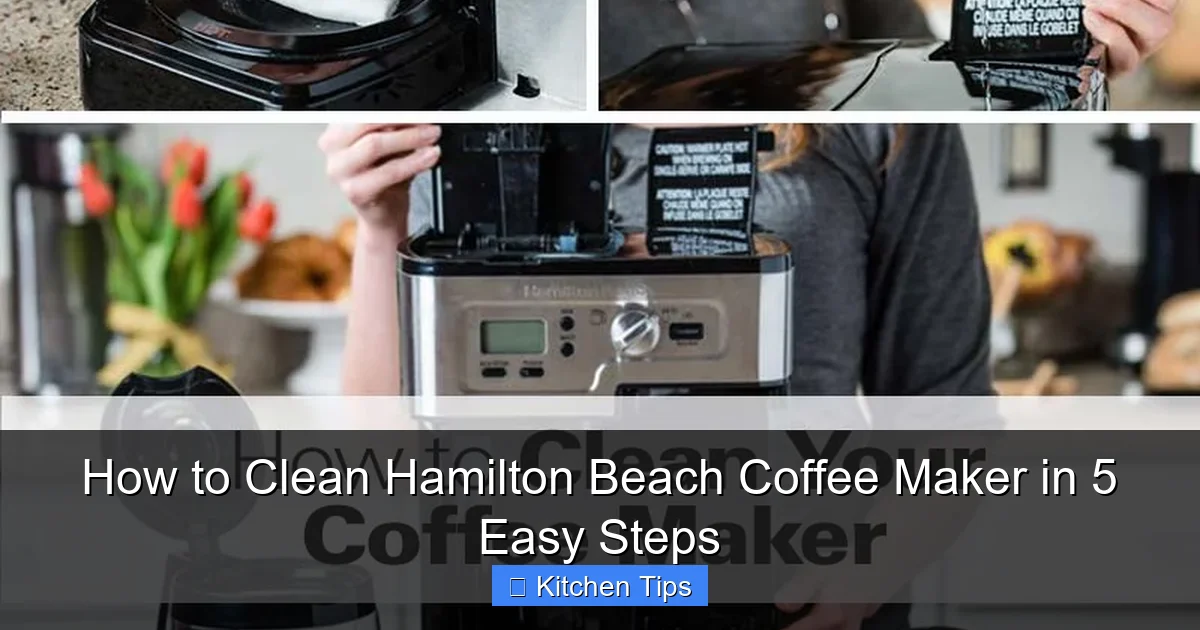
The first step in cleaning your Hamilton Beach coffee maker is to empty it completely. Start by turning off the machine and unplugging it from the power source. Safety first!
Visual guide about How to Clean Hamilton Beach Coffee Maker in 5 Easy Steps
Image source: hamiltonbeach.com
Remove the carafe and discard any leftover coffee. Take out the filter basket and used coffee grounds. If you used a paper filter, toss it. If you used a reusable filter, rinse it thoroughly under warm water to remove any stuck grounds.
Rinse All Removable Parts
Wash the carafe, filter basket, and any other detachable parts (like the lid or water reservoir cover) in warm, soapy water. Use a soft sponge to gently scrub away coffee stains and residue. For stubborn buildup, let the parts soak for 10–15 minutes before scrubbing.
Pay special attention to the inside of the carafe, where oils and stains tend to accumulate. A toothbrush works great for reaching tight corners. Once clean, rinse all parts thoroughly and set them aside to air dry or dry with a microfiber towel.
Wipe Down the Interior
Use a damp cloth to wipe the inside of the water reservoir and the area around the brew basket. Avoid using harsh chemicals or abrasive scrubbers, as they can damage the machine’s interior surfaces.
This initial rinse removes surface debris and prepares the machine for a deeper clean. Skipping this step can leave behind residue that interferes with the descaling process.
Step 2: Descale with Vinegar Solution
Now it’s time to tackle mineral buildup—the main culprit behind slow brewing and off flavors. Descaling removes calcium and lime deposits that accumulate from hard water.

Visual guide about How to Clean Hamilton Beach Coffee Maker in 5 Easy Steps
Image source: blog.hamiltonbeach.com
Prepare the Vinegar Mixture
Mix equal parts white distilled vinegar and water. For most Hamilton Beach coffee makers, a 50/50 ratio works perfectly. For example, if your machine holds 48 ounces of water, use 24 ounces of vinegar and 24 ounces of water.
Pour the solution into the water reservoir. Make sure not to exceed the maximum fill line. If your model has a water filter, remove it before adding the vinegar mixture—vinegar can damage certain filter types.
Run a Brew Cycle
Place the empty carafe back into the machine and start a brew cycle. Let the vinegar solution run through the system just like you would with regular water and coffee.
Once the cycle completes, turn off the machine and let the vinegar sit in the reservoir for 15–30 minutes. This gives it time to break down stubborn mineral deposits. For heavy buildup, you can let it sit longer—up to an hour.
After soaking, run another brew cycle to flush out the vinegar. This helps ensure all traces of the solution are removed from the internal tubing and heating elements.
Step 3: Rinse Thoroughly with Fresh Water
Vinegar is highly effective, but you don’t want your coffee tasting like a cleaning product. That’s why thorough rinsing is essential.
Run Multiple Rinse Cycles
Empty the carafe and rinse it well. Fill the water reservoir with fresh, clean water—no vinegar this time. Run a complete brew cycle using just water.
Repeat this process 2–3 times, or until the vinegar smell is completely gone. You can sniff the carafe after each cycle to check. If you still detect a vinegar odor, run one more rinse.
Tip: Use Filtered Water
Using filtered or distilled water during rinse cycles helps prevent new mineral buildup and ensures a cleaner taste. It’s also a good idea to use filtered water for your daily brewing to reduce the need for frequent descaling.
After the final rinse, wipe down the warming plate and exterior with a damp cloth to remove any water spots or residue.
Step 4: Clean Removable Parts and Exterior
While the machine is running rinse cycles, take the time to deep-clean the removable components and exterior surfaces.
Scrub the Carafe and Filter Basket
If your carafe has stubborn coffee stains, try this trick: fill it with warm water and a tablespoon of baking soda. Let it sit for 15 minutes, then scrub with a sponge or brush. The mild abrasive action of baking soda lifts stains without scratching glass or plastic.
For the filter basket, check for clogs in the mesh or holes. Use a toothbrush to gently clean these areas. If your model has a permanent gold-tone filter, avoid using vinegar directly on it—rinse with water and mild soap instead.
Wipe Down the Exterior
Use a soft, damp cloth to wipe the outside of the coffee maker, including the control panel, buttons, and warming plate. Avoid spraying water directly onto the machine. For sticky spots, dampen the cloth with a little soapy water, then wipe clean.
Dry all surfaces with a microfiber towel to prevent water spots and fingerprints. If your model has a stainless steel exterior, you can use a stainless steel cleaner for a polished finish.
Step 5: Reassemble and Maintain Regularly
Once everything is clean and dry, reassemble your coffee maker. Make sure all parts are properly seated and secure.
Run a Test Brew
Fill the reservoir with fresh water and run one final brew cycle with no coffee. This ensures the machine is fully rinsed and ready for use. Discard the water—don’t drink it!
Now your Hamilton Beach coffee maker is clean, fresh, and ready to brew delicious coffee again.
Establish a Cleaning Routine
To keep your machine in top shape, make cleaning a regular habit. Here’s a simple maintenance schedule:
- Daily: Rinse carafe and filter basket after each use.
- Weekly: Wipe down exterior and warming plate.
- Monthly: Deep clean with vinegar solution.
- As needed: Replace water filters or clean reusable filters.
Sticking to this routine prevents buildup and keeps your coffee tasting great. Plus, it saves you time and effort in the long run.
Bonus Tips for Long-Term Care
A few extra habits can go a long way in maintaining your coffee maker’s performance and longevity.
Use Quality Water
Hard water accelerates mineral buildup. If you live in an area with hard water, consider using a water softener or switching to filtered water for brewing.
Avoid Overfilling
Always follow the fill lines in the water reservoir. Overfilling can cause leaks, spills, and damage to internal components.
Store Properly
If you won’t be using your coffee maker for an extended period, make sure it’s completely dry before storing. Leave the carafe and filter basket out to air out, and cover the machine to prevent dust accumulation.
With these simple steps, your Hamilton Beach coffee maker will stay clean, efficient, and ready to deliver that perfect cup of coffee—every single time.
Frequently Asked Questions
Can I use commercial descaling solutions instead of vinegar?
Yes, commercial cleaners are effective and often odor-free. Just make sure they’re compatible with your Hamilton Beach model and follow the instructions carefully.
How do I know if my coffee maker needs descaling?
Signs include slower brewing, reduced water flow, unusual noises, or a change in coffee taste. If you live in a hard water area, descale more frequently.
Should I clean the water reservoir separately?
Yes, wipe it with a damp cloth during regular cleaning. For deep cleaning, the vinegar solution will clean it during the brew cycle.
Can I put coffee maker parts in the dishwasher?
Check your user manual—some carafes and filter baskets are dishwasher safe, but others may warp or degrade. Hand washing is always safe.
What if my coffee maker has a built-in water filter?
Remove the filter before descaling with vinegar, as it can damage the filter. Replace the filter as recommended by the manufacturer.
How long does it take to clean a Hamilton Beach coffee maker?
The entire process takes about 30–45 minutes, including soaking and rinse cycles. Most of the time is hands-off, so you can multitask.