

Wondering how much roast chicken for 6 people? A whole 4–5 lb chicken typically serves 4–6, but for guaranteed satisfaction, plan for ¾ to 1 lb per person. This guide breaks down portion sizes, cooking tips, and smart leftovers planning to help you serve a delicious, stress-free meal every time.
Hosting a dinner for six can be both exciting and a little nerve-wracking—especially when it comes to getting the food quantities just right. You want everyone to leave the table happy and full, but you also don’t want to be drowning in leftovers (unless that’s your goal!). One of the most classic, crowd-pleasing centerpieces for a family meal or casual gathering is roast chicken. It’s comforting, versatile, and universally loved. But here’s the million-dollar question: *How much roast chicken for 6 people?*
The answer isn’t one-size-fits-all. It depends on appetite, side dishes, whether you’re serving a whole bird or cut-up pieces, and even how you plan to use any leftovers. Some people prefer a modest portion with plenty of sides, while others see roast chicken as the star of the show and want a hearty helping. Plus, there’s the matter of bones—whole chickens include inedible parts that take up space and weight, so you can’t just divide total pounds by six and call it a day.
In this complete guide, we’ll walk you through everything you need to know to calculate the perfect amount of roast chicken for six guests. From understanding raw vs. cooked weight to choosing between a whole bird and individual cuts, we’ll cover practical tips, real-world examples, and expert advice to help you plan like a pro. Whether you’re a seasoned home cook or hosting your first dinner party, this guide will take the guesswork out of portioning so you can focus on flavor, fun, and feeding your loved ones well.
Key Takeaways
- Plan for ¾ to 1 pound of raw chicken per person: This ensures generous portions and accounts for bone weight and shrinkage during roasting.
- A 4–5 pound whole chicken feeds 6 comfortably: Ideal for standard appetites; go larger if guests love leftovers or sides are light.
- Consider your menu balance: Hearty sides like mashed potatoes or stuffing reduce needed chicken; lighter meals require more protein.
- Bone-in vs. boneless makes a big difference: Boneless breasts or thighs cook faster and yield more edible meat, but whole birds offer richer flavor.
- Always account for shrinkage: Roasting reduces weight by 25–30%, so start with extra to avoid running short.
- Use leftovers wisely: Plan soups, salads, or sandwiches the next day—roast chicken shines in multiple dishes.
- Rest your chicken before carving: Letting it rest 15–20 minutes keeps juices in and makes carving easier and cleaner.
Quick Answers to Common Questions
How much raw chicken do I need for 6 people?
Plan for ¾ to 1 pound of raw chicken per person, so 4.5 to 6 pounds total for six people.
Can one whole chicken feed 6 people?
Yes, a 4–5 pound whole chicken can feed 6, especially with hearty sides. For larger appetites, consider a bigger bird or two smaller ones.
Should I buy bone-in or boneless chicken?
Bone-in stays juicier and is more flavorful; boneless is easier to serve and yields more meat. Choose based on your priorities.
How do I prevent dry roast chicken?
Season ahead, roast at 375°F–400°F, use a meat thermometer, and let it rest 15–20 minutes before carving.
What can I do with leftover roast chicken?
Make soup, salad, tacos, casseroles, or stir-fry—leftover chicken is incredibly versatile and delicious.
📑 Table of Contents
Understanding Roast Chicken Portions: The Basics
When it comes to planning how much roast chicken for 6 people, the first step is understanding how chicken portions work. Unlike pasta or rice, where you can easily measure cooked servings, chicken—especially when roasted whole—requires a bit more thought. The key is to think in terms of *edible meat* rather than total weight.
A whole roast chicken includes bones, skin, and some fat, all of which reduce the amount of actual meat you’ll get. On average, a whole chicken yields about 60–70% edible meat after cooking and carving. That means a 5-pound chicken might give you roughly 3 to 3.5 pounds of meat. Factor in that roasting causes moisture loss (shrinkage), and you’re looking at even less by the time it hits the plate.
So, how do you translate that into servings? Most cooking experts recommend planning for **¾ to 1 pound of raw chicken per person** when serving a main course. This range accounts for bone weight, shrinkage, and varying appetites. If your guests are big eaters or you’re serving lighter sides, lean toward the higher end. If you’re pairing the chicken with rich sides like mac and cheese, roasted vegetables, or a hearty salad, you can safely go with ¾ pound per person.
Let’s break it down with a real example. Say you’re hosting six people and want to serve a classic Sunday roast with mashed potatoes, green beans, and gravy. You estimate moderate appetites and a well-balanced meal. Using the ¾-pound guideline, you’d need about 4.5 pounds of raw chicken total. That’s right in the sweet spot for a 4–5 pound whole bird. But if you know your crowd loves leftovers or tends to eat heartily, bump it up to 1 pound per person—that’s 6 pounds total, so you might opt for a larger 6-pound chicken or even two smaller ones.
It’s also helpful to consider the type of chicken you’re buying. Organic, free-range, or heritage breeds often have less fat and more muscle, which can affect yield. And remember: bigger isn’t always better. A chicken over 6 pounds can be tough to cook evenly and may dry out in the center. Stick to the 4–6 pound range for best results.
Whole Chicken vs. Cut-Up Pieces: Which Is Right for You?
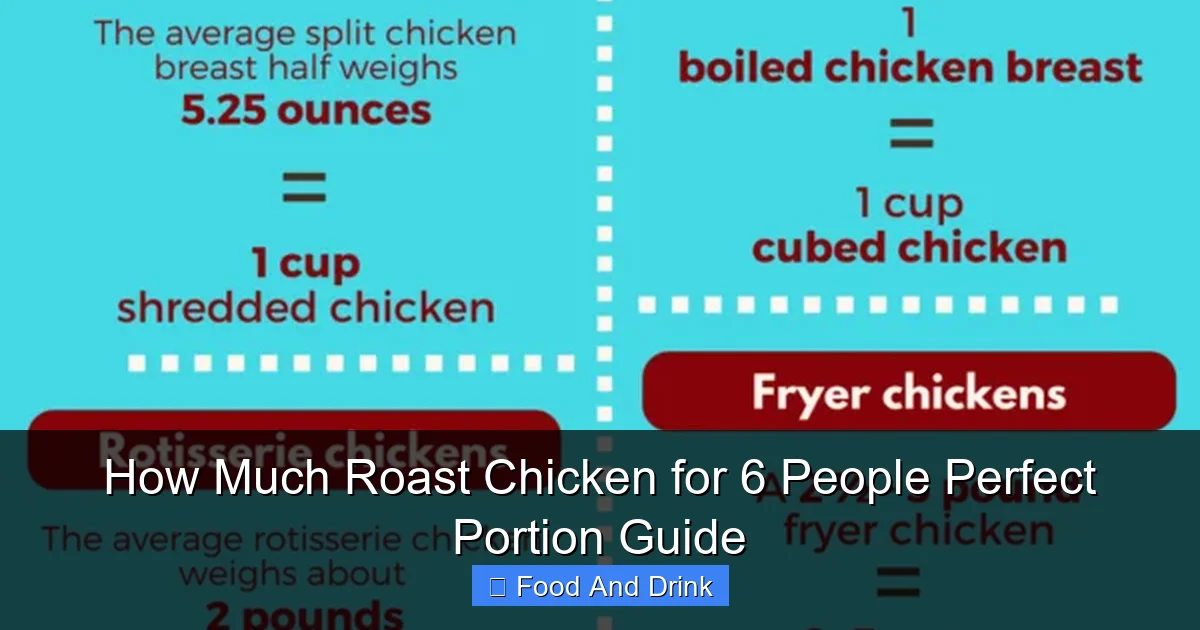
Visual guide about How Much Roast Chicken for 6 People Perfect Portion Guide
Image source: dinnertonight.tamu.edu
One of the first decisions you’ll make when planning your roast chicken meal is whether to go with a whole bird or pre-cut pieces. Both have their pros and cons, and the choice can significantly impact how much you need and how it turns out.
Whole Roast Chicken: Flavor and Presentation
A whole roasted chicken is the gold standard for many home cooks. It’s impressive on the platter, juicy when done right, and delivers that classic, comforting aroma that fills the kitchen. Whole birds also tend to stay moister during roasting because the skin and bones help insulate the meat.
When it comes to portioning, a whole chicken is usually the most economical choice. You’re paying for the entire bird, but you get all the parts—breast, thighs, wings, drumsticks—which means variety on the plate. For six people, a 4–5 pound whole chicken is typically sufficient, especially if you’re serving generous sides.
However, keep in mind that not all parts are equal in meat yield. The breast is lean and popular, but the thighs and drumsticks are more flavorful and forgiving if overcooked. Some guests might prefer dark meat, while others go straight for the white. A whole bird gives everyone options, which can be a big plus.
Cut-Up Chicken: Convenience and Consistency
If you’re short on time or prefer more control over portions, buying pre-cut chicken pieces (like breasts, thighs, or a mix) might be the way to go. This option eliminates the need for carving and allows you to tailor the meat types to your guests’ preferences.
For example, if you know your group loves juicy, flavorful dark meat, you could roast a mix of bone-in thighs and drumsticks. Or, if you’re aiming for a leaner meal, go with skin-on chicken breasts. Cut-up pieces also cook more evenly than a whole bird, since there’s no risk of the breast drying out before the legs are done.
In terms of quantity, the same ¾ to 1 pound per person rule applies. But because there are no bones (or fewer bones, depending on the cut), you’ll get more edible meat per pound. That means you might need slightly less raw weight compared to a whole bird. For six people, 4–4.5 pounds of cut-up pieces should be plenty.
One downside? Cut-up chicken can be more expensive per pound than a whole bird. And you miss out on that beautiful, golden-brown whole chicken presentation. But for weeknight dinners or when you’re feeding picky eaters, the convenience often outweighs the cost.
Boneless Options: Maximum Meat, Minimum Effort
For the ultimate in ease and yield, consider boneless, skin-on chicken breasts or thighs. These cuts have almost no waste—just pure, tender meat—and cook quickly. They’re perfect if you’re short on time or want to avoid the mess of carving.
Boneless breasts are great for a clean, elegant presentation, especially if you’re serving the chicken sliced over a bed of greens or alongside creamy polenta. Thighs are richer and more forgiving, making them ideal for beginners or busy weeknights.
With boneless cuts, you can safely plan for **½ to ¾ pound per person**, since there’s no bone weight to account for. So for six people, 3–4.5 pounds of boneless meat should do the trick. Just be careful not to overcook—boneless pieces dry out faster than bone-in.
Calculating the Right Amount: Step-by-Step Guide
Visual guide about How Much Roast Chicken for 6 People Perfect Portion Guide
Image source: plyvinecatering.co.uk
Now that you understand the basics, let’s walk through a simple, step-by-step method to calculate exactly how much roast chicken you need for six people. This approach takes the guesswork out of planning and helps you avoid both shortages and excessive leftovers.
Step 1: Assess Your Guests’ Appetites
Not all dinner parties are created equal. Are you feeding a group of light eaters who prefer small portions and lots of sides? Or are you hosting a family of hearty appetites who see chicken as the main event? Start by estimating the average appetite level.
– **Light eaters:** ¾ pound per person
– **Average eaters:** 1 pound per person
– **Big eaters or leftovers lovers:** 1¼ to 1½ pounds per person
For a typical group of six, assume average appetites unless you know otherwise.
Step 2: Consider Your Side Dishes
The heartiness of your sides plays a big role in how much chicken you’ll need. If you’re serving rich, filling dishes like stuffing, mashed potatoes, mac and cheese, or a grain salad, your guests will likely eat less protein. But if sides are light—think simple green beans, a basic salad, or roasted carrots—you’ll want more chicken to satisfy hunger.
Use this quick guide:
– **Heavy sides:** Reduce chicken by ¼ pound per person
– **Light sides:** Increase chicken by ¼ pound per person
– **Balanced meal:** Stick to the standard ¾–1 pound
For example, if you’re serving roast chicken with buttery mashed potatoes and gravy, you might go with ¾ pound per person. But if it’s just chicken and a side salad, bump it up to 1 pound.
Step 3: Choose Your Chicken Format
As discussed earlier, the type of chicken affects yield:
– **Whole bird:** 60–70% edible meat
– **Bone-in pieces:** 70–75% edible meat
– **Boneless pieces:** 90–95% edible meat
Adjust your total weight based on your choice. For a whole chicken, aim for the higher end of the portion range to account for bones and shrinkage.
Step 4: Do the Math
Let’s say you’re serving six people with average appetites, balanced sides, and a whole chicken. Using 1 pound per person:
– 6 people × 1 pound = 6 pounds raw chicken needed
– But since a whole chicken yields ~65% meat, you’ll need a bird that’s about 6 ÷ 0.65 ≈ **9.2 pounds**—which is too big!
Wait—that doesn’t make sense. Here’s the correction: You don’t need to divide by yield when planning raw weight. Instead, use the ¾–1 pound *raw* per person rule, which already accounts for bones and shrinkage.
So for six people at 1 pound each: **6 pounds of raw whole chicken**. But since most whole chickens max out at 6 pounds, you might need to either:
– Buy a 5–6 pound chicken and accept slightly smaller portions, or
– Roast two smaller chickens (e.g., two 3-pound birds) for more flexibility and even cooking.
Alternatively, if you go with ¾ pound per person: 6 × 0.75 = **4.5 pounds raw**—perfect for a single 4–5 pound bird.
Step 5: Plan for Leftovers (or Not)
Finally, decide if you want leftovers. If yes, add an extra ½ to 1 pound total. Leftover roast chicken is incredibly versatile—great for salads, soups, tacos, or sandwiches. If you’re feeding a family or love meal prep, this is a smart move.
But if you’re hosting a formal dinner or don’t want extra food, stick to the calculated amount. Better to have a little extra side dish than too much chicken.
Cooking Tips for Perfect Roast Chicken
Visual guide about How Much Roast Chicken for 6 People Perfect Portion Guide
Image source: missvickie.com
Once you’ve nailed the portion size, the next step is cooking your chicken to juicy, golden perfection. A well-roasted chicken can elevate any meal, but a dry or undercooked one can ruin it. Here are some expert tips to ensure your roast chicken is a hit.
Season Generously and Ahead of Time
Flavor starts with seasoning. Don’t just sprinkle salt and pepper at the last minute. For maximum taste, season your chicken at least 1 hour before roasting—or even overnight in the fridge. This allows the salt to penetrate the meat, enhancing both flavor and moisture retention.
Use a simple mix of salt, pepper, garlic powder, onion powder, and herbs like thyme, rosemary, or sage. For extra richness, rub the skin with softened butter or olive oil. You can also stuff the cavity with aromatics like lemon halves, garlic cloves, and fresh herbs—this infuses the meat with subtle flavor as it roasts.
Roast at the Right Temperature
The ideal roasting temperature for chicken is **375°F to 400°F (190°C to 200°C)**. This range ensures the skin crisps up while the meat stays tender. Avoid high heat (450°F+), which can dry out the breast before the thighs are done.
For even cooking, place the chicken breast-side up on a rack in a roasting pan. This allows hot air to circulate underneath and prevents the bottom from steaming. If you don’t have a rack, you can use chopped vegetables (like onions, carrots, and celery) as a bed—they’ll absorb drippings and make a flavorful base for gravy.
Use a Meat Thermometer
The only reliable way to know your chicken is done is with a meat thermometer. Insert it into the thickest part of the thigh, avoiding the bone. The internal temperature should reach **165°F (74°C)**. At this point, the juices run clear, and the meat is safe to eat.
But don’t stop there—let the chicken rest for **15–20 minutes** before carving. This allows the juices to redistribute, keeping the meat moist. Cover loosely with foil to keep it warm.
Baste for Extra Juiciness (Optional)
Basting—brushing the chicken with its own pan juices—can help keep the skin moist and flavorful. Do this every 20–30 minutes during roasting. But don’t open the oven too often, or you’ll lose heat and extend cooking time.
Carve Like a Pro
Once rested, carving is easy. Start by removing the legs: pull the thigh away from the body, then cut through the joint. Next, slice the breast meat against the grain into even portions. Serve with the skin on for maximum flavor and texture.
Smart Leftover Ideas and Storage
Even with careful planning, you might end up with leftover roast chicken—and that’s a good thing! Leftovers mean less cooking later in the week and more opportunities to enjoy that delicious meat in new ways.
Storing Leftovers Safely
Cool leftover chicken within 2 hours of cooking and store it in an airtight container in the fridge for up to **4 days**. For longer storage, freeze it for up to 3 months. Label containers with the date to keep track.
Creative Leftover Recipes
Turn leftover chicken into:
– **Chicken salad:** Mix diced meat with mayo, celery, grapes, and herbs. Serve on bread or greens.
– **Chicken soup or stew:** Simmer with broth, vegetables, and noodles or rice.
– **Tacos or wraps:** Shred the meat and warm with spices, salsa, and avocado.
– **Casseroles:** Combine with pasta, cheese, and veggies for a comforting bake.
– **Fried rice or stir-fry:** Add to a wok with soy sauce, vegetables, and scrambled egg.
These dishes not only reduce waste but also give your roast chicken a second life.
Common Mistakes to Avoid
Even experienced cooks can make mistakes when roasting chicken. Here are a few to watch out for:
– **Overcooking:** This is the #1 cause of dry chicken. Use a thermometer and don’t rely on time alone.
– **Underseasoning:** Salt is essential for flavor. Don’t be shy!
– **Skipping the rest period:** Cutting too soon lets juices escape.
– **Using a cold chicken:** Let it sit at room temp for 30 minutes before roasting for even cooking.
– **Crowding the pan:** Give the chicken space for proper browning.
Avoid these pitfalls, and your roast chicken will shine every time.
Conclusion
Figuring out how much roast chicken for 6 people doesn’t have to be stressful. With the right planning—using the ¾ to 1 pound per person rule, choosing the right cut, and accounting for sides and appetites—you can serve a delicious, satisfying meal without waste or worry. Whether you go with a golden whole bird or convenient cut-up pieces, the key is balance: enough protein to please, paired with sides that complement without overwhelming.
Remember, roast chicken is more than just a meal—it’s a tradition, a comfort, and a canvas for creativity. So fire up the oven, season with love, and enjoy the smiles around your table. With this guide in hand, you’re ready to roast like a pro.
Frequently Asked Questions
How much cooked chicken will I get from a 5-pound whole chicken?
A 5-pound whole chicken yields about 3 to 3.5 pounds of cooked, edible meat after roasting and carving, accounting for bones and shrinkage.
Is it better to roast a whole chicken or cut-up pieces?
Whole chickens offer better flavor and presentation, while cut-up pieces cook more evenly and are easier to serve. Choose based on your needs.
Can I freeze leftover roast chicken?
Yes, store cooled chicken in an airtight container and freeze for up to 3 months. Thaw in the fridge before reheating.
How long does it take to roast a 5-pound chicken?
At 375°F, a 5-pound chicken takes about 1 hour and 45 minutes to 2 hours. Always check internal temperature—165°F in the thigh.
Should I brine my chicken before roasting?
Brining (soaking in saltwater) adds moisture and flavor, especially for lean breasts. It’s optional but highly recommended for extra juiciness.
What sides go well with roast chicken?
Classic pairings include mashed potatoes, roasted vegetables, stuffing, green beans, and gravy. Lighter options include salads or grain bowls.