



Grilled chicken is a lean, protein-rich food that supports muscle growth, weight management, and overall health—but how much is too much? This guide breaks down daily intake recommendations, nutritional benefits, and practical tips to help you enjoy grilled chicken safely and effectively as part of a balanced diet.
Key Takeaways
- Daily Portion Size: Most adults should aim for 3–4 ounces (about 85–113 grams) of grilled chicken per meal, or 6–8 ounces total per day, depending on activity level and dietary needs.
- High-Quality Protein Source: Grilled chicken provides all nine essential amino acids, making it a complete protein that supports muscle repair, satiety, and metabolic health.
- Low in Fat and Calories: When skinless and grilled without added oils, chicken breast is low in saturated fat and calories—ideal for weight management.
- Rich in Key Nutrients: It’s packed with B vitamins (especially B6 and niacin), selenium, phosphorus, and choline, which support energy, brain function, and immune health.
- Balance Is Key: While nutritious, grilled chicken shouldn’t dominate your plate—pair it with vegetables, whole grains, and healthy fats for a well-rounded meal.
- Watch for Overconsumption Risks: Eating excessive amounts daily may lead to nutrient imbalances or digestive discomfort; variety in protein sources is essential.
- Cooking Method Matters: Grilling preserves nutrients better than frying and avoids added unhealthy fats—just avoid charring to reduce potential carcinogens.
Quick Answers to Common Questions
How much grilled chicken is safe to eat per day?
Most adults can safely eat 6–8 ounces (170–225 grams) of grilled chicken daily, split between meals. This provides ample protein without overloading your system.
Can I eat grilled chicken every day?
Yes, but aim for variety. Rotate with other protein sources like fish, beans, eggs, and tofu to ensure a balanced intake of nutrients.
Is grilled chicken better than fried chicken?
Absolutely. Grilled chicken is lower in calories and unhealthy fats, and it retains more nutrients compared to fried versions.
Does grilling chicken reduce its protein content?
No, grilling preserves protein well. In fact, it’s one of the best cooking methods for maintaining nutritional value.
Can eating too much grilled chicken cause health problems?
Excessive intake may lead to nutrient imbalances, digestive issues, or excess calories. Moderation and dietary variety are key.
📑 Table of Contents
- Why Grilled Chicken Is a Health Powerhouse
- Understanding Protein Needs and Grilled Chicken’s Role
- Nutritional Profile of Grilled Chicken
- How Much Is Too Much? Risks of Overeating Grilled Chicken
- Building Balanced Meals with Grilled Chicken
- Grilled Chicken for Different Health Goals
- Common Mistakes to Avoid
- Conclusion: Finding Your Perfect Portion
Why Grilled Chicken Is a Health Powerhouse
Grilled chicken has earned its spot as a staple in healthy diets around the world—and for good reason. It’s lean, versatile, and loaded with high-quality protein, making it a go-to choice for athletes, fitness enthusiasts, and anyone looking to eat clean. Unlike fried or breaded versions, grilled chicken retains its nutritional value without adding unnecessary calories, sodium, or unhealthy fats. Whether you’re trying to lose weight, build muscle, or simply maintain a balanced diet, grilled chicken can be a reliable ally.
But here’s the catch: even healthy foods can become problematic if eaten in excess. So, how much grilled chicken should you eat daily for optimal health? The answer isn’t one-size-fits-all. It depends on your age, sex, activity level, overall diet, and health goals. For most adults, a reasonable daily intake ranges from 6 to 8 ounces (about 170–225 grams), split across meals. That’s roughly the size of two to three palm-sized portions. This amount provides enough protein to support bodily functions without overwhelming your system.
Understanding Protein Needs and Grilled Chicken’s Role

Visual guide about How Much Grilled Chicken Should You Eat Daily for Optimal Health
Image source: shungrill.com
Protein is essential for building and repairing tissues, producing enzymes and hormones, and maintaining muscle mass—especially as we age. The Recommended Dietary Allowance (RDA) for protein is 0.8 grams per kilogram of body weight for the average sedentary adult. However, active individuals, pregnant women, and older adults may need more—up to 1.2–2.0 grams per kilogram.
Grilled chicken is an excellent way to meet these needs. A 3-ounce (85-gram) serving of skinless grilled chicken breast contains about 26 grams of protein and only 140 calories. That’s significantly more protein per calorie than many other foods. For example, the same amount of beef might have similar protein but nearly double the fat and calories. Chicken thighs are slightly higher in fat but still a healthy option when consumed in moderation.
Let’s say you weigh 150 pounds (about 68 kg). Your baseline protein need is around 54 grams per day. If you’re moderately active, you might aim for 80–100 grams. Two 4-ounce servings of grilled chicken (one at lunch, one at dinner) would give you about 52 grams of protein—already covering half your daily needs. The rest can come from eggs, dairy, legumes, nuts, or fish.
How Activity Level Affects Your Intake
Your lifestyle plays a big role in determining how much grilled chicken you should eat. Someone who works out regularly or lifts weights needs more protein to repair and build muscle. In these cases, consuming 1.6–2.2 grams of protein per kilogram of body weight is often recommended. For a 150-pound person, that’s 110–150 grams of protein daily. Grilled chicken can be a major contributor, but it shouldn’t be the only source.
On the other hand, if you’re sedentary, eating large amounts of grilled chicken daily might lead to excess calorie intake, even if it’s lean. Over time, this could contribute to weight gain or strain your kidneys if you have pre-existing conditions. The key is balance—pair your grilled chicken with fiber-rich vegetables, complex carbs like quinoa or sweet potatoes, and healthy fats such as avocado or olive oil.
Special Considerations: Age, Gender, and Health Conditions
Older adults often need more protein to combat muscle loss (sarcopenia). Studies suggest that adults over 65 should aim for at least 1.0–1.2 grams of protein per kilogram of body weight. Grilled chicken can help meet this need, especially when combined with resistance training.
Pregnant and breastfeeding women also require extra protein—about 70–100 grams per day—to support fetal development and milk production. Grilled chicken is a safe, low-mercury option that provides choline, a nutrient crucial for brain development.
However, individuals with kidney disease should consult their doctor before increasing protein intake. While grilled chicken is generally safe, excessive protein can worsen kidney function in those with compromised systems.
Nutritional Profile of Grilled Chicken
Visual guide about How Much Grilled Chicken Should You Eat Daily for Optimal Health
Image source: chickenindia.org
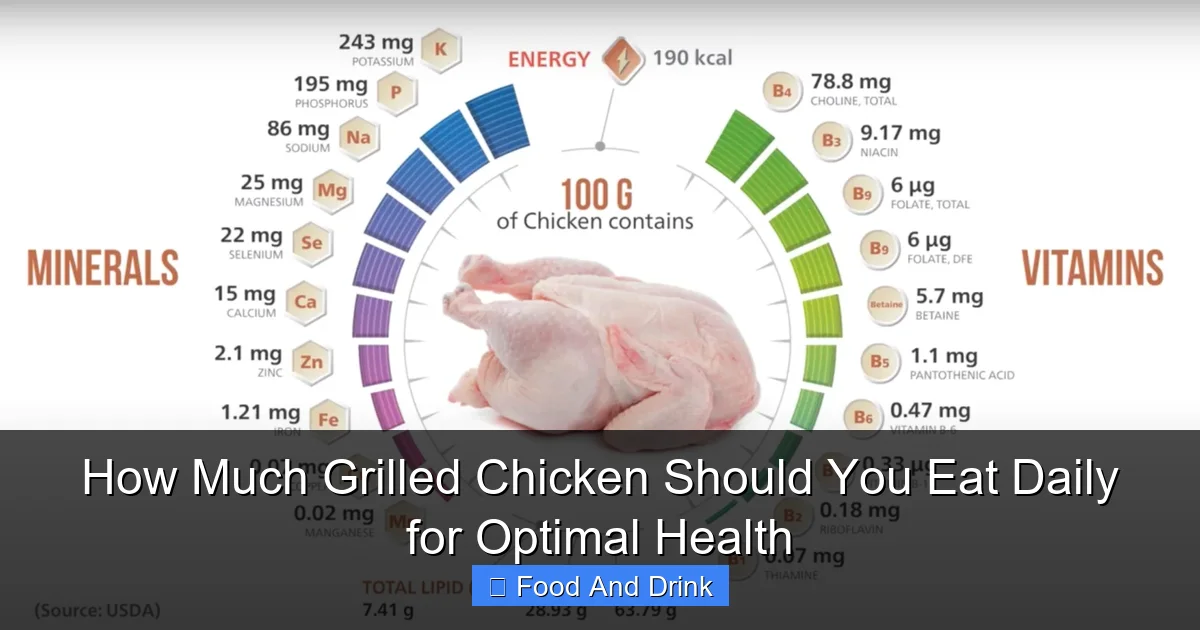
Grilled chicken isn’t just about protein—it’s a nutrient-dense food that delivers a wide range of vitamins and minerals essential for health. Let’s break down what’s inside a typical 3-ounce serving of skinless grilled chicken breast:
– **Calories:** ~140
– **Protein:** ~26 grams
– **Total Fat:** ~3 grams (mostly unsaturated)
– **Saturated Fat:** ~1 gram
– **Carbohydrates:** 0 grams
– **Sodium:** ~60–80 mg (unless seasoned with salt)
– **Cholesterol:** ~85 mg
But the real value lies in its micronutrient content:
Vitamins and Minerals in Grilled Chicken
Grilled chicken is particularly rich in B vitamins, which help convert food into energy and support nervous system function. A single serving provides over 50% of your daily need for vitamin B6 and niacin (B3). These nutrients are vital for brain health, red blood cell production, and reducing inflammation.
Selenium is another standout mineral in grilled chicken. This antioxidant helps protect cells from damage, supports thyroid function, and boosts immunity. Just one serving delivers about 30% of your daily selenium needs.
Phosphorus, found in abundance in chicken, works with calcium to build strong bones and teeth. It also plays a role in how the body uses carbohydrates and fats. Choline, often grouped with B vitamins, is critical for liver function, muscle movement, and fetal brain development during pregnancy.
While grilled chicken isn’t high in iron compared to red meat, it does contain some heme iron, which is more easily absorbed by the body. Pairing it with vitamin C-rich foods like bell peppers or broccoli can enhance iron absorption.
Grilled vs. Other Cooking Methods
The way you cook chicken affects its nutritional value. Grilling is one of the healthiest methods because it doesn’t require added fats and allows excess fat to drip away. In contrast, frying—especially deep-frying—adds significant calories and unhealthy trans fats. Even pan-frying with oil increases calorie content and may lead to the formation of harmful compounds if the oil smokes.
Baking and roasting are also healthy options, but grilling adds a smoky flavor without extra ingredients. Just be cautious about charring. Burnt or heavily charred meat contains polycyclic aromatic hydrocarbons (PAHs) and heterocyclic amines (HCAs), which are linked to cancer in animal studies. To minimize risk, avoid direct flames, flip frequently, and trim off any blackened parts.
Marinating chicken before grilling can also help. Studies show that marinades with herbs, spices, vinegar, or citrus can reduce the formation of HCAs by up to 90%. Try a simple mix of olive oil, lemon juice, garlic, and rosemary for flavor and protection.
How Much Is Too Much? Risks of Overeating Grilled Chicken

Visual guide about How Much Grilled Chicken Should You Eat Daily for Optimal Health
Image source: chickencheck.in
While grilled chicken is healthy, eating it in excessive amounts every day can have downsides. First, relying too heavily on one protein source limits dietary variety. Your body needs a range of amino acids, fats, and micronutrients that come from diverse foods like fish, beans, eggs, and dairy.
Overconsumption of grilled chicken may also lead to an imbalanced intake of certain nutrients. For example, chicken is low in omega-3 fatty acids, which are abundant in fatty fish like salmon. A diet heavy in chicken and light in fish could result in inadequate omega-3s, increasing inflammation and heart disease risk.
Additionally, even lean protein can contribute to excess calories if portions are too large. If you’re eating 12 ounces of grilled chicken daily (about 340 grams), that’s over 1,100 calories and 100+ grams of protein—far beyond what most people need. Over time, this could lead to weight gain, especially if your overall diet lacks fiber and healthy fats.
Digestive issues are another concern. High-protein diets can cause constipation if you’re not drinking enough water or eating enough fiber. Since chicken contains no fiber, it’s important to balance it with vegetables, fruits, and whole grains.
Finally, there’s the issue of sustainability and ethics. Chicken production, especially in large-scale farms, can have environmental impacts and raise animal welfare concerns. Choosing organic, free-range, or pasture-raised chicken when possible supports better practices.
Practical Tips to Avoid Overeating
To enjoy grilled chicken without going overboard, follow these simple tips:
– **Use your hand as a guide:** A palm-sized portion (about 3–4 ounces) is a good rule of thumb for protein at each meal.
– **Fill half your plate with veggies:** This ensures you’re getting fiber, vitamins, and volume without excess calories.
– **Rotate protein sources:** Alternate grilled chicken with fish, tofu, lentils, or eggs throughout the week.
– **Watch portion creep:** It’s easy to eat more when chicken is delicious and convenient. Pre-portion meals or use a food scale if needed.
– **Listen to your body:** Eat when hungry, stop when full. Don’t feel pressured to “clean your plate” if you’re satisfied.
Building Balanced Meals with Grilled Chicken
Grilled chicken shines when it’s part of a well-rounded meal. Think of it as the centerpiece, not the entire plate. A balanced plate should include:
– **Protein:** Grilled chicken (3–4 ounces)
– **Complex Carbs:** Quinoa, brown rice, sweet potatoes, or whole-grain bread
– **Healthy Fats:** Avocado, nuts, seeds, or a drizzle of olive oil
– **Vegetables:** At least half your plate should be colorful veggies like spinach, broccoli, zucchini, or bell peppers
For example, a healthy lunch might be:
– 4 ounces of grilled chicken breast
– ½ cup of cooked quinoa
– 1 cup of roasted Brussels sprouts and carrots
– ¼ avocado sliced on top
– A squeeze of lemon and a sprinkle of herbs
Dinner could feature:
– 3 ounces of grilled chicken thigh (slightly higher in fat but more flavorful)
– 1 small baked sweet potato
– A large mixed green salad with cherry tomatoes, cucumber, and olive oil vinaigrette
These combinations provide sustained energy, keep you full longer, and deliver a broad spectrum of nutrients.
Meal Prep Ideas for Busy Days
Grilled chicken is perfect for meal prepping. Cook a batch at the start of the week and use it in salads, wraps, stir-fries, or grain bowls. Here are a few ideas:
– **Chicken and Veggie Skewers:** Thread grilled chicken with bell peppers, onions, and zucchini. Serve over couscous.
– **Mediterranean Bowl:** Combine grilled chicken with chickpeas, cucumber, tomatoes, olives, and tzatziki sauce.
– **Asian-Inspired Stir-Fry:** Sauté grilled chicken with broccoli, snap peas, and ginger-soy sauce. Serve over brown rice.
– **Chicken Salad Wraps:** Shred leftover grilled chicken and mix with Greek yogurt, celery, and herbs. Wrap in a whole-grain tortilla.
Storing grilled chicken properly is key. Keep it in an airtight container in the fridge for up to 4 days, or freeze for up to 3 months. Reheat gently to avoid drying it out.
Grilled Chicken for Different Health Goals
Your ideal daily intake of grilled chicken may vary based on your personal health objectives. Here’s how to adjust your portions accordingly:
Weight Loss
If you’re trying to lose weight, grilled chicken is a fantastic ally. Its high protein content increases satiety, helping you eat fewer calories overall. Aim for 3–4 ounces per meal, paired with plenty of non-starchy vegetables and a small portion of healthy carbs. Avoid creamy sauces or high-calorie marinades. Instead, use herbs, spices, citrus, and vinegar for flavor.
Muscle Building
For muscle gain, you’ll need more protein—up to 1.6–2.2 grams per kilogram of body weight. Include grilled chicken in at least two meals per day. Post-workout, combine it with a carb source like rice or fruit to replenish glycogen and support recovery.
Heart Health
Grilled chicken is heart-friendly when prepared without skin and excess salt. It’s low in saturated fat and contains nutrients like selenium and B vitamins that support cardiovascular function. Pair it with omega-3-rich foods like salmon or walnuts a few times a week to balance your fat intake.
Diabetes Management
People with diabetes benefit from the steady blood sugar response provided by protein-rich foods like grilled chicken. It has a minimal impact on blood glucose and can help prevent spikes when eaten with fiber and healthy fats. Stick to moderate portions and avoid sugary glazes or marinades.
Common Mistakes to Avoid
Even with the best intentions, it’s easy to make mistakes when incorporating grilled chicken into your diet. Here are a few to watch out for:
– **Over-relying on chicken:** Don’t make it your only protein source. Variety ensures you get all essential nutrients.
– **Ignoring seasoning:** Plain grilled chicken can be bland. Use herbs, spices, garlic, and citrus to add flavor without salt or sugar.
– **Charring the meat:** Burnt areas may contain carcinogens. Grill at medium heat and flip often.
– **Eating the skin:** While tasty, chicken skin is high in saturated fat and calories. Remove it before or after cooking.
– **Skipping sides:** Don’t eat grilled chicken alone. Balance it with veggies, grains, and fats for a complete meal.
Conclusion: Finding Your Perfect Portion
So, how much grilled chicken should you eat daily for optimal health? For most people, 6–8 ounces (about 170–225 grams) split across meals is a safe and beneficial amount. This provides high-quality protein, essential nutrients, and supports weight management, muscle health, and energy levels—without the risks of overconsumption.
Remember, grilled chicken is just one piece of the nutritional puzzle. It works best when paired with a colorful array of vegetables, whole grains, and healthy fats. Listen to your body, adjust based on your goals, and enjoy the process of eating well.
Whether you’re grilling up a quick weeknight dinner or prepping meals for the week ahead, grilled chicken can be a delicious, nutritious, and satisfying choice. Just keep portions in check, vary your diet, and savor every bite.
Frequently Asked Questions
Is grilled chicken good for weight loss?
Yes, grilled chicken is excellent for weight loss due to its high protein and low calorie content. It helps you feel full longer and supports muscle retention during calorie deficits.
How often should I eat grilled chicken?
You can eat grilled chicken 4–6 times per week as part of a balanced diet. Pair it with different sides and rotate with other proteins for variety.
What’s the healthiest cut of grilled chicken?
Skinless chicken breast is the leanest and lowest in calories. Chicken thighs are slightly higher in fat but more flavorful and still healthy in moderation.
Can grilled chicken help build muscle?
Yes, the high-quality protein in grilled chicken supports muscle repair and growth, especially when combined with strength training and adequate calories.
Should I remove the skin from grilled chicken?
Removing the skin reduces saturated fat and calories. It’s recommended for heart health and weight management, though occasional consumption is fine.
Is it safe to eat slightly pink grilled chicken?
No, chicken should be cooked to an internal temperature of 165°F (74°C) to kill harmful bacteria. Use a meat thermometer to ensure safety.


