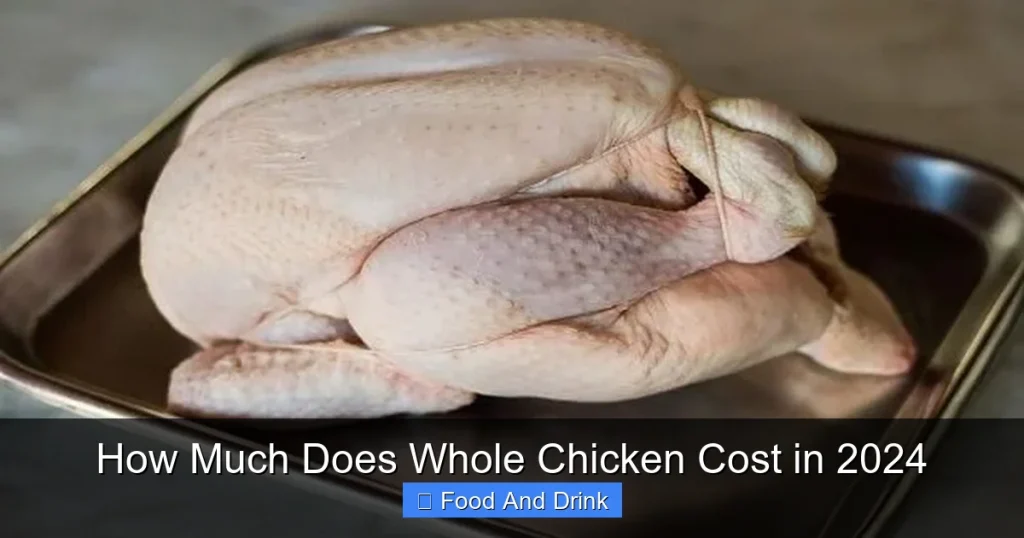

In 2024, the average cost of a whole chicken in the U.S. ranges from $1.50 to $3.50 per pound, depending on factors like organic certification, brand, and location. Prices vary widely between grocery chains, farmers markets, and online retailers, with organic and free-range options costing significantly more. This guide breaks down everything you need to know to make smart, budget-friendly choices when buying whole chicken.
If you’ve ever stood in the poultry aisle wondering, “How much does a whole chicken really cost?”—you’re not alone. Whether you’re meal prepping for the week, hosting a family dinner, or just trying to stretch your grocery budget, understanding the price of a whole chicken is essential. In 2024, the cost of a whole chicken isn’t just a number on a tag—it’s a reflection of farming practices, supply chains, regional economics, and even consumer trends.
Whole chickens remain one of the most versatile and economical proteins available. You can roast it, shred it for tacos, simmer it into soup, or use the bones for broth. But with so many options—conventional, organic, free-range, air-chilled, kosher—it’s easy to feel overwhelmed. And let’s be honest: prices can vary wildly from one store to the next. A bird that costs $8 at your local discount grocer might run you $18 at a high-end organic market. So what’s driving these differences? And how can you get the best value without sacrificing quality?
In this comprehensive guide, we’ll break down the average cost of a whole chicken in 2024, explore the factors that influence pricing, compare prices across different retailers and regions, and share practical tips to help you save money. Whether you’re a budget-conscious shopper or a foodie looking for the best-tasting bird, this article will give you the insights you need to make informed decisions.
Key Takeaways
- Average price per pound: Whole chicken typically costs between $1.50 and $3.50 per pound in 2024, with conventional birds on the lower end and organic or free-range on the higher end.
- Organic vs. conventional: Organic whole chickens can cost 50–100% more than conventional ones due to stricter farming standards and feed requirements.
- Regional differences: Prices vary by state and city—urban areas and coastal regions often have higher prices than rural or Midwestern locations.
- Store type matters: Discount grocers like Aldi and Walmart offer the lowest prices, while specialty stores like Whole Foods charge premium rates.
- Seasonal fluctuations: Chicken prices may dip slightly during holiday seasons due to bulk promotions, but supply chain issues can cause spikes.
- Buying in bulk saves money: Purchasing family-pack chickens or freezing extras can reduce long-term costs, especially when prices are low.
- Online vs. in-store: Online retailers like Amazon Fresh or butcher shops may offer competitive pricing, but delivery fees can offset savings.
Quick Answers to Common Questions
What is the average price of a whole chicken in 2024?
The average price of a whole chicken in 2024 is between $1.50 and $3.50 per pound, depending on the type and location.
Is organic chicken more expensive than conventional?
Yes, organic whole chickens typically cost 50–100% more than conventional ones due to stricter farming and feed requirements.
Where can I buy the cheapest whole chicken?
Discount grocers like Walmart, Aldi, and Lidl usually offer the lowest prices, often under $2.00 per pound.
Can I freeze a whole chicken?
Yes, whole chickens can be frozen for up to 12 months if wrapped properly to prevent freezer burn.
Does buying a larger chicken save money?
Not always—check the price per pound. A larger bird may cost more overall but offer better value if the per-pound price is lower.
📑 Table of Contents
Average Whole Chicken Prices in 2024
So, how much does a whole chicken cost in 2024? The short answer: it depends. But on average, you can expect to pay between $1.50 and $3.50 per pound for a whole chicken in the United States. That means a typical 3- to 4-pound bird will cost anywhere from $4.50 to $14.00. Let’s dive into the numbers.
According to data from the U.S. Department of Agriculture (USDA) and major grocery pricing reports, the national average price for a conventional whole chicken in early 2024 hovered around $2.25 per pound. This is a slight increase from 2023, when the average was about $2.10 per pound, driven by rising feed costs and labor expenses. However, prices can fluctuate monthly based on supply and demand.
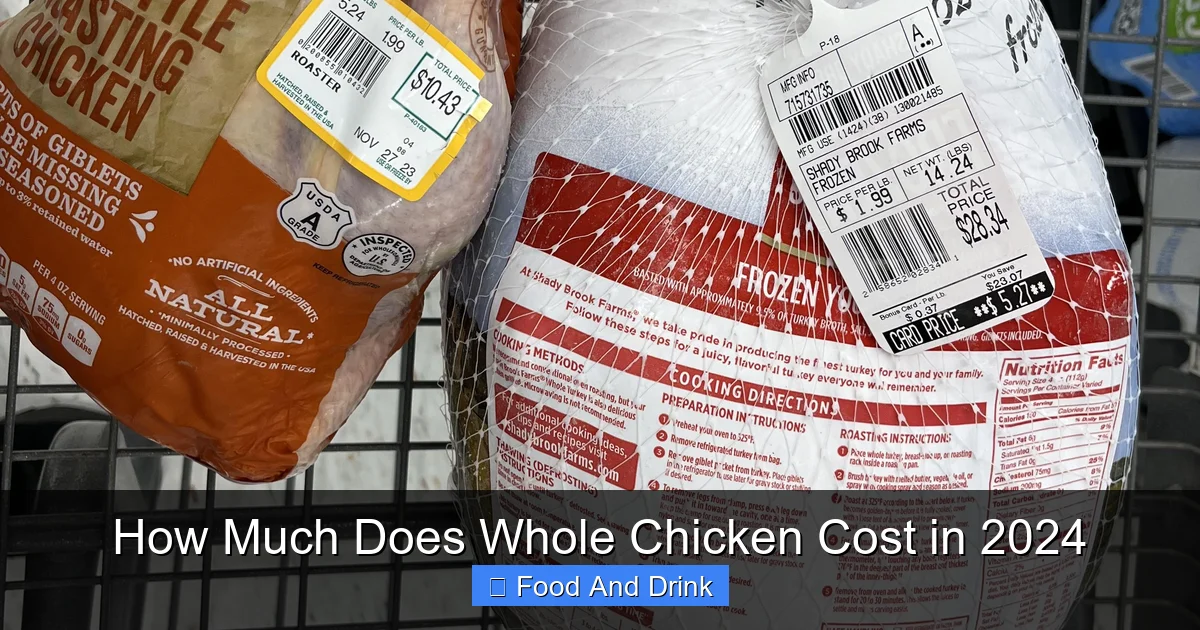
For example, a 3.5-pound conventional chicken at Walmart might cost around $7.98 ($2.28 per pound), while the same size bird at Whole Foods could be priced at $12.99 ($3.71 per pound) if it’s organic and free-range. That’s a difference of over $5 for the same weight—just based on labeling and sourcing.
It’s also worth noting that chicken prices tend to be more stable than other meats like beef or pork. Chickens grow quickly and reproduce efficiently, which helps keep supply relatively consistent. However, external factors like avian flu outbreaks, fuel prices, and international trade policies can still cause temporary spikes.
Price Ranges by Chicken Type
Not all whole chickens are created equal—and neither are their price tags. Here’s a breakdown of average price ranges by type:
– Conventional (non-organic): $1.50–$2.50 per pound
These are the most common chickens found in supermarkets. They’re typically raised in large-scale operations with standard feed and living conditions. While affordable, they may contain antibiotics or hormones (though hormones are banned in U.S. poultry farming).
– Organic: $3.00–$4.50 per pound
Organic chickens are fed organic feed, raised without antibiotics, and given access to the outdoors. The certification process is strict, which drives up costs. Expect to pay at least 50% more than conventional birds.
– Free-Range: $2.75–$4.00 per pound
Free-range chickens have some access to outdoor spaces, though the amount of time and space can vary. They’re often antibiotic-free but not necessarily organic.
– Air-Chilled: $2.50–$3.75 per pound
Air-chilled chickens are processed using cold air instead of water, which reduces water retention and can result in better texture and flavor. This method is more labor-intensive, so prices are slightly higher.
– Kosher: $3.50–$5.00+ per pound
Kosher chickens are slaughtered and prepared according to Jewish dietary laws. The process is highly regulated and often done by hand, which increases labor costs.
– Heritage or Pasture-Raised: $5.00–$8.00+ per pound
These premium birds are raised on pasture, often with heritage breeds that grow slower and have richer flavor. They’re typically sold at farmers markets, specialty butchers, or online.
Weight Matters: Calculating Cost per Bird
When comparing prices, it’s important to look at cost per pound, not just the total price. A $6 chicken might seem cheap, but if it’s only 2 pounds, that’s $3 per pound—on the higher end for conventional birds. Conversely, a $10 chicken that weighs 4.5 pounds comes out to about $2.22 per pound, which is a better deal.
Most whole chickens sold in stores weigh between 3 and 5 pounds. Here’s a quick reference:
– 3-pound chicken at $2.00/lb = $6.00
– 4-pound chicken at $2.25/lb = $9.00
– 5-pound chicken at $2.50/lb = $12.50
Buying a larger bird can sometimes offer better value, especially if you plan to use leftovers. A 5-pound chicken can feed a family of four for two meals—roasted one night, then used for sandwiches or soup the next.
Factors That Influence Whole Chicken Prices
Visual guide about How Much Does Whole Chicken Cost in 2024
Image source: images.scrolller.com
Now that you know the average price range, let’s explore what actually determines how much you’ll pay at the checkout. Several key factors influence the cost of a whole chicken in 2024.
1. Farming Practices and Certifications
The way a chicken is raised has a huge impact on its price. Conventional chickens are bred for efficiency—they grow fast, eat less, and take up minimal space. This keeps production costs low, which translates to lower prices for consumers.
In contrast, organic, free-range, and pasture-raised chickens require more land, better feed, and stricter animal welfare standards. Organic feed, for example, can cost twice as much as conventional feed. Chickens also take longer to reach market weight when raised on pasture, which increases labor and land use.
Certifications like USDA Organic, Animal Welfare Approved, or Certified Humane add another layer of cost. These labels require regular inspections, detailed record-keeping, and compliance with specific guidelines. While they ensure higher welfare standards, they also drive up the final price.
2. Supply Chain and Transportation
Chicken prices are sensitive to supply chain disruptions. In 2023 and early 2024, several outbreaks of avian influenza (bird flu) led to the culling of millions of birds, temporarily reducing supply and pushing prices up. While the industry has largely recovered, any future outbreaks could cause similar spikes.
Fuel costs also play a role. Transporting chickens from farms to processing plants to grocery stores requires trucks, refrigeration, and logistics. When gas prices rise, those costs are often passed on to consumers.
Additionally, labor shortages in processing plants can slow down production, leading to tighter supply and higher prices. The poultry industry relies heavily on manual labor for tasks like evisceration and packaging, and finding enough workers remains a challenge in many regions.
3. Regional and Seasonal Variations
Where you live can significantly affect how much you pay for a whole chicken. In general, prices are higher in urban areas and coastal cities due to higher operating costs for stores and greater demand for premium products.
For example:
– In New York City or San Francisco, a conventional whole chicken might cost $2.75–$3.25 per pound.
– In rural Kansas or Nebraska, the same bird could be as low as $1.60–$2.00 per pound.
Seasonality also plays a role. During holidays like Thanksgiving and Christmas, demand for whole chickens surges. Retailers often run promotions to attract shoppers, which can temporarily lower prices. However, if supply is tight, prices might not drop as much as expected.
Conversely, in the summer months, when grilling is popular, demand for chicken parts (like breasts and wings) may rise, leaving fewer whole birds available and potentially increasing their price.
4. Retailer Markup and Store Type
Not all stores price chicken the same way. Discount grocers like Aldi, Lidl, and Walmart focus on low prices and high volume, often selling conventional whole chickens for under $2.00 per pound. They may even offer loss leaders—products sold at or below cost to draw customers in.
Mid-tier supermarkets like Kroger, Safeway, and Publix typically price chickens between $2.00 and $2.75 per pound, depending on the brand and type.
High-end and specialty stores like Whole Foods, Trader Joe’s, and local butcher shops charge premium prices, often $3.00–$5.00+ per pound, especially for organic or humanely raised birds. These stores cater to consumers willing to pay more for quality, transparency, and ethical sourcing.
Online retailers like Amazon Fresh, FreshDirect, and ButcherBox offer convenience and sometimes competitive pricing, but delivery fees and minimum order requirements can eat into savings. For example, a $9.99 whole chicken might seem like a deal—until you add a $7.99 delivery fee.
Where to Buy Whole Chicken in 2024

Visual guide about How Much Does Whole Chicken Cost in 2024
Image source: howmuchisit.org
Knowing where to shop can make a big difference in how much you pay. Here’s a breakdown of the best places to buy whole chicken in 2024, based on price, quality, and convenience.
Discount Grocers: Best for Budget Shoppers
If you’re looking to save money, discount grocers are your best bet. Stores like:
– Walmart: Often sells conventional whole chickens for $1.75–$2.25 per pound. Look for store brands like Great Value.
– Aldi: Known for low prices, Aldi offers whole chickens around $1.89–$2.39 per pound, depending on the region.
– Lidl: Similar to Aldi, Lidl provides affordable options, often under $2.00 per pound.
These stores may not carry organic or free-range options, but they’re ideal for everyday cooking and meal prep.
Supermarket Chains: Balanced Price and Selection
Major supermarket chains offer a good mix of affordability and variety. Examples include:
– Kroger: Carries a range of brands, from budget-friendly private labels to organic options. Prices typically range from $2.00 to $3.00 per pound.
– Safeway / Vons: Often has weekly sales on whole chickens, especially around holidays.
– Publix: Known for quality, Publix offers both conventional and organic birds, with prices from $2.25 to $3.50 per pound.
These stores often have loyalty programs that can help you save even more. For example, Kroger’s Plus Card or Safeway’s Just for U program may offer digital coupons or personalized discounts on poultry.
Specialty Stores and Butchers: Premium Quality
If you’re willing to pay more for flavor, ethics, or transparency, specialty stores are worth considering:
– Whole Foods Market: Offers organic, free-range, and air-chilled chickens, typically $3.50–$5.00 per pound. They also provide detailed sourcing information.
– Trader Joe’s: Known for unique products, Trader Joe’s sells organic whole chickens around $3.99–$4.99 per pound. They often have seasonal varieties like lemon-herb or garlic-rosemary.
– Local Butcher Shops: These shops often source from regional farms and may offer pasture-raised or heritage breeds. Prices can range from $4.00 to $7.00 per pound, but the quality and flavor are often superior.
Shopping at a butcher allows you to ask questions about the chicken’s origin, diet, and processing methods—something you can’t do at a big-box store.
Farmers Markets and CSAs: Direct from the Farm
For the freshest and most sustainable option, consider buying directly from farmers. Many farmers markets now sell whole chickens, often raised on pasture and processed locally. Prices vary, but expect to pay $4.00–$6.00 per pound.
Community Supported Agriculture (CSA) programs are another great option. For an upfront fee, you receive a weekly or monthly box of farm-fresh food, which may include whole chickens. This supports local farmers and often provides better value over time.
Online Retailers: Convenience at a Cost
Online shopping has grown in popularity, especially for busy families. Retailers like:
– Amazon Fresh: Offers same-day delivery in some areas. Whole chickens range from $2.50 to $4.00 per pound, plus delivery fees.
– FreshDirect: Sells high-quality, often organic chickens, with prices from $3.50 to $5.50 per pound.
– ButcherBox: A subscription service that delivers humanely raised, antibiotic-free meat. Whole chickens cost around $5.99 per pound, but shipping is included.
While convenient, online shopping can be more expensive once delivery fees are factored in. However, subscription services like ButcherBox may offer better value if you buy meat regularly.
How to Save Money on Whole Chicken

Visual guide about How Much Does Whole Chicken Cost in 2024
Image source: indexbox.io
Even with rising food costs, there are smart ways to save on whole chicken without sacrificing quality. Here are some practical tips to stretch your grocery budget.
Buy in Bulk and Freeze
One of the easiest ways to save is to buy whole chickens when they’re on sale and freeze the extras. Most whole chickens can be frozen for up to 12 months without losing quality. Just make sure to wrap them tightly in plastic wrap and place them in a freezer-safe bag to prevent freezer burn.
Look for family packs or multi-bird deals at warehouse clubs like Costco or Sam’s Club. A 10-pound pack of whole chickens might cost $18–$25, bringing the per-pound price down to under $2.00.
Cook Once, Eat Twice
A whole chicken can easily feed a family for two meals. Roast it one night, then use the leftovers for:
– Chicken salad sandwiches
– Tacos or enchiladas
– Soup or stew
– Fried rice or pasta dishes
This not only saves money but also reduces food waste. Plus, cooked chicken freezes well for up to 3 months.
Use the Whole Bird
Don’t throw away the carcass! Simmer it with vegetables and herbs to make homemade chicken broth. This adds flavor to soups, risottos, and sauces—and saves you money on store-bought broth.
You can also use the giblets (if included) to make gravy or stuffing. Every part of the chicken has value.
Shop Sales and Use Coupons
Keep an eye on weekly ads from your local grocery stores. Whole chickens are often featured in holiday sales (like Easter or Thanksgiving) or as weekend specials. Sign up for store loyalty programs to receive digital coupons and personalized deals.
Apps like Flipp or Ibotta can help you find the best prices and earn cash back on poultry purchases.
Compare Unit Prices
Always check the unit price (price per pound) on the shelf tag, not just the total cost. This helps you compare different brands and sizes accurately. A larger bird isn’t always a better deal if the per-pound cost is higher.
Is Organic Whole Chicken Worth the Extra Cost?
This is a common question: should you spend more for organic whole chicken? The answer depends on your priorities.
Organic chickens are raised without antibiotics, synthetic pesticides, or GMO feed. They must have access to the outdoors, though the amount of space and time can vary. Many people choose organic for health, environmental, or animal welfare reasons.
However, studies show that the nutritional difference between organic and conventional chicken is minimal. Both are high in protein and low in fat. The main benefits of organic are ethical and environmental—supporting sustainable farming and reducing chemical exposure.
If budget is a concern, you can still make healthier choices by buying conventional chicken and trimming visible fat. Alternatively, look for “antibiotic-free” or “free-range” labels, which may offer some benefits at a lower price than full organic certification.
Ultimately, the choice comes down to your values and budget. If you can afford it, organic is a great option. If not, conventional chicken is still a nutritious and affordable protein.
The Future of Whole Chicken Pricing
Looking ahead, several trends could shape the cost of whole chicken in the coming years.
Sustainability is becoming a bigger focus. Consumers are increasingly concerned about the environmental impact of factory farming, which may drive demand for pasture-raised and regenerative agriculture models. While these methods are more expensive now, economies of scale could eventually lower prices.
Technology is also playing a role. Advances in feed efficiency, disease prevention, and automation may help stabilize production costs. However, labor shortages and climate change remain wild cards that could disrupt supply.
Finally, inflation and global events will continue to influence food prices. While chicken is generally more resilient than other meats, it’s not immune to economic shifts.
For now, the best strategy is to stay informed, shop smart, and make the most of every bird you buy.
Conclusion
So, how much does a whole chicken cost in 2024? On average, you’re looking at $1.50 to $3.50 per pound, with the final price depending on type, location, and retailer. While conventional chickens offer the best value, organic and free-range options provide peace of mind for those prioritizing ethics and quality.
By understanding the factors that influence pricing—and knowing where and how to shop—you can enjoy delicious, versatile meals without breaking the bank. Whether you’re roasting a bird for Sunday dinner or shredding it for tacos, a whole chicken is one of the most economical and satisfying proteins you can buy.
With a little planning and smart shopping, you can make every dollar count—and every meal memorable.
Frequently Asked Questions
Why is whole chicken cheaper than chicken parts?
Whole chickens require less processing and packaging than individual cuts, which reduces labor and handling costs, making them more economical.
Are air-chilled chickens worth the extra cost?
Air-chilled chickens have less water retention and often better texture and flavor, which some chefs and home cooks prefer, though they cost slightly more.
Do whole chickens contain hormones or antibiotics?
In the U.S., hormones are banned in all poultry. Conventional chickens may be given antibiotics, but organic and antibiotic-free labels ensure they are not.
How long does a whole chicken last in the fridge?
A raw whole chicken should be cooked within 1–2 days of purchase if stored in the refrigerator at 40°F or below.
Can I use a whole chicken for meal prep?
Absolutely! Roast a whole chicken and use the meat for salads, soups, sandwiches, or casseroles throughout the week.
What’s the difference between free-range and pasture-raised?
Free-range chickens have some outdoor access, while pasture-raised birds spend most of their lives on pasture, resulting in richer flavor and higher welfare standards.