

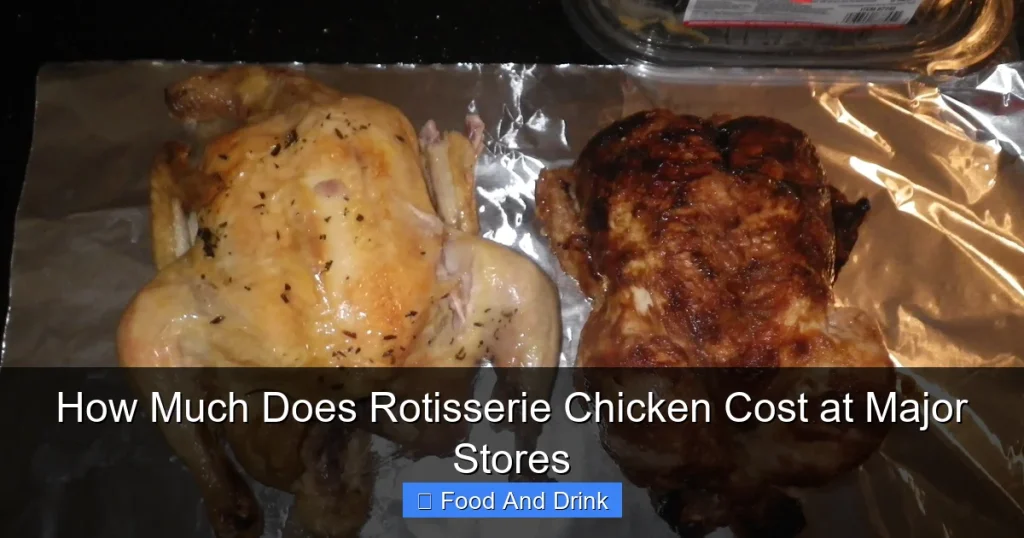

Rotisserie chickens are a budget-friendly, convenient meal option available at most major grocery stores. Prices typically range from $4.99 to $9.99 depending on the retailer, chicken size, and organic or seasoned options. This guide breaks down costs across top chains so you can make the smartest choice for your wallet and taste buds.
[FEATURED_IMAGE_PLACEHOODER]Key Takeaways
- Cost varies by store: Prices range from $4.99 at Walmart to $9.99 at Whole Foods, with most stores averaging $6–$8 per bird.
- Size matters: Larger chickens (3.5–4 lbs) cost more but offer better value per pound than smaller ones.
- Organic and specialty options cost more: Free-range, organic, or herb-seasoned rotisserie chickens often cost $2–$3 extra.
- Bulk retailers offer the best deals: Costco and Sam’s Club sell large rotisserie chickens for under $5, making them a top value pick.
- Check for daily discounts: Many stores mark down rotisserie chickens near closing time to reduce waste.
- Meat yield affects true cost: A $7 chicken with high meat yield is a better deal than a $6 one with less usable meat.
- Seasonal promotions can lower prices: Look for holiday sales or store loyalty discounts to save even more.
Quick Answers to Common Questions
How much does a rotisserie chicken cost at Costco?
A rotisserie chicken at Costco costs $4.99 and typically weighs 4 pounds or more, making it one of the best values available.
Is rotisserie chicken cheaper than raw chicken?
Yes, rotisserie chicken is often cheaper than buying and cooking raw chicken yourself, especially when you factor in time, energy, and seasoning costs.
Which store has the cheapest rotisserie chicken?
Walmart and Costco both offer rotisserie chickens for $4.99, but Costco’s are usually larger, giving it the edge in value per pound.
Are rotisserie chickens healthy?
Rotisserie chickens are a good source of lean protein, but some are high in sodium. Removing the skin and choosing white meat can make them healthier.
Can you freeze rotisserie chicken?
Yes, you can freeze rotisserie chicken for up to 4 months. Store it in airtight containers or freezer bags, either whole or shredded.
📑 Table of Contents
How Much Does Rotisserie Chicken Cost at Major Stores
If you’ve ever walked through the grocery store parking lot and caught that heavenly aroma of slow-roasted chicken, you know the pull. Rotisserie chickens are more than just a convenience—they’re a lifeline for busy weeknights, a base for soups and salads, and sometimes, the star of the dinner table. But how much does rotisserie chicken actually cost? And where can you get the best bang for your buck?
The answer isn’t one-size-fits-all. Prices vary widely depending on where you shop, what kind of chicken you choose, and even the time of day. From budget-friendly giants like Walmart and Aldi to premium grocers like Whole Foods and Trader Joe’s, each store has its own pricing strategy. Some focus on volume and low margins, while others emphasize quality ingredients and artisanal seasoning. Understanding these differences can help you save money without sacrificing flavor or nutrition.
In this guide, we’ll walk you through the cost of rotisserie chickens at major U.S. grocery chains, compare value per pound, and share insider tips to help you get the most out of your purchase. Whether you’re feeding a family of four or just need a quick lunch, knowing where and when to buy can make a big difference.
Why Rotisserie Chickens Are a Smart Buy

Visual guide about How Much Does Rotisserie Chicken Cost at Major Stores
Image source: spendwithpennies.com
Rotisserie chickens have become a staple in American kitchens—and for good reason. They’re fully cooked, ready to eat, and often cheaper than buying raw chicken and preparing it yourself. But beyond convenience, they offer real value. A single rotisserie chicken can feed a family for one meal, with leftovers perfect for tacos, sandwiches, or casseroles.
One of the biggest advantages is time savings. Cooking a whole chicken at home can take over an hour, not including prep and cleanup. Rotisserie chickens are done in-store, so you skip all that. Plus, they’re seasoned and roasted to perfection, often with herbs, garlic, and spices that enhance flavor without extra effort.
Nutritionally, rotisserie chickens are a solid source of lean protein. A 3-ounce serving of white meat has about 140 calories and 26 grams of protein, making it a healthy option for meals. Dark meat is slightly higher in fat but still nutritious. Just be mindful of sodium—some store-bought versions can be high in salt due to seasoning and brining.
Another benefit is versatility. You can shred the meat for chicken salad, toss it into pasta, or use the bones to make homemade stock. The skin is crispy and flavorful, though it’s higher in fat, so enjoy it in moderation. With so many ways to use it, a rotisserie chicken often feels like getting multiple meals in one.
Cost vs. Homemade: Is It Worth It?
You might wonder: is buying a rotisserie chicken really cheaper than cooking one at home? Let’s break it down. A raw whole chicken typically costs between $1.50 and $3.00 per pound, depending on whether it’s conventional, organic, or free-range. A 3.5-pound bird would cost $5.25 to $10.50 at the store. Add in oil, seasoning, and electricity or gas for roasting, and the total climbs.
In contrast, a rotisserie chicken at most stores costs between $6 and $8. So yes—buying it pre-cooked is often more economical, especially when you factor in time and energy. Plus, you avoid the risk of undercooking or overcooking. For busy families or solo cooks, that peace of mind is priceless.
Environmental and Ethical Considerations
While rotisserie chickens are convenient, it’s worth considering where they come from. Most store-bought chickens are conventionally raised, meaning they may come from industrial farms with concerns about animal welfare and environmental impact. If these issues matter to you, look for labels like “organic,” “free-range,” or “humanely raised.” These options cost more but support better farming practices.
Some stores, like Whole Foods and Trader Joe’s, prioritize ethical sourcing. Their rotisserie chickens are often antibiotic-free and raised with higher welfare standards. While you’ll pay a premium, many shoppers feel it’s worth it for the quality and peace of mind.
Rotisserie Chicken Prices at Major Grocery Chains
Visual guide about How Much Does Rotisserie Chicken Cost at Major Stores
Image source: i.ytimg.com
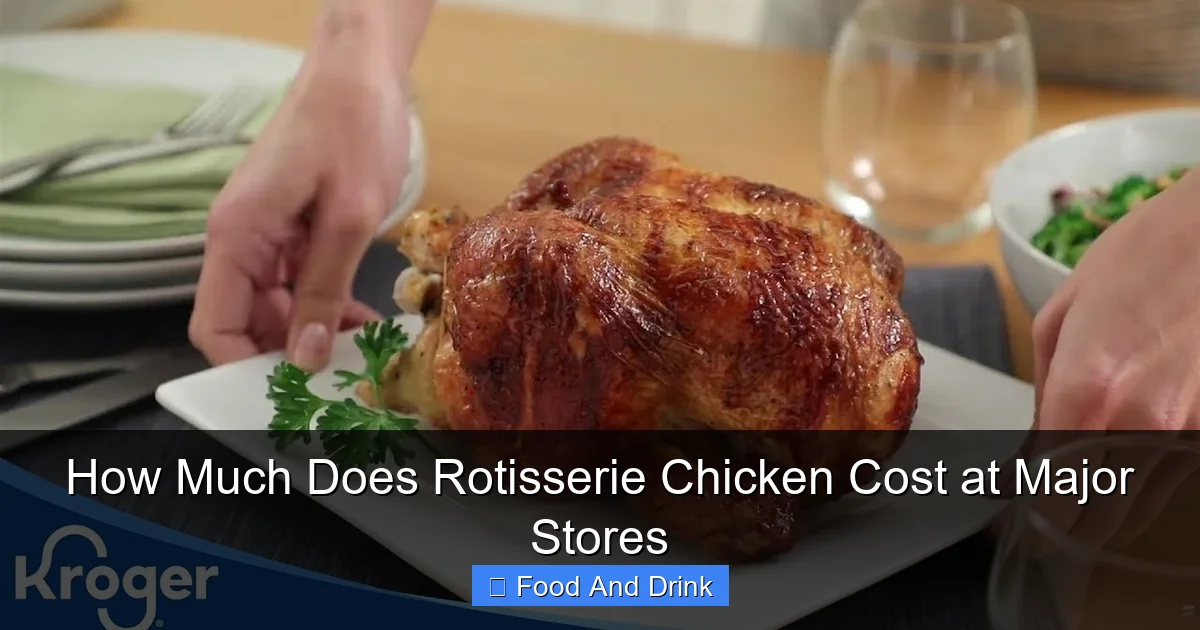
Now let’s get into the nitty-gritty: how much does rotisserie chicken cost at the stores you probably shop at every week? We’ve compiled current pricing (as of 2024) from national chains, including average weights and value per pound. Keep in mind that prices can vary by location and season, but these give you a solid benchmark.
Walmart: The Budget King
Walmart consistently offers some of the lowest rotisserie chicken prices in the country. Their standard rotisserie chicken costs **$4.99** and weighs around **3.5 pounds**. That’s about **$1.43 per pound**, making it one of the best values available. The chicken is pre-seasoned with a simple blend of salt, pepper, and herbs, and it’s ready to eat straight from the package.
Walmart also offers a **$5.98** option that’s slightly larger or comes with a side, like mashed potatoes or rolls. While the base price is hard to beat, some customers note that the meat can be a bit dry compared to higher-end brands. Still, for the price, it’s a solid choice for quick meals.
Costco: Bulk Value Champion
Costco is famous for its $4.99 rotisserie chicken—yes, the same price as Walmart, but often larger and higher quality. Their chickens typically weigh **4 pounds or more**, bringing the cost down to under **$1.25 per pound**. That’s an incredible deal, especially when you consider the generous portion size.
Costco’s chickens are roasted in-store and seasoned with a mild blend that appeals to most palates. They’re juicy, flavorful, and perfect for meal prepping. Many members buy two at a time, freeze one, and use the other throughout the week. The only catch? You need a Costco membership, which starts at $60 per year. But if you shop there regularly, the chicken alone can justify the cost.
Sam’s Club: Close Second to Costco
Sam’s Club, Walmart’s warehouse counterpart, offers a similar deal. Their rotisserie chicken costs **$5.48** and weighs around **3.75 pounds**, or about **$1.46 per pound**. It’s slightly more expensive than Costco’s but still a great value. The seasoning is mild and family-friendly, and the chicken is consistently moist.
Like Costco, Sam’s Club requires a membership ($50/year for basic). But if you’re already a member or live near one, it’s worth checking out. They also offer occasional promotions, like buy-one-get-one deals during holidays.
Kroger: Mid-Range with Variety
Kroger’s rotisserie chicken prices vary by region, but the average cost is **$6.99** for a 3.5-pound bird, or about **$2.00 per pound**. They offer several options, including classic, herb-roasted, and spicy varieties. The classic version is lightly seasoned and tender, while the herb and spicy options add more flavor.
Kroger also has a loyalty program that can reduce the price. With a digital coupon, you might pay as little as $5.99. Plus, they often mark down chickens in the evening to reduce waste—so shopping after 7 PM could save you a few dollars.
Publix: Southern Comfort
Publix, popular in the Southeast, sells rotisserie chickens for **$7.99** each. Their chickens weigh around **3.5 pounds**, so the cost per pound is about **$2.28**. While more expensive than warehouse clubs, Publix chickens are known for their juicy texture and flavorful seasoning, often including garlic, rosemary, and lemon.
Publix also offers a “Buy One, Get One 50% Off” deal on rotisserie chickens every Wednesday. That brings the effective price down to **$5.99 per bird**, making it a much better value. If you’re in the Publix region, this midweek deal is worth planning around.
Whole Foods: Premium Quality, Premium Price
Whole Foods is the high-end option, with rotisserie chickens priced at **$9.99** each. Their chickens are organic, antibiotic-free, and often sourced from humanely raised farms. They weigh around **3.5 pounds**, so the cost per pound is nearly **$2.85**—the highest on this list.
But you’re paying for quality. The meat is tender, the seasoning is gourmet (think thyme, sage, and sea salt), and the skin is perfectly crispy. Whole Foods also offers flavored options like lemon-herb or smoked paprika. If you prioritize ethical sourcing and superior taste, this is the place to go.
Trader Joe’s: Unique Flavors at a Fair Price
Trader Joe’s rotisserie chickens cost **$7.99** and are known for their bold seasoning. They offer rotating flavors like garlic herb, lemon pepper, and even Korean-style gochujang. The chickens are about 3.5 pounds, so the price per pound is **$2.28**, similar to Publix.
What sets Trader Joe’s apart is the flavor variety and high-quality ingredients. Their chickens are antibiotic-free and often come with a side of roasted vegetables or a dipping sauce. It’s a fun, flavorful option for those who like to mix things up.
Aldi: Surprising Value
Aldi might not be the first store you think of for rotisserie chicken, but they offer a solid option at **$5.99** for a 3.5-pound bird—about **$1.71 per pound**. Their chickens are simply seasoned but juicy and well-roasted. Aldi also emphasizes sustainability, with many of their chickens sourced from farms with higher welfare standards.
The catch? Aldi’s rotisserie chickens aren’t always available every day. They’re typically stocked on weekends or during peak hours, so you may need to plan your shopping trip accordingly.
Target: Convenient and Consistent
Target’s rotisserie chickens cost **$6.99** and weigh around **3.5 pounds**, or **$2.00 per pound**. They’re available at most SuperTarget locations and come in classic and herb varieties. The seasoning is mild and family-friendly, and the meat is consistently tender.
Target also offers Cartwheel discounts and RedCard savings, which can reduce the price by 5–10%. Plus, you can order online for pickup, making it a convenient option for busy shoppers.
How to Get the Best Value on Rotisserie Chicken

Visual guide about How Much Does Rotisserie Chicken Cost at Major Stores
Image source: sporked.com
Now that you know the prices, let’s talk strategy. Getting the most out of your rotisserie chicken isn’t just about finding the cheapest bird—it’s about maximizing flavor, yield, and savings. Here are some practical tips to help you do just that.
Shop Late in the Day
Many grocery stores mark down rotisserie chickens in the evening to avoid waste. If you shop after 7 PM, you might find discounts of 20–50% off. The chicken is still perfectly safe to eat—it’s just nearing the end of its shelf life. Just make sure to eat it within 1–2 days or freeze it for later.
Check for Loyalty Discounts
Stores like Kroger, Publix, and Target offer digital coupons and loyalty rewards that can reduce the price. Sign up for their apps and check weekly ads for rotisserie chicken deals. Some stores even offer “free chicken” promotions when you spend a certain amount.
Buy in Bulk (If You Can)
If you have freezer space, consider buying two chickens at once—especially during sales. Costco and Sam’s Club make this easy, but even regular grocery stores often have BOGO deals. Freeze the second chicken whole or shred the meat and store it in portions for quick meals.
Use Every Part
Don’t toss the bones! Simmer them with vegetables and herbs to make a rich, flavorful stock. You can use it for soups, risottos, or even to cook rice. The carcass can yield 4–6 cups of stock, adding even more value to your purchase.
Compare Meat Yield
Not all chickens are created equal. A $7 chicken with high meat yield (lots of usable breast and thigh meat) is a better deal than a $6 one with mostly bones and skin. Look for plump, well-roasted birds with golden skin—those tend to have more meat.
Watch for Seasonal Sales
Holidays like Thanksgiving, Easter, and the Fourth of July often bring rotisserie chicken promotions. Stores may offer discounts or bundle deals with sides. Planning your meals around these sales can save you money and reduce food waste.
Health and Nutrition: What to Know
Rotisserie chickens are convenient and tasty, but they’re not all created equal when it comes to health. Here’s what to keep in mind.
Sodium Content
Many store-bought rotisserie chickens are brined or seasoned with salt, which can drive up sodium levels. A single serving (3 ounces) can contain 400–600 mg of sodium—over 25% of the recommended daily limit. If you’re watching your salt intake, look for low-sodium options or rinse the meat before eating.
Fat and Calories
The skin is delicious but high in saturated fat. Removing it can cut calories by 50–100 per serving. Opt for white meat (breast) over dark meat (thigh, drumstick) if you’re aiming for lower fat and calories.
Add Your Own Seasoning
To control flavor and sodium, consider buying a plain rotisserie chicken and adding your own herbs and spices at home. A sprinkle of paprika, garlic powder, or lemon zest can elevate the taste without extra salt.
Final Thoughts: Is Rotisserie Chicken Worth It?
So, how much does rotisserie chicken cost? On average, between $5 and $10, depending on where you shop and what you’re looking for. But the real question isn’t just about price—it’s about value. And in that regard, rotisserie chickens deliver.
They save time, reduce cooking stress, and offer a versatile base for countless meals. Whether you’re grabbing a quick dinner or meal prepping for the week, a rotisserie chicken can be a smart, economical choice. Just remember to compare prices, check for deals, and use every part to get the most out of your purchase.
For budget shoppers, Walmart and Costco offer unbeatable prices. For those who prioritize quality and ethics, Whole Foods and Trader Joe’s are worth the extra cost. And for everyone in between, stores like Kroger, Publix, and Aldi provide solid options with good flavor and fair pricing.
Ultimately, the best rotisserie chicken is the one that fits your budget, tastes great, and makes your life a little easier. So next time you smell that golden, roasting aroma, you’ll know exactly where to go—and how much to expect to pay.
Frequently Asked Questions
How long does rotisserie chicken last?
Rotisserie chicken lasts 3–4 days in the refrigerator when stored properly in an airtight container. You can extend its life by freezing it for up to 4 months.
Why are rotisserie chickens so cheap?
Stores often sell rotisserie chickens at low prices to attract customers. They’re usually made from overstocked or near-expiration raw chickens, helping reduce waste and drive foot traffic.
Can you reheat rotisserie chicken?
Yes, you can reheat rotisserie chicken in the oven at 350°F for 15–20 minutes or in the microwave for 1–2 minutes. Cover it with foil to keep it moist.
What can I make with leftover rotisserie chicken?
Use leftover chicken for tacos, salads, soups, casseroles, or sandwiches. You can also shred it and add it to pasta or grain bowls for a quick protein boost.
Are organic rotisserie chickens worth the extra cost?
If you prioritize animal welfare, antibiotic-free meat, and cleaner ingredients, organic rotisserie chickens are worth the higher price. They often taste better and support sustainable farming.
Do all grocery stores sell rotisserie chickens?
Most major grocery chains sell rotisserie chickens, including Walmart, Kroger, Publix, and Target. Availability may vary at smaller or specialty stores.


