



Grilling chicken to perfection isn’t just about heat—it’s about timing, technique, and knowing when it’s truly done. Whether you’re cooking boneless breasts, thighs, or a whole bird, getting the cook time right ensures tender, safe-to-eat meat without drying it out.
Grilling chicken is one of the most rewarding ways to enjoy this versatile protein. It’s quick, flavorful, and perfect for everything from weeknight dinners to backyard barbecues. But despite its popularity, many home cooks still struggle with one simple question: *How long should you grill chicken?* The answer isn’t one-size-fits-all. It depends on the cut, thickness, grill type, and even the weather. Grill too little, and you risk foodborne illness. Grill too long, and you end up with dry, rubbery meat that nobody wants to eat.
The good news? With a few key guidelines and a little practice, you can master the art of grilling chicken every time. Whether you’re working with boneless breasts, juicy thighs, drumsticks, or even a whole spatchcocked bird, understanding the basics of timing, temperature, and technique will transform your grilling game. In this guide, we’ll walk you through everything you need to know—from prep to plating—so you can serve up perfectly grilled chicken that’s safe, juicy, and bursting with flavor.
Key Takeaways
- Use a meat thermometer: The safest and most accurate way to know when chicken is done is by checking its internal temperature—165°F (74°C) for all cuts.
- Adjust time for thickness: Thicker cuts like bone-in thighs or whole chickens need longer grilling times than thin boneless breasts.
- Preheat your grill: A hot grill (375°F to 450°F) ensures proper searing and reduces sticking, cutting down on overall cook time.
- Rest the meat: Let grilled chicken rest for 5–10 minutes after cooking to lock in juices and improve texture.
- Flip only once or twice: Constant flipping can prevent proper browning and slow down cooking.
- Marinate for flavor and moisture: Marinating for at least 30 minutes (or up to 24 hours) helps keep chicken moist during grilling.
- Know your grill type: Gas, charcoal, and pellet grills all behave differently—adjust timing and heat zones accordingly.
Quick Answers to Common Questions
How long should you grill chicken breasts?
Boneless chicken breasts typically take 6 to 8 minutes per side on a preheated grill at medium-high heat, totaling 12 to 16 minutes. Use a thermometer and pull at 160°F for juicy results.
Can you grill chicken from frozen?
It’s not recommended. Frozen chicken cooks unevenly and increases the risk of foodborne illness. Always thaw chicken in the fridge before grilling.
Should you flip chicken while grilling?
Yes, but only once or twice. Flip once to sear, then again to finish cooking. Constant flipping prevents browning and slows cooking.
What temperature should grilled chicken be?
All chicken should reach an internal temperature of 165°F (74°C) to be safe to eat. Use a meat thermometer for accuracy.
How do you keep grilled chicken from drying out?
Marinate or brine before grilling, avoid overcooking, and let the chicken rest for 5–10 minutes after cooking to retain moisture.
📑 Table of Contents
Why Timing Matters When Grilling Chicken
Chicken is a lean protein, which means it doesn’t have a lot of fat to keep it moist during high-heat cooking. That’s why timing is so critical. Cook it too briefly, and harmful bacteria like salmonella may survive. Cook it too long, and the proteins tighten up, squeezing out moisture and leaving you with dry, tough meat. The sweet spot? Just long enough to reach a safe internal temperature while preserving tenderness.
The USDA recommends cooking all poultry to an internal temperature of 165°F (74°C) to ensure food safety. But reaching that temperature doesn’t mean you should stop there. Overcooking begins the moment you hit 165°F, especially with thinner cuts like boneless breasts. That’s why many chefs and food scientists suggest pulling chicken off the grill at 160°F (71°C) and letting it rest—the residual heat will carry it up to 165°F while keeping the meat juicy.
Timing also affects texture. Chicken cooked too quickly on high heat can char on the outside while remaining undercooked inside. On the flip side, low and slow cooking can dry out lean cuts. The key is balance: high enough heat to sear and develop flavor, but not so high that it burns before the inside is done.
Another factor? Carryover cooking. When you remove chicken from the grill, the internal temperature continues to rise by 3°F to 5°F as heat redistributes. This means you can actually pull your chicken off a few degrees early and still hit the safe zone. For example, if you’re grilling boneless breasts, aim to remove them at 160°F—they’ll coast to 165°F during the resting period.
Finally, timing impacts flavor. A well-timed grill session allows the Maillard reaction to occur—that delicious browning that creates complex, savory flavors. But if you rush it or flip too often, you miss out on that crispy, caramelized crust that makes grilled chicken so irresistible.
How Long to Grill Different Cuts of Chicken

Visual guide about How Long Should You Grill Chicken for Perfect Results
Image source: club.cooking
Not all chicken is created equal when it comes to grilling. Different cuts have varying fat content, thickness, and bone structure, all of which affect cooking time. Let’s break down the most common cuts and how long each should grill for perfect results.
Boneless, Skinless Chicken Breasts
These are the most popular cut for grilling, but also the trickiest. They’re lean, thin, and prone to drying out. On average, boneless breasts take **6 to 8 minutes per side** on a preheated grill at medium-high heat (around 400°F). That’s about **12 to 16 minutes total**, depending on thickness.
But thickness is the real game-changer. A thin breast (¾ inch or less) might be done in just 10 minutes, while a thick one (1½ inches or more) could need 18 minutes or more. To avoid overcooking, use a meat thermometer and aim for 160°F internal temperature before resting.
Pro tip: Pound thicker breasts to an even thickness with a meat mallet. This ensures they cook evenly and reduces the risk of the outside burning before the center is done.
Bone-In, Skin-On Chicken Breasts
These take longer—about **8 to 10 minutes per side**—because of the bone and skin. The bone acts as an insulator, slowing down heat transfer, while the skin helps retain moisture. Grill them skin-side down first to crisp the skin and prevent sticking.
Total cook time: **16 to 20 minutes**. Again, use a thermometer and pull at 160°F. The skin should be golden brown and crispy, not burnt.
Chicken Thighs (Boneless and Bone-In)
Thighs are more forgiving than breasts because they have more fat and connective tissue. This makes them juicier and less likely to dry out, even if slightly overcooked.
– **Boneless thighs:** 5 to 7 minutes per side (10–14 minutes total)
– **Bone-in thighs:** 7 to 9 minutes per side (14–18 minutes total)
Bone-in thighs benefit from indirect heat. Start them skin-side down over direct heat to crisp the skin, then move them to indirect heat to finish cooking through.
Chicken Drumsticks
Drumsticks are similar to thighs in fat content and cook time. They usually take **6 to 8 minutes per side** on medium-high heat, totaling **12 to 16 minutes**. Like thighs, they’re more forgiving and develop great flavor when grilled slowly.
For extra crispiness, score the skin lightly before grilling. This helps render fat and allows seasoning to penetrate.
Whole Chicken (Spatchcocked or Rotisserie)
Grilling a whole chicken is impressive but requires patience. A spatchcocked chicken (butterflied and flattened) cooks more evenly and faster than a whole bird on a rotisserie.
– **Spatchcocked chicken:** 35 to 45 minutes over medium heat (375°F), flipping once halfway through
– **Rotisserie chicken:** 15 to 20 minutes per pound at 350°F, usually 60 to 90 minutes total
Use a probe thermometer inserted into the thickest part of the thigh (without touching bone) to check for 165°F. The skin should be golden and crispy.
Chicken Wings
Wings are quick and fun to grill. They take **12 to 16 minutes total**, turning every 3–4 minutes to prevent burning. For extra crispiness, par-cook them in the oven or sous vide first, then finish on the grill.
Grill Temperature and Heat Zones: The Foundation of Great Grilling
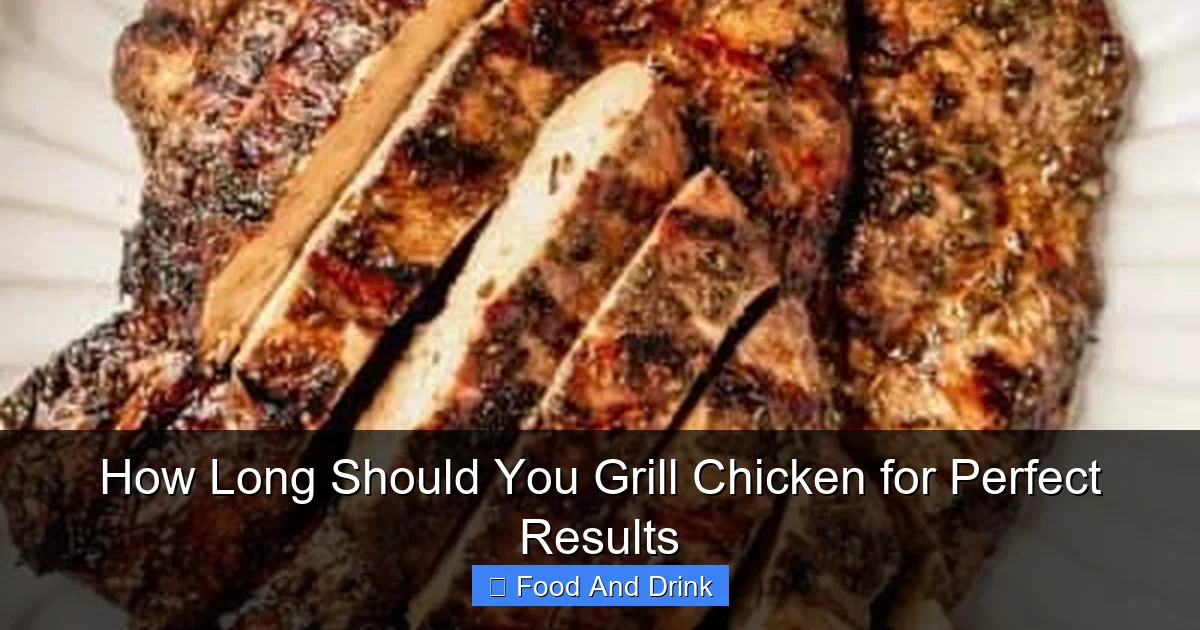
Visual guide about How Long Should You Grill Chicken for Perfect Results
Image source: whatmollymade.com
Knowing how long to grill chicken is only half the battle. The other half? Controlling your grill’s temperature and using heat zones effectively.
Most grills should be preheated to **375°F to 450°F** for chicken. This range provides enough heat to sear and develop flavor without burning. Use an infrared thermometer or the hand test (hold your hand 5 inches above the grates—if you can only stand it for 2–3 seconds, it’s hot enough).
But not all parts of the grill are the same. That’s where heat zones come in.
Direct vs. Indirect Heat
– **Direct heat** means placing the chicken directly over the flame or coals. This is ideal for searing, browning, and cooking thinner cuts quickly.
– **Indirect heat** means placing the chicken next to, but not over, the heat source. This is better for thicker cuts, whole birds, or when you want to cook slowly without charring.
For example, start boneless breasts over direct heat to get a nice crust, then move them to indirect heat to finish cooking through. Bone-in thighs and drumsticks benefit from starting skin-side down over direct heat, then finishing over indirect heat.
Gas vs. Charcoal vs. Pellet Grills
Each grill type has its own quirks:
– **Gas grills** heat up quickly and offer precise temperature control. They’re great for beginners. Preheat for 10–15 minutes and use the burner knobs to create heat zones.
– **Charcoal grills** provide superior smoky flavor but require more skill. Use the two-zone method: pile coals on one side for direct heat, leave the other side empty for indirect. Allow 20–30 minutes for coals to ash over.
– **Pellet grills** combine the convenience of gas with the flavor of wood. They maintain steady temperatures and are excellent for slow grilling. Ideal for whole chickens or large batches.
No matter the grill, always let it preheat fully. Cold grates cause sticking and uneven cooking.
Prep Tips for Juicy, Flavorful Grilled Chicken
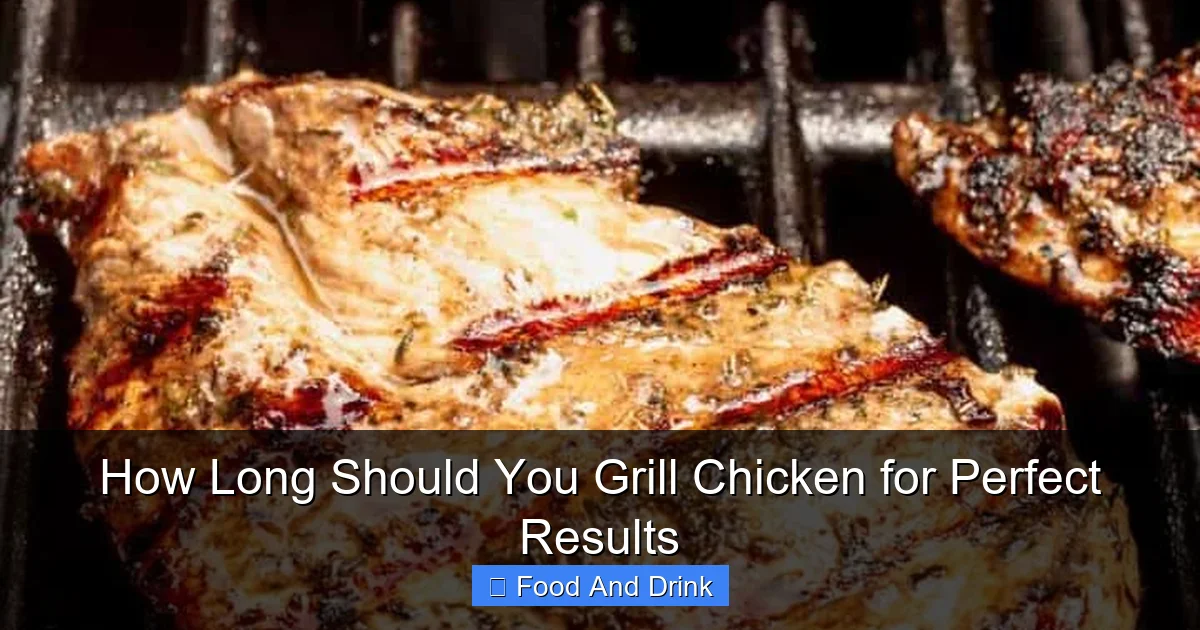
Visual guide about How Long Should You Grill Chicken for Perfect Results
Image source: whatmollymade.com
Great grilling starts long before you light the grill. Proper prep ensures your chicken cooks evenly, stays moist, and tastes amazing.
Marinate for Moisture and Flavor
Marinating isn’t just for flavor—it also helps keep chicken moist. Acidic ingredients like lemon juice, vinegar, or yogurt break down proteins, allowing the meat to absorb more moisture and seasoning.
Aim for at least **30 minutes**, but 2–4 hours is ideal. For tougher cuts like thighs, you can marinate overnight. Avoid over-marinating boneless breasts in highly acidic marinades—more than 4 hours can make them mushy.
Try this simple marinade:
– ¼ cup olive oil
– 2 tbsp lemon juice
– 2 cloves garlic, minced
– 1 tsp dried oregano
– Salt and pepper to taste
Brining for Extra Juiciness
Brining—soaking chicken in salted water—is a pro trick for ultra-juicy results. The salt helps the meat retain moisture during cooking.
Use a basic brine: ¼ cup salt + 4 cups water. Soak chicken for 1–2 hours (no longer for boneless breasts). Rinse and pat dry before grilling.
Pat Dry Before Grilling
Moisture on the surface of the chicken creates steam, which prevents browning. Always pat chicken dry with paper towels before seasoning or marinating.
Season Generously
Salt and pepper are essential, but don’t stop there. Use dry rubs, herbs, or spice blends to add depth. Apply seasoning at least 15 minutes before grilling to let flavors penetrate.
Bring to Room Temperature
Cold chicken straight from the fridge cooks unevenly. Let it sit out for 20–30 minutes before grilling. This ensures more consistent cooking and better browning.
How to Tell When Chicken Is Done (Without Guessing)
The best way to know if chicken is done? Use a meat thermometer. Visual cues like color and juices can be misleading—chicken can look pink even when fully cooked, and clear juices don’t always mean it’s safe.
Insert the thermometer into the thickest part of the meat, avoiding bone. Here’s what to look for:
– **Boneless breasts:** 160°F (pull at this temp, rest to 165°F)
– **Bone-in breasts, thighs, drumsticks:** 165°F
– **Whole chicken:** 165°F in the thigh, 155°F in the breast
If you don’t have a thermometer, make a small cut near the bone. The meat should be white with no pink, and juices should run clear. But this method risks drying out the meat, so use it only as a last resort.
Resting: The Final Step for Juicy Chicken
Never slice into grilled chicken right away. Let it rest for **5 to 10 minutes** tented with foil. This allows juices to redistribute, resulting in moister, more flavorful meat.
Cutting too soon lets all the juices spill out—wasting flavor and drying out the meat.
Common Mistakes and How to Avoid Them
Even experienced grillers make mistakes. Here are the most common pitfalls and how to fix them.
Grilling Cold Chicken
Cold chicken from the fridge cooks unevenly. Always let it come to room temperature for 20–30 minutes before grilling.
Not Preheating the Grill
A cold grill causes sticking and uneven cooking. Preheat for at least 10–15 minutes (longer for charcoal).
Flipping Too Often
Constant flipping prevents browning and slows cooking. Flip only once or twice—once to sear, once to finish.
Overcooking Lean Cuts
Boneless breasts dry out fast. Use a thermometer and pull at 160°F. Consider brining or marinating to add moisture.
Ignoring Carryover Cooking
Chicken continues to cook after removal. Pull it off a few degrees early to avoid overcooking.
Using Too High Heat
High heat chars the outside before the inside is done. Use medium-high heat and indirect zones for thicker cuts.
Conclusion
Grilling chicken to perfection is all about balance—timing, temperature, and technique. Whether you’re cooking quick boneless breasts or a slow-roasted whole bird, the key is to use a meat thermometer, control your heat, and let the chicken rest. With these tips, you’ll serve juicy, flavorful, and safe grilled chicken every time. So fire up the grill, trust your thermometer, and enjoy the delicious results.
Frequently Asked Questions
How long should you grill chicken thighs?
Boneless thighs take 10–14 minutes total, while bone-in thighs need 14–18 minutes. Start skin-side down over direct heat, then finish over indirect heat.
Can you grill chicken on low heat?
Yes, but it takes longer and may not develop a good sear. Low heat (300°F–350°F) works best for thick cuts or whole chickens using indirect grilling.
Should you cover the grill when cooking chicken?
Covering helps maintain even heat and prevents flare-ups, especially for longer cooks. Use the lid, but monitor temperature to avoid overcooking.
How do you prevent chicken from sticking to the grill?
Preheat the grill, clean the grates, and oil them with a high-smoke-point oil. Pat chicken dry and avoid moving it too soon after placing it on the grill.
Can you reuse marinade that touched raw chicken?
No. Always discard marinade that has contacted raw chicken to avoid cross-contamination. If you want to use it as a sauce, boil it first.
What’s the best way to reheat grilled chicken?
The best method is in a skillet over low heat with a splash of broth or water to restore moisture. Avoid the microwave if possible, as it can dry out the meat.


