

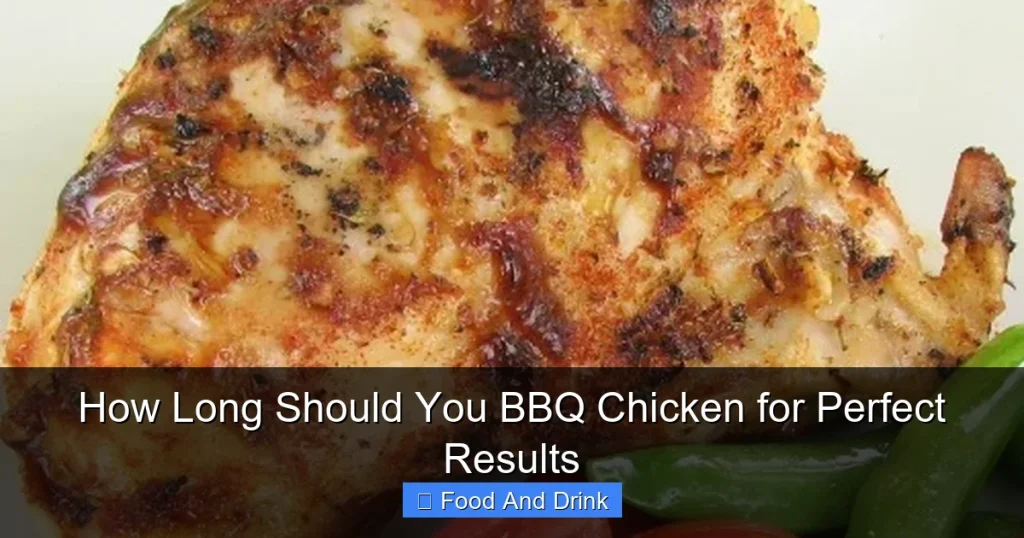

Grilling chicken to perfection isn’t just about heat—it’s about timing, technique, and knowing when it’s truly done. Whether you’re cooking breasts, thighs, or a whole bird, understanding how long to BBQ chicken ensures tender, juicy meat that’s safe to eat without drying out.
Key Takeaways
- Cook chicken to an internal temperature of 165°F (74°C): This is the USDA-recommended safe temperature to kill harmful bacteria like salmonella.
- Boneless chicken breasts take 6–8 minutes per side over medium heat: Use a meat thermometer to avoid overcooking and drying out.
- Bone-in chicken pieces (thighs, drumsticks) need 10–15 minutes per side: Their higher fat content allows longer cooking without drying.
- Whole chickens require indirect heat and 1.5–2 hours total: Spatchcocking or using a rotisserie helps cook evenly.
- Rest chicken for 5–10 minutes after grilling: This lets juices redistribute, keeping meat moist and flavorful.
- Preheat your grill and use a two-zone fire: Direct heat for searing, indirect for finishing—prevents flare-ups and ensures even cooking.
- Marinate or brine beforehand for extra juiciness: Especially helpful for lean cuts like breasts, reducing the risk of dryness during grilling.
Quick Answers to Common Questions
How long should you BBQ chicken breasts?
Boneless, skinless chicken breasts should be grilled for 6–8 minutes per side over medium heat, totaling 12–16 minutes. Always check for an internal temperature of 165°F.
Can you BBQ chicken from frozen?
It’s not recommended. Frozen chicken cooks unevenly and increases the risk of undercooked spots. Thaw it in the fridge overnight before grilling.
Should you flip chicken while grilling?
Yes, flip chicken once during cooking—usually after the first side has seared. Avoid flipping too often, as it prevents proper crust formation.
How do you keep BBQ chicken moist?
Marinate or brine before grilling, use a two-zone fire, and avoid overcooking. Resting the chicken after grilling also helps retain moisture.
What’s the best way to check if chicken is done?
Use an instant-read meat thermometer. Insert it into the thickest part, avoiding bone, and ensure it reads at least 165°F.
📑 Table of Contents
How Long Should You BBQ Chicken for Perfect Results
There’s something magical about the sizzle of chicken hitting a hot grill—the aroma of smoke, the charred edges, and that first juicy bite. But behind every great BBQ chicken meal is one crucial factor: timing. Too little time, and you risk foodborne illness. Too much, and you end up with dry, rubbery meat that even the best sauce can’t save. So, how long should you BBQ chicken to hit that sweet spot of safety, tenderness, and flavor?
The answer isn’t one-size-fits-all. It depends on the cut, the heat, the grill type, and even the weather. But with the right knowledge, you can master the art of grilling chicken every time. Whether you’re a weekend warrior firing up the backyard grill or a seasoned pitmaster aiming for competition-level results, understanding the nuances of timing will elevate your BBQ game.
In this guide, we’ll break down exactly how long to BBQ chicken for different cuts, share pro tips for avoiding common mistakes, and help you achieve that golden-brown crust with a moist, flavorful interior. From boneless breasts to whole birds, we’ve got you covered. Let’s fire up the grill and get cooking.
Understanding Safe Internal Temperatures
Visual guide about How Long Should You BBQ Chicken for Perfect Results
Image source: blog.thermoworks.com
Before we dive into timing, let’s talk safety. The most important rule in BBQ chicken is this: always cook it to an internal temperature of 165°F (74°C). This is the temperature recommended by the USDA to eliminate harmful bacteria like salmonella and campylobacter. No matter how good your timing looks or how perfect the grill marks are, if the chicken hasn’t reached this temp, it’s not safe to eat.
But here’s the catch—temperature, not time, is the true measure of doneness. Two chicken breasts from the same package can cook at different rates depending on thickness, marbling, and how cold they were when they hit the grill. That’s why using a reliable instant-read meat thermometer is non-negotiable. Stick it into the thickest part of the meat, avoiding bone, and wait for the reading.
Now, while 165°F is the target, many chefs actually pull chicken off the grill at 160°F (71°C). Why? Because the temperature will continue to rise 5°F during the resting period—a phenomenon called carryover cooking. This helps prevent overcooking and keeps the meat juicy. Just make sure it hits 165°F by the time it’s done resting.
Another tip: calibrate your thermometer regularly. A misaligned thermometer can give false readings, leading to undercooked or overcooked chicken. You can test it by placing it in ice water (should read 32°F/0°C) or boiling water (212°F/100°F at sea level).
Why Temperature Matters More Than Time
Time is a helpful guide, but it’s not foolproof. Imagine grilling two chicken breasts—one straight from the fridge, the other left out for 30 minutes. The room-temperature breast will cook faster, even if they’re the same size. Or consider windy conditions: they can cool your grill, slowing down cooking. Even the type of charcoal or gas can affect heat consistency.
That’s why relying solely on a timer can lead to disappointment. Instead, use time as a rough estimate and temperature as your final checkpoint. For example, if you know boneless breasts usually take 12–16 minutes total, start checking at the 10-minute mark. This way, you’re not guessing—you’re responding to the actual state of the meat.
Tools for Accurate Temperature Reading
Investing in a good thermometer is one of the best things you can do for your grilling success. Look for an instant-read model with a fast response time (under 5 seconds) and a thin probe to avoid tearing the meat. Wireless probe thermometers are also great—you can monitor the temperature from your phone while tending to other dishes.
Some popular options include the ThermoWorks Thermapen, the Lavatools Javelin, and the Weber iGrill. These tools take the guesswork out of grilling and give you confidence that your chicken is safe and perfectly cooked.
BBQ Timing Guide by Chicken Cut

Visual guide about How Long Should You BBQ Chicken for Perfect Results
Image source: images.squarespace-cdn.com
Now that we’ve covered safety, let’s get into the specifics. Different cuts of chicken require different cooking times and techniques. Here’s a breakdown of how long to BBQ chicken for each popular cut, assuming you’re using a medium-heat grill (around 350–375°F or 175–190°C).
Boneless, Skinless Chicken Breasts
These are the most common cut for grilling, but also the trickiest. They’re lean, cook quickly, and can dry out fast if overcooked. For best results, aim for 6–8 minutes per side, totaling 12–16 minutes.
Start by pounding the breasts to an even thickness—this ensures uniform cooking. Season or marinate them for at least 30 minutes (or up to 24 hours) to add moisture and flavor. Preheat your grill and oil the grates to prevent sticking.
Place the breasts over direct heat and sear for 2–3 minutes per side to develop a nice crust. Then, move them to indirect heat to finish cooking. This two-zone method prevents flare-ups and allows the inside to cook through without burning the outside.
Use your thermometer to check for 160°F in the thickest part. Once it hits that temp, remove from the grill and let rest for 5–10 minutes. The final temp should reach 165°F, and the juices will redistribute for maximum tenderness.
Bone-In, Skin-On Chicken Pieces (Thighs, Drumsticks, Wings)
These cuts are more forgiving thanks to their higher fat content and skin, which helps retain moisture. They also take longer to cook—typically 10–15 minutes per side, or 20–30 minutes total.
Thighs and drumsticks are especially great for beginners. They’re hard to overcook and stay juicy even if left on a bit longer. Wings cook faster—about 8–12 minutes total—but can flare up due to their high fat content, so keep an eye on them.
For bone-in pieces, start skin-side down over direct heat to crisp the skin. After 5–7 minutes, flip and move to indirect heat to finish. This method gives you that perfect balance of crispy skin and tender meat.
Always check the internal temperature near the bone, as that’s the last part to cook. Thighs and drumsticks are safe at 165°F, but many prefer them at 170–175°F for a more fall-off-the-bone texture.
Whole Chicken (Spatchcocked or Rotisserie)
Grilling a whole chicken is a showstopper, but it requires patience and the right technique. The key is even cooking—without it, the breast dries out before the thighs are done.
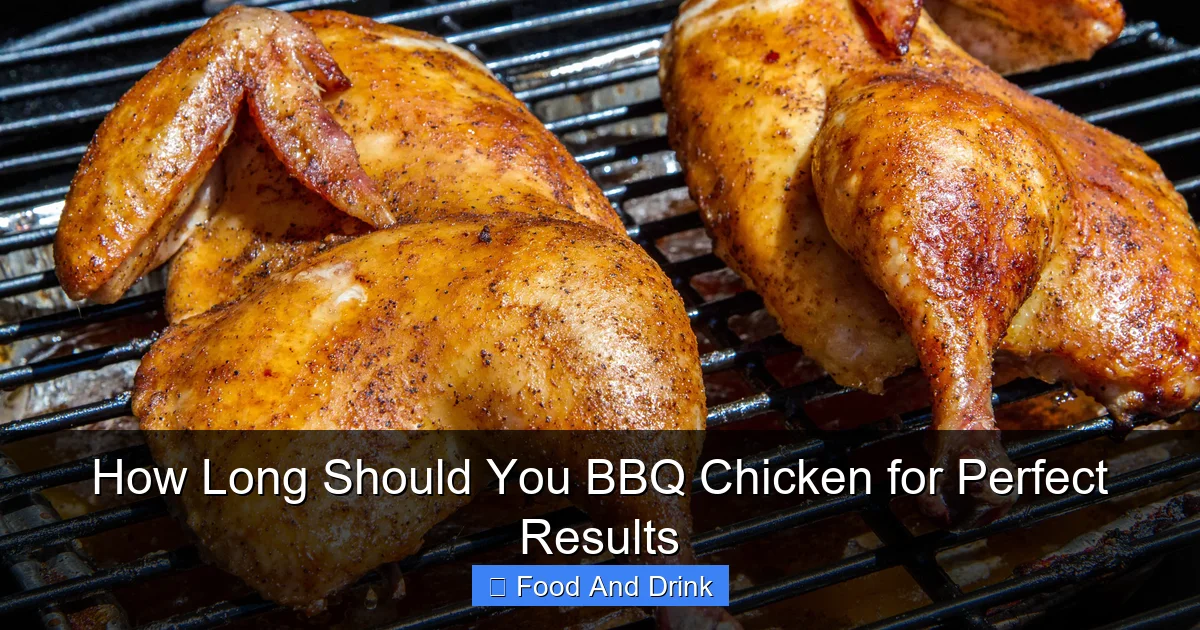
The best method is spatchcocking: removing the backbone and flattening the bird. This allows it to cook evenly over direct heat. A spatchcocked chicken typically takes 45–60 minutes at 375°F (190°C), depending on size.
Alternatively, use a rotisserie for a slow, rotating cook. This method takes 1.5–2 hours at 325–350°F (160–175°C) and delivers incredibly moist, evenly cooked meat. The constant rotation bastes the chicken in its own juices.
No matter the method, check the internal temperature in multiple spots: breast (165°F), thigh (175°F), and wing joint. Let the whole bird rest for 15–20 minutes before carving to lock in juices.
Chicken Tenders and Kebabs
These smaller cuts cook quickly—usually 3–4 minutes per side, or 6–8 minutes total. Because they’re thin, they can go from perfect to overcooked in seconds.
For kebabs, alternate chicken with vegetables to create a balanced meal. Use metal or soaked wooden skewers to prevent burning. Cook over medium heat, turning every 2–3 minutes for even browning.
Tenders are great for quick weeknight meals. Marinate them in yogurt or buttermilk for extra tenderness, then grill until they reach 165°F. Serve with a fresh salad or grilled veggies for a complete dish.
Grill Setup and Heat Management

Visual guide about How Long Should You BBQ Chicken for Perfect Results
Image source: grillmasterhq.com
Even with perfect timing, your chicken won’t turn out right if your grill isn’t set up properly. Heat management is the secret sauce of great BBQ.
Two-Zone Fire: The Griller’s Best Friend
A two-zone fire means having one side of the grill hot (direct heat) and the other cooler (indirect heat). This setup gives you control over the cooking process.
Use direct heat for searing—getting that beautiful grill mark and caramelized crust. Then, move the chicken to indirect heat to finish cooking gently. This prevents burning while ensuring the inside cooks through.
To set up a two-zone fire on a charcoal grill, pile the coals on one side. On a gas grill, turn one burner to high and leave the other off or on low. This simple technique makes a huge difference in results.
Preheating and Grill Maintenance
Always preheat your grill for 10–15 minutes before cooking. This ensures even heat and helps prevent sticking. While it’s heating, clean the grates with a wire brush to remove old residue.
Oil the grates just before placing the chicken. Use tongs and a folded paper towel dipped in oil—never spray oil directly on hot grates, as it can cause flare-ups.
Managing Flare-Ups
Flare-ups happen when fat drips onto the heat source and ignites. While a little char adds flavor, too much can burn your chicken.
To minimize flare-ups, trim excess fat from the chicken. Keep a spray bottle of water nearby to tame sudden flames. And remember: moving the chicken to indirect heat is the fastest way to stop a flare-up.
Marinating, Brining, and Seasoning Tips
Great BBQ chicken starts long before it hits the grill. How you prepare the meat affects moisture, flavor, and texture.
The Power of Marination
Marinating adds flavor and can tenderize the meat. Use a mix of acid (like lemon juice or vinegar), oil, and seasonings. For chicken breasts, marinate 30 minutes to 2 hours. Longer than that, and the acid can start to “cook” the meat, making it mushy.
Try a simple marinade of olive oil, garlic, lemon juice, oregano, salt, and pepper. Or go bold with a spicy chipotle-lime blend. Always marinate in the fridge, and discard used marinade—don’t reuse it as a sauce unless boiled first.
Brining for Juiciness
Brining—soaking chicken in salted water—is a game-changer for lean cuts. The salt helps the meat retain moisture during cooking, resulting in juicier results.
A basic brine is 1/4 cup salt and 1/4 cup sugar dissolved in 4 cups water. Soak chicken breasts for 1–2 hours, then rinse and pat dry before grilling. For extra flavor, add herbs, garlic, or citrus to the brine.
Seasoning Strategies
Dry rubs are another great option. They form a flavorful crust and don’t require marinating time. Apply rubs at least 15 minutes before grilling to let the flavors penetrate.
Popular rubs include smoked paprika, garlic powder, onion powder, cumin, and brown sugar. For a spicy kick, add cayenne or chili powder. Always season both sides and don’t forget the edges of cutlets.
Common Mistakes and How to Avoid Them
Even experienced grillers make mistakes. Here are the most common pitfalls and how to fix them.
Overcooking and Dry Chicken
This is the #1 complaint about grilled chicken. The fix? Use a thermometer and don’t walk away. Lean cuts like breasts need close attention.
If you do overcook, don’t despair. Shred the meat and use it in tacos, salads, or sandwiches where moisture from sauce or dressing can help.
Undercooked Chicken
Never serve chicken that hasn’t reached 165°F. Use a thermometer, and if it’s close but not quite there, move it to indirect heat to finish safely.
Sticking to the Grates
This usually happens when the grill isn’t hot enough or the grates aren’t oiled. Preheat thoroughly and oil the grates just before cooking.
Flare-Ups and Burnt Exteriors
Trim fat, use a two-zone fire, and keep a spray bottle handy. If flare-ups happen, move the chicken immediately.
Resting and Serving Your BBQ Chicken
The final step is just as important as the cooking. Letting chicken rest allows the juices to redistribute, ensuring every bite is moist.
How Long to Rest
Rest boneless cuts for 5 minutes, bone-in pieces for 10 minutes, and whole birds for 15–20 minutes. Cover loosely with foil to keep warm.
Serving Suggestions
Serve BBQ chicken with grilled vegetables, corn on the cob, or a fresh salad. Drizzle with chimichurri, barbecue sauce, or a squeeze of lime for extra flavor.
Conclusion
Grilling chicken doesn’t have to be intimidating. With the right timing, temperature, and technique, you can achieve juicy, flavorful results every time. Remember: how long you BBQ chicken depends on the cut, but safety and doneness are always measured by internal temperature. Use a thermometer, manage your heat, and don’t skip the resting period. Whether you’re cooking for family dinner or a backyard party, these tips will help you serve up perfect BBQ chicken that everyone will love.
Frequently Asked Questions
How long should you BBQ chicken thighs?
Bone-in chicken thighs typically take 10–15 minutes per side over medium heat, or 20–30 minutes total. Cook until the internal temperature reaches 165°F, though many prefer 170–175°F for a more tender texture.
Can you grill chicken on high heat?
You can, but it’s risky. High heat can char the outside before the inside cooks through. Use high heat only for searing, then move to indirect heat to finish.
Should you cover the grill when cooking chicken?
Yes, especially for bone-in or whole chickens. Covering helps maintain even heat and reduces flare-ups. Leave the lid off only when searing or flipping.
How long do you BBQ chicken wings?
Chicken wings take about 8–12 minutes total on the grill. Cook over medium heat, turning every few minutes, until they reach 165°F and the skin is crispy.
Is it safe to reuse marinade?
No, unless you boil it first. Used marinade can contain harmful bacteria from raw chicken. If you want to use it as a sauce, simmer it for at least 5 minutes.
How do you prevent chicken from drying out on the grill?
Brine or marinate the chicken, use a two-zone fire, and avoid overcooking. Also, let the chicken rest after grilling to redistribute juices.


