

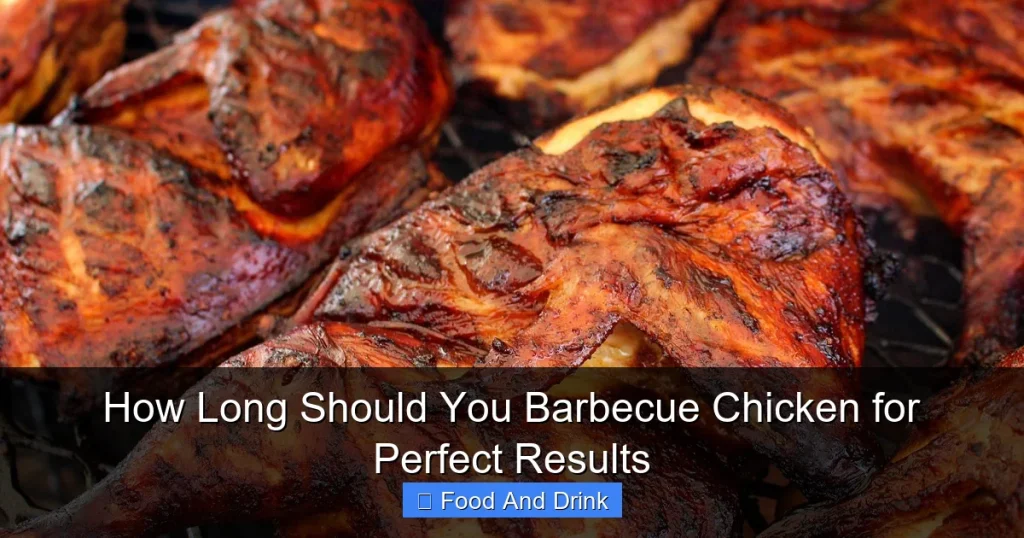

Knowing how long to barbecue chicken is key to juicy, safe, and flavorful results. Whether you’re grilling breasts, thighs, or wings, timing depends on cut, size, and heat. With the right approach, you’ll avoid dryness or undercooking every time.
Key Takeaways
- Chicken must reach 165°F internally: This is the safe minimum temperature to kill harmful bacteria, regardless of cooking method.
- Boneless breasts cook faster than bone-in: Expect 6–8 minutes per side on medium-high heat, while bone-in pieces take 12–15 minutes per side.
- Use a meat thermometer: Guessing leads to overcooked or unsafe chicken—always check the thickest part without touching bone.
- Indirect heat prevents flare-ups: For larger cuts like whole chickens or thighs, use two-zone grilling to cook evenly without burning.
- Resting is essential: Let chicken rest 5–10 minutes after grilling to lock in juices and improve texture.
- Marinate for flavor and moisture: Marinating for at least 30 minutes (or up to 24 hours) enhances taste and helps prevent dryness.
- Adjust time based on grill type: Gas, charcoal, and pellet grills vary in heat consistency—monitor closely and adjust as needed.
Quick Answers to Common Questions
How long do you barbecue boneless chicken breasts?
Boneless, skinless chicken breasts typically take 6–8 minutes per side over medium-high heat, or about 12–16 minutes total, until they reach 165°F internally.
Can you barbecue chicken too long?
Yes, overcooking leads to dry, tough meat. Always use a meat thermometer and remove chicken at 160–165°F, then let it rest.
Should you marinate chicken before barbecuing?
Yes, marinating for at least 30 minutes adds flavor and moisture, especially for lean cuts like breasts.
What’s the best way to prevent flare-ups when grilling chicken?
Use a two-zone fire, trim excess fat, and keep a spray bottle of water nearby to control flames.
Can you barbecue frozen chicken?
It’s not recommended. Frozen chicken cooks unevenly and may remain unsafe. Always thaw completely in the refrigerator before grilling.
📑 Table of Contents
How Long Should You Barbecue Chicken for Perfect Results
There’s nothing quite like the smoky aroma of chicken sizzling on the grill on a warm summer evening. Whether you’re hosting a backyard barbecue or enjoying a quiet family dinner, grilled chicken is a crowd-pleaser. But here’s the catch: get the timing wrong, and you end up with dry, rubbery meat or worse—undercooked poultry that’s unsafe to eat. So, how long should you barbecue chicken to achieve that golden-brown crust, juicy interior, and rich smoky flavor?
The answer isn’t one-size-fits-all. It depends on the cut of chicken, the type of grill, the heat level, and even the weather. But with a few key guidelines and a reliable meat thermometer, you can master the art of barbecuing chicken every time. This guide will walk you through everything you need to know—from prep to plating—so your next grilled chicken dish is nothing short of perfection.
Understanding Safe Internal Temperatures
Visual guide about How Long Should You Barbecue Chicken for Perfect Results
Image source: chetnamakan.co.uk
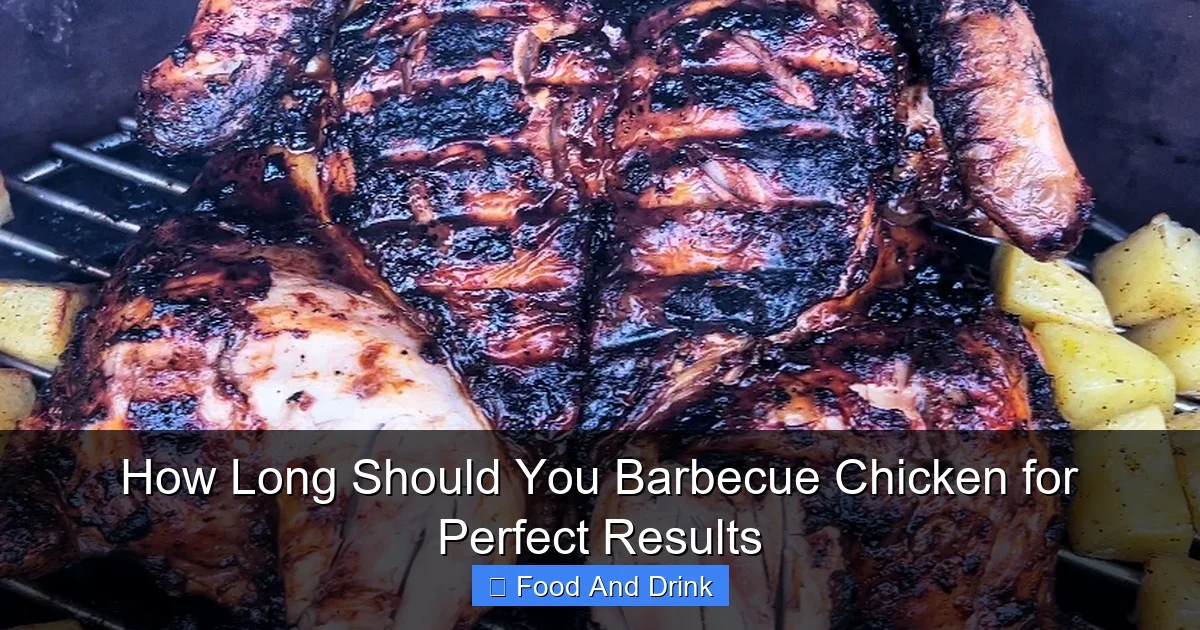
Before we dive into timing, let’s talk safety. The most important rule when barbecuing chicken is ensuring it reaches a safe internal temperature. According to the USDA, all poultry must be cooked to a minimum of 165°F (74°C) to kill harmful bacteria like Salmonella and Campylobacter. This applies whether you’re grilling boneless breasts, bone-in thighs, or a whole chicken.
But here’s a common mistake: many people rely solely on time estimates and visual cues, like color or char marks. While a golden-brown exterior looks appetizing, it doesn’t guarantee the inside is fully cooked. That’s why using a digital instant-read meat thermometer is non-negotiable. Insert it into the thickest part of the meat, avoiding bones, fat, or gristle, for an accurate reading.
Why Temperature Matters More Than Time
Time is a helpful guideline, but it’s not foolproof. A chicken breast cooked over high heat on a gas grill might reach 165°F in 10 minutes, while the same cut on a cooler charcoal grill could take 15. Factors like wind, altitude, and even the thickness of the meat can affect cooking speed. That’s why temperature is your best friend—it tells you exactly when the chicken is done, regardless of external conditions.
Don’t Guess—Measure
We’ve all been there: you take the chicken off the grill, slice into it, and find it’s still pink near the bone. Or worse, you wait too long and end up with dry, tough meat. A meat thermometer eliminates the guesswork. Aim for 165°F, but remember that chicken will continue to cook slightly after removal from the heat due to residual warmth—a process called carryover cooking. For this reason, some chefs pull chicken off at 160°F, knowing it will rise to 165°F during resting.
Barbecuing Different Cuts of Chicken
Visual guide about How Long Should You Barbecue Chicken for Perfect Results
Image source: 3.bp.blogspot.com
Not all chicken is created equal when it comes to grilling. Each cut has unique characteristics that affect how long it should barbecue. Let’s break down the most common types and their ideal cooking times.
Boneless, Skinless Chicken Breasts
These are a favorite for their lean protein and quick cooking time—but they’re also the most prone to drying out. Because they lack fat and skin, they need careful attention.
– Cooking time: 6–8 minutes per side over medium-high heat (around 375°F to 400°F).
– Internal temperature: 165°F.
– Tips: Pound thicker breasts to an even thickness for uniform cooking. Marinate for at least 30 minutes to add moisture. Use a grill basket or flip frequently to prevent sticking.
Bone-In, Skin-On Chicken Breasts
The bone and skin act as natural insulators, helping retain moisture and adding flavor. These take longer but are more forgiving.
– Cooking time: 12–15 minutes per side over medium heat (350°F to 375°F).
– Internal temperature: 165°F.
– Tips: Start skin-side down to crisp the skin. Use indirect heat if flare-ups occur. Baste with sauce during the last 5 minutes to avoid burning.
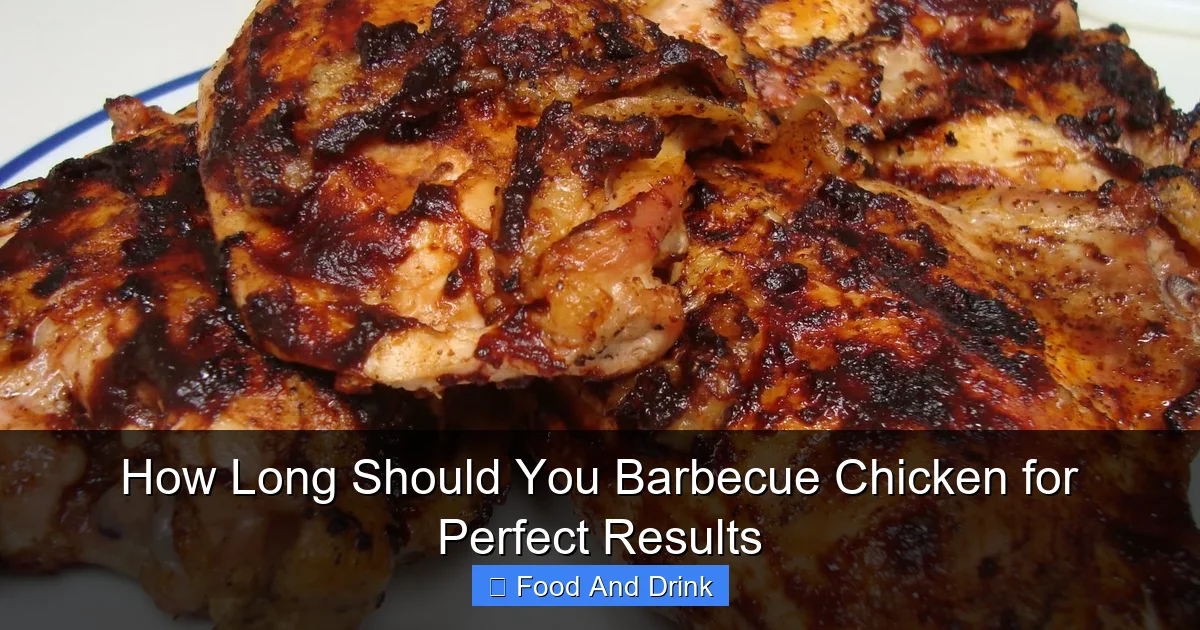
Chicken Thighs (Boneless or Bone-In)
Thighs are juicier and more flavorful than breasts thanks to their higher fat content. They’re also more forgiving if slightly overcooked.
– Boneless thighs: 5–7 minutes per side.
– Bone-in thighs: 10–12 minutes per side.
– Internal temperature: 165°F.
– Tips: Great for marinating. Can handle higher heat without drying out. Perfect for skewers or grilling directly.
Chicken Wings
Wings are all about crispy skin and tender meat. They cook quickly but can burn easily.
– Cooking time: 12–15 minutes total, turning every 3–4 minutes.
– Internal temperature: 165°F.
– Tips: Par-cook in the oven or boil briefly before grilling for extra crispiness. Toss in sauce during the last 2–3 minutes.
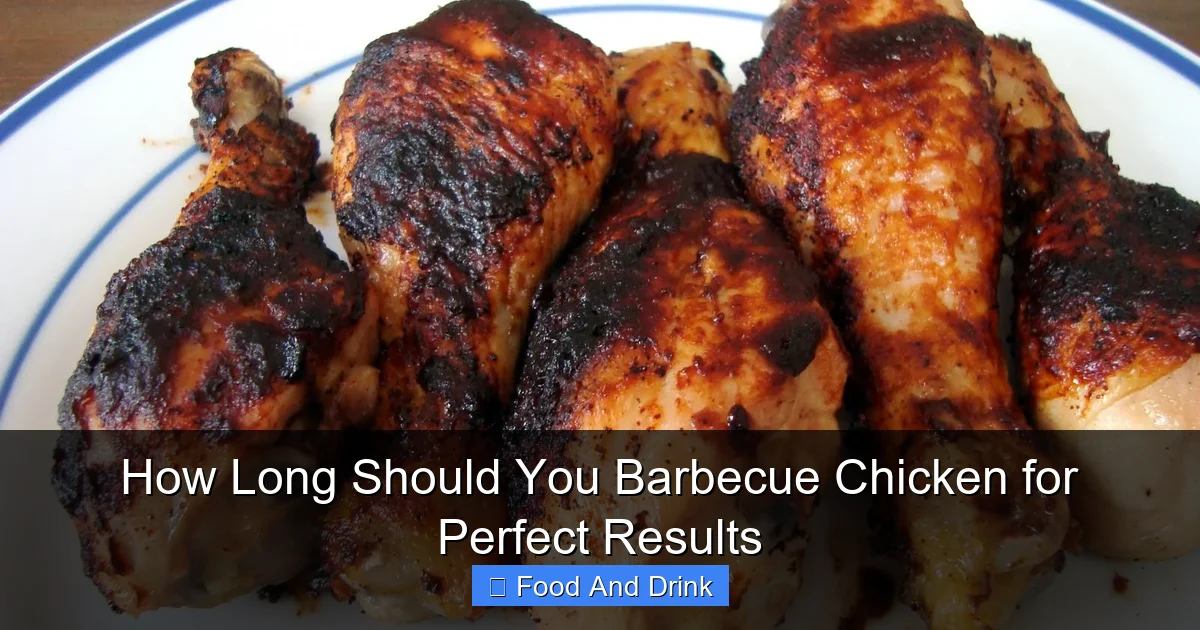
Drumsticks
Similar to thighs, drumsticks are flavorful and moist. The bone helps conduct heat evenly.
– Cooking time: 12–15 minutes, turning occasionally.
– Internal temperature: 165°F.
– Tips: Great for basting. Can be grilled over direct or indirect heat. Ideal for marinades with acid (like lemon or vinegar) to tenderize.
Whole Chicken (Spatchcocked or Rotisserie)
Grilling a whole chicken is impressive but requires patience and technique.
– Spatchcocked (butterflied): 45–60 minutes over indirect heat at 375°F.
– Rotisserie: 1.5 to 2 hours at 350°F, depending on size.
– Internal temperature: 165°F in the breast and thigh.
– Tips: Spatchcocking ensures even cooking. Use a meat thermometer in multiple spots. Baste with butter or oil for crisp skin.
Grill Type and Heat Management
Visual guide about How Long Should You Barbecue Chicken for Perfect Results
Image source: 1.bp.blogspot.com
The type of grill you use—gas, charcoal, or pellet—affects how long you should barbecue chicken. Each has its own heat profile and requires different strategies.
Gas Grills
Gas grills offer consistent, controllable heat, making them ideal for beginners.
– Heat level: Medium-high (375°F to 400°F).
– Pros: Easy to adjust, quick to heat up, minimal flare-ups.
– Cons: Less smoky flavor compared to charcoal.
– Tips: Preheat for 10–15 minutes. Use a two-zone setup (one side hot, one side cooler) for better control.
Charcoal Grills
Charcoal delivers that classic smoky flavor but requires more skill to manage heat.
– Heat level: Medium (350°F to 375°F).
– Pros: Rich flavor, high heat capability.
– Cons: Harder to control, longer preheat time.
– Tips: Use a chimney starter for even lighting. Arrange coals for direct and indirect zones. Monitor temperature with a grill thermometer.
Pellet Grills
Pellet grills combine the convenience of gas with the flavor of wood smoke.
– Heat level: Set to 375°F for most chicken cuts.
– Pros: Consistent temperature, smoky flavor, versatile.
– Cons: Higher cost, requires electricity.
– Tips: Use fruitwood pellets (like apple or cherry) for a mild, sweet smoke. Great for longer cooks like whole chickens.
Two-Zone Grilling: The Secret to Success
Whether you’re using gas or charcoal, setting up a two-zone fire is a game-changer. This means creating a hot side (direct heat) and a cooler side (indirect heat). You start the chicken over direct heat to sear and develop a crust, then move it to indirect heat to finish cooking through without burning.
This method is especially useful for bone-in cuts, wings, and whole chickens. It prevents charring while ensuring the inside cooks evenly. For example, sear chicken thighs skin-side down over direct heat for 5 minutes, then move to indirect heat for the remaining 7–10 minutes.
Marinating, Brining, and Seasoning Tips
Great barbecue isn’t just about timing—it’s also about flavor and moisture. How you prepare your chicken before grilling can make a huge difference in the final result.
Marinating for Flavor and Tenderness
Marinating chicken adds flavor and helps keep it moist, especially for lean cuts like breasts. A good marinade typically includes:
– Acid: Lemon juice, vinegar, or yogurt to tenderize.
– Oil: Olive oil or avocado oil to carry flavor and prevent sticking.
– Seasonings: Herbs, spices, garlic, and salt.
Marinating time: At least 30 minutes, but ideally 2–4 hours. Avoid marinating too long (over 24 hours) with acidic ingredients, as it can make the meat mushy.
Brining for Juiciness
Brining involves soaking chicken in a saltwater solution (sometimes with sugar and spices) to enhance moisture retention. It’s especially useful for boneless breasts.
– Basic brine: 1/4 cup salt + 1/4 cup sugar per quart of water.
– Brining time: 1–2 hours for breasts, up to 4 hours for larger cuts.
– Tip: Rinse and pat dry before grilling to avoid oversalting.
Dry Rubs and Seasoning
For a quick flavor boost, use a dry rub. Combine salt, pepper, paprika, garlic powder, onion powder, and brown sugar for a classic barbecue blend. Apply 30 minutes to 1 hour before grilling to let the flavors penetrate.
Basting with Sauce
Barbecue sauce adds sweetness and shine, but it can burn easily due to sugar content. Only baste during the last 5–10 minutes of cooking, or use a sauce with low sugar. Alternatively, brush on a light coat of oil or butter early on, then add sauce near the end.
Common Mistakes and How to Avoid Them
Even experienced grillers make mistakes. Here are the most common pitfalls and how to fix them.
Overcooking and Dry Chicken
This is the #1 complaint about grilled chicken. It happens when you cook too long or at too high a heat.
– Solution: Use a meat thermometer. Remove chicken at 160°F and let it rest. Pound breasts to even thickness. Marinate or brine beforehand.
Undercooked Chicken
Pink meat near the bone doesn’t always mean it’s undercooked—some chicken retains a pink hue even when safe. But if the temperature is below 165°F, it’s not safe.
– Solution: Always check temperature. Use indirect heat for bone-in cuts. Avoid flipping too often, which lowers grill temperature.
Flare-Ups and Burnt Exterior
Fat dripping onto flames causes flare-ups, which can char the outside while leaving the inside undercooked.
– Solution: Trim excess fat. Use a two-zone fire. Keep a spray bottle of water handy to tame flames.
Sticking to the Grill
Chicken sticks when the grill isn’t hot enough or the grates aren’t clean.
– Solution: Preheat the grill thoroughly. Clean grates with a wire brush. Oil the grates (not the chicken) before cooking.
Not Letting Chicken Rest
Cutting into chicken immediately after grilling lets all the juices escape, resulting in dry meat.
– Solution: Let chicken rest 5–10 minutes on a cutting board or plate. Cover loosely with foil to keep warm.
Serving and Storing Grilled Chicken
Once your chicken is perfectly barbecued, it’s time to enjoy it. But how you serve and store it matters too.
Serving Suggestions
Grilled chicken pairs well with:
– Fresh salads (like Caesar or Greek)
– Grilled vegetables (zucchini, bell peppers, corn)
– Rice or quinoa bowls
– Sandwiches or wraps
– Tacos or kebabs
Storing Leftovers
Store leftover grilled chicken in an airtight container in the refrigerator for up to 4 days. Reheat gently in the oven or on the grill to avoid drying out.
Freezing for Later
You can freeze grilled chicken for up to 3 months. Wrap tightly in plastic wrap and foil, or use freezer bags. Thaw in the refrigerator before reheating.
Conclusion
So, how long should you barbecue chicken? The short answer: until it reaches 165°F internally. But the real secret lies in understanding your cut, managing your heat, and using the right techniques. Whether you’re grilling juicy thighs, crispy wings, or a whole spatchcocked bird, timing is just one piece of the puzzle.
With a meat thermometer in hand, a well-prepped marinade, and a little patience, you’ll serve up tender, flavorful chicken every time. Remember: great barbecue isn’t rushed. It’s about savoring the process—the sizzle, the smoke, the anticipation. So fire up the grill, invite some friends over, and enjoy the delicious results of your perfectly timed barbecue chicken.
Frequently Asked Questions
How long should you barbecue chicken wings?
Chicken wings take about 12–15 minutes on the grill, turning every 3–4 minutes, until they reach 165°F internally. For extra crispiness, par-cook them first.
What temperature should a charcoal grill be for chicken?
Aim for medium heat, around 350°F to 375°F. Use a grill thermometer to monitor, and set up a two-zone fire for better control.
Can you use barbecue sauce while grilling chicken?
Yes, but only during the last 5–10 minutes of cooking. Sugar in sauce can burn easily, so avoid applying it too early.
How do you know when chicken is done on the grill?
The safest way is to use a meat thermometer. Insert it into the thickest part without touching bone—165°F means it’s fully cooked.
Should you flip chicken often when barbecuing?
Flip once or twice during cooking. Too much flipping lowers the grill temperature and can prevent proper searing.
Can you barbecue chicken on a gas grill?
Absolutely. Gas grills offer consistent heat and are great for beginners. Preheat for 10–15 minutes and use a two-zone setup if possible.


