



Roasting a chicken to golden, juicy perfection isn’t just about heat—it’s about timing, temperature, and technique. Most whole chickens take 15 to 20 minutes per pound at 375°F, but factors like size, oven type, and stuffing affect the total cook time. With the right approach, you’ll serve a flavorful, safe, and tender roast chicken every time.
Key Takeaways
- Standard cooking time: Allow 15–20 minutes per pound at 375°F (190°C) for a whole chicken.
- Use a meat thermometer: The safest way to know when your chicken is done—internal temperature should reach 165°F (74°C) in the thickest part of the thigh.
- Rest before carving: Let the chicken rest for 15–20 minutes after roasting to lock in juices.
- Size matters: Smaller chickens (3–4 lbs) cook faster; larger ones (6+ lbs) need more time and may benefit from lower heat.
- Trussing improves even cooking: Tying the legs together helps the chicken cook evenly and retain moisture.
- High-heat finish adds crispness: Crank the oven to 450°F (230°C) for the last 10 minutes for golden, crispy skin.
- Stuffing adds time: If cooking with stuffing, add 15–20 minutes and ensure the stuffing reaches 165°F.
Quick Answers to Common Questions
How long does a 4-pound roast chicken take?
A 4-pound roast chicken typically takes 60 to 80 minutes to cook at 375°F (190°C), depending on oven accuracy and preparation.
Can I roast a chicken at 400°F?
Yes, roasting at 400°F (200°C) will reduce cook time slightly—about 13–18 minutes per pound—and help crisp the skin faster.
Should I cover my roast chicken while cooking?
No, covering the chicken traps steam and prevents the skin from crisping. Only tent with foil if the skin is browning too quickly.
How do I know when roast chicken is done without a thermometer?
Without a thermometer, check that the juices run clear when you pierce the thigh, and the legs move easily in their joints. But a thermometer is far more reliable.
Can I cook a frozen roast chicken?
It’s not recommended to roast a frozen chicken due to uneven cooking and food safety risks. Always thaw it in the fridge first.
📑 Table of Contents
- How Long Does Roast Chicken Take to Cook Perfectly?
- Understanding the Basics: Weight, Temperature, and Time
- Factors That Affect Roast Chicken Cook Time
- Step-by-Step Guide to Perfect Roast Chicken Timing
- Common Mistakes That Affect Cook Time
- Expert Tips for Faster, Better Roast Chicken
- Conclusion: Mastering the Timing for Perfect Roast Chicken
How Long Does Roast Chicken Take to Cook Perfectly?
There’s something deeply comforting about the aroma of a roast chicken wafting through the kitchen. The golden-brown skin, the tender meat that falls off the bone, the rich juices pooling in the roasting pan—it’s a classic dish that feels both rustic and elegant. But behind that perfect roast lies a crucial question: how long does roast chicken take?
If you’ve ever pulled a chicken out of the oven only to find it undercooked in the center or dry around the edges, you’re not alone. Timing is everything when it comes to roasting chicken. Too little time, and you risk foodborne illness. Too much, and you end up with dry, stringy meat. The good news? With a few simple guidelines and a little know-how, you can master the art of timing your roast chicken for consistent, delicious results every single time.
Whether you’re cooking a 3-pound broiler or a 6-pound heritage bird, understanding the factors that influence cook time—like weight, oven temperature, and preparation method—will help you nail that perfect balance of crispy skin and juicy meat. In this guide, we’ll break down everything you need to know about how long roast chicken takes, from general timing rules to expert tips for foolproof roasting.
Understanding the Basics: Weight, Temperature, and Time
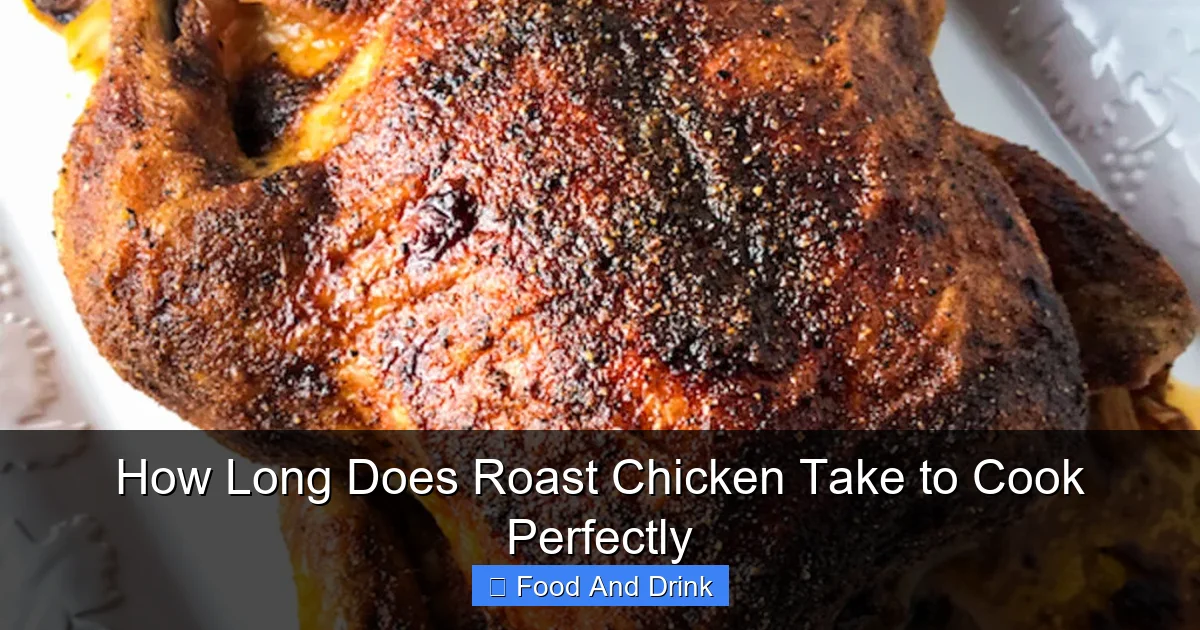
Visual guide about How Long Does Roast Chicken Take to Cook Perfectly
Image source: thegeneticchef.com
At the heart of every successful roast chicken is a simple formula: time = weight × temperature. But it’s not quite as straightforward as it sounds. Let’s start with the basics.
Most home cooks roast chicken at 375°F (190°C), a temperature that gently cooks the meat while allowing the skin to crisp up without burning. At this temperature, a general rule of thumb is to allow 15 to 20 minutes of cooking time per pound of chicken. So, a 4-pound chicken would take roughly 60 to 80 minutes to cook through.
But here’s the catch: this is just a starting point. Ovens vary in accuracy, chickens differ in shape and density, and even the type of roasting pan can affect heat distribution. That’s why relying solely on time can lead to disappointment.
For example, a chicken with a lot of breast meat might cook faster in the center, while one with thicker thighs could take longer. Similarly, a chicken that’s been brined or stuffed will retain more moisture and may need extra time to reach a safe internal temperature.
Why Temperature Matters More Than Time
While time gives you a rough estimate, the real key to perfect roast chicken is internal temperature. The USDA recommends cooking poultry to a minimum internal temperature of 165°F (74°C) to ensure food safety. This temperature should be measured in the thickest part of the thigh, avoiding the bone.
Why the thigh? Because it’s the last part of the chicken to cook. The breast meat, which is leaner, can dry out quickly if overcooked. By checking the thigh, you ensure the entire bird is safe to eat without sacrificing the juiciness of the breast.
Using a reliable meat thermometer takes the guesswork out of roasting. Insert it into the thigh without touching the bone, and when it reads 165°F, your chicken is done. No more cutting into the meat to check for pinkness—just accurate, stress-free results.
Adjusting for Chicken Size
Not all chickens are created equal. A 3-pound chicken will cook much faster than a 6-pound one, and the difference isn’t just linear. Larger birds have more mass, which means heat takes longer to penetrate to the center.
Here’s a quick reference guide based on average weights:
- 3-pound chicken: 45–60 minutes at 375°F
- 4-pound chicken: 60–80 minutes at 375°F
- 5-pound chicken: 75–100 minutes at 375°F
- 6-pound chicken: 90–120 minutes at 375°F
Keep in mind that these are estimates. Always use a thermometer to confirm doneness.
For very large chickens (6+ pounds), some chefs recommend lowering the oven temperature to 325°F (160°C) and roasting for a longer period. This slower cook helps prevent the outside from overcooking before the inside is done. You can then finish with a high-heat blast to crisp the skin.
Factors That Affect Roast Chicken Cook Time
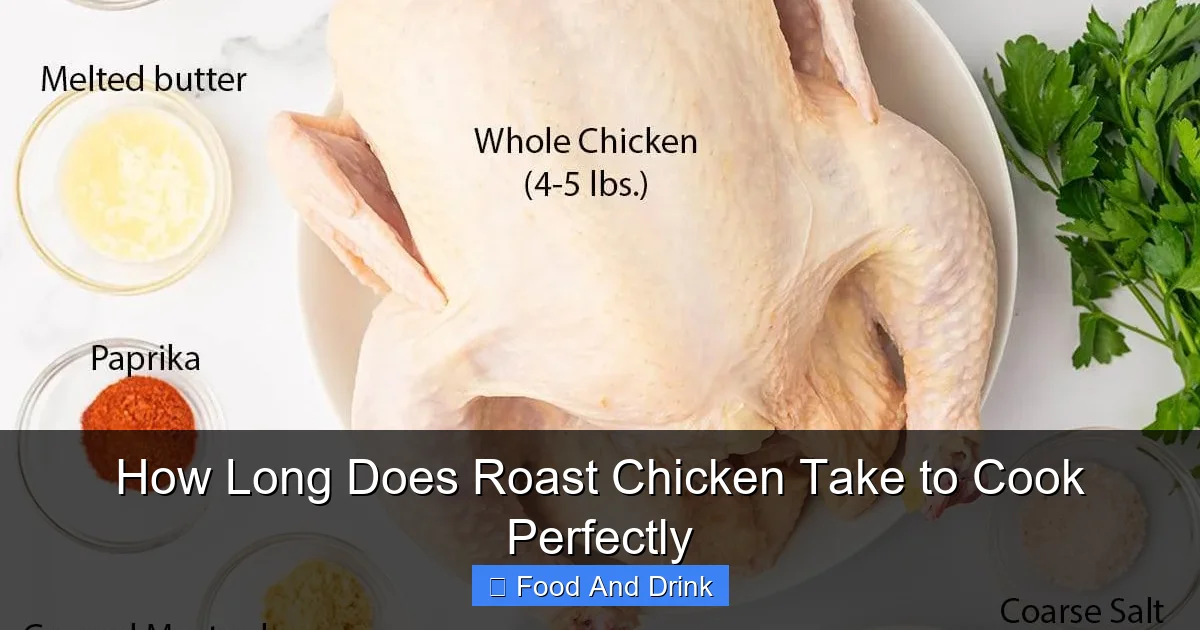
Visual guide about How Long Does Roast Chicken Take to Cook Perfectly
Image source: recipeteacher.com
Even with the right weight and temperature, several variables can influence how long your roast chicken takes. Understanding these factors will help you adjust your timing and avoid common pitfalls.
1. Oven Type and Accuracy
Not all ovens are created equal. Convection ovens, which use a fan to circulate hot air, cook food more evenly and can reduce cook time by about 25%. If you’re using a convection oven, you can either lower the temperature by 25°F or reduce the cooking time accordingly.
Older ovens may also have hot spots or temperature inaccuracies. To check your oven’s accuracy, use an oven thermometer. Place it in the center of the oven and compare the reading to the set temperature. If there’s a significant difference, adjust your cooking time or recalibrate your oven.
2. Starting Temperature of the Chicken
A chicken that’s been sitting on the counter for 30 minutes will cook faster than one straight from the fridge. Cold meat takes longer for heat to penetrate, which can lead to uneven cooking.
For best results, let your chicken come to room temperature before roasting. This usually takes about 30–60 minutes, depending on the size. Not only does this promote even cooking, but it also helps the skin crisp up more effectively.
3. Trussing and Preparation
Trussing—tying the legs together with kitchen twine—might seem like a fancy chef trick, but it serves a practical purpose. By pulling the legs and wings close to the body, trussing helps the chicken cook more evenly. It also prevents the thinner parts from drying out.
If you don’t truss, the legs and wings may overcook while the breast is still underdone. Trussing ensures that the heat reaches all parts of the bird at roughly the same rate.
4. Stuffing the Cavity
Stuffing the chicken with aromatics like lemon, garlic, and herbs adds incredible flavor, but it also affects cook time. The stuffing acts as an insulator, slowing down the transfer of heat to the center of the bird.
If you’re cooking a stuffed chicken, add 15–20 minutes to your estimated cook time. More importantly, use a thermometer to check both the chicken and the stuffing. The stuffing must also reach 165°F to be safe to eat.
Alternatively, you can cook the stuffing separately to save time and ensure even doneness.
5. Bone-In vs. Boneless
Bone-in chickens take longer to cook than boneless ones because the bones conduct heat more slowly. However, bone-in chicken is generally more flavorful and juicy, as the bones help retain moisture during roasting.
If you’re short on time, consider spatchcocking—removing the backbone and flattening the chicken. This method reduces cook time by up to 30% and promotes even browning.
Step-by-Step Guide to Perfect Roast Chicken Timing

Visual guide about How Long Does Roast Chicken Take to Cook Perfectly
Image source: brownthumbmama.com
Now that you understand the factors that influence cook time, let’s walk through a foolproof method for roasting chicken with perfect timing every time.
Step 1: Prep the Chicken
Start by removing the chicken from the fridge 30–60 minutes before cooking. Pat it dry with paper towels—this is crucial for crispy skin. Rub the outside with olive oil or melted butter, and season generously with salt and pepper. For extra flavor, add herbs like rosemary, thyme, or sage under the skin.
If you’re trussing, tie the legs together with kitchen twine and tuck the wing tips under the body.
Step 2: Preheat the Oven
Preheat your oven to 375°F (190°C). A properly preheated oven ensures even cooking from the start. If you’re using a roasting pan, place it in the oven while it preheats so it’s hot when the chicken goes in.
Step 3: Roast the Chicken
Place the chicken breast-side up in the roasting pan. Roast for the estimated time based on weight (15–20 minutes per pound). About 15 minutes before the expected finish time, check the internal temperature.
If you want extra-crispy skin, increase the oven temperature to 450°F (230°C) for the last 10 minutes of cooking. This high-heat blast will give you that restaurant-quality golden finish.
Step 4: Check for Doneness
Insert a meat thermometer into the thickest part of the thigh, avoiding the bone. The temperature should read 165°F (74°C). If it’s not there yet, continue roasting and check every 5 minutes.
If the skin is browning too quickly, tent the chicken loosely with aluminum foil.
Step 5: Rest the Chicken
Once the chicken reaches the correct temperature, remove it from the oven and let it rest for 15–20 minutes before carving. This resting period allows the juices to redistribute throughout the meat, resulting in a moister, more flavorful bird.
Cover the chicken loosely with foil to keep it warm, but don’t wrap it tightly—this can steam the skin and make it soggy.
Step 6: Carve and Serve
After resting, carve the chicken by removing the legs and wings, then slicing the breast meat against the grain. Serve with your favorite sides—roasted vegetables, mashed potatoes, or a fresh salad.
Common Mistakes That Affect Cook Time
Even experienced cooks can fall into traps that throw off roast chicken timing. Here are some common mistakes to avoid:
Opening the Oven Door Too Often
Every time you open the oven door, heat escapes, which can significantly increase cook time. Resist the urge to peek! Use the oven light and window to check on your chicken instead.
Not Using a Thermometer
Guessing based on time or appearance is unreliable. A meat thermometer is the only way to ensure your chicken is both safe and perfectly cooked.
Overcrowding the Pan
If you’re roasting vegetables alongside the chicken, make sure they’re spread out in a single layer. Overcrowding can trap steam and prevent the chicken from browning properly.
Ignoring the Resting Period
Skipping the rest might seem harmless, but it leads to dry, juiceless meat. The resting period is just as important as the cooking time.
Expert Tips for Faster, Better Roast Chicken
Want to cut down on cook time without sacrificing quality? Try these pro tips:
Spatchcocking
Spatchcocking—removing the backbone and flattening the chicken—reduces cook time by up to 30%. It also ensures even browning and crispy skin all over. Use kitchen shears to cut along both sides of the backbone, then flip the chicken and press down firmly to flatten.
High-Heat Roasting
Start roasting at 425°F (220°C) for the first 20 minutes, then reduce to 350°F (175°C) for the remainder. This method jump-starts browning while preventing overcooking.
Brining for Moisture
Brining the chicken in a saltwater solution (with optional sugar and herbs) for 4–12 hours before roasting adds moisture and flavor. Brined chickens may take slightly longer to cook, but the results are worth it.
Using a Roasting Rack
Elevating the chicken on a roasting rack allows hot air to circulate underneath, promoting even cooking and preventing the bottom from steaming.
Conclusion: Mastering the Timing for Perfect Roast Chicken
So, how long does roast chicken take? The answer isn’t a single number—it’s a combination of science, technique, and a little intuition. While the general rule of 15–20 minutes per pound at 375°F is a solid starting point, the real secret lies in using a meat thermometer, understanding your oven, and adjusting for variables like size, stuffing, and preparation.
With practice, you’ll develop a feel for timing that goes beyond the clock. You’ll learn to read the signs—the golden skin, the juices running clear, the thermometer hitting that magic 165°F mark. And when you do, roast chicken will become one of the most reliable, rewarding dishes in your repertoire.
Whether you’re cooking for a weeknight dinner or a holiday feast, mastering the timing of roast chicken ensures a meal that’s not only safe and delicious but deeply satisfying. So preheat that oven, season that bird, and get ready to enjoy the perfect roast chicken—every single time.
Frequently Asked Questions
How long does roast chicken take per pound?
Roast chicken typically takes 15 to 20 minutes per pound when cooked at 375°F (190°C). This estimate works for most whole chickens, but always verify doneness with a thermometer.
What temperature should roast chicken be cooked to?
Roast chicken should reach an internal temperature of 165°F (74°C) in the thickest part of the thigh, away from the bone, to ensure it’s safe to eat.
Can I roast a chicken at a lower temperature?
Yes, roasting at 325°F (160°C) takes longer but can yield more tender meat, especially for larger birds. Add about 25% more time and finish with high heat for crispy skin.
How long should I let roast chicken rest?
Let roast chicken rest for 15 to 20 minutes after cooking. This allows the juices to redistribute, resulting in moister, more flavorful meat.
Does stuffing the chicken add cook time?
Yes, stuffing adds 15 to 20 minutes to the cook time and acts as an insulator. Always check that both the chicken and stuffing reach 165°F.
Is it better to roast chicken breast-side up or down?
Roast chicken breast-side up for even browning and crispy skin. Breast-side down can lead to soggy skin and uneven cooking, though some chefs use this method for extra-juicy breast meat.


