


Knowing how long cooked chicken lasts in the freezer is key to avoiding food waste and staying safe. When stored properly, it can last 2–6 months, but quality declines over time. Always use airtight containers and label dates.
Have you ever cooked a big batch of chicken, only to wonder if you’ll eat it all before it goes bad? You’re not alone. Many home cooks face the same dilemma: how to store leftovers safely without sacrificing flavor or risking foodborne illness. The good news? Freezing cooked chicken is one of the best ways to extend its shelf life while keeping it safe to eat. But how long does cooked chicken last in the freezer, really?
Freezing doesn’t kill bacteria—it just slows their growth. That means even frozen chicken can spoil over time, especially if it’s not stored correctly. The key is understanding the balance between safety and quality. While your chicken might technically be safe to eat after several months in the freezer, it could lose moisture, develop off-flavors, or suffer from freezer burn. That’s why knowing the right storage techniques and time limits is so important.
In this guide, we’ll walk you through everything you need to know about freezing cooked chicken—from how long it lasts, to the best ways to store it, thaw it, and reheat it. Whether you’re meal prepping for the week or saving leftovers from a big family dinner, this information will help you make smart, safe choices in the kitchen.
Key Takeaways
- Freezer life of cooked chicken: Properly stored, it lasts 2–6 months, with best quality in the first 3 months.
- Safe storage methods: Use airtight containers, freezer bags, or vacuum sealing to prevent freezer burn and contamination.
- Labeling is essential: Always write the date on packages to track freshness and avoid guesswork.
- Thawing safely: Thaw in the fridge, under cold water, or in the microwave—never at room temperature.
- Signs of spoilage: Look for off smells, slimy texture, or grayish-green spots—discard if any are present.
- Reheating tips: Heat to 165°F (74°C) and avoid reheating more than once to maintain safety and taste.
- Freezer temperature matters: Keep your freezer at 0°F (-18°C) or below for optimal food preservation.
Quick Answers to Common Questions
How long can you keep cooked chicken in the freezer?
Cooked chicken can be safely stored in the freezer for 2–6 months. For best quality, use it within 3–4 months.
Can you eat cooked chicken after 6 months in the freezer?
It may still be safe if kept at 0°F (-18°C), but quality will likely be poor. Check for freezer burn, off smells, or texture changes before eating.
Should I freeze chicken in portions?
Yes! Portioning makes thawing easier and reduces the need to refreeze, which can degrade quality.
Can I refreeze thawed cooked chicken?
Only if it’s been cooked again. Never refreeze raw or thawed chicken that hasn’t been reheated to 165°F (74°C).
What’s the best way to prevent freezer burn on chicken?
Use airtight containers, remove as much air as possible from bags, or vacuum seal. Label and date everything.
📑 Table of Contents
- How Long Does Cooked Chicken Last in the Freezer?
- How to Properly Store Cooked Chicken in the Freezer
- Signs That Frozen Cooked Chicken Has Gone Bad
- Safe Thawing Methods for Frozen Cooked Chicken
- How to Reheat Frozen Cooked Chicken Safely
- Tips to Maximize Freezer Life and Quality
- Common Mistakes to Avoid
- Conclusion
How Long Does Cooked Chicken Last in the Freezer?
So, how long does cooked chicken last in the freezer? The short answer: up to 4–6 months for best quality, though it remains safe indefinitely if kept at 0°F (-18°C) or below. However, the quality—taste, texture, and moisture—starts to decline after about 3 months. After that, you might notice dryness, a slightly “off” flavor, or freezer burn.
The U.S. Department of Agriculture (USDA) and food safety experts agree that frozen cooked chicken is safe to eat as long as it’s kept frozen. But safety isn’t the only concern—quality matters too. Think of it like this: just because food is safe doesn’t mean it’s delicious. After 4–6 months, even properly stored chicken can lose its appeal.
For example, imagine you freeze a batch of shredded chicken taco filling in January. By June, it might still be safe to eat, but it could taste bland or have a rubbery texture. That’s why most experts recommend using frozen cooked chicken within 3–4 months for the best experience.
Factors That Affect Freezer Life
Several factors influence how long your cooked chicken will stay good in the freezer:
– Type of chicken: Whole roasted chicken, grilled breasts, shredded, or casseroles—each has different moisture and fat content, which affects freezer life.
– Preparation method: Chicken cooked with sauces, soups, or marinades may freeze differently than plain grilled chicken. Saucy dishes can separate or become watery when thawed.
– Storage method: Airtight containers, heavy-duty freezer bags, or vacuum sealing all impact how well the chicken is protected from air and moisture loss.
– Freezer temperature: A consistent 0°F (-18°C) is ideal. Fluctuating temperatures (like opening the freezer too often) can cause ice crystals and degrade quality faster.
Best Before vs. Safe After
It’s important to distinguish between “best by” dates and actual safety. A “best by” date refers to quality, not safety. Your frozen chicken might still be safe to eat after 6 months, but it may not taste as good. Always use your senses—smell, sight, and texture—to judge if it’s still worth eating.
How to Properly Store Cooked Chicken in the Freezer
Visual guide about How Long Does Cooked Chicken Last in the Freezer Safely
Image source: southernliving.com
Storing cooked chicken correctly is just as important as how long you keep it frozen. Poor storage leads to freezer burn, odor absorption, and texture changes. Here’s how to do it right.
Cool Before Freezing
Never put hot or warm chicken directly into the freezer. This raises the internal temperature of the freezer, which can affect other foods and encourage bacterial growth. Instead, let the chicken cool to room temperature—no more than 2 hours—before freezing. To speed things up, spread it in a shallow container or place the dish in an ice bath.
Choose the Right Container
Use airtight, freezer-safe containers or heavy-duty freezer bags. Glass or BPA-free plastic containers work well, but make sure they’re labeled “freezer safe.” For bags, squeeze out as much air as possible before sealing. Vacuum sealing is the gold standard—it removes air completely and extends shelf life significantly.
Portion Before Freezing
Instead of freezing one giant block of chicken, divide it into meal-sized portions. This makes thawing easier and reduces the risk of repeatedly refreezing, which can degrade quality. For example, freeze shredded chicken in 1-cup portions for tacos or salads.
Label Everything
Always label your packages with the contents and the date. Use a permanent marker or freezer-safe labels. This simple step prevents confusion and helps you use older items first. A common mistake? Forgetting to label and ending up with mystery freezer meals.
Freeze Flat for Bags
If using freezer bags, lay them flat in the freezer. This saves space and allows for faster, more even freezing. Once frozen, you can stack them like books.
Signs That Frozen Cooked Chicken Has Gone Bad
Visual guide about How Long Does Cooked Chicken Last in the Freezer Safely
Image source: catchgrowcook.com
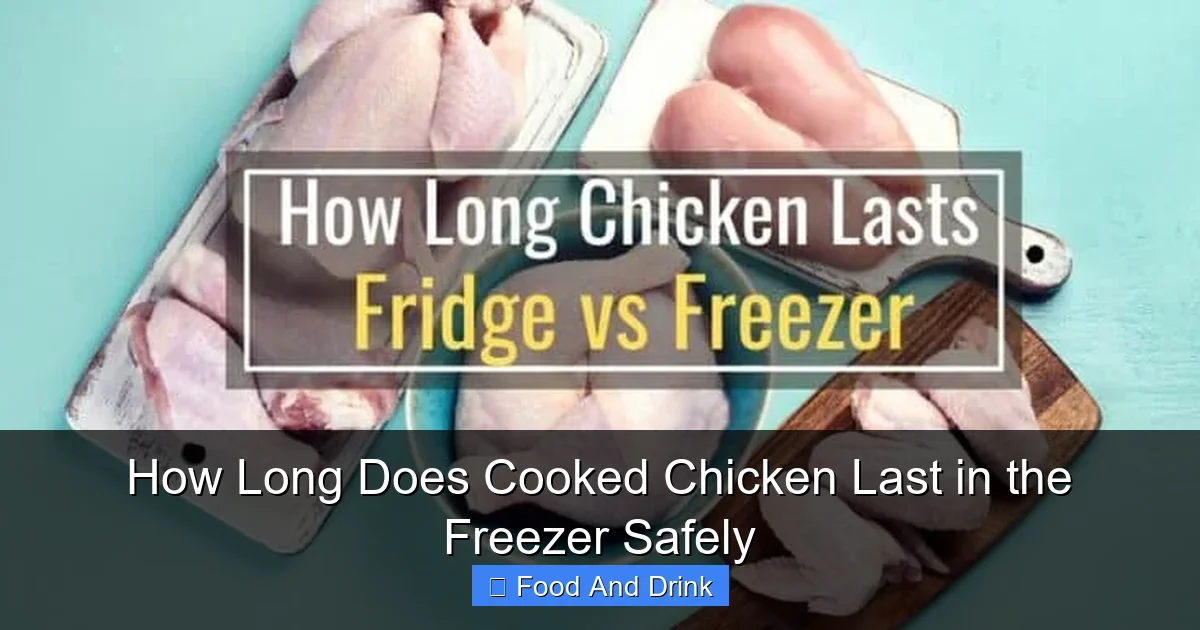
Even in the freezer, cooked chicken can go bad—especially if it wasn’t stored properly or has been frozen too long. Here’s how to tell if your chicken is still good.
Freezer Burn
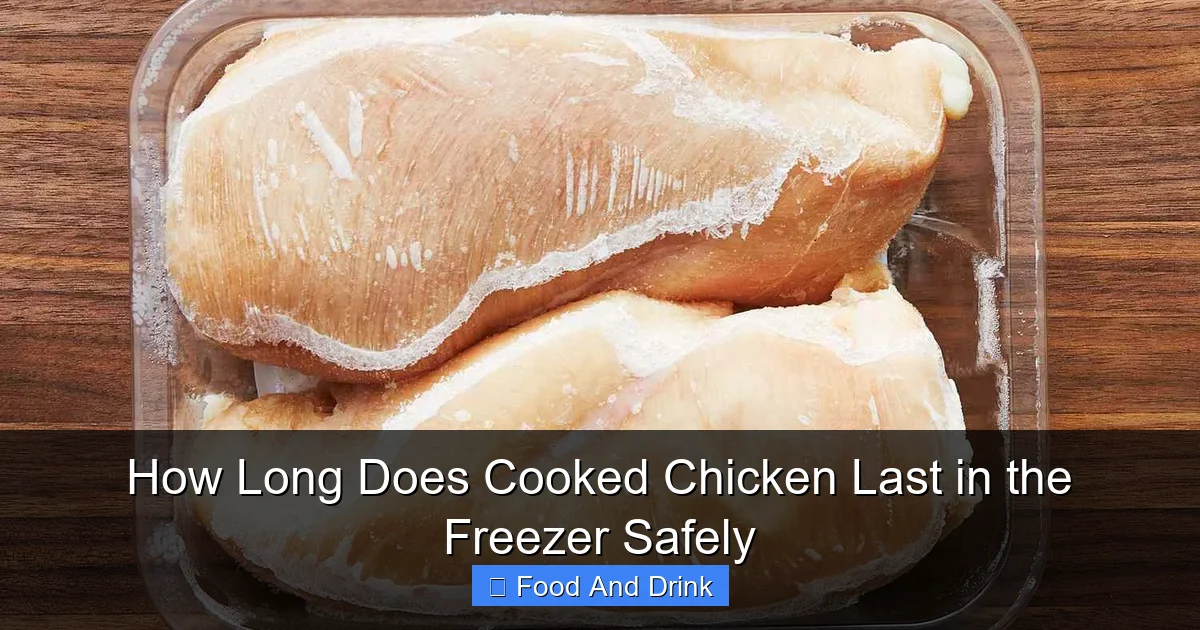
Freezer burn isn’t harmful, but it affects taste and texture. It appears as white or grayish dry spots on the surface. The chicken might taste bland or “off.” While you can still eat it (just cut off the burned parts), it’s a sign the storage method needs improvement.
Off Smells
When you thaw the chicken, give it a sniff. If it smells sour, rancid, or just “wrong,” don’t eat it. Fresh cooked chicken should have a mild, neutral odor.
Slimy or Sticky Texture
After thawing, check the texture. If the chicken feels slimy or sticky, even after rinsing, it’s likely spoiled. This is a sign of bacterial growth and should not be consumed.
Discoloration
Grayish-green or yellowish spots are red flags. While some color change is normal due to oxidation, unusual discoloration often indicates spoilage.
Ice Crystals or Large Frost Pockets
A light dusting of ice is normal, but large ice crystals or thick frost layers suggest the chicken was exposed to air or temperature fluctuations. This can dry out the meat and affect quality.
When in doubt, throw it out. It’s better to waste a little food than risk food poisoning.
Safe Thawing Methods for Frozen Cooked Chicken
Visual guide about How Long Does Cooked Chicken Last in the Freezer Safely
Image source: easychickenrecipes.com
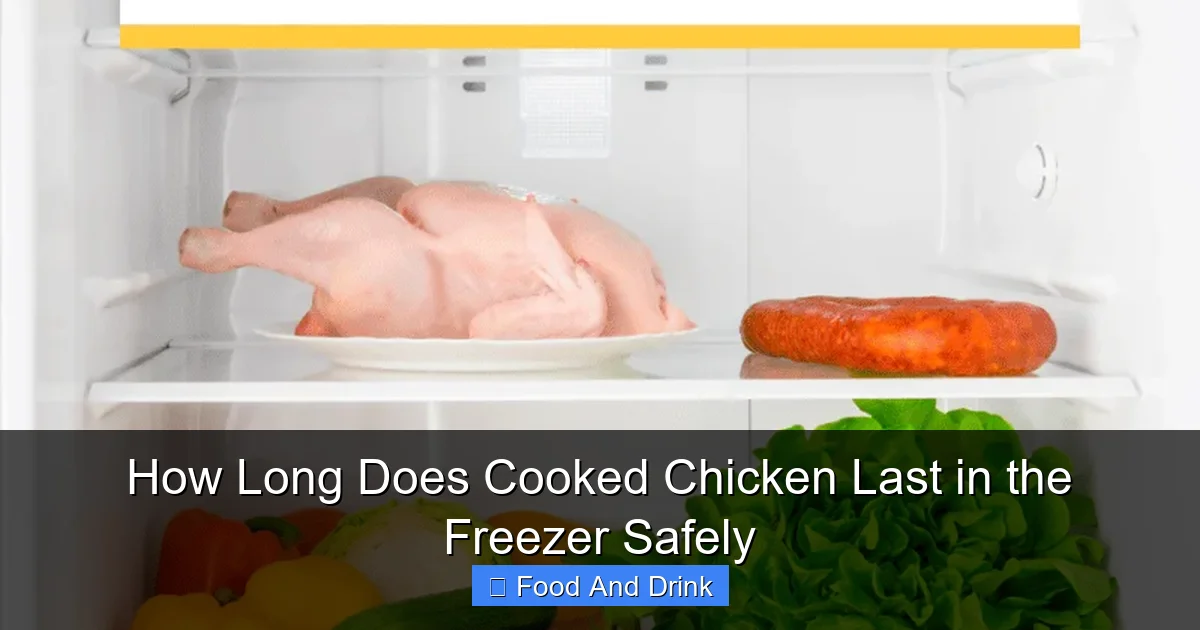
Thawing frozen chicken safely is crucial to prevent bacterial growth. Never thaw at room temperature—this allows bacteria to multiply rapidly in the “danger zone” (40°F to 140°F or 4°C to 60°C).
Thaw in the Refrigerator
The safest method is to thaw in the fridge. Place the chicken on a plate or in a container to catch any drips. This method takes time—allow about 24 hours for every 5 pounds (2.3 kg) of chicken. It’s ideal for meal planning.
Thaw in Cold Water
For faster thawing, use the cold water method. Place the chicken in a sealed plastic bag and submerge it in cold water. Change the water every 30 minutes. Small portions (like chicken breasts) can thaw in about an hour.
Thaw in the Microwave
Use the “defrost” setting on your microwave. This is quick but can start cooking the edges of the chicken. If you use this method, cook the chicken immediately after thawing.
Avoid These Thawing Mistakes
– Never thaw on the counter.
– Don’t refreeze thawed chicken unless it’s been cooked again.
– Don’t thaw in hot water—it promotes bacterial growth.
How to Reheat Frozen Cooked Chicken Safely
Reheating properly ensures your chicken is safe and tasty. The goal is to reach an internal temperature of 165°F (74°C) to kill any potential bacteria.
Oven or Toaster Oven
Preheat to 350°F (175°C). Place chicken in an oven-safe dish, cover with foil, and heat for 20–30 minutes, depending on size. Add a splash of broth or water to keep it moist.
Stovetop
Great for shredded or sliced chicken. Heat in a skillet over medium heat with a little oil or broth. Stir frequently to prevent drying.
Microwave
Use a microwave-safe dish and cover with a lid or damp paper towel to retain moisture. Heat in 30-second intervals, stirring in between, until hot throughout.
Soup or Casserole
If reheating in a dish like chicken soup or casserole, make sure the entire dish reaches 165°F (74°C). Use a food thermometer to check.
Tips for Better Reheating
– Add moisture: Broth, sauce, or a bit of water prevents dryness.
– Don’t overheat: This can make chicken tough.
– Reheat only once: Repeated reheating increases the risk of bacterial growth and quality loss.
Tips to Maximize Freezer Life and Quality
Want your frozen cooked chicken to taste as good as the day you made it? Follow these expert tips.
Use Vacuum Sealing
Vacuum sealing removes air and prevents freezer burn. It’s especially useful for long-term storage. Many home vacuum sealers are affordable and easy to use.
Flash Freeze First
For shredded or diced chicken, spread it on a baking sheet and freeze for 1–2 hours before transferring to bags. This prevents clumping and makes portioning easier.
Keep Your Freezer Full (But Not Overstuffed)
A full freezer maintains temperature better, but overstuffing blocks airflow. Aim for a balance—full enough to stay cold, but not so full that air can’t circulate.
Organize by Date
Use the “first in, first out” rule. Place newer items in the back and older ones in front. This ensures you use older chicken before it loses quality.
Avoid Temperature Swings
Keep the freezer door closed as much as possible. Frequent opening causes temperature fluctuations, which can degrade food faster.
Common Mistakes to Avoid
Even experienced cooks make freezer mistakes. Here are the most common ones—and how to avoid them.
Freezing Chicken That Was Already Spoiled
Freezing doesn’t fix bad food. If chicken smelled off or was left out too long before freezing, it’s still unsafe. Always freeze fresh, properly cooked chicken.
Using the Wrong Containers
Regular plastic containers or sandwich bags aren’t designed for freezing. They can crack, leak, or allow air in. Always use freezer-safe materials.
Not Removing Air from Bags
Air is the enemy of frozen food. It causes freezer burn and oxidation. Squeeze out as much air as possible, or use a straw to suck air out before sealing.
Ignoring the Freezer Temperature
If your freezer isn’t at 0°F (-18°C), food won’t last as long. Use a freezer thermometer to check regularly.
Freezing Large Portions
Big blocks of chicken take longer to thaw and are harder to reheat evenly. Smaller portions are more practical and safer.
Conclusion
Knowing how long cooked chicken lasts in the freezer is essential for food safety, reducing waste, and saving money. When stored properly, cooked chicken can last 2–6 months in the freezer, with peak quality in the first 3 months. Use airtight containers, label everything, and follow safe thawing and reheating practices.
Freezing is a powerful tool for meal prep and leftovers, but it’s not magic. It preserves safety, not perfection. By understanding the limits and best practices, you can enjoy delicious, safe chicken meals all year round. So next time you cook a big batch, don’t hesitate to freeze it—just do it right.
🎥 Related Video: Is it OK to freeze cooked chicken?
📺 Health·WHYS
Is It OK To Freeze Cooked Chicken? ———- James Webb (2022, August 2.) Is it OK to freeze cooked chicken? WHYS.video …
Frequently Asked Questions
Is it safe to freeze cooked chicken?
Yes, it’s safe to freeze cooked chicken as long as it was properly cooked and cooled before freezing. Always store it in airtight containers or freezer bags.
Can I freeze chicken that was previously frozen?
Only if it was thawed safely (in the fridge, cold water, or microwave) and cooked before refreezing. Never refreeze raw chicken that’s been thawed.
How do I know if frozen cooked chicken is still good?
Check for off smells, slimy texture, discoloration, or excessive freezer burn. If any of these are present, discard the chicken.
Can I freeze chicken soup or casseroles?
Yes, you can freeze chicken-based soups and casseroles. Cool them quickly, store in airtight containers, and consume within 2–3 months for best quality.
Does freezing kill bacteria in cooked chicken?
No, freezing doesn’t kill bacteria—it only stops their growth. Always reheat frozen chicken to 165°F (74°C) to ensure safety.
What’s the ideal freezer temperature for storing cooked chicken?
The ideal freezer temperature is 0°F (-18°C) or below. This keeps food safe and preserves quality for longer.


