


Wondering how long does cooked chicken in the fridge stay good? The answer is 3 to 4 days when stored properly at or below 40°F (4°C). Beyond that, bacteria can grow, increasing the risk of foodborne illness. Always use airtight containers and reheat to 165°F (74°C) to stay safe.
Key Takeaways
- Cooked chicken lasts 3–4 days in the fridge: This is the maximum safe window when stored at or below 40°F (4°C) in an airtight container.
- Freezing extends shelf life to 4 months: For longer storage, freeze cooked chicken in portion-sized containers or freezer bags.
- Smell, texture, and color are key spoilage indicators: If it smells sour, feels slimy, or has gray or green spots, toss it immediately.
- Proper storage prevents bacterial growth: Cool chicken quickly, store in shallow containers, and avoid overloading the fridge.
- Reheat to 165°F (74°C) for safety: Always reheat leftovers thoroughly to kill any potential bacteria that may have developed.
- Use the “2-hour rule” for leftovers: Don’t leave cooked chicken at room temperature for more than 2 hours (1 hour if it’s above 90°F/32°C).
- Label and date your containers: This helps you track freshness and avoid eating spoiled food.
Quick Answers to Common Questions
How long does cooked chicken in the fridge stay good?
Cooked chicken stays good in the fridge for 3 to 4 days when stored properly at or below 40°F (4°C) in an airtight container.
Can I eat cooked chicken after 5 days in the fridge?
It’s not recommended. After 4 days, the risk of bacterial growth increases significantly, even if it looks and smells fine.
How can I tell if cooked chicken is bad?
Look for sour smells, slimy texture, or gray/green discoloration. If any of these are present, discard the chicken immediately.
Can I freeze cooked chicken?
Yes! Freeze cooked chicken in airtight containers or freezer bags for up to 4 months for best quality.
What temperature should I reheat cooked chicken to?
Always reheat cooked chicken to an internal temperature of 165°F (74°C) to ensure it’s safe to eat.
📑 Table of Contents
- How Long Does Cooked Chicken in the Fridge Stay Good?
- Understanding Food Safety and Cooked Chicken
- How Long Can You Keep Cooked Chicken in the Fridge?
- How to Store Cooked Chicken Properly
- Signs That Cooked Chicken Has Gone Bad
- Can You Freeze Cooked Chicken to Make It Last Longer?
- Reheating Cooked Chicken Safely
- Tips for Maximizing the Life of Cooked Chicken
- Conclusion
How Long Does Cooked Chicken in the Fridge Stay Good?
So, you’ve made a big batch of grilled chicken, roasted a whole bird, or whipped up a creamy chicken curry—and now you’re staring at leftovers. You’re probably wondering: *How long does cooked chicken in the fridge stay good?* It’s a smart question, and one that every home cook should know the answer to. After all, no one wants to risk food poisoning from a delicious meal that’s gone bad.
The good news? Cooked chicken is safe to eat for a few days when stored correctly. But there’s more to it than just tossing it in the fridge and hoping for the best. From storage methods to reheating tips, understanding the full picture helps you enjoy your leftovers safely and deliciously. In this guide, we’ll walk you through everything you need to know—how long cooked chicken lasts, how to store it properly, signs it’s gone bad, and how to extend its shelf life.
Whether you’re meal prepping for the week or saving dinner leftovers, knowing the ins and outs of chicken storage keeps your food safe and your taste buds happy. Let’s dive in.
Understanding Food Safety and Cooked Chicken
Visual guide about How Long Does Cooked Chicken in the Fridge Stay Good
Image source: rd.com
When it comes to food safety, cooked chicken is a bit of a double-edged sword. On one hand, it’s a lean, protein-rich food that’s great for meals and snacks. On the other hand, it’s highly perishable and a prime target for bacteria like *Salmonella*, *Listeria*, and *Campylobacter*. These bacteria can multiply quickly in the “danger zone”—temperatures between 40°F and 140°F (4°C and 60°C)—which is why proper storage is so important.
Once chicken is cooked, it’s not immune to spoilage. In fact, the cooking process kills harmful bacteria, but it doesn’t make the food sterile. Spores, cross-contamination, and exposure to air can all reintroduce bacteria. That’s why even perfectly cooked chicken can go bad if not handled correctly.
The key to keeping cooked chicken safe is controlling temperature and time. The colder your fridge (ideally at or below 40°F/4°C), the slower bacteria grow. And the less time the chicken spends in the danger zone, the safer it remains. This is why the “2-hour rule” is so important: don’t let cooked chicken sit out at room temperature for more than two hours. If it’s a hot day (above 90°F/32°C), that time drops to just one hour.
Another factor is how the chicken was handled before and during cooking. Was it thawed safely? Was the cutting board cleaned after use? Cross-contamination from raw chicken juices can linger and affect the cooked product if not managed. So, while we’re focusing on storage after cooking, it’s worth remembering that food safety starts long before the chicken hits the fridge.
In short, cooked chicken is safe—but only if you treat it with care. Understanding the basics of food safety helps you make smarter decisions about storage, reheating, and consumption.
How Long Can You Keep Cooked Chicken in the Fridge?
Visual guide about How Long Does Cooked Chicken in the Fridge Stay Good
Image source: s.yimg.com
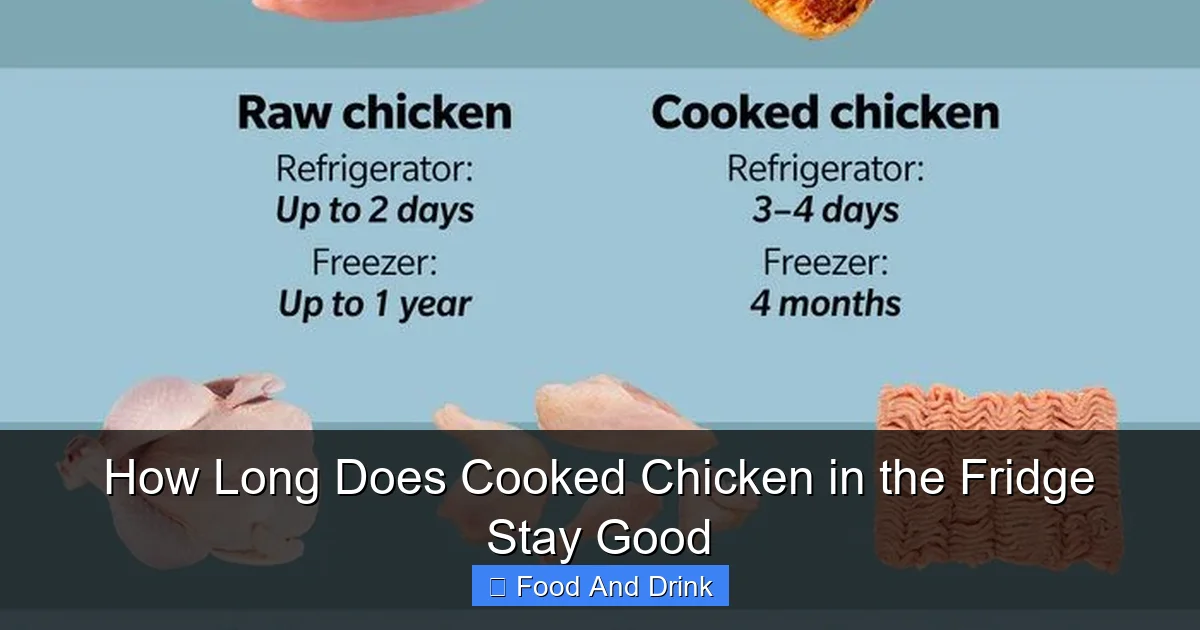
Now for the big question: *How long does cooked chicken in the fridge stay good?* The short answer is **3 to 4 days**. This is the widely accepted guideline from food safety experts, including the U.S. Department of Agriculture (USDA) and the Food and Drug Administration (FDA).
But let’s break that down. The 3–4 day window applies when the chicken is stored properly—meaning it’s placed in the refrigerator within two hours of cooking (or one hour in hot weather). The fridge should be set to 40°F (4°C) or lower, and the chicken should be stored in an airtight container or wrapped tightly in plastic wrap or aluminum foil.
Why only 3–4 days? Even in the cold environment of a fridge, bacteria can still grow—just more slowly. Over time, spoilage organisms like *Lactobacillus* and *Pseudomonas* can develop, leading to off smells, slimy textures, or discoloration. While these may not always make you sick, they indicate the food is no longer at its best.
It’s also important to note that this timeline starts from the moment the chicken is cooked—not when it’s placed in the fridge. So if you cook chicken on Sunday and don’t refrigerate it until Monday afternoon, you’ve already lost valuable safe-eating time.
Different types of cooked chicken may last slightly different amounts of time. For example:
– **Grilled or roasted chicken breasts:** 3–4 days
– **Shredded or diced chicken:** 3–4 days (but may dry out faster)
– **Chicken in sauces (like curry or stew):** 3–4 days (the liquid can help preserve it slightly longer, but not beyond 4 days)
– **Fried chicken:** 3–4 days (the crispy coating may soften, but it’s still safe within this window)
One common mistake people make is assuming that if the chicken looks and smells fine, it’s safe to eat. But harmful bacteria like *Listeria* don’t always produce obvious signs of spoilage. That’s why relying on time and temperature is more reliable than your senses alone.
If you know you won’t eat the chicken within 3–4 days, freezing is a better option. We’ll cover that in detail later, but for now, remember: when in doubt, throw it out. It’s better to be safe than sorry.
Does the Type of Chicken Matter?
You might be wondering: does it matter if it’s chicken breast, thighs, or a whole roasted bird? The answer is: not really—when it comes to safety. All cooked chicken, regardless of cut, follows the same 3–4 day rule in the fridge.
However, texture and moisture can vary. Dark meat (like thighs and drumsticks) tends to stay juicier longer than white meat (like breasts), which can dry out after a couple of days. Shredded chicken may also lose moisture faster, especially if not stored in a sealed container with a bit of broth or sauce.
But from a food safety standpoint, the type of chicken doesn’t change the spoilage timeline. Whether it’s grilled, baked, or slow-cooked, the clock starts ticking the moment it’s done cooking.
What About Chicken Dishes with Other Ingredients?
Dishes like chicken casseroles, pasta bakes, or stir-fries with vegetables and sauces also fall under the 3–4 day rule. In fact, these mixed dishes may spoil faster if they contain high-moisture ingredients like tomatoes, dairy, or cooked vegetables, which can create a more favorable environment for bacteria.
For example, a chicken and rice dish might last 3 days, while a creamy chicken Alfredo could start to smell off by day 3. Always use your senses as a secondary check—but don’t rely on them alone.
How to Store Cooked Chicken Properly
Visual guide about How Long Does Cooked Chicken in the Fridge Stay Good
Image source: shungrill.com
Storing cooked chicken correctly is just as important as knowing how long it lasts. Even the freshest chicken can go bad quickly if not stored the right way. Here’s how to do it like a pro.
Cool It Down Quickly
The first step is cooling the chicken rapidly. Don’t leave it sitting on the counter to cool for hours. Instead, divide large portions into smaller, shallow containers. This allows heat to escape faster, reducing the time the chicken spends in the danger zone.
A good rule of thumb: aim to get the chicken into the fridge within 2 hours of cooking. If it’s a hot day (above 90°F/32°C), cut that time in half.
You can also speed up cooling by placing the container in an ice bath (a larger bowl filled with ice water) for 10–15 minutes before refrigerating.
Use Airtight Containers
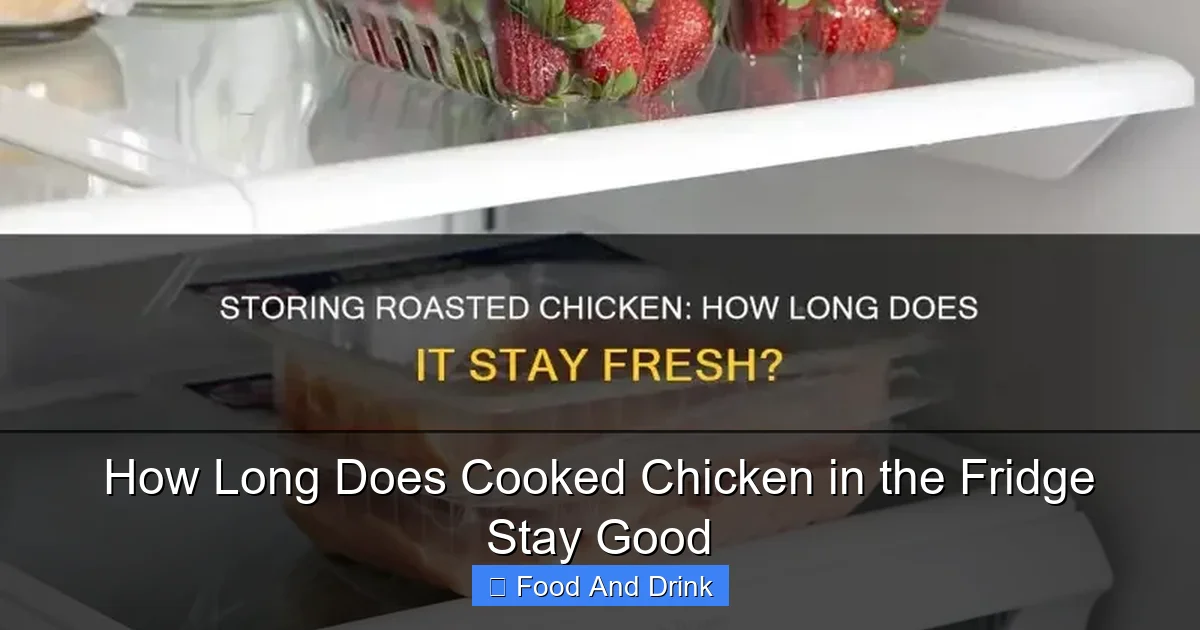
Once cooled, transfer the chicken to airtight containers. Glass or BPA-free plastic containers with tight-fitting lids work best. Avoid leaving chicken in the original cooking pot or on a plate uncovered—this exposes it to air and fridge odors, which can affect taste and promote spoilage.
If you’re using plastic wrap or aluminum foil, make sure it’s wrapped tightly with no gaps. For shredded chicken, consider adding a splash of broth or olive oil to keep it moist.
Label and Date Everything
It’s easy to forget when you cooked something—especially if you meal prep on Sundays. That’s why labeling your containers is a game-changer. Use a permanent marker or sticker labels to note the date you cooked the chicken.
This simple habit helps you track how long it’s been in the fridge and ensures you use the oldest items first (a practice known as FIFO: First In, First Out).
Store in the Right Part of the Fridge
Not all parts of the fridge are created equal. The door is the warmest area due to frequent opening, so avoid storing chicken there. Instead, place it on a middle or lower shelf, where the temperature is most consistent.
Avoid overloading your fridge, as this can block airflow and create warm spots. A well-organized fridge keeps everything colder and safer.
Don’t Mix Raw and Cooked Foods
Even though we’re talking about cooked chicken, it’s important to keep it away from raw meats, especially raw poultry. Store cooked chicken on a higher shelf than raw items to prevent drips and cross-contamination.
If you’re storing multiple types of leftovers, keep them separated and clearly labeled.
Signs That Cooked Chicken Has Gone Bad
Even with perfect storage, chicken can still spoil. Knowing the signs helps you avoid eating something that could make you sick.
Smell
Your nose is one of your best tools. Fresh cooked chicken has a mild, almost neutral smell. If it starts to smell sour, sulfur-like, or just “off,” it’s time to toss it. A strong, unpleasant odor is a clear sign of bacterial growth.
Texture
Feel the chicken. If it feels slimy or sticky to the touch, even after rinsing, it’s spoiled. This slime is caused by bacteria and is not safe to eat. Note: some people confuse natural juices with slime—rinse the chicken under cold water. If the sliminess remains, it’s bad.
Color
Look for changes in color. Cooked chicken should be white, light beige, or golden brown (depending on how it was cooked). If you see gray, green, or blue spots, especially around the edges or under the skin, it’s spoiled. Mold is a definite red flag.
Taste (Only If You’re Sure It’s Safe)
We don’t recommend tasting chicken you suspect is bad—but if you’re on the fence and it passes the smell, texture, and color tests, a tiny taste might help. If it tastes sour, bitter, or just “wrong,” spit it out and throw the rest away.
Remember: when in doubt, throw it out. It’s not worth the risk.
Can You Freeze Cooked Chicken to Make It Last Longer?
Absolutely! Freezing is the best way to extend the life of cooked chicken beyond the 3–4 day fridge window. When frozen at 0°F (-18°C) or lower, cooked chicken can last **up to 4 months** while maintaining good quality.
After 4 months, the chicken may still be safe to eat, but the texture and flavor can degrade due to freezer burn or oxidation. So for the best taste and texture, aim to use it within that timeframe.
How to Freeze Cooked Chicken
1. **Cool completely:** Never freeze hot or warm chicken. Let it cool to room temperature (but no more than 2 hours), then refrigerate if needed before freezing.
2. **Portion it out:** Divide the chicken into meal-sized portions. This makes it easier to thaw only what you need.
3. **Use freezer-safe containers:** Heavy-duty freezer bags, vacuum-sealed bags, or airtight containers work best. Remove as much air as possible to prevent freezer burn.
4. **Label and date:** Just like with fridge storage, label each package with the date and contents.
5. **Freeze flat:** If using bags, lay them flat in the freezer. This saves space and allows for quicker thawing.
Thawing Frozen Chicken Safely
Never thaw chicken at room temperature. Instead, use one of these safe methods:
– **Refrigerator thawing:** Place the frozen chicken in the fridge overnight. This is the safest method and takes 12–24 hours depending on size.
– **Cold water thawing:** Seal the chicken in a leak-proof bag and submerge it in cold water. Change the water every 30 minutes. Small portions may thaw in an hour.
– **Microwave thawing:** Use the defrost setting, but cook immediately after, as some parts may begin to cook during thawing.
Once thawed, cook or reheat the chicken within 1–2 days. Do not refreeze thawed chicken unless it’s been cooked again.
Reheating Cooked Chicken Safely
Reheating leftovers isn’t just about making them warm—it’s about making them safe. Bacteria can grow even in the fridge, so reheating to the right temperature is crucial.
The Safe Reheating Temperature
All cooked chicken, whether fresh or leftover, should be reheated to an internal temperature of **165°F (74°C)**. This kills any potential bacteria that may have developed during storage.
Use a food thermometer to check the temperature in the thickest part of the meat, avoiding bones or containers.
Best Ways to Reheat
– **Oven:** Preheat to 350°F (175°C). Place chicken in a baking dish, cover with foil, and heat for 20–30 minutes, or until it reaches 165°F.
– **Stovetop:** Great for shredded chicken or stir-fries. Heat in a skillet over medium heat with a splash of broth or oil to prevent drying.
– **Microwave:** Use a microwave-safe dish and cover with a damp paper towel to retain moisture. Heat in 30-second intervals, stirring or flipping halfway through.
– **Air fryer:** Perfect for crispy textures. Reheat at 350°F for 3–5 minutes, checking temperature.
Avoid reheating chicken more than once. Each time it goes through the danger zone, the risk increases. If you have leftovers after reheating, eat them within 1–2 days.
Tips for Maximizing the Life of Cooked Chicken
Want to get the most out of your cooked chicken? These practical tips help you stretch its shelf life while keeping it safe and tasty.
Meal Prep Smart
If you’re cooking chicken for meal prep, plan ahead. Cook only what you’ll eat within 3–4 days, or freeze portions immediately. Use airtight containers and label them clearly.
Add Moisture
Dry chicken is less appealing and can spoil faster. Store shredded chicken with a bit of broth, sauce, or olive oil to keep it moist.
Use the “First In, First Out” Rule
Always use the oldest chicken first. Rotate your fridge stock so nothing gets forgotten at the back.
Keep Your Fridge Cold
Set your fridge to 40°F (4°C) or below. Use a fridge thermometer to check regularly, especially in summer or if the door is opened often.
Avoid Overcooking
Overcooked chicken dries out faster and may not reheat well. Cook to the right internal temperature (165°F for whole chicken, 165°F for breasts) and no further.
Conclusion
So, how long does cooked chicken in the fridge stay good? The answer is clear: **3 to 4 days** when stored properly at or below 40°F (4°C). Beyond that, the risk of spoilage and foodborne illness increases significantly.
But knowing the timeline is only half the battle. Proper storage, smart reheating, and vigilant food safety habits are what keep your meals safe and delicious. From cooling chicken quickly to using airtight containers and labeling everything, small steps make a big difference.
And if you’re not going to eat it within a few days? Freeze it! Cooked chicken can last up to 4 months in the freezer, giving you flexibility without sacrificing safety.
Remember, your senses are helpful—but they’re not foolproof. When in doubt, throw it out. It’s always better to be safe than sorry when it comes to food.
By following these guidelines, you can enjoy your cooked chicken with confidence, reduce food waste, and keep your family healthy. So go ahead—cook that big batch, save those leftovers, and eat well, safely.
🎥 Related Video: How Long Does Cooked Chicken Last in the Fridge?
📺 The AI Briefing
How Long Does Cooked Chicken Last in the Fridge? Storing cooked chicken properly is essential for food safety! How long can …
Frequently Asked Questions
Can I store cooked chicken in the same container I cooked it in?
It’s best to transfer cooked chicken to a clean, airtight container. Cooking pots, especially non-stick or reactive ones, may retain heat or odors that affect storage.
Is it safe to eat cold cooked chicken?
Yes, as long as it’s been stored properly and is within the 3–4 day window. Cold chicken is safe to eat, but reheating to 165°F is recommended for safety.
Can I leave cooked chicken out overnight?
No. Leaving cooked chicken at room temperature for more than 2 hours (1 hour in hot weather) allows bacteria to grow rapidly, making it unsafe to eat.
Does marinating cooked chicken extend its shelf life?
No, marinating doesn’t extend shelf life. In fact, leftover marinade can introduce bacteria. Always discard used marinade unless boiled first.
Can I refreeze thawed cooked chicken?
Only if it’s been cooked again after thawing. Never refreeze raw thawed chicken, as this increases the risk of bacterial growth.
Why does my cooked chicken smell weird but look fine?
An off smell usually indicates bacterial spoilage, even if the color and texture seem normal. When in doubt, throw it out to avoid foodborne illness.


