



Roasting chicken wings in the oven is easier than you think—and the results are restaurant-quality crispy, juicy wings right at home. With the right prep, temperature, and timing, you can achieve golden-brown skin and tender meat without frying. This guide covers everything from seasoning secrets to oven tricks for foolproof wings.
Key Takeaways
- Pat wings dry thoroughly: Moisture is the enemy of crispiness—always dry wings with paper towels before seasoning.
- Use baking powder, not baking soda: A small amount of baking powder helps break down proteins and creates ultra-crisp skin.
- Roast at high heat (400–425°F): High temperature ensures the skin crisps up while the meat stays juicy.
- Use a wire rack on a baking sheet: Elevating the wings allows air to circulate, cooking them evenly on all sides.
- Flip halfway through cooking: Turning the wings ensures even browning and prevents sticking.
- Rest before serving: Letting wings rest for 5 minutes after roasting locks in juices and improves texture.
- Customize flavors easily: Toss roasted wings in sauces like buffalo, honey garlic, or BBQ after cooking for endless variety.
Quick Answers to Common Questions
How long do you roast chicken wings at 425°F?
Roast chicken wings at 425°F for 40–50 minutes, flipping them halfway through. The exact time depends on wing size, but they’re done when the skin is golden and crispy and the internal temperature reaches 165°F.
Should I use a wire rack when roasting wings?
Yes, a wire rack is highly recommended. It allows hot air to circulate under the wings, ensuring even cooking and crispier skin on all sides.
Can I roast frozen chicken wings?
No, always thaw frozen wings completely in the fridge before roasting. Roasting from frozen leads to uneven cooking and soggy skin.
What’s the purpose of baking powder on wings?
Baking powder raises the skin’s pH, helping it brown and crisp up. Use 1 teaspoon per pound of wings for best results.
How do I make wings extra crispy?
Pat wings dry, use baking powder, air-dry in the fridge, roast at high heat on a wire rack, and flip halfway through. Broil for 1–2 minutes at the end for extra crunch.
📑 Table of Contents
Why Roasting Chicken Wings in the Oven Beats Frying
When it comes to making chicken wings at home, most people think frying is the only way to get that perfect crunch. But let me tell you—roasting chicken wings in the oven can deliver just as much crispiness, with far less mess, oil, and effort. In fact, oven-roasted wings are often juicier and more evenly cooked than their fried counterparts. Plus, you skip the splatter, the smell, and the need for a deep fryer.
Roasting is also incredibly forgiving. You don’t need to monitor oil temperatures or worry about undercooked centers. With a few simple techniques—like drying the skin, using the right pan setup, and cooking at high heat—you can achieve golden, crackling skin and tender, flavorful meat every time. Whether you’re hosting game day, meal prepping, or just craving a tasty snack, oven-roasted wings are a smart, delicious choice.
And the best part? You can make a big batch with minimal hands-on time. Once the wings go into the oven, you’re free to prep sides, mix up a dipping sauce, or relax. No standing over a hot stove. No constant flipping. Just set it, forget it (well, almost), and enjoy the aroma of perfectly roasted wings filling your kitchen.
Choosing the Right Wings for Roasting
Whole Wings vs. Party Wings
Chicken wings come in two main forms: whole wings and party wings (also called wingettes and drumettes). Whole wings include the three sections—the drumette, the flat, and the tip—while party wings are pre-cut, with the tip removed and the flat split in half. For roasting, both work well, but party wings are often preferred because they’re uniform in size and cook more evenly.
Visual guide about How Do You Roast Chicken Wings in the Oven for Crispy Perfection
Image source: i.pinimg.com
If you’re buying whole wings, you can cut them yourself. Use a sharp knife or kitchen shears to remove the wing tip (you can save it for stock) and separate the drumette from the flat at the joint. This gives you bite-sized pieces that roast up beautifully. Party wings, on the other hand, are ready to go—just season and bake.
Fresh vs. Frozen Wings
Both fresh and frozen wings can yield great results, but fresh wings are ideal if you’re aiming for maximum crispiness. That’s because frozen wings retain more moisture, which can steam the skin instead of crisping it. If you only have frozen wings, thaw them completely in the fridge overnight before cooking. Never roast wings straight from the freezer—this leads to uneven cooking and soggy skin.
When buying fresh wings, look for plump, pinkish meat with smooth, unbroken skin. Avoid wings that look dry, discolored, or have a strong odor. If you’re planning ahead, you can even brine the wings for a few hours to boost juiciness—though this isn’t necessary for most home cooks.
How Many Wings to Buy
A good rule of thumb is about 6–8 wings per person if they’re the main dish, or 3–4 per person as an appetizer. Drumettes are meatier and more satisfying, while flats are thinner and crisp up faster. If you’re feeding a crowd, consider mixing both for variety. A standard package of wings usually contains 2–3 pounds, which is enough for 4–6 people as a side or snack.
Essential Tools and Equipment
Baking Sheet and Wire Rack
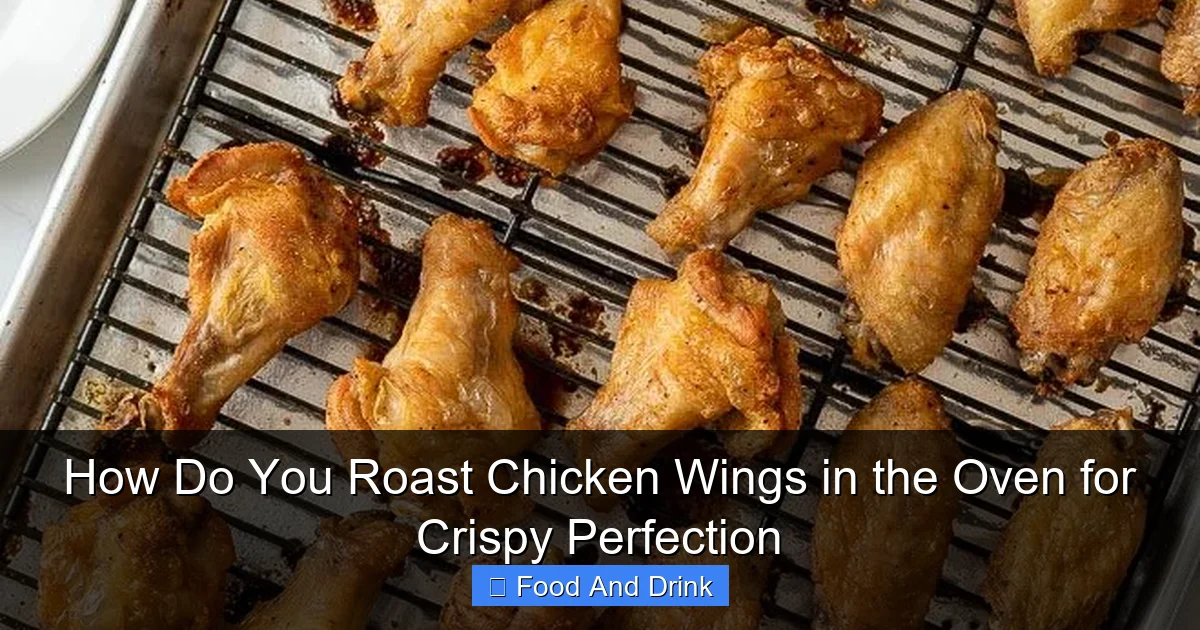
The secret to crispy oven-roasted wings starts with your baking setup. A heavy-duty rimmed baking sheet is essential—it catches drippings and prevents flare-ups. But the real game-changer is a wire rack. Placing the wings on a rack elevated above the pan allows hot air to circulate underneath, cooking the skin evenly on all sides. This prevents the bottom from steaming and ensures a uniform crisp.

Visual guide about How Do You Roast Chicken Wings in the Oven for Crispy Perfection
Image source: recipetineats.com
If you don’t have a wire rack, you can still roast wings directly on the baking sheet—just be sure to flip them halfway through and blot any excess grease. But for best results, invest in a sturdy rack. Look for one that fits snugly inside your baking sheet and is made of stainless steel or non-stick coated metal.
Oven Thermometer
Not all ovens run at the temperature they claim. An oven thermometer is a small, inexpensive tool that ensures your oven is actually hitting 400–425°F—the sweet spot for roasting wings. Place it on the center rack and check it before preheating. If your oven runs hot or cold, adjust accordingly. This small step can make a big difference in texture and doneness.
Tongs and Paper Towels
You’ll need a good pair of tongs for flipping the wings halfway through cooking. Look for tongs with a comfortable grip and a locking mechanism. And don’t forget paper towels—they’re crucial for drying the wings before seasoning. The drier the skin, the crispier the result. Pat each wing thoroughly, especially in the crevices.
Mixing Bowl and Measuring Spoons
For seasoning, a medium mixing bowl and standard measuring spoons are all you need. If you’re making a dry rub or mixing a wet marinade, a whisk or fork helps combine ingredients smoothly. And if you’re tossing the wings in sauce after roasting, a large bowl with a lid makes it easy to shake and coat evenly.
Step-by-Step Guide to Roasting Perfect Wings
Step 1: Prep the Wings
Start by removing the wings from the package and patting them completely dry with paper towels. This step cannot be overstated—moisture is the #1 enemy of crispy skin. Take your time and dry each wing thoroughly, especially around the joints and under the skin. If you’re short on time, you can even let the wings air-dry uncovered in the fridge for 1–2 hours or overnight. This draws out even more moisture and tightens the skin.

Visual guide about How Do You Roast Chicken Wings in the Oven for Crispy Perfection
Image source: giverecipe.com
Once dry, trim any excess skin or fat if desired. You can also cut the wings into drumettes and flats if they’re whole. Place the prepped wings in a large bowl.
Step 2: Season the Wings
Now it’s time to add flavor. For basic roasted wings, toss them with a mixture of salt, pepper, garlic powder, onion powder, and a teaspoon of baking powder. Yes, baking powder—not baking soda. Baking powder is alkaline and helps break down proteins on the skin, promoting browning and crispiness. Use about 1 teaspoon per pound of wings.
You can also get creative with seasonings. Try smoked paprika, cayenne, dried thyme, or a touch of brown sugar for a sweet-smoky kick. For a wet marinade, mix olive oil, lemon juice, soy sauce, and your favorite spices, then coat the wings and let them sit for 30 minutes to 2 hours in the fridge. Just be sure to pat them dry again before roasting—extra moisture from marinades can hinder crispiness.
Step 3: Arrange on the Baking Sheet
Place a wire rack inside a rimmed baking sheet. Lightly grease the rack with non-stick spray or brush it with oil to prevent sticking. Arrange the wings in a single layer on the rack, leaving a little space between each one. Overcrowding leads to steaming instead of roasting, so don’t be tempted to squeeze them all in.
If you don’t have a rack, place the wings directly on a greased baking sheet. Just remember to flip them halfway through and blot any pooled grease with a paper towel.
Step 4: Roast at High Heat
Preheat your oven to 425°F (220°C). Once hot, place the baking sheet on the center rack. Roast the wings for 40–50 minutes, flipping them once halfway through. The exact time depends on the size of the wings and your oven, but you’re looking for deep golden-brown skin that’s crispy to the touch.
Use a meat thermometer to check doneness—the internal temperature should reach 165°F (74°C) in the thickest part of the drumette. If the skin isn’t as crispy as you’d like, you can broil the wings for 1–2 minutes at the end. Watch closely to avoid burning.
Step 5: Rest and Serve
When the wings are done, remove them from the oven and let them rest for 5 minutes. This allows the juices to redistribute, keeping the meat moist. Transfer the wings to a serving platter or bowl.
If you’re serving them sauced, toss the warm wings in your favorite sauce—buffalo, honey garlic, teriyaki, or BBQ—just before serving. For dry rubs, sprinkle extra seasoning over the top while they’re still hot.
Flavor Variations and Sauce Ideas
Classic Buffalo Wings
No wing guide is complete without buffalo sauce. Mix 1/2 cup hot sauce (like Frank’s RedHot), 1/4 cup melted butter, 1 tablespoon vinegar, and a pinch of garlic powder. Toss the roasted wings in the sauce and serve with celery sticks and blue cheese dressing. For extra heat, add a dash of cayenne or hot pepper flakes.
Honey Garlic Wings
Sweet, sticky, and savory—this crowd-pleaser combines 1/4 cup honey, 3 minced garlic cloves, 2 tablespoons soy sauce, 1 tablespoon rice vinegar, and 1 teaspoon ginger. Simmer the sauce in a small pan until slightly thickened, then toss with the wings. Garnish with sesame seeds and green onions.
BBQ Glazed Wings
Brush roasted wings with your favorite BBQ sauce during the last 5 minutes of cooking, or toss them in sauce after roasting. For a homemade version, mix ketchup, brown sugar, apple cider vinegar, Worcestershire sauce, and smoked paprika. Simmer until thick and glossy.
Lemon Pepper Wings
For a lighter, zesty option, skip the sauce and go with a dry rub. Combine 2 tablespoons lemon zest, 1 tablespoon black pepper, 1 teaspoon garlic powder, 1 teaspoon onion powder, and 1 teaspoon salt. Sprinkle over the wings before roasting, or toss them in the mix after cooking.
Spicy Korean-Style Wings
Inspired by Korean fried chicken, these wings are coated in a sweet and spicy gochujang-based sauce. Mix 2 tablespoons gochujang, 2 tablespoons honey, 1 tablespoon soy sauce, 1 tablespoon rice vinegar, 1 minced garlic clove, and 1 teaspoon sesame oil. Toss with roasted wings and top with toasted sesame seeds and sliced scallions.
Tips for Extra Crispiness
The Baking Powder Trick
As mentioned earlier, baking powder is a secret weapon for crispy wings. It raises the pH of the skin, which helps proteins break down and promotes browning. Use 1 teaspoon per pound of wings—any more can leave a metallic taste. Mix it with your dry seasonings and coat the wings evenly.
Air-Dry in the Fridge
For next-level crispiness, let the seasoned wings air-dry uncovered in the fridge for 1–2 hours or overnight. This removes surface moisture and tightens the skin, resulting in a crackling finish. Just place them on a wire rack over a baking sheet to catch drips.
Flip and Rotate
Halfway through roasting, use tongs to flip each wing over. This ensures even browning and prevents sticking. If your oven has hot spots, rotate the baking sheet 180 degrees at the same time. This simple step makes a big difference in texture.
Broil for the Final Touch
If the wings are cooked through but not quite crispy enough, switch the oven to broil for the last 1–2 minutes. Keep a close eye—broiling can quickly go from golden to burnt. This step adds a final layer of crunch without overcooking the meat.
Don’t Overcrowd the Pan
Give each wing enough space on the rack. Overcrowding traps steam and leads to soggy skin. If you’re making a large batch, roast in two batches or use two baking sheets. It’s worth the extra time for perfectly crispy results.
Common Mistakes to Avoid
Skipping the Drying Step
Wet wings = steamed wings. Always pat them dry with paper towels before seasoning. Even if you’re short on time, this step is non-negotiable for crispy skin.
Using Baking Soda Instead of Baking Powder
Baking soda is much stronger than baking powder and can leave a bitter taste if used incorrectly. Stick to baking powder—it’s safer and more effective for crisping.
Roasting at Too Low a Temperature
Low heat (like 350°F) won’t crisp the skin effectively. Always roast at 400–425°F for the best texture. High heat renders fat and browns the skin quickly.
Not Using a Rack
Roasting directly on a baking sheet can work, but it’s harder to get crispy bottoms. A wire rack is the best investment you can make for perfect wings.
Over-saucing
Toss wings in sauce just before serving, not before roasting. Saucy wings will steam in the oven and lose their crispiness. Keep the skin dry until the very end.
Ignoring Doneness
Always check the internal temperature with a meat thermometer. Wings should reach 165°F to be safe to eat. Undercooked wings are tough and unsafe; overcooked ones are dry.
Serving and Storing Roasted Wings
Best Ways to Serve
Serve roasted wings hot, straight from the oven. Pair them with classic sides like celery sticks, carrot sticks, ranch or blue cheese dressing, and extra napkins—things get messy! For a complete meal, add a fresh salad, garlic bread, or roasted potatoes.
If you’re hosting a party, keep the wings warm in a low oven (200°F) on a wire rack over a baking sheet. This prevents them from getting soggy. Or, reheat them in a 375°F oven for 5–10 minutes to restore crispiness.
Storing Leftovers
Store leftover wings in an airtight container in the fridge for up to 3 days. To reheat, place them on a wire rack in a 375°F oven for 10–15 minutes, or until hot and crispy. Avoid the microwave—it makes the skin rubbery.
You can also freeze cooked wings for up to 2 months. Let them cool completely, then wrap individually in plastic wrap and place in a freezer bag. Reheat from frozen in a 400°F oven for 20–25 minutes.
Conclusion
Roasting chicken wings in the oven is a simple, healthy, and delicious way to enjoy one of the most beloved snacks out there. With the right prep—drying the skin, using baking powder, and roasting at high heat—you can achieve crispy, golden wings that rival any restaurant version. Whether you like them saucy, spicy, or plain, the oven method gives you full control over flavor and texture.
So next time you’re craving wings, skip the fryer and fire up the oven. With these tips and techniques, you’ll be serving up crispy perfection every time. Happy roasting!
🎥 Related Video: The SECRET To Crispy Oven Baked Chicken Wings
📺 Cooking with Kiana
baked #wings #crispy Make perfectly crispy oven baked chicken wings with this easy method. The skin is deliciously crisp and …
Frequently Asked Questions
Can I marinate wings before roasting?
Yes, you can marinate wings for 30 minutes to 2 hours for extra flavor. Just be sure to pat them dry thoroughly before roasting to maintain crispiness.
Do I need to flip the wings while roasting?
Yes, flipping the wings halfway through ensures even browning and prevents sticking. Use tongs to turn each wing carefully.
What temperature should chicken wings reach?
Chicken wings are safe to eat when the internal temperature reaches 165°F (74°C). Use a meat thermometer to check the thickest part of the drumette.
Can I use aluminum foil on the baking sheet?
You can line the baking sheet with foil for easy cleanup, but avoid covering the wings. Foil traps steam and can make the skin soggy.
How do I reheat leftover roasted wings?
Reheat wings in a 375°F oven on a wire rack for 10–15 minutes, or until hot and crispy. Avoid the microwave to preserve texture.
Are oven-roasted wings healthier than fried wings?
Yes, oven-roasted wings use little to no oil and have fewer calories and fat than fried wings, while still delivering great flavor and crispiness.


