


Knowing how do you know if cooked chicken is off is essential for food safety. Spoiled cooked chicken can cause serious illness, but spotting the signs—like bad smells, slimy texture, or odd colors—can help you avoid risks. Always store and reheat properly to keep meals safe and delicious.
You’ve just pulled a delicious batch of roasted chicken out of the oven—golden, juicy, and smelling amazing. You store the leftovers with plans to enjoy them tomorrow. But when you open the container the next day, something feels… off. Maybe it smells a little sour, or the texture seems slimy. Now you’re wondering: How do you know if cooked chicken is off?
It’s a question more people should ask. Cooked chicken is a staple in many households—whether it’s grilled, baked, fried, or slow-cooked. It’s versatile, affordable, and packed with protein. But it’s also highly perishable. Unlike some foods that can sit in the fridge for a week or more, cooked chicken has a short shelf life. And when it spoils, it can make you seriously sick. Bacteria like Salmonella, Campylobacter, and Listeria thrive in protein-rich environments, especially when food isn’t stored or handled properly.
The good news? You don’t need a lab coat or a microscope to tell if your cooked chicken has gone bad. Your senses—smell, sight, and touch—are powerful tools. By learning the key signs of spoilage and following safe food practices, you can protect yourself and your family from foodborne illness. This guide will walk you through everything you need to know about identifying spoiled cooked chicken, from the first whiff to the final decision: toss it or taste it.
Key Takeaways
- Smell is a top indicator: If cooked chicken smells sour, sulfur-like, or just “off,” it’s likely spoiled and should be discarded.
- Texture changes signal danger: Slimy or sticky surfaces on cooked chicken are a clear sign of bacterial growth and spoilage.
- Color shifts matter: Gray, green, or yellow discoloration on cooked chicken indicates it’s no longer safe to eat.
- Storage time limits apply: Cooked chicken should be eaten within 3–4 days when refrigerated and never left out for more than 2 hours.
- When in doubt, throw it out: If you’re unsure whether cooked chicken is safe, it’s better to be cautious and discard it than risk foodborne illness.
- Proper reheating helps: Reheat cooked chicken to at least 165°F (74°C) to kill potential bacteria, but only if it was stored correctly.
- Freezing extends freshness: Freeze cooked chicken within 2 hours of cooking to preserve quality and safety for up to 4 months.
Quick Answers to Common Questions
Can you eat cooked chicken after 5 days?
It’s not recommended. Cooked chicken should be eaten within 3–4 days when refrigerated. After 5 days, the risk of bacterial growth increases significantly, even if it looks and smells fine.
Is it safe to reheat spoiled chicken?
No. Reheating spoiled chicken won’t make it safe. Bacteria may be killed, but the toxins they produce can still cause food poisoning.
Can you freeze cooked chicken to make it last longer?
Yes. Freezing cooked chicken at 0°F (-18°C) or below can extend its shelf life to 2–4 months. Just make sure to store it in airtight, freezer-safe containers.
Does slimy cooked chicken always mean it’s bad?
Yes. A slimy texture is a clear sign of bacterial growth and spoilage. Do not eat chicken that feels slimy, even if it doesn’t smell bad.
Can you smell if cooked chicken is bad?
Often, yes. Spoiled cooked chicken usually develops a sour, ammonia-like, or sulfurous odor. If it smells off, it’s best to discard it.
📑 Table of Contents
Why Cooked Chicken Spoils So Quickly
Cooked chicken is one of the most common sources of food poisoning in homes across the U.S. According to the Centers for Disease Control and Prevention (CDC), poultry is responsible for more foodborne illness outbreaks than any other food category. But why does cooked chicken spoil so fast?
It all comes down to biology and chemistry. Raw chicken naturally carries bacteria, and while cooking kills most of them, it doesn’t make the meat sterile. Once cooked, chicken becomes a perfect breeding ground for new bacteria if not handled correctly. The proteins, moisture, and nutrients in chicken create an ideal environment for microorganisms to multiply—especially at room temperature.
The Danger Zone: Temperature Matters
The “danger zone” for food is between 40°F and 140°F (4°C and 60°C). In this range, bacteria can double in number every 20 minutes. That means a small amount of bacteria can become a dangerous colony in just a few hours. If cooked chicken is left out on the counter for more than 2 hours (or 1 hour in hot weather above 90°F), it’s at high risk of contamination.
Even if the chicken was perfectly cooked and safe when it came out of the oven, improper cooling or storage can undo all that good work. For example, placing a large pot of hot chicken directly into the fridge can raise the internal temperature of the fridge, putting other foods at risk. Instead, divide large portions into shallow containers so they cool quickly and evenly.
Cross-Contamination Risks
Another reason cooked chicken spoils quickly is cross-contamination. Using the same cutting board, knife, or plate for raw and cooked chicken can transfer bacteria. Always use separate utensils and wash your hands thoroughly after handling raw poultry. Even a small amount of residual bacteria can grow rapidly on cooked chicken, especially if it’s stored improperly.
For instance, imagine you grilled chicken breasts and placed them on the same platter that held the raw meat. Even if you rinsed the platter, bacteria could still be present. That’s why it’s crucial to use clean dishes and tools for cooked food. This simple step can significantly reduce the risk of spoilage and illness.
Top Signs That Cooked Chicken Is Off
Now that you understand why cooked chicken spoils, let’s dive into the practical part: how to tell if it’s gone bad. Your senses are your first line of defense. Here are the most reliable signs that cooked chicken is off and should not be eaten.
Visual guide about How Do You Know If Cooked Chicken Is Off Signs to Watch For
Image source: wikihow.com
1. Bad or Unusual Smell
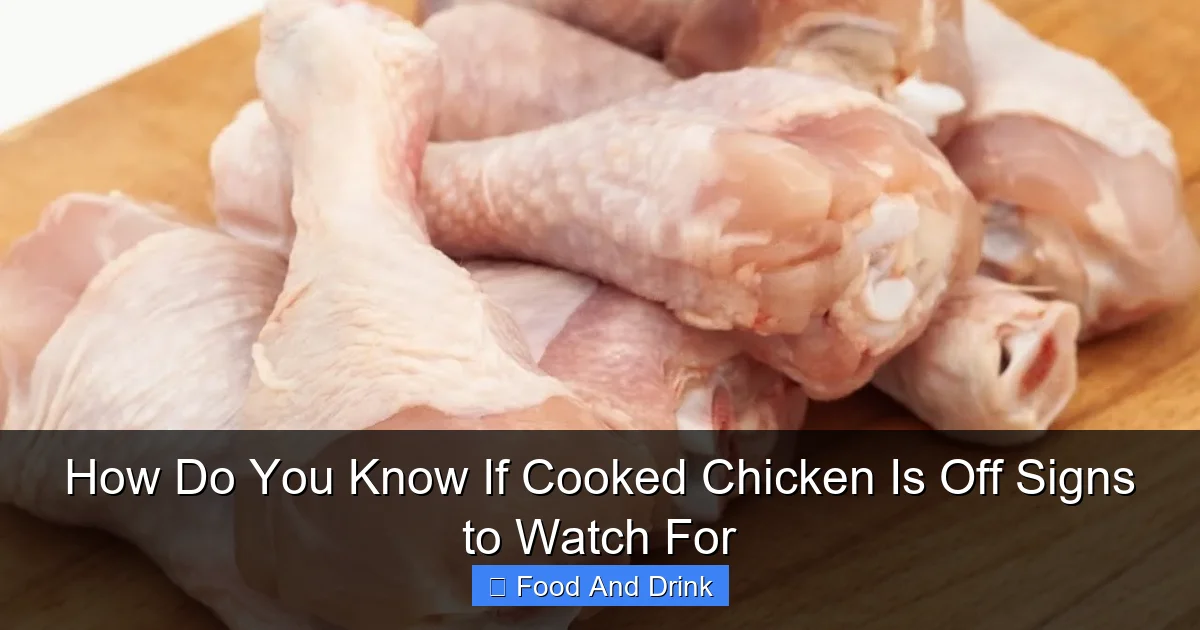
One of the earliest and most obvious signs of spoilage is a foul odor. Fresh cooked chicken should have a mild, neutral, or slightly savory smell. If it smells sour, ammonia-like, sulfurous, or just “off,” it’s likely spoiled.
For example, if your leftover chicken curry starts to smell like rotten eggs or vinegar, that’s a red flag. Bacteria produce gases and compounds as they break down proteins and fats, and these create strong, unpleasant odors. Trust your nose—if it doesn’t smell right, don’t eat it.
Note: Some spices or marinades (like garlic or vinegar-based sauces) can give chicken a strong smell even when fresh. But if the smell changes over time or becomes noticeably worse, it’s time to be cautious.
2. Slimy or Sticky Texture
Another clear sign of spoilage is a slimy or sticky film on the surface of the chicken. This slime is caused by bacterial growth, particularly from organisms like Pseudomonas or Lactobacillus. It feels slippery or tacky to the touch and often appears shiny or wet.
Imagine pulling a piece of roasted chicken from the fridge and noticing a glossy, gooey layer on the skin. Even if it looks otherwise normal, that slime means bacteria have multiplied. Do not rinse it off—washing won’t remove the bacteria, and it could spread contamination to your sink or other foods.
This texture change usually happens after 3–4 days in the fridge, but it can occur sooner if the chicken wasn’t cooled properly or was stored in a warm environment.
3. Discoloration or Mold
Color changes are another warning sign. Cooked chicken should remain white, light beige, or golden brown, depending on how it was prepared. If you notice gray, green, yellow, or black spots, it’s a sign of spoilage or mold growth.
For instance, if your grilled chicken breast develops grayish patches or greenish tinges, it’s no longer safe. Mold can grow on cooked chicken, especially in moist areas like under sauce or in crevices. Even if you cut off the moldy part, the bacteria may have spread throughout the meat.
Also, watch for darkening around the edges or a dull, lifeless appearance. While some browning is normal (especially if reheated), excessive discoloration is a cause for concern.
4. Strange or Sour Taste
Taste should be your last resort—never eat chicken just to check if it’s bad. But if you accidentally take a small bite and it tastes sour, bitter, or metallic, spit it out immediately. A bad taste is a strong indicator that the chicken has spoiled.
Keep in mind that tasting spoiled food can still make you sick, even in small amounts. It’s always safer to rely on smell, sight, and touch first.
5. Bubbling or Fizzing
In rare cases, spoiled cooked chicken may show signs of fermentation or gas production. If you notice bubbling, fizzing, or a foamy texture—especially in saucy dishes like chicken stew or curry—it could mean harmful bacteria or yeast are active.
This is more common in dishes with high moisture content and acidic ingredients (like tomatoes or vinegar), which can accelerate spoilage if not stored correctly.
How Long Does Cooked Chicken Last?
Understanding how long cooked chicken lasts is key to preventing spoilage. The shelf life depends on how it’s stored and whether it’s been reheated.
Visual guide about How Do You Know If Cooked Chicken Is Off Signs to Watch For
Image source: wikihow.com
Refrigerated Cooked Chicken
When stored in the refrigerator at or below 40°F (4°C), cooked chicken is generally safe to eat for 3 to 4 days. This includes roasted, grilled, fried, or boiled chicken, as well as dishes like chicken salad, casseroles, or soups.
To maximize freshness, store cooked chicken in airtight containers or resealable bags. Label them with the date so you know when it was cooked. If you’re not sure how long it’s been in the fridge, use the “3–4 day rule” as a guideline.
Example: If you roasted a whole chicken on Sunday, aim to eat the leftovers by Wednesday or Thursday. After that, the risk of bacterial growth increases significantly.
Frozen Cooked Chicken
Freezing is the best way to extend the life of cooked chicken. When frozen at 0°F (-18°C) or lower, cooked chicken can last for 2 to 4 months without significant loss of quality.
To freeze properly, let the chicken cool completely (but don’t leave it out for more than 2 hours), then wrap it tightly in plastic wrap or aluminum foil, or place it in a freezer-safe container. For best results, use freezer bags and remove as much air as possible to prevent freezer burn.
When you’re ready to eat it, thaw frozen cooked chicken in the refrigerator overnight or use the defrost setting on your microwave. Never thaw at room temperature, as this can allow bacteria to grow.
Reheated Chicken
Once cooked chicken has been reheated, it should be eaten within 1–2 days. Reheating doesn’t reset the clock—it only kills some bacteria, not all. So if the chicken was already near the end of its shelf life, reheating won’t make it safe indefinitely.
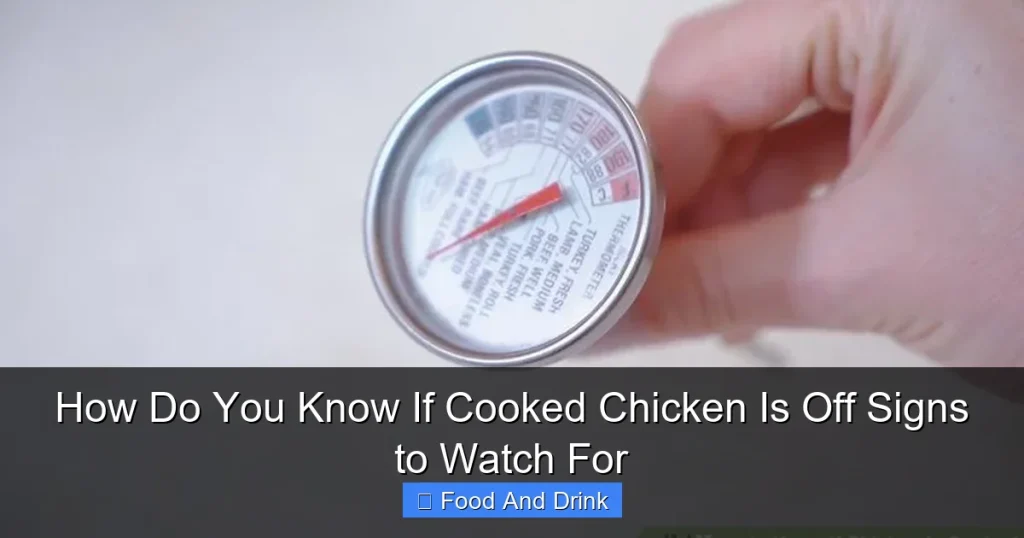
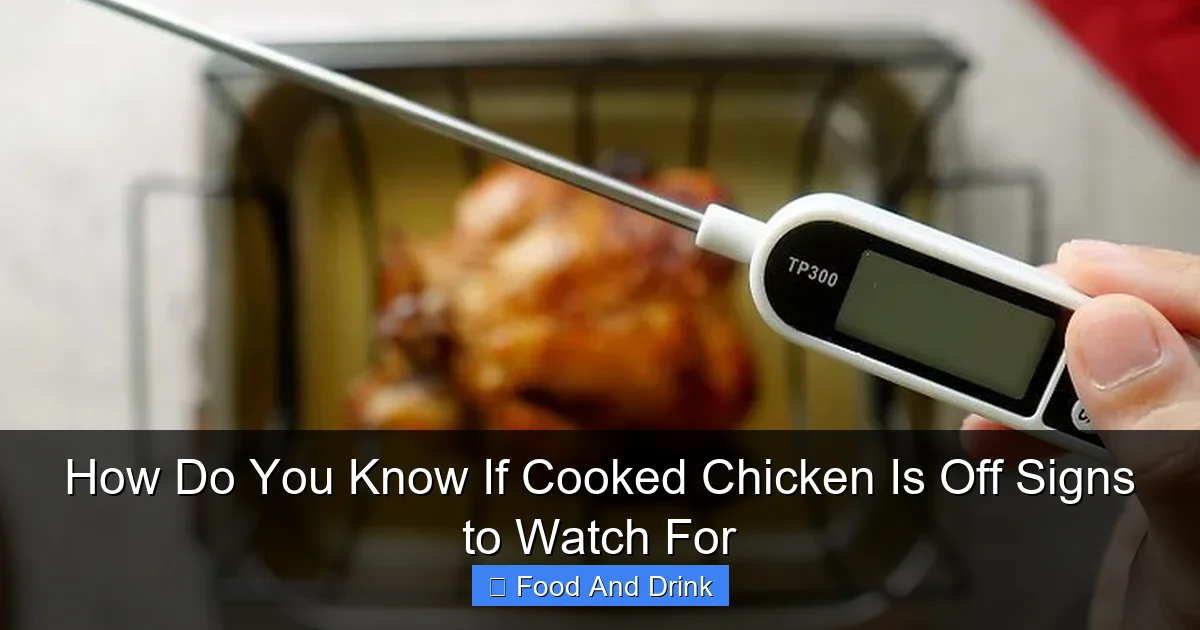
Always reheat cooked chicken to an internal temperature of at least 165°F (74°C). Use a food thermometer to check, especially for large pieces or casseroles. Stir soups and stews to ensure even heating.
Safe Storage Tips to Prevent Spoilage
Prevention is always better than detection. By following safe storage practices, you can significantly reduce the risk of cooked chicken spoiling before you get a chance to enjoy it.
Visual guide about How Do You Know If Cooked Chicken Is Off Signs to Watch For
Image source: i.ytimg.com
Cool It Quickly
After cooking, don’t let chicken sit at room temperature for long. Bacteria grow fastest between 40°F and 140°F, so the goal is to get the chicken out of this “danger zone” as quickly as possible.
To cool cooked chicken safely:
- Divide large portions into shallow containers (no more than 2 inches deep).
- Place containers in the refrigerator within 2 hours of cooking (1 hour if the room is above 90°F).
- Avoid stacking hot containers—allow air to circulate for faster cooling.
Never put a large pot of hot chicken directly into the fridge. It can raise the fridge’s internal temperature and put other foods at risk.
Use Airtight Containers
Store cooked chicken in airtight containers or resealable bags to prevent exposure to air and moisture. This helps slow bacterial growth and keeps the chicken from absorbing odors from other foods.
Glass or BPA-free plastic containers with tight-fitting lids work best. Avoid using aluminum foil or plastic wrap alone, as they may not provide a complete seal.
Label and Date Everything
It’s easy to forget when you cooked something, especially if you prep meals in bulk. Label each container with the contents and the date it was cooked. This simple habit helps you track freshness and avoid eating spoiled food.
Use a permanent marker or removable labels. If you’re freezing, include the date and use-by recommendation (e.g., “Cooked Chicken – Use by March 15”).
Keep the Fridge Cold
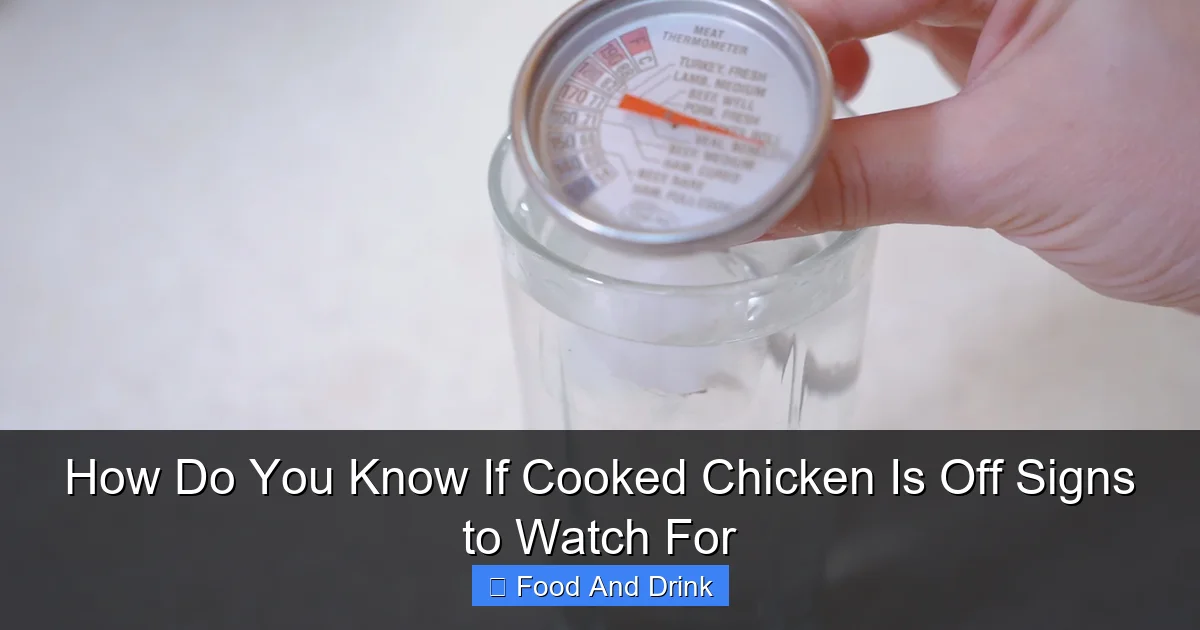
Make sure your refrigerator is set to 40°F (4°C) or below. Use a fridge thermometer to check the temperature regularly, especially during summer or if the fridge is frequently opened.
A warm fridge accelerates spoilage. If your fridge is too warm, adjust the settings or consider repairing it.
What to Do If You Think Chicken Is Off
So you’ve checked your cooked chicken and noticed one or more signs of spoilage. What now?
When in Doubt, Throw It Out
The golden rule of food safety: When in doubt, throw it out. It’s not worth the risk. Consuming spoiled chicken can lead to food poisoning, with symptoms like nausea, vomiting, diarrhea, stomach cramps, and fever. In severe cases, it can require hospitalization.
Even if only part of the chicken looks or smells bad, discard the entire portion. Bacteria can spread through the meat, so cutting off the affected area isn’t enough.
Clean and Sanitize
After discarding spoiled chicken, clean and sanitize any containers, utensils, or surfaces that came into contact with it. Use hot, soapy water and a disinfectant cleaner to kill any lingering bacteria.
Wash your hands thoroughly with soap and warm water for at least 20 seconds. This prevents cross-contamination with other foods.
Learn from the Experience
Ask yourself: What went wrong? Was the chicken left out too long? Was it stored improperly? Use the experience to improve your food safety habits. For example, if you often forget how long food has been in the fridge, start labeling everything. If you frequently have leftovers go bad, consider cooking smaller portions or freezing extras right away.
Can You Salvage Slightly Off Chicken?
Some people wonder if they can “fix” slightly spoiled chicken by cooking it again, adding strong spices, or mixing it into a dish. The short answer: No.
Reheating spoiled chicken won’t make it safe. While high heat can kill some bacteria, it won’t destroy the toxins they’ve already produced. These toxins can still cause illness, even if the chicken is cooked to 165°F.
Similarly, strong flavors from spices, sauces, or marinades can mask a bad smell or taste, but they don’t eliminate the risk. Your senses might be fooled, but your body won’t be.
The only safe approach is to discard any chicken that shows signs of spoilage—no exceptions.
Conclusion
Knowing how do you know if cooked chicken is off is a vital skill for anyone who cooks at home. Spoiled chicken isn’t just unappetizing—it can be dangerous. But with a little knowledge and attention to detail, you can enjoy your meals safely and confidently.
Remember the key signs: a sour or sulfur-like smell, slimy texture, discoloration, or mold. Follow safe storage practices—cool quickly, use airtight containers, label with dates, and keep your fridge cold. And when in doubt, throw it out. Your health is worth more than a few leftover chicken breasts.
By treating cooked chicken with care, you protect yourself and your loved ones from foodborne illness. So the next time you’re wondering whether that leftover roast chicken is still good, trust your senses, check the date, and make the safe choice. Your stomach will thank you.
🎥 Related Video: Quick Tips to Check If Your Chicken Has Gone Bad 🤢🍗✅ #shorts
📺 wikiHow
If you’re not sure how to tell if chicken is bad, check to see if raw chicken has begun to look more grey than pink, at which point it …
Frequently Asked Questions
How long can cooked chicken sit out?
Cooked chicken should not be left out at room temperature for more than 2 hours. In hot weather (above 90°F), limit it to 1 hour. After that, bacteria can grow rapidly and make the chicken unsafe to eat.
Can you get sick from eating slightly old cooked chicken?
Yes. Even if the chicken doesn’t show obvious signs of spoilage, it can still harbor harmful bacteria. Consuming old cooked chicken increases the risk of foodborne illness, especially if it was stored improperly.
Is it safe to eat cooked chicken that smells a little sour?
No. A sour smell is a strong indicator that the chicken has spoiled. Bacteria produce acids and gases as they break down proteins, leading to unpleasant odors. Discard any chicken that smells off.
Can you tell if cooked chicken is bad just by looking at it?
Sometimes. Discoloration (gray, green, or yellow spots), mold, or a dull appearance can indicate spoilage. However, not all spoiled chicken looks different, so always check smell and texture too.
Should I rinse slimy cooked chicken before eating?
No. Rinsing won’t remove bacteria or toxins. In fact, it can spread contamination to your sink and other surfaces. If the chicken is slimy, throw it away immediately.
Can I freeze cooked chicken that’s been in the fridge for 3 days?
Yes, as long as it was stored properly and shows no signs of spoilage. Freezing stops bacterial growth, so it’s safe to freeze chicken within the 3–4 day window. Just make sure to freeze it in airtight containers.

