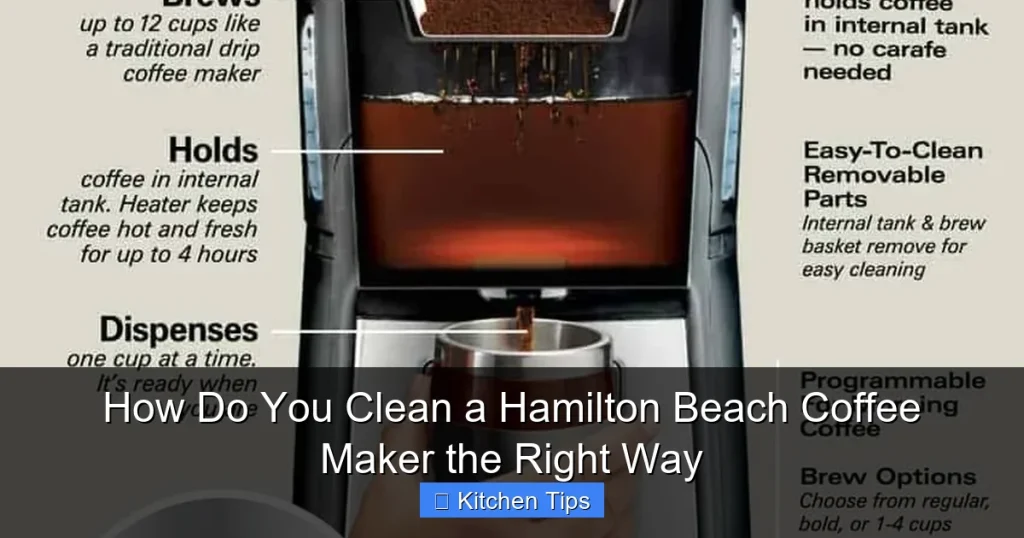

Keeping your Hamilton Beach coffee maker clean is essential for great-tasting coffee and long machine life. Regular cleaning removes mineral buildup, coffee oils, and residue that can affect flavor and performance. With the right tools and routine, you can easily maintain your coffee maker at home.
Key Takeaways
- Clean your coffee maker regularly: Aim to clean it every 1–2 months, or more often if you use it daily or have hard water.
- Use vinegar for deep cleaning: A 50/50 mix of white vinegar and water effectively dissolves mineral deposits and coffee residue.
- Don’t forget removable parts: Wash the carafe, filter basket, and lid with warm, soapy water after each use.
- Run multiple rinse cycles: After using vinegar, run 2–3 cycles with fresh water to remove any lingering taste.
- Wipe down the exterior: Use a damp cloth to clean the outside of the machine to prevent dust and stains.
- Replace water filters if applicable: Some models use water filters—replace them as recommended to improve taste and reduce scaling.
- Descale when needed: If you notice slower brewing or odd tastes, it’s time for a descaling cycle.
Quick Answers to Common Questions
Can I use apple cider vinegar instead of white vinegar?
No, stick with white distilled vinegar. Apple cider vinegar has sugars and acids that can leave residue and affect taste. White vinegar is pure, effective, and safe for coffee makers.
How long does it take to clean a Hamilton Beach coffee maker?
A full deep clean takes about 30–45 minutes, including brew cycles and rinsing. Daily maintenance takes just 2–3 minutes.
Is it safe to clean the heating element with vinegar?
Yes, vinegar is safe for the heating element when used in a diluted solution. It helps dissolve mineral buildup without damaging internal parts.
Can I run the coffee maker without water during cleaning?
No, never run the machine dry. Always have water or a vinegar solution in the reservoir to prevent overheating and damage.
What if my coffee maker has a built-in water filter?
Replace the filter as recommended (usually every 60–90 days). Clean the machine regularly, but the filter helps reduce the need for frequent descaling.
📑 Table of Contents
- Why Cleaning Your Hamilton Beach Coffee Maker Matters
- What You’ll Need to Clean Your Coffee Maker
- Step-by-Step Guide to Deep Cleaning
- Cleaning Removable Parts After Every Use
- Maintaining Your Coffee Maker Between Deep Cleans
- Troubleshooting Common Cleaning Issues
- How Often Should You Clean Your Coffee Maker?
- Final Thoughts: Keep Your Coffee Fresh and Your Machine Happy
Why Cleaning Your Hamilton Beach Coffee Maker Matters
You love that first sip of coffee in the morning—rich, smooth, and full of flavor. But have you ever noticed a slight bitterness or a stale aftertaste? That might not be the coffee beans. It could be your coffee maker.
Over time, mineral deposits from water, leftover coffee oils, and tiny grounds build up inside your Hamilton Beach coffee maker. These residues can clog internal parts, slow down brewing, and worst of all, ruin the taste of your coffee. Even if your machine looks clean on the outside, the inside might be harboring gunk that affects performance.
Cleaning your coffee maker isn’t just about hygiene—it’s about quality. A clean machine ensures consistent brewing temperature, proper water flow, and the purest flavor from your favorite beans. Plus, regular maintenance extends the life of your appliance, saving you money in the long run. Think of it like changing the oil in your car: small effort, big payoff.
What You’ll Need to Clean Your Coffee Maker
Visual guide about How Do You Clean a Hamilton Beach Coffee Maker the Right Way
Image source: crispcooking.com
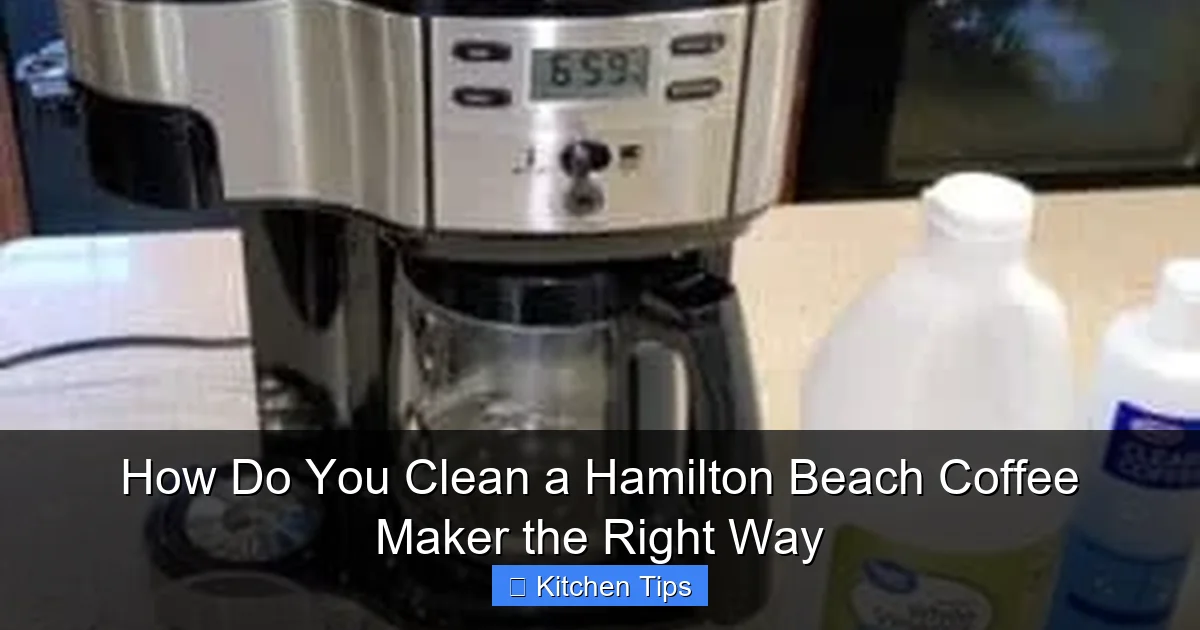
Before you start, gather a few simple supplies. The good news? You probably already have most of them at home.
You’ll need:
– White distilled vinegar (the star of the show)
– Fresh, clean water
– Mild dish soap
– A soft sponge or cloth
– A toothbrush (optional, for tight spots)
– A clean towel or drying rack
Avoid using harsh chemicals, bleach, or abrasive scrubbers. These can damage plastic parts or leave behind toxic residues that end up in your coffee. Vinegar is natural, effective, and safe when used correctly.
If your Hamilton Beach model has a water filter (like some single-serve or programmable versions), check the manual to see if it needs replacing. Some filters last 60 days, others up to 90. Replacing them regularly helps reduce scale and improves taste.
Step-by-Step Guide to Deep Cleaning
Visual guide about How Do You Clean a Hamilton Beach Coffee Maker the Right Way
Image source: cleancurious.com
Now let’s get into the nitty-gritty. Follow these steps to give your Hamilton Beach coffee maker a thorough deep clean.
Step 1: Empty and Rinse the Machine
Start by unplugging the coffee maker and letting it cool completely. Remove the carafe, filter basket, and any reusable filters. Discard used coffee grounds and rinse all removable parts with warm water. If there’s stubborn residue, use a drop of dish soap and a soft sponge.
Step 2: Prepare the Vinegar Solution
Fill the water reservoir halfway with white distilled vinegar. Then, top it off with fresh water until the reservoir is full. This creates a 50/50 vinegar-water mix—strong enough to break down buildup, but safe for your machine.
Step 3: Run a Brew Cycle
Place the empty carafe back on the warming plate. Turn on the coffee maker and let it run a full brew cycle. The vinegar solution will flow through the internal tubing, heating element, and spray head, dissolving mineral deposits and coffee oils.
You might notice a strong vinegar smell—that’s normal. It means the solution is working. If your machine has a “brew pause” feature, don’t use it during this cycle. Let it run uninterrupted.
Step 4: Let It Sit (Optional but Helpful)
For extra cleaning power, especially if you have hard water, pause the cycle halfway through. Turn off the machine and let the vinegar solution sit in the reservoir and carafe for 15–30 minutes. This gives the vinegar more time to break down stubborn scale.
Step 5: Rinse Thoroughly
After the cycle finishes, discard the vinegar solution. Rinse the carafe and filter basket well. Then, fill the reservoir with fresh water only and run 2–3 complete brew cycles. This flushes out any remaining vinegar taste and ensures your next cup of coffee tastes fresh.
Pro tip: Use a timer or sticky note to remind yourself to run the rinse cycles. It’s easy to forget, but skipping this step can leave a sour aftertaste.
Cleaning Removable Parts After Every Use
Visual guide about How Do You Clean a Hamilton Beach Coffee Maker the Right Way
Image source: cleancurious.com
Deep cleaning is important, but daily maintenance is just as crucial. After each use, take a minute to clean the parts you touch and remove.
The Carafe
Rinse the carafe with warm water right after pouring your last cup. Coffee oils can stick to the glass or thermal lining and turn rancid over time. For stuck-on stains, fill the carafe with warm water and a few drops of dish soap. Let it soak for 10–15 minutes, then scrub gently with a sponge.
Avoid using steel wool or harsh scrubbers—they can scratch the surface and create hiding spots for bacteria.
The Filter Basket and Lid
Remove the filter basket and rinse it under running water. If you use a paper filter, toss it. If you use a reusable mesh filter, wash it with soap and water. Use a soft toothbrush to clean hard-to-reach corners where grounds accumulate.
The lid of the filter basket often gets overlooked. Wipe it down with a damp cloth to remove coffee splatters and oils.
The Warming Plate
Coffee spills and drips can burn onto the warming plate, creating a sticky, dark residue. Once the machine is cool, wipe the plate with a damp cloth. For stubborn stains, mix a paste of baking soda and water, apply it gently, and wipe clean.
Never use abrasive cleaners on the warming plate—they can damage the heating element underneath.
Maintaining Your Coffee Maker Between Deep Cleans
You don’t need to deep clean every week, but a few quick habits can keep your machine in top shape.
Wipe Down the Exterior
Use a soft, damp cloth to wipe the outside of the coffee maker daily. This prevents dust, fingerprints, and coffee splatters from building up. For stainless steel models, use a microfiber cloth to avoid streaks.
Check the Water Reservoir
If you leave water in the reservoir between uses, dump it out and rinse it. Stagnant water can grow bacteria or develop a stale taste. Always use fresh water for each brew.
Use Filtered Water
If your tap water is hard (high in minerals like calcium and magnesium), consider using filtered or bottled water. This reduces scale buildup and means you’ll need fewer deep cleans.
Descale When Needed
Even with filtered water, some mineral buildup is inevitable. If you notice:
– Slower brewing
– Lower water output
– A metallic or bitter taste
– The machine making unusual noises
…it’s time to descale. Follow the deep cleaning steps above, or use a commercial descaling solution if you prefer. Just make sure it’s safe for your model—check the manual first.
Troubleshooting Common Cleaning Issues
Sometimes, cleaning doesn’t go as planned. Here’s how to handle a few common problems.
Vinegar Taste Lingers After Rinsing
If your coffee still tastes like vinegar after rinsing, run one more cycle with fresh water. You can also add a pinch of baking soda to the water during the rinse cycle to neutralize any remaining acidity.
Water Isn’t Flowing Properly
This could mean the spray head is clogged. Turn off and unplug the machine. Use a toothpick or paperclip to gently clear any debris from the small holes in the spray head. Don’t force it—gentle pressure is enough.
The Machine Smells Musty
A musty odor often means mold or mildew in hidden areas. Run a vinegar cycle, then leave the carafe and filter basket open to air dry completely. Store the machine with the lid open to improve airflow.
Plastic Parts Look Cloudy
This is usually from hard water or soap residue. Soak the parts in a vinegar-water solution (1:1) for 30 minutes, then scrub gently. Avoid using too much soap—it can leave a film.
How Often Should You Clean Your Coffee Maker?
There’s no one-size-fits-all answer, but here’s a good rule of thumb:
– **Daily:** Rinse carafe, filter basket, and wipe exterior.
– **Weekly:** Wash removable parts with soap and water.
– **Monthly:** Run a vinegar cleaning cycle (every 1–2 months).
– **As Needed:** Descale if you notice performance issues.
If you live in an area with hard water, clean more often—every 2–3 weeks. If you use your coffee maker multiple times a day, consider cleaning it every 2 weeks.
Final Thoughts: Keep Your Coffee Fresh and Your Machine Happy
Cleaning your Hamilton Beach coffee maker doesn’t have to be a chore. With a simple routine and the right tools, you can keep your machine running smoothly and your coffee tasting great. Think of it as part of your morning ritual—like grinding fresh beans or choosing your favorite mug.
A clean coffee maker means better flavor, fewer repairs, and more years of reliable service. Plus, there’s something satisfying about knowing your appliance is well cared for. So grab that vinegar, give your machine some love, and enjoy every sip.
Your future self—and your taste buds—will thank you.
Frequently Asked Questions
How often should I clean my Hamilton Beach coffee maker?
Clean removable parts after every use and deep clean the machine every 1–2 months. If you have hard water or use it daily, clean more often—every 2–3 weeks.
Can I use bleach to clean my coffee maker?
No, never use bleach. It’s too harsh and can leave toxic residues that end up in your coffee. Stick to vinegar, water, and mild soap.
Why does my coffee taste bitter even with fresh beans?
Bitterness can come from old coffee oils, mineral buildup, or leftover vinegar. Clean your machine thoroughly and run extra rinse cycles to fix it.
Can I clean the coffee maker with baking soda?
Baking soda is great for scrubbing exterior parts or neutralizing odors, but it’s not effective for descaling. Use vinegar for internal cleaning and baking soda for surface stains.
What should I do if water isn’t coming out of the spray head?
The spray head may be clogged. Turn off the machine, let it cool, and gently clear the holes with a toothpick or paperclip. Run a vinegar cycle to dissolve any remaining buildup.
Is it okay to leave water in the reservoir overnight?
It’s best to empty and rinse the reservoir after each use. Stagnant water can develop bacteria or a stale taste, affecting your next brew.