



The sound of grilled chicken sizzling on a hot grill isn’t just noise—it’s a sensory trigger that awakens hunger and anticipation. This auditory cue, combined with aroma and sight, creates a powerful appetite response that’s hard to resist.
There’s something magical about the moment you walk past a backyard barbecue or peek into a restaurant kitchen and hear that unmistakable sound—the sharp, rhythmic sizzle of grilled chicken hitting a hot surface. It’s not just noise. It’s a signal. A promise. A sensory invitation that makes your stomach growl and your mouth water before you even see the food. That sound? It’s more powerful than you think.
The grilled chicken sound—those crisp pops, hisses, and crackles—isn’t just background ambiance. It’s a key part of the eating experience. From a neuroscience perspective, our brains are wired to respond to the sounds of food preparation. The sizzle triggers anticipation, activating areas linked to hunger and reward. It’s the auditory equivalent of a dinner bell. And when it comes to grilled chicken, that sound is especially potent. It signals freshness, heat, and the beginning of a delicious transformation.
But why does this particular sound have such a strong effect? It’s not just about the noise itself—it’s about what it represents. The sizzle of grilled chicken is the sound of moisture meeting intense heat, of proteins and fats reacting to create that golden-brown crust we crave. It’s the soundtrack of the Maillard reaction, the chemical process that turns plain chicken into a flavorful, aromatic masterpiece. And when you hear it, your brain starts preparing for the meal ahead, releasing saliva and digestive enzymes in anticipation.
Key Takeaways
- The sizzle is science: The sound of grilled chicken cooking activates your brain’s reward centers, priming you for eating.
- Maillard reaction matters: That crackle and pop come from the Maillard reaction, which creates complex flavors and aromas.
- Sound enhances taste: Studies show that hearing food cook improves perceived flavor and satisfaction.
- Grill type affects the sound: Charcoal grills produce a richer, more dramatic sizzle than gas grills.
- Perfect your technique: Patting chicken dry and preheating the grill ensures the best sound and sear.
- Use sound to judge doneness: A steady sizzle means active cooking; silence may signal it’s time to flip or remove.
- Replicate the sound at home: Even on a stovetop, a well-heated pan can deliver that mouth-watering crackle.
Quick Answers to Common Questions
What causes the sizzling sound when grilling chicken?
The sizzle comes from moisture and fat rapidly vaporizing when chicken hits a hot surface. Steam escapes in bursts, creating the characteristic crackle and pop.
Does the sound mean the chicken is cooking properly?
Yes—a steady, active sizzle usually indicates good heat and proper searing. Silence may mean it’s time to flip or adjust the temperature.
Can you get a good sizzle on a gas grill?
Absolutely. Use a preheated cast-iron griddle or sear plate to enhance heat retention and create a louder, more consistent sizzle.
Why does my chicken steam instead of sizzle?
This usually happens when the cooking surface isn’t hot enough or the chicken is too wet. Pat it dry and preheat thoroughly.
Does the sound affect how the chicken tastes?
Indirectly, yes. The sound builds anticipation and can enhance perceived flavor through sensory expectation and memory.
📑 Table of Contents
- The Science Behind the Sizzle
- Why the Grilled Chicken Sound Makes Your Mouth Water
- The Role of the Maillard Reaction in Sound and Flavor
- Grill Types and Their Signature Sounds
- How to Maximize the Grilled Chicken Sound at Home
- The Emotional and Cultural Power of the Sizzle
- Conclusion: More Than Just Noise
The Science Behind the Sizzle
Let’s break it down: what exactly is happening when grilled chicken makes that sound? It all starts with heat and moisture. When raw chicken—especially skin-on pieces—hits a hot grill or pan, the surface moisture instantly vaporizes. This rapid evaporation creates tiny steam explosions, which you hear as sizzling. The louder and more frequent the sizzle, the more moisture is being released and the hotter the surface.
But the sound isn’t just about water. It’s also about fat. Chicken skin contains natural fats that begin to render when exposed to high heat. As these fats melt and drip onto the hot grates or coals, they ignite briefly, creating small flares and additional crackling sounds. This dual effect—steam from moisture and combustion from fat—creates the rich, complex audio profile we associate with perfectly grilled chicken.
Neuroscientists have studied how sound influences taste, and the results are fascinating. A 2011 study published in *Food Quality and Preference* found that people rated potato chips as crunchier and fresher when they could hear the sound of their own chewing amplified. Similarly, the sound of food cooking can enhance the perception of flavor. When you hear grilled chicken sizzling, your brain anticipates a juicy, well-seared bite. This expectation can actually make the food taste better when it finally reaches your plate.
Moreover, the sizzle acts as a real-time indicator of cooking progress. A strong, steady sizzle means the chicken is actively cooking and developing that desirable crust. As the surface dries and the internal temperature rises, the sizzle may lessen—this is often the cue to flip the chicken. Once both sides have seared and the sizzle fades, it’s usually time to move the chicken to a cooler part of the grill or finish cooking with indirect heat.
Why the Grilled Chicken Sound Makes Your Mouth Water

Visual guide about Grilled Chicken Sound That Makes Your Mouth Water Instantly
Image source: recipecs.com
Have you ever noticed how just hearing someone describe a juicy burger or smelling popcorn can make you hungry? This is called sensory-specific satiety, and it’s closely tied to our evolutionary biology. Our ancestors relied on sensory cues—sight, sound, smell—to identify safe, nutritious food sources. The sound of food cooking signaled that a meal was imminent, prompting the body to prepare for digestion.
When it comes to grilled chicken, the sizzle is especially effective at triggering this response. The sharp, high-frequency crackle stands out against background noise, capturing your attention instantly. It’s not a gentle simmer or a quiet roast—it’s bold, immediate, and full of promise. Your brain interprets this sound as a sign of freshness and high heat, both indicators of well-prepared food.
Salivation is one of the most immediate physical responses. The moment you hear that sizzle, your salivary glands kick into gear. This isn’t just your body being dramatic—it’s preparing to break down proteins and fats. Saliva contains enzymes like amylase and lipase that begin the digestive process even before food touches your tongue. So when you hear grilled chicken cooking, your body is already halfway to enjoying it.
There’s also a psychological component. The sound of grilling is often associated with positive experiences—summer barbecues, family gatherings, outdoor dining. These memories create a Pavlovian response: the sound alone can evoke feelings of comfort, happiness, and anticipation. Even if you’re cooking alone in your kitchen, that sizzle can transport you to a sunny patio with friends, making the meal feel more special.
The Role of the Maillard Reaction in Sound and Flavor

Visual guide about Grilled Chicken Sound That Makes Your Mouth Water Instantly
Image source: meatydelights.net
If the sizzle is the sound of grilled chicken, the Maillard reaction is its soul. This chemical process occurs when amino acids and reducing sugars in the chicken react under high heat, creating hundreds of new flavor compounds. It’s responsible for the golden-brown crust, the rich umami taste, and the deep, savory aroma that makes grilled chicken so irresistible.
But the Maillard reaction isn’t silent. It contributes directly to the sound you hear. As the surface of the chicken dries and browns, moisture continues to escape in bursts. The formation of a crust traps steam beneath, leading to pressure buildup and sudden releases—those satisfying pops and crackles. The more intense the Maillard reaction, the more dramatic the sound.
Timing is everything. If the grill isn’t hot enough, the chicken will steam instead of sear, resulting in a dull, inconsistent sizzle and a pale, rubbery texture. Too hot, and the exterior burns before the inside cooks through. The ideal temperature for the Maillard reaction is between 280°F and 330°F (140°C to 165°C)—hot enough to trigger browning, but not so hot that it chars instantly.
To maximize both sound and flavor, start with dry chicken. Pat the skin thoroughly with paper towels before seasoning. Any surface moisture will delay the Maillard reaction and mute the sizzle. Season just before cooking—salt can draw out moisture if applied too early. And don’t overcrowd the grill. Each piece needs space to develop its own crust and release steam independently.
Grill Types and Their Signature Sounds
Visual guide about Grilled Chicken Sound That Makes Your Mouth Water Instantly
Image source: thumbs.dreamstime.com
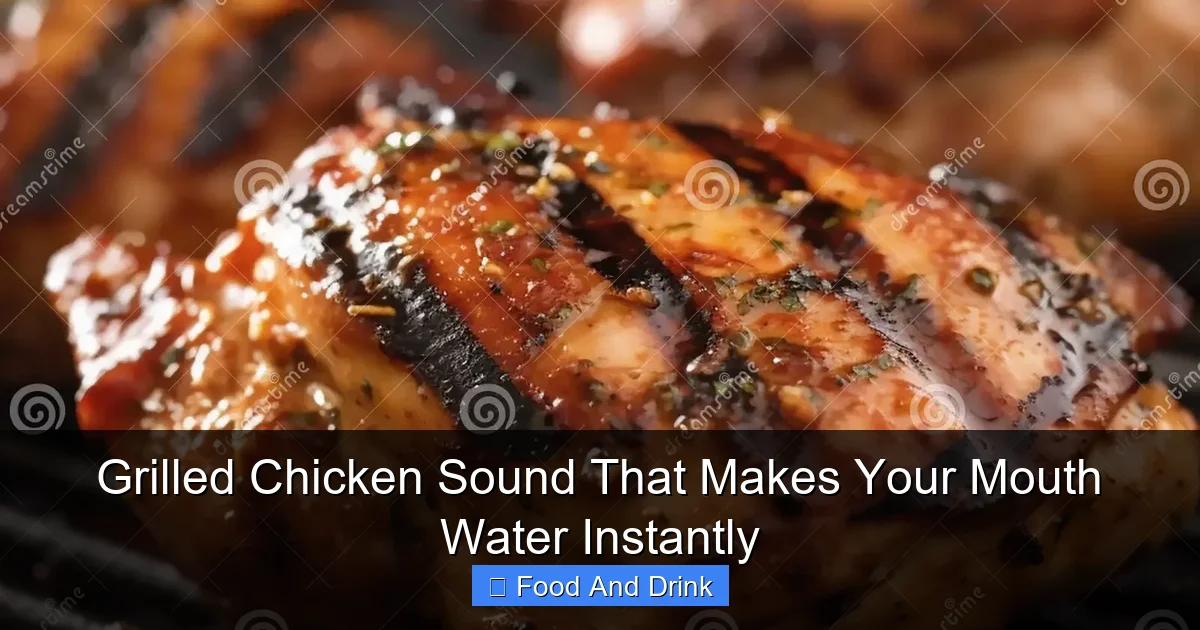
Not all grills are created equal—and neither are their sounds. The type of grill you use dramatically affects the auditory experience of cooking chicken.
Charcoal Grills: The Classic Crackle
Charcoal grills are the gold standard for that authentic grilled chicken sound. When fat drips onto hot coals, it ignites in small flames, creating a series of sharp pops and crackles. The uneven heat distribution also means different parts of the chicken sizzle at different rates, adding rhythm and depth to the sound. Plus, the smoky aroma that accompanies charcoal cooking enhances the overall sensory experience.
For the best results, use lump charcoal instead of briquettes. Lump charcoal burns hotter and cleaner, producing a more intense sizzle. Preheat the grill for at least 15–20 minutes to ensure even heat. And don’t be afraid of flare-ups—they’re part of the sound and flavor profile.
Gas Grills: Clean and Consistent
Gas grills offer convenience and control, but their sound is quieter and more uniform. Since there are no open flames from dripping fat, the sizzle is mostly from surface moisture evaporating. It’s still satisfying, but lacks the dramatic flair of charcoal. To enhance the sound, use a cast-iron griddle or sear plate on your gas grill. These retain heat better and can create a louder, more consistent sizzle.
Electric Grills and Indoor Options
Indoor electric grills and stovetop pans can still deliver that mouth-watering sound—if you use the right technique. A heavy-bottomed skillet, especially cast iron, heats evenly and retains high temperatures. Preheat it until it’s smoking hot, then add the chicken. The initial contact will produce a loud, satisfying sizzle. For an even better effect, add a small amount of oil just before placing the chicken—this helps conduct heat and amplifies the sound.
How to Maximize the Grilled Chicken Sound at Home
You don’t need a professional kitchen or a backyard smoker to recreate that irresistible sizzle. With a few simple tips, you can make your home-cooked grilled chicken sound—and taste—like it came from a top-tier restaurant.
Start with Dry Chicken
Moisture is the enemy of a good sizzle. Wet skin steams instead of sears, muting the sound and preventing browning. Always pat your chicken dry with paper towels before seasoning. For extra insurance, let the chicken sit uncovered in the fridge for an hour or two before cooking. This draws out surface moisture and helps the skin crisp up.
Preheat Your Cooking Surface
A cold pan or grill won’t produce a sizzle—it’ll just make the chicken stick. Preheat your grill, skillet, or griddle until it’s hot enough that a drop of water sizzles and evaporates instantly. This ensures immediate contact heat, triggering the Maillard reaction and that satisfying crackle.
Use the Right Oil
A light coating of high-smoke-point oil—like avocado, canola, or grapeseed—helps conduct heat and prevents sticking. Apply it just before cooking, using a brush or paper towel. Too much oil can cause splattering and excessive smoke, but the right amount enhances both sound and sear.
Don’t Move the Chicken Too Soon
Resist the urge to peek or flip too early. Let the chicken sear for 3–5 minutes on the first side (depending on thickness) before attempting to move it. If it releases easily from the surface, it’s ready. If it sticks, it needs more time. Premature flipping interrupts the Maillard reaction and reduces the sizzle.
Listen for Cues
The sound changes as the chicken cooks. A loud, active sizzle means it’s searing well. As the surface dries, the sound may quiet down—this is your cue to flip. Once both sides are seared, you can reduce the heat or move the chicken to a cooler part of the grill to finish cooking through without burning.
The Emotional and Cultural Power of the Sizzle
Beyond science and technique, the sound of grilled chicken carries emotional weight. It’s the soundtrack of summer, of holidays, of casual meals with loved ones. In many cultures, grilling is a communal act—a way to bring people together around fire and food. The sizzle becomes a shared experience, a signal that the meal is almost ready.
In Japan, the sound of yakitori chicken sizzling over binchotan charcoal is a hallmark of izakaya dining. In the American South, the crackle of chicken on a backyard grill is synonymous with family reunions and Sunday dinners. Even in urban apartments, the sound of chicken searing in a pan can evoke a sense of comfort and home.
Restaurants know this. Many use open kitchens or audio cues to amplify the sounds of cooking, knowing that the sizzle sells the experience. Food delivery apps sometimes include ambient soundtracks of grilling or frying to enhance the appeal of their offerings. It’s not just about the food—it’s about the feeling it creates.
And let’s be honest: there’s something deeply satisfying about hearing your own cooking succeed. That first loud sizzle when chicken hits the pan is a small victory. It means you’ve preheated properly, seasoned well, and are on your way to a delicious meal. It’s a sound of confidence, of skill, of care.
Conclusion: More Than Just Noise
The grilled chicken sound that makes your mouth water instantly is far more than background noise. It’s a sensory signal, a scientific process, and an emotional trigger all rolled into one. From the Maillard reaction to the psychology of appetite, every crackle and pop tells a story of transformation—of raw ingredients becoming something greater.
Whether you’re grilling over charcoal, searing in a cast-iron skillet, or experimenting with a gas grill, that sizzle is your guide. It tells you when the heat is right, when the crust is forming, and when the meal is almost ready. And it does something else, too: it connects you to the joy of cooking and eating, to the simple pleasure of food done well.
So the next time you hear that sound—whether from your own kitchen or a distant barbecue—take a moment to appreciate it. It’s not just the sound of chicken cooking. It’s the sound of anticipation, of flavor, of something delicious about to happen.
Frequently Asked Questions
Why does grilled chicken make a sizzling sound?
The sizzling sound occurs when moisture and fat on the chicken’s surface rapidly vaporize upon contact with high heat. This creates steam explosions and small flares, producing the crackling noise.
Is a louder sizzle better when cooking chicken?
Not necessarily louder, but more consistent and active. A strong, steady sizzle indicates proper searing and heat, which leads to better browning and flavor.
Can you hear the Maillard reaction happening?
Yes—the Maillard reaction contributes to the sound as moisture escapes during browning. The more intense the reaction, the more pronounced the sizzle.
Does the type of grill affect the sound of cooking chicken?
Definitely. Charcoal grills produce a richer, more dramatic sizzle due to flare-ups from dripping fat, while gas grills offer a quieter, more uniform sound.
How can I make my grilled chicken sizzle more at home?
Pat the chicken dry, preheat your cooking surface until very hot, use a light coat of oil, and avoid moving the chicken too soon. These steps maximize sear and sound.
Does the sound of cooking chicken actually make you hungry?
Yes. The sizzle triggers your brain’s appetite centers, increases salivation, and builds anticipation—making you feel hungrier even before eating.


