



Roast chicken is a classic comfort food, but with a few smart techniques, you can elevate it from ordinary to extraordinary. From brining to herb-infused butter and perfect roasting methods, these simple tips will help you achieve golden, crispy skin and tender, flavorful meat that impresses every time.
There’s something deeply satisfying about a perfectly roasted chicken. The golden, crackling skin, the tender, juicy meat that falls off the bone, and the rich aroma that fills your kitchen—it’s comfort food at its finest. Yet, despite its simplicity, roast chicken can be surprisingly tricky to master. Many home cooks end up with dry meat, soggy skin, or under-seasoned results. But here’s the good news: you don’t need fancy equipment or professional skills to enhance roast chicken. With a few thoughtful techniques and a little attention to detail, you can transform this humble dish into a show-stopping centerpiece for any meal.
The secret lies not in complexity, but in understanding the fundamentals of moisture, heat, and flavor. Whether you’re cooking for a weeknight dinner or a special occasion, these simple tips will help you achieve consistently delicious results. From preparing the bird to the final resting period, every step plays a role in creating a roast chicken that’s crispy on the outside, succulent on the inside, and packed with flavor. Let’s dive into the best ways to enhance roast chicken and make it the star of your table.
Key Takeaways
- Brining boosts moisture and flavor: Soaking chicken in a saltwater solution (wet brine) or dry brine with salt and spices ensures juicy meat and enhanced taste.
- Butter under the skin adds richness: Sliding herb-infused butter between the skin and meat bastes the chicken from within, creating succulent results.
- Proper seasoning is essential: Season generously inside and out with salt, pepper, and aromatic herbs like thyme, rosemary, and garlic.
- High heat crisps the skin: Start roasting at a high temperature (425°F/220°C) to render fat and crisp the skin, then reduce heat to cook evenly.
- Resting preserves juices: Let the chicken rest for 15–20 minutes after roasting to allow juices to redistribute, ensuring moist meat when carved.
- Use aromatics in the cavity: Stuff the cavity with lemon halves, garlic, onions, and fresh herbs to infuse flavor from the inside out.
- Trussing ensures even cooking: Tying the legs together with kitchen twine helps the chicken cook uniformly and maintain its shape.
Quick Answers to Common Questions
How long should I brine a chicken?
For wet brining, 4 to 12 hours is ideal. For dry brining, 12 to 24 hours in the refrigerator works best. Avoid brining longer than 24 hours to prevent over-salting.
Can I roast a chicken without brining?
Yes, but brining significantly improves moisture and flavor. If skipping brine, ensure you season generously and roast at the right temperature for juicy results.
What’s the best way to get crispy skin?
Pat the chicken dry before roasting, use high heat at the start, and avoid covering it. Dry brining also helps by drawing moisture out of the skin.
Should I stuff the chicken with bread stuffing?
It’s safer to cook stuffing separately. The cavity can be stuffed with aromatics like lemon, garlic, and herbs, but bread stuffing may not reach a safe temperature inside the bird.
How do I prevent the breast from drying out?
Use a meat thermometer, truss the chicken, and consider tenting the breast with foil after the first 30 minutes of roasting. Resting also helps retain moisture.
📑 Table of Contents
1. Start with Quality Ingredients
The foundation of any great roast chicken begins with the chicken itself. While it’s tempting to grab the first bird you see at the store, choosing a high-quality chicken can make a noticeable difference in flavor and texture. Look for organic, free-range, or pasture-raised chickens whenever possible. These birds are typically raised with better living conditions and diets, resulting in more flavorful meat and a healthier fat profile.
Choose the Right Size
A 3- to 4-pound (1.4–1.8 kg) chicken is ideal for most home ovens. It’s large enough to feed a family of four with leftovers, but small enough to cook evenly without drying out. Larger birds may require longer cooking times and can risk overcooking the breast before the thighs are done. If you’re cooking for two, consider spatchcocking (butterflying) a smaller bird for faster, more even roasting.
Fresh vs. Frozen
Fresh chickens are convenient, but frozen birds can be just as good—if handled properly. If using frozen chicken, thaw it completely in the refrigerator (allow 24 hours for every 5 pounds) to ensure even cooking. Never thaw at room temperature, as this can promote bacterial growth. Once thawed, pat the chicken dry with paper towels to remove excess moisture, which is crucial for crispy skin.
Inspect and Prepare
Before cooking, check the cavity for giblets or neck bones, which are often packaged inside. Remove them and save for stock if desired. Rinse the chicken under cold water (optional, though some chefs prefer not to), then pat it thoroughly dry. Dry skin is essential for achieving that coveted crispiness, so take your time with this step.
2. Master the Art of Brining

Visual guide about Enhance roast chicken with these simple tips
Image source: hfrliving.files.wordpress.com
One of the most effective ways to enhance roast chicken is through brining. This simple process involves soaking the chicken in a saltwater solution, which helps the meat retain moisture during cooking. The result? Juicy, flavorful chicken that stays tender even if slightly overcooked.
Wet Brine: The Classic Method
A wet brine consists of water, salt, sugar, and aromatics like herbs, garlic, and peppercorns. For a basic brine, dissolve 1 cup of kosher salt and ½ cup of sugar in 1 gallon of cold water. Add optional flavorings such as bay leaves, thyme sprigs, or sliced onions. Submerge the chicken completely and refrigerate for 4 to 12 hours. Longer brining times yield more flavor, but avoid exceeding 24 hours, as the meat can become too salty.
Dry Brine: The No-Mess Alternative
If you’re short on space or prefer a simpler method, dry brining is a fantastic option. Simply rub the chicken generously with salt (about 1 teaspoon per pound) and let it sit uncovered in the refrigerator for 12 to 24 hours. The salt draws out moisture, which then reabsorbs into the meat, seasoning it deeply and helping the skin dry out for better crisping. Dry brining also requires no containers or cleanup—just place the chicken on a wire rack over a baking sheet to allow air circulation.
Why Brining Works
Salt changes the protein structure in meat, allowing it to hold onto more water. This means that even when exposed to high heat, the chicken retains its juiciness. Additionally, the salt seasons the meat from the inside out, ensuring every bite is flavorful. Whether you choose wet or dry brining, this step is a game-changer for enhancing roast chicken.
3. Infuse Flavor with Herbs and Aromatics
Visual guide about Enhance roast chicken with these simple tips
Image source: saveur.com
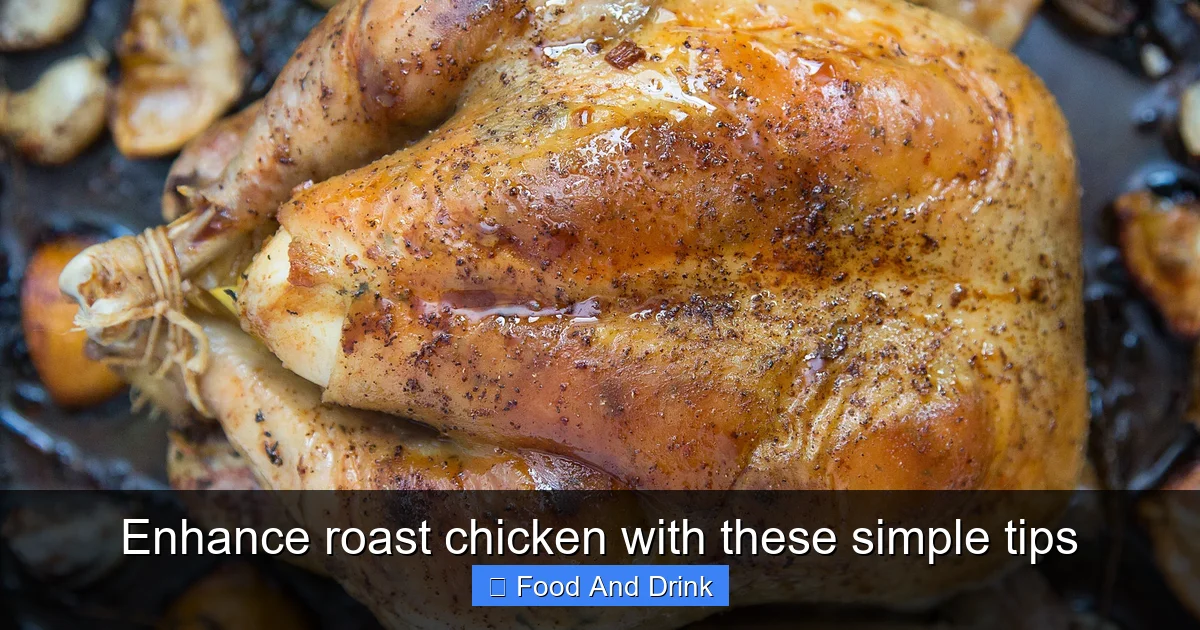
Seasoning is where you can truly make your roast chicken shine. While salt and pepper are essential, adding herbs, spices, and aromatics elevates the flavor profile and creates a more complex, satisfying dish.
Herb Butter Under the Skin
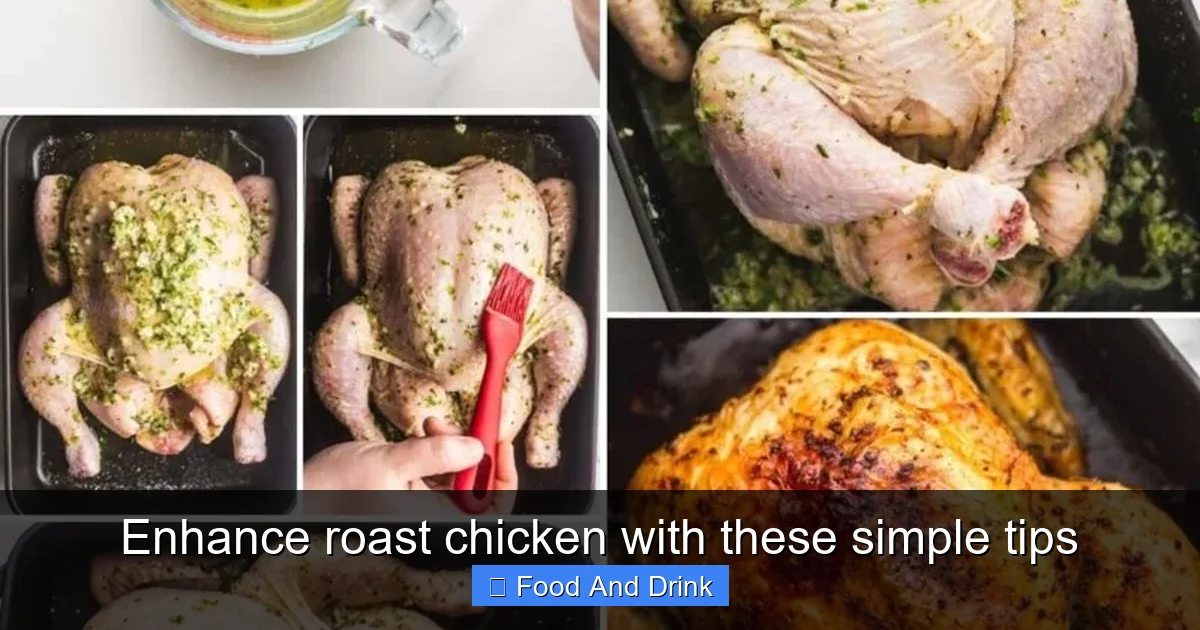
One of the best-kept secrets for enhancing roast chicken is placing herb-infused butter directly under the skin. Gently loosen the skin over the breast and thighs using your fingers, being careful not to tear it. Then, slide small pats of softened butter mixed with minced garlic, fresh thyme, rosemary, and lemon zest between the skin and meat. As the chicken roasts, the butter melts and bastes the meat from within, keeping it moist and infusing it with rich, aromatic flavor.
Stuff the Cavity
Don’t waste the space inside the chicken! Fill the cavity with aromatics like halved lemons, garlic cloves, onion quarters, and fresh herb sprigs. These ingredients won’t be eaten, but they release essential oils and moisture during roasting, creating a fragrant steam that flavors the meat from the inside. Avoid stuffing the cavity with bread-based stuffing, as it can remain undercooked and pose a food safety risk.
Season Generously
Don’t be shy with seasoning. Rub the outside of the chicken with olive oil or melted butter, then coat it liberally with salt, freshly ground black pepper, and your favorite herbs. Dried herbs like oregano, paprika, or herbes de Provence work well, but fresh herbs like parsley, sage, or tarragon add brightness. For extra depth, add a sprinkle of garlic powder or onion powder.
4. Perfect Your Roasting Technique
Visual guide about Enhance roast chicken with these simple tips
Image source: littlesunnykitchen.com
How you roast the chicken has a huge impact on the final result. Temperature, positioning, and timing all play crucial roles in achieving crispy skin and evenly cooked meat.
Preheat the Oven
Always preheat your oven to 425°F (220°C). Starting at a high temperature helps render the fat under the skin and jump-starts the crisping process. Once the chicken is in, you can reduce the heat to 375°F (190°C) after 15–20 minutes to finish cooking gently.
Use a Roasting Pan with a Rack
Place the chicken on a wire rack set inside a roasting pan. This allows hot air to circulate around the bird, promoting even browning and preventing the bottom from steaming in its own juices. If you don’t have a rack, you can create a makeshift one by placing chopped vegetables (like carrots, celery, and onions) in the bottom of the pan. These will also add flavor to the pan drippings.
Truss the Chicken
Trussing—tying the legs together with kitchen twine—helps the chicken cook evenly and maintain a compact shape. It also prevents the wings and legs from burning before the breast is done. To truss, cross the legs and tie them together with twine, then tuck the wing tips under the body.
Roast Breast-Side Up
Always roast the chicken breast-side up. This ensures the breast meat, which dries out more easily, is exposed to direct heat and cooks at the same rate as the thighs. If you’re concerned about overcooking the breast, you can tent it loosely with foil after the first 30 minutes.
Baste for Extra Flavor (Optional)
While not necessary, basting the chicken with its own juices or melted butter every 20–30 minutes can enhance browning and flavor. Use a basting brush or spoon to coat the skin, but avoid opening the oven too frequently, as this can cause temperature fluctuations.
5. Know When It’s Done
Overcooking is the enemy of a great roast chicken. Dry, stringy meat can ruin an otherwise perfect dish. The key is to use a meat thermometer to check for doneness.
Use a Meat Thermometer
Insert the thermometer into the thickest part of the thigh, avoiding the bone. The chicken is done when it reaches an internal temperature of 165°F (74°C). For the best texture, aim for 160°F (71°C) in the breast and 175°F (80°C) in the thigh—the meat will continue to cook slightly as it rests.
Check Juices and Color
If you don’t have a thermometer, check that the juices run clear when you pierce the thigh with a knife. The skin should be golden brown and crispy, and the legs should move easily in their joints.
Rest Before Carving
Once the chicken is done, remove it from the oven and let it rest for 15–20 minutes before carving. Resting allows the juices to redistribute throughout the meat, ensuring every bite is moist and flavorful. Cover loosely with foil to keep it warm, but don’t wrap it tightly, as this can soften the skin.
6. Serve with Style
The final step in enhancing roast chicken is presentation and pairing. A beautifully carved bird with golden skin is a feast for the eyes, and the right sides can turn a simple roast into a complete meal.
Carve with Confidence
Use a sharp carving knife to slice the chicken. Start by removing the legs and wings, then slice the breast meat against the grain into even portions. Arrange the pieces on a platter, garnished with fresh herbs or lemon wedges for a pop of color.
Make a Pan Sauce
Don’t discard the flavorful drippings in the roasting pan! Deglaze the pan with chicken broth, wine, or lemon juice, scraping up any browned bits. Simmer with a splash of cream or a knob of butter for a rich, velvety sauce to drizzle over the chicken.
Pair with Complementary Sides
Roast chicken pairs beautifully with a variety of sides. Classic options include roasted potatoes, garlic mashed potatoes, steamed green beans, or a fresh garden salad. For a heartier meal, serve with stuffing, roasted root vegetables, or a creamy risotto.
Save the Leftovers
Leftover roast chicken is a gift that keeps on giving. Use it in sandwiches, salads, soups, or casseroles. Store in an airtight container in the refrigerator for up to 4 days, or freeze for up to 3 months.
Conclusion
Enhancing roast chicken doesn’t require fancy techniques or expensive ingredients—just a few thoughtful steps and a little patience. By starting with quality ingredients, brining for moisture, infusing flavor with herbs and butter, and mastering the roasting process, you can create a dish that’s crispy, juicy, and bursting with flavor. Whether you’re cooking for a weeknight family dinner or a special holiday meal, these simple tips will help you achieve restaurant-quality results every time. So the next time you’re craving comfort food, remember: a perfect roast chicken is just a few smart choices away.
Frequently Asked Questions
Can I use a frozen chicken for roasting?
Yes, but it must be fully thawed in the refrigerator before cooking. Allow 24 hours for every 5 pounds. Never roast a partially frozen chicken, as it won’t cook evenly.
What temperature should I roast chicken at?
Start at 425°F (220°C) for the first 15–20 minutes to crisp the skin, then reduce to 375°F (190°C) to finish cooking. This method ensures crispy skin and juicy meat.
How do I know when the chicken is fully cooked?
Use a meat thermometer. The thickest part of the thigh should read 165°F (74°C), and the breast should be around 160°F (71°C). Juices should run clear when pierced.
Can I roast a chicken without a rack?
Yes, but using a rack promotes even browning. If you don’t have one, place chopped vegetables in the pan to elevate the chicken slightly and add flavor.
Should I baste the chicken while roasting?
Basting is optional but can enhance flavor and browning. Use the pan juices or melted butter, and avoid opening the oven too often to maintain temperature.
How long can I store leftover roast chicken?
Store in an airtight container in the refrigerator for up to 4 days. For longer storage, freeze for up to 3 months. Reheat gently to preserve moisture.


