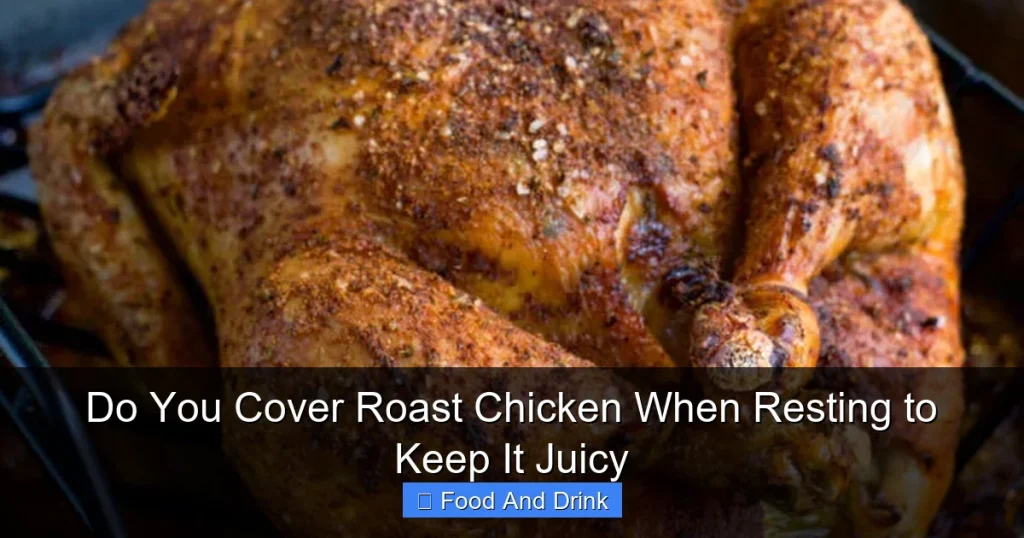

Resting roast chicken is essential for juicy, tender meat—but should you cover it? While many home cooks instinctively tent their bird with foil, the answer isn’t as simple as it seems. Covering can trap steam and soften the crispy skin, but it also helps retain heat. The key is balancing moisture, texture, and temperature for the perfect roast.
Key Takeaways
- Resting allows juices to redistribute: After roasting, chicken continues to cook slightly and juices settle back into the meat, preventing dryness when carved.
- Covering with foil traps steam: This can keep the chicken warm but may soften the crispy skin, which many diners prefer.
- Loose tenting preserves crispness: A light foil tent or parchment paper cover allows some airflow, maintaining skin texture while keeping the meat warm.
- Resting time matters: Let chicken rest for at least 15–20 minutes—longer for larger birds—to maximize juiciness.
- Internal temperature continues to rise: Chicken can increase by 5–10°F during resting, so remove it from the oven 5°F below target temp.
- Use a warm spot, not a hot one: Rest chicken on a cutting board in a draft-free area, not under a lamp or in a hot oven.
- Carving too soon leads to dry meat: Cutting into the chicken immediately releases precious juices, leaving the meat dry and less flavorful.
Quick Answers to Common Questions
Should I cover roast chicken with foil when resting?
It’s not necessary, and covering tightly can make the skin soggy. A loose foil tent is acceptable if you need to keep the chicken warm, but leaving it uncovered preserves crispiness.
How long should I let roast chicken rest?
Let it rest for at least 15–20 minutes. Larger birds may need up to 30 minutes to allow juices to redistribute and the internal temperature to stabilize.
Will covering chicken make it juicier?
Covering can help retain moisture, but it’s not the only factor. Proper resting—whether covered or not—is what keeps the meat juicy by allowing juices to reabsorb.
Can I rest chicken in the oven?
Yes, place it in a turned-off oven with the door slightly ajar to maintain gentle warmth without overcooking.
What’s the best way to keep roast chicken warm without ruining the skin?
Rest it uncovered on a warm cutting board for 15 minutes, then lightly tent with foil or a breathable towel if needed.
📑 Table of Contents
Do You Cover Roast Chicken When Resting to Keep It Juicy?
Roast chicken is one of the most beloved comfort foods around the world. Whether it’s a Sunday family dinner, a holiday feast, or a simple weeknight meal, a perfectly roasted chicken—golden, crispy, and juicy—never fails to impress. But even the most experienced home cooks often pause at one critical step: resting. And within that step lies a hotly debated question: *Do you cover roast chicken when resting?*
It seems like a small detail, but it can make a big difference in the final result. Some swear by wrapping the bird tightly in foil to lock in heat and moisture. Others insist that covering ruins the crispy skin they worked so hard to achieve. So, what’s the truth?
The answer lies in understanding what happens to chicken during the resting phase and how heat, moisture, and time interact to affect texture and flavor. Resting isn’t just a suggestion—it’s a crucial part of the cooking process that ensures your chicken stays juicy, tender, and delicious. But whether or not to cover it? That depends on your priorities: maximum juiciness, crispy skin, or a balance of both.
In this guide, we’ll dive deep into the science of resting roast chicken, explore the pros and cons of covering, and give you practical tips to get the best of both worlds. Whether you’re a beginner or a seasoned cook, you’ll walk away with the knowledge to roast a chicken that’s not only safe to eat but absolutely irresistible.
The Science Behind Resting Roast Chicken
Visual guide about Do You Cover Roast Chicken When Resting to Keep It Juicy
Image source: stellanspice.com
When you pull a roast chicken out of the oven, it’s not quite done cooking—at least not in the way most people think. The internal temperature continues to rise due to residual heat, a phenomenon known as “carryover cooking.” This means that even though the oven is off, the heat from the outer layers of the bird slowly moves inward, raising the overall temperature by 5 to 10°F.
This is why chefs recommend removing chicken from the oven when it’s still a few degrees below the target temperature. For example, if you’re aiming for 165°F (the USDA-recommended safe internal temperature for poultry), you should take the chicken out when it reaches about 160°F. During the resting period, it will climb the final few degrees, ensuring it’s safe to eat without overcooking.
But carryover cooking is only part of the story. The real magic of resting happens at the cellular level. As chicken cooks, the muscle fibers contract and push out moisture. This is why you often see juices pooling in the roasting pan. When you let the chicken rest, those fibers begin to relax, allowing the juices—rich in flavor and moisture—to redistribute throughout the meat.
If you carve the chicken immediately, those juices will spill out onto the cutting board, leaving the meat dry and less flavorful. But with a proper rest, the juices have time to reabsorb, resulting in a moist, tender bite every time.
Resting also allows the skin to set. While it might seem counterintuitive, a short rest helps the crispy skin maintain its texture. If you slice into the chicken too soon, the steam trapped inside can make the skin soggy. A brief rest lets some of that steam escape gradually, preserving that satisfying crunch.
How Long Should You Rest Roast Chicken?
The ideal resting time depends on the size of the bird. A whole chicken typically weighs between 3.5 and 5 pounds, and it needs at least 15 to 20 minutes to rest properly. Larger birds, like a 6- or 7-pound roaster, may need up to 30 minutes. This gives enough time for the internal temperature to stabilize and the juices to settle.
Keep in mind that resting doesn’t mean the chicken has to sit at room temperature the entire time. In fact, you can speed up the process slightly by placing the chicken on a warm cutting board or platter. Some chefs even rest their chicken in a turned-off oven with the door slightly ajar to maintain a gentle, even warmth.
But don’t overdo it. Resting for too long—especially in a warm environment—can dry out the meat. The goal is to keep the chicken warm enough to stay safe and juicy, but not so hot that it continues cooking aggressively.
To Cover or Not to Cover: The Great Debate
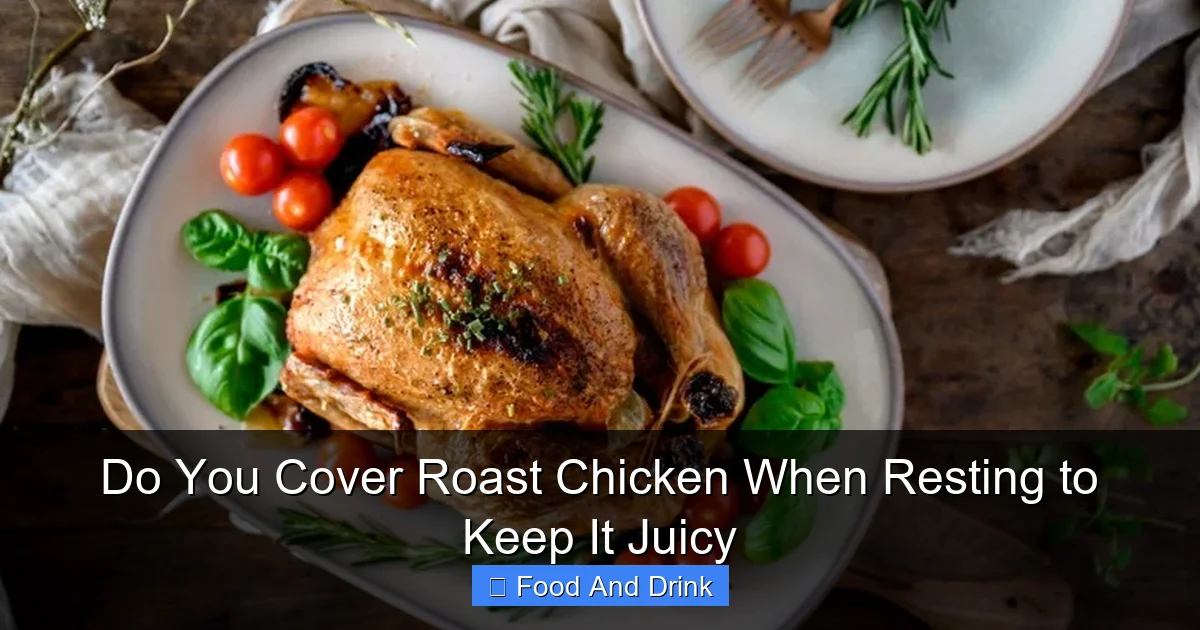
Visual guide about Do You Cover Roast Chicken When Resting to Keep It Juicy
Image source: tastingtable.com
Now we come to the heart of the matter: should you cover roast chicken when resting? This question divides cooks into two camps—those who cover and those who don’t—and both have valid reasons for their approach.
Let’s break it down.
The Case for Covering
Many home cooks instinctively reach for aluminum foil the moment the chicken comes out of the oven. The logic is sound: covering traps heat, keeping the chicken warm and preventing it from cooling too quickly. This is especially important if you’re serving the meal later or if the chicken needs to sit for a while before carving.
Covering also helps retain moisture. By creating a sealed environment, foil reduces evaporation, which can help keep the surface of the chicken from drying out. This is particularly useful for leaner cuts like the breast, which are more prone to drying during the resting period.
Some chefs even recommend basting the chicken with pan juices before covering, adding an extra layer of flavor and moisture. The trapped steam from the hot bird and the juices can create a gentle, humid environment that keeps the meat succulent.
For those prioritizing juiciness above all else—especially in dry climates or during winter months—covering with foil can be a smart move.
The Case Against Covering
On the flip side, many culinary experts argue that covering roast chicken is a mistake. The main reason? It softens the skin.
One of the joys of a perfectly roasted chicken is the contrast between the crispy, golden-brown skin and the tender, juicy meat beneath. But when you cover the chicken with foil, you trap steam. That steam condenses on the skin, turning it from crispy to soggy in a matter of minutes.
This is especially true if the chicken is still very hot when covered. The intense heat generates a lot of steam, and without airflow, that moisture has nowhere to go. The result? A once-crispy skin that’s now limp and unappetizing.
Professional chefs often leave roast chicken uncovered during resting to preserve that coveted texture. They argue that a slightly cooler bird with crispy skin is far more enjoyable than a warm one with soggy skin.
Finding a Middle Ground
So, who’s right? The truth is, both approaches have merit—it just depends on what you value most in your roast chicken.
If you’re serving the chicken immediately and want to keep it as warm as possible, a light foil tent might be acceptable. But if you’re aiming for that perfect crispy skin, it’s better to leave the chicken uncovered.
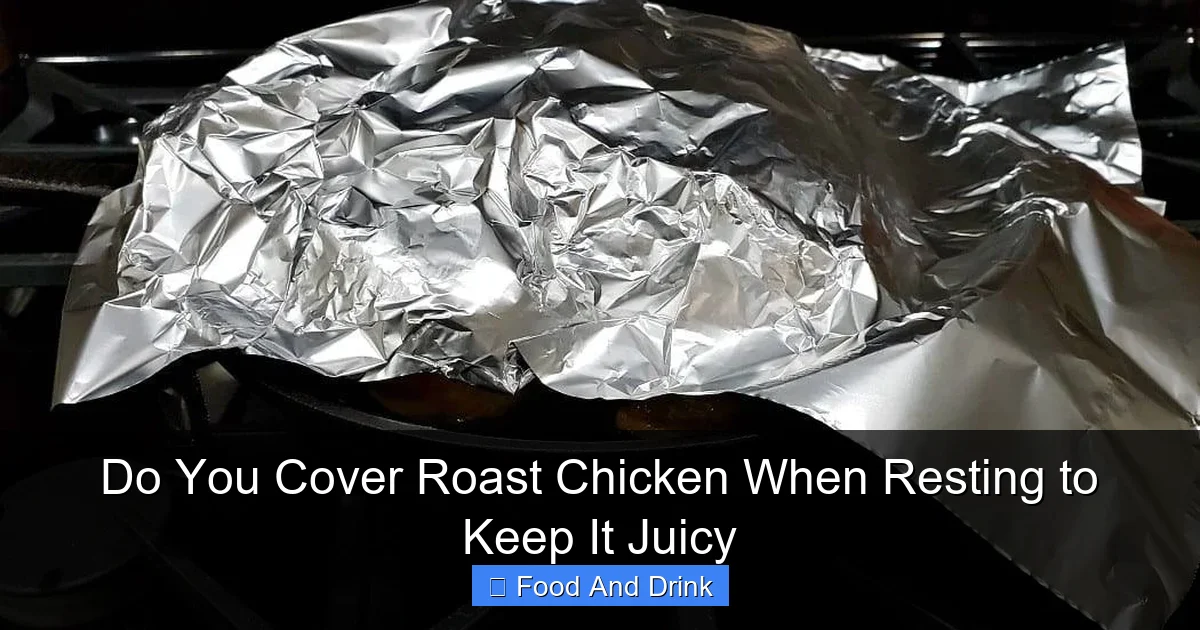
A great compromise is to use a loose tent. Instead of wrapping the chicken tightly in foil, drape it loosely over the bird, leaving space for steam to escape. This allows some heat retention without trapping too much moisture. You can also use parchment paper or a clean kitchen towel instead of foil, which are more breathable and less likely to steam the skin.
Another option is to rest the chicken uncovered for the first 10 minutes—long enough for the skin to set and the juices to redistribute—then cover it lightly if you need to keep it warm for a longer period.
Best Practices for Resting Roast Chicken
Visual guide about Do You Cover Roast Chicken When Resting to Keep It Juicy
Image source: zonacooks.com
Now that we’ve explored the science and the debate, let’s talk about how to rest your roast chicken like a pro. These best practices will help you achieve juicy meat and crispy skin, no matter your preference for covering.
1. Let It Rest on a Cutting Board
Place your roasted chicken on a clean, sturdy cutting board. A wooden or bamboo board is ideal because it absorbs some of the juices and prevents the chicken from sliding around. Avoid placing it directly on a cold surface, like a marble countertop, as this can draw heat away too quickly.
If you’re concerned about mess, place a wire rack on the cutting board. This elevates the chicken slightly, allowing air to circulate underneath and preventing the bottom from becoming soggy.
2. Tent Lightly if Needed
As mentioned earlier, a loose foil tent can be a good compromise. Use a large piece of foil and drape it over the chicken like a tent, leaving the sides open for airflow. This keeps the top warm without sealing in steam.
Alternatively, use a clean kitchen towel. Cotton towels are breathable and can help retain heat while allowing moisture to escape. Just make sure the towel is clean and dry—wet or dirty towels can transfer odors or bacteria.
3. Keep It in a Warm Spot
Rest your chicken in a draft-free area of your kitchen. Avoid placing it near open windows, air vents, or cold surfaces. If your kitchen is chilly, consider turning on the oven to its lowest setting (around 170°F) and placing the chicken inside with the door slightly ajar. This creates a gentle, even warmth without overcooking the bird.
4. Don’t Carve Too Soon
Patience is key. Resist the urge to carve the chicken the moment it comes out of the oven. Give it at least 15 minutes—longer for larger birds. Use this time to prepare sides, set the table, or make a pan sauce from the drippings.
When you’re ready to carve, use a sharp knife and start with the legs and wings, which are easier to remove. Then slice the breast meat against the grain for maximum tenderness.
5. Save the Juices
Don’t discard the juices that collect on the cutting board! These are liquid gold—packed with flavor and moisture. Use them to baste the chicken as you carve, or stir them into gravy or pan sauce. A little goes a long way in boosting flavor.
Common Mistakes to Avoid
Even experienced cooks can make mistakes when it comes to resting roast chicken. Here are a few common pitfalls to watch out for:
Carving Immediately
This is the number one mistake. Cutting into the chicken too soon releases all the juices, leaving the meat dry. Always let it rest—no exceptions.
Over-Covering
Wrapping the chicken tightly in foil or plastic wrap traps too much steam, leading to soggy skin. If you must cover, do so loosely and only for a short time.
Resting in a Cold Environment
If your kitchen is cold, the chicken will cool down too quickly, which can affect texture and safety. Keep it in a warm, draft-free spot.
Ignoring Carryover Cooking
Pulling the chicken out of the oven at the target temperature can lead to overcooking. Always remove it 5°F below the desired temp and let it rest.
Using a Cold Platter
Placing a hot chicken on a cold platter can cause the skin to steam and soften. Use a warm platter or cutting board instead.
Tips for the Perfect Roast Chicken
Beyond resting, there are several steps you can take to ensure your roast chicken is juicy, flavorful, and crispy from the start.
Brining for Moisture
Brining—soaking the chicken in a saltwater solution—is one of the best ways to guarantee juicy meat. The salt helps the proteins retain moisture, so even if the chicken cooks a bit longer than intended, it won’t dry out. You can use a wet brine (submerging the bird in liquid) or a dry brine (rubbing salt directly on the skin).
Patting the Skin Dry
Before roasting, make sure the skin is completely dry. Use paper towels to pat it down thoroughly. Moisture on the skin prevents browning and crispiness, so this step is essential.
Seasoning Under the Skin
For maximum flavor, gently loosen the skin from the breast and thighs and rub seasoning—like salt, pepper, garlic powder, or herbs—directly onto the meat. This ensures the seasoning penetrates deeply and enhances every bite.
Roasting at High Heat
Start roasting at a high temperature (425°F to 450°F) to crisp the skin, then reduce the heat (350°F to 375°F) to cook the meat through evenly. This two-stage method gives you the best of both worlds: crispy skin and tender meat.
Using a Meat Thermometer
Never guess when your chicken is done. Use a reliable meat thermometer to check the internal temperature. Insert it into the thickest part of the thigh, avoiding the bone. The safe temperature is 165°F, but remember to account for carryover cooking.
Conclusion
So, do you cover roast chicken when resting? The short answer is: it depends. If your priority is keeping the chicken warm and maximizing juiciness, a light foil tent can be helpful—but be prepared for softer skin. If you crave that perfect crispy skin, leave the chicken uncovered and let it rest openly.
The best approach is often a balanced one: rest the chicken uncovered for the first 10–15 minutes to preserve crispness, then cover it lightly if needed to keep it warm. Use a warm cutting board, avoid cold surfaces, and never carve too soon.
Resting is not just a step—it’s a secret weapon for juicy, flavorful roast chicken. By understanding the science and making informed choices, you can elevate your roast from good to unforgettable. Whether you’re cooking for a holiday feast or a quiet dinner at home, these tips will help you serve a chicken that’s tender, moist, and absolutely delicious.
So the next time you pull that golden bird out of the oven, take a deep breath, resist the urge to carve, and let it rest. Your patience will be rewarded with every juicy, flavorful bite.
Frequently Asked Questions
Does covering roast chicken make it dry?
No, covering doesn’t make it dry—in fact, it can help retain moisture. However, it may soften the skin due to trapped steam.
Can I rest chicken at room temperature?
Yes, as long as it’s in a draft-free area and not left out for more than 2 hours. For food safety, don’t let it sit at room temperature beyond that.
Should I baste the chicken while it rests?
Basting isn’t necessary during resting, but you can spoon pan juices over the chicken before covering to add flavor and moisture.
Is it safe to eat chicken that’s been resting uncovered?
Yes, as long as it reaches 165°F internally and isn’t left at room temperature for more than 2 hours, it’s perfectly safe.
Can I refrigerate roast chicken immediately after roasting?
It’s better to let it rest first. Refrigerating too soon can cause the meat to dry out. Rest, then cool and refrigerate within 2 hours.
What if my chicken skin is already soggy?
If the skin softened during resting, you can crisp it up by placing the chicken under the broiler for 2–3 minutes before serving.