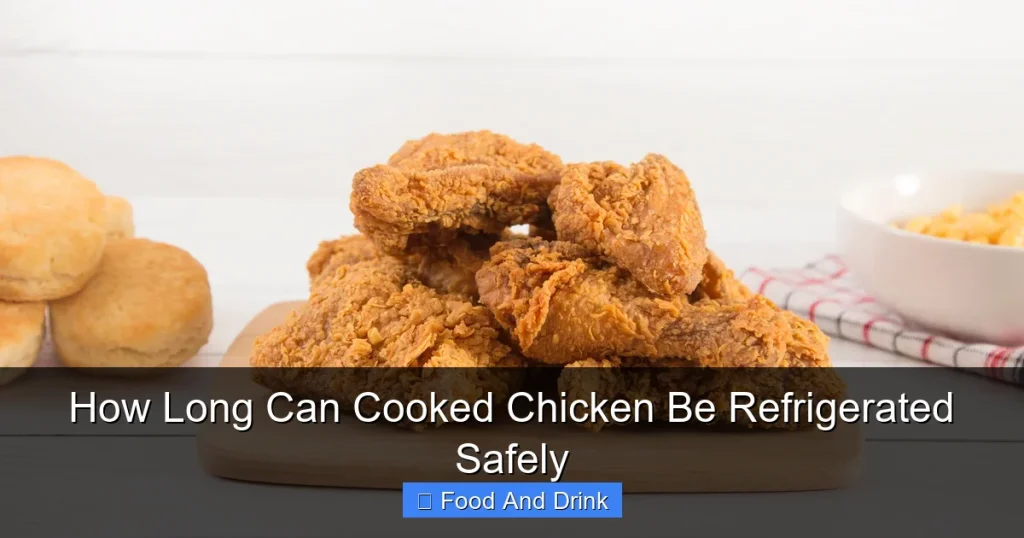

Wondering how long cooked chicken can be refrigerated? The short answer: up to 3–4 days when stored properly at or below 40°F (4°C). Going beyond this window increases the risk of foodborne illness, even if the chicken looks and smells fine.
You’ve just made a big batch of roasted chicken, grilled thighs, or shredded chicken for tacos—and now you’re wondering, “How long can cooked chicken be refrigerated safely?” It’s a question that hits home for meal preppers, busy parents, and anyone who loves leftovers. After all, wasting good food feels terrible, but eating spoiled chicken can make you seriously sick.
The good news? With the right storage practices, you can enjoy your cooked chicken safely for several days. The key is understanding how bacteria grow, how temperature affects food safety, and what signs to look for when deciding whether that leftover drumstick is still good. In this guide, we’ll walk you through everything you need to know about refrigerating cooked chicken—from storage methods to reheating tips and how to tell when it’s time to say goodbye.
Key Takeaways
- Cooked chicken lasts 3–4 days in the fridge: Always store it within 2 hours of cooking to prevent bacterial growth.
- Use airtight containers or resealable bags: Proper packaging reduces exposure to air and moisture, slowing spoilage.
- Keep your fridge at or below 40°F (4°C): A colder fridge slows down bacteria like Salmonella and Listeria.
- Freezing extends shelf life to 4 months: For longer storage, freeze cooked chicken in portion-sized portions.
- Reheat to 165°F (74°C) before eating: This ensures any potential bacteria are destroyed during reheating.
- Look for signs of spoilage: Slimy texture, sour smell, or grayish-green color mean it’s time to toss it.
- Label and date your leftovers: This helps you track how long it’s been in the fridge and avoid guesswork.
Quick Answers to Common Questions
Can I eat cooked chicken after 5 days in the fridge?
It’s not recommended. Cooked chicken should be eaten within 3–4 days for safety. After 5 days, bacteria may have grown to dangerous levels, even if it looks fine.
Can I freeze cooked chicken that’s been in the fridge for 3 days?
Yes, you can freeze it, but do so as soon as possible. Freezing stops bacterial growth but doesn’t reverse spoilage that’s already started.
Is it safe to reheat cooked chicken more than once?
It’s best to avoid reheating chicken more than once. Each cooling and reheating cycle increases the risk of bacterial growth.
Can I store cooked chicken in the same container as raw chicken?
No. Always use separate containers to prevent cross-contamination. Raw chicken juices can contain harmful bacteria.
How can I tell if frozen cooked chicken has gone bad?
Look for ice crystals, freezer burn (grayish, dry spots), or an off smell after thawing. If it smells sour or feels slimy, throw it out.
📑 Table of Contents
How Long Can Cooked Chicken Be Refrigerated Safely?
The general rule from food safety experts, including the U.S. Department of Agriculture (USDA), is that cooked chicken can be safely refrigerated for **3 to 4 days**. This timeframe assumes that the chicken was stored properly—meaning it was cooled quickly and placed in the refrigerator within two hours of cooking.
Why two hours? Bacteria like *Salmonella*, *E. coli*, and *Listeria* thrive in the “danger zone” between 40°F and 140°F (4°C to 60°C). When hot food sits out at room temperature, it passes through this zone rapidly, giving bacteria a chance to multiply. By refrigerating cooked chicken within two hours (or one hour if the room temperature is above 90°F/32°C), you drastically reduce the risk of contamination.
It’s also important to note that this 3–4 day window starts from the moment the chicken finishes cooking—not when you put it in the fridge. So if you cook chicken on Sunday night and refrigerate it Monday morning, you’re already cutting into that safe window.
Factors That Affect How Long Cooked Chicken Lasts
Not all cooked chicken is created equal when it comes to shelf life. Several factors influence how long it will stay safe and tasty in the fridge:
– **How it was cooked:** Chicken cooked at high temperatures (like roasting or grilling) tends to last longer than slow-cooked or sous-vide chicken, which may retain more moisture and create a better environment for bacteria.
– **Storage method:** Chicken stored in airtight containers or sealed bags lasts longer than chicken left uncovered or in loosely wrapped foil.
– **Initial freshness:** If the raw chicken was close to its expiration date before cooking, the cooked version may spoil faster.
– **Cross-contamination:** Using the same cutting board or utensils for raw and cooked chicken can introduce bacteria, shortening its shelf life.
For example, imagine you grilled chicken breasts on Saturday and stored them in a glass container with a tight lid. You refrigerated them within an hour. That chicken is likely to stay good until Tuesday or Wednesday. But if you left the same chicken on the counter for three hours before refrigerating, you’ve already compromised its safety—even if it looks fine.
Proper Storage Techniques for Cooked Chicken
Visual guide about How Long Can Cooked Chicken Be Refrigerated Safely
Image source: cycookery.com
Storing cooked chicken correctly is just as important as cooking it safely. The goal is to keep it cold, dry, and protected from air and contaminants. Here’s how to do it right.
Use Airtight Containers or Resealable Bags
The best way to store cooked chicken is in airtight containers or heavy-duty resealable plastic bags. These prevent moisture loss (which can dry out the chicken) and block out odors from other foods in the fridge. Glass containers with snap-on lids are ideal because they’re non-porous and don’t absorb smells.
If you’re storing shredded or chopped chicken, portion it into smaller containers. This makes it easier to reheat only what you need and reduces the number of times the container is opened, which helps maintain a consistent temperature.
Cool Chicken Before Refrigerating
Never put hot chicken directly into the fridge. Doing so raises the internal temperature of your refrigerator, potentially putting other foods at risk. Instead, let the chicken cool to room temperature—but no longer than two hours.
To speed up cooling, you can:
– Spread chicken in a shallow container to increase surface area.
– Place the container in an ice bath (a larger bowl filled with ice water).
– Stir shredded chicken occasionally to release heat.
Once cooled, transfer it to the fridge promptly.
Label and Date Everything
It’s easy to forget when you cooked that chicken. A simple label with the date can save you from eating something that’s past its prime. Use a permanent marker on the container or a sticky note. Some people even use color-coded labels—green for fresh, yellow for 2–3 days old, red for expired.
This habit is especially helpful if you meal prep or cook in bulk. You’ll always know which container to use first and avoid waste.
Signs That Cooked Chicken Has Gone Bad
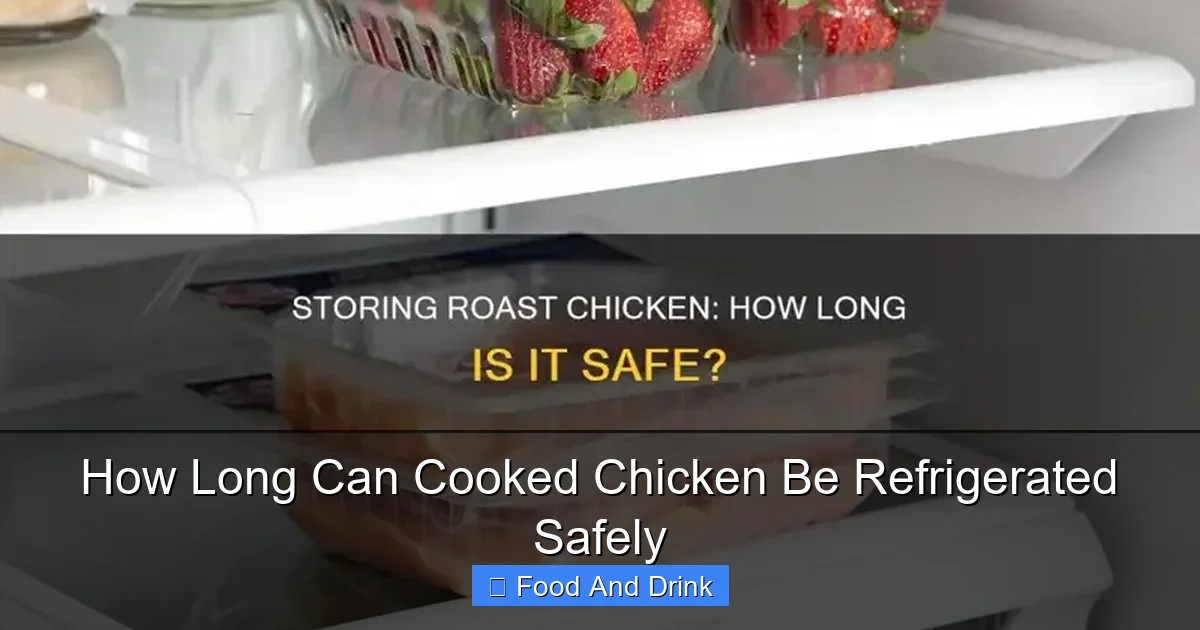
Visual guide about How Long Can Cooked Chicken Be Refrigerated Safely
Image source: shungrill.com
Even with perfect storage, cooked chicken won’t last forever. Knowing how to spot spoilage can prevent food poisoning. Here are the most common signs that your chicken is no longer safe to eat.
Unpleasant Smell
Fresh cooked chicken has a mild, neutral scent. If it starts to smell sour, sulfur-like, or just “off,” it’s a red flag. Trust your nose—if something smells weird, don’t taste it. Bacteria like *Listeria* and *Clostridium perfringens* can grow without changing the appearance of the food, but they often produce foul odors.
Slimy or Sticky Texture
When you touch cooked chicken, it should feel firm and slightly moist. If it feels slimy, sticky, or tacky—even after rinsing—it’s likely spoiled. This slime is caused by bacterial growth and is a clear sign to throw it out.
Discoloration
Cooked chicken should remain white, beige, or light brown, depending on how it was prepared. If you notice gray, green, or blue spots, especially around the edges, it’s time to discard it. These colors indicate mold or bacterial contamination.
Changes in Taste (Only if You’ve Already Eaten It)
We don’t recommend tasting questionable chicken—just throw it out if you’re unsure. But if you’ve already eaten a small amount and notice a bitter, sour, or metallic aftertaste, stop eating it immediately. These flavors are signs of spoilage.
Bubbles or Foam
If you see bubbles or foam forming on the surface of the chicken or in the container, it’s a sign of fermentation or bacterial activity. This is especially common in moist environments, like chicken stored in a sealed container with condensation.
Freezing Cooked Chicken for Longer Storage

Visual guide about How Long Can Cooked Chicken Be Refrigerated Safely
Image source: makeeover.net
If you know you won’t eat your cooked chicken within 3–4 days, freezing is your best bet. Frozen cooked chicken can last **up to 4 months** while maintaining good quality and safety.
How to Freeze Cooked Chicken Properly
– **Cool completely** before freezing to prevent ice crystals and freezer burn.
– **Portion it out**—freeze in meal-sized amounts so you only thaw what you need.
– **Use freezer-safe containers or bags**—remove as much air as possible to prevent freezer burn.
– **Label with the date**—this helps you rotate stock and use older items first.
You can freeze whole pieces, shredded chicken, or even chicken-based dishes like casseroles and soups. Just avoid freezing chicken that’s been heavily sauced with dairy (like creamy pasta sauces), as they may separate when thawed.
Thawing Frozen Cooked Chicken
The safest way to thaw frozen chicken is in the refrigerator. Place it in a container on a plate (to catch any drips) and let it thaw slowly overnight. This keeps the chicken out of the danger zone.
If you’re in a hurry, you can use the defrost setting on your microwave—but cook it immediately after, as some parts may begin to cook during thawing.
Never thaw chicken at room temperature, as this allows bacteria to grow rapidly.
Reheating Frozen Chicken
When reheating frozen cooked chicken, make sure it reaches an internal temperature of **165°F (74°C)**. Use a food thermometer to check. You can reheat it in the oven, microwave, or on the stovetop.
For best results:
– Add a splash of broth or water to prevent drying out.
– Cover with foil or a lid to retain moisture.
– Stir halfway through reheating if using a microwave.
Reheating Cooked Chicken Safely
Reheating doesn’t just make cold chicken warm—it also kills any bacteria that may have developed during storage. But reheating must be done correctly to be effective.
Safe Reheating Temperatures
The USDA recommends reheating all leftovers, including cooked chicken, to an internal temperature of **165°F (74°C)**. This temperature is high enough to destroy most harmful bacteria.
Use a food thermometer to check the thickest part of the chicken—avoid guessing based on color or texture.
Best Methods for Reheating
– **Oven:** Preheat to 350°F (175°C). Place chicken in a baking dish, add a little liquid, cover with foil, and heat for 20–30 minutes.
– **Stovetop:** Great for shredded or sliced chicken. Sauté in a pan with a bit of oil or broth over medium heat, stirring often.
– **Microwave:** Use a microwave-safe dish, cover with a damp paper towel, and heat in 30-second intervals, stirring in between.
Avoid reheating chicken more than once. Each time you cool and reheat, you increase the risk of bacterial growth.
Foods to Avoid Reheating
While most cooked chicken is safe to reheat, avoid reheating chicken that:
– Has been left out for more than 2 hours.
– Shows any signs of spoilage.
– Was previously reheated and then refrigerated.
When in doubt, throw it out. It’s better to waste a little food than risk food poisoning.
Common Myths About Storing Cooked Chicken
There are a lot of myths floating around about food safety—especially when it comes to leftovers. Let’s clear up a few common misconceptions.
Myth: If It Smells Fine, It’s Safe to Eat
False. Some harmful bacteria, like *Listeria*, don’t produce odors. Just because chicken smells okay doesn’t mean it’s safe. Always follow the 3–4 day rule and check for other signs of spoilage.
Myth: You Can Tell If Chicken Is Bad by Its Color
Not always. While discoloration can be a sign of spoilage, some safe chicken may darken slightly due to oxidation (like how an apple turns brown). Rely on a combination of smell, texture, and time.
Myth: Freezing Kills Bacteria
Freezing doesn’t kill bacteria—it just puts them in a dormant state. When you thaw the chicken, the bacteria can become active again. That’s why proper thawing and reheating are essential.
Myth: You Can Keep Chicken Longer If You Cook It Again
Reheating doesn’t reset the clock. Once chicken has been refrigerated for 4 days, it’s past its safe window—even if you cook it again. The bacteria may have already produced toxins that aren’t destroyed by heat.
Tips for Reducing Food Waste
Storing cooked chicken safely isn’t just about health—it’s also about reducing food waste. Here are some practical tips to make the most of your leftovers.
Plan Meals Around Leftovers
Cook a whole chicken on Sunday and use it throughout the week:
– Monday: Chicken salad sandwiches
– Tuesday: Chicken tacos
– Wednesday: Chicken soup or stir-fry
This way, you’re less likely to forget about it in the back of the fridge.
Use the “First In, First Out” Rule
When storing new cooked chicken, place it behind older containers. This ensures you use the oldest items first and avoid letting anything expire.
Repurpose Into New Dishes
Don’t let chicken go to waste just because you’re tired of the same meal. Turn leftover roasted chicken into:
– Chicken pot pie
– Enchiladas
– Chicken and rice casserole
– Salads with vinaigrette
A little creativity can turn leftovers into something exciting.
Compost If Necessary
If chicken does go bad, don’t just throw it in the trash. Consider composting it (if you have a compost bin that accepts meat) to reduce landfill waste.
Conclusion
So, how long can cooked chicken be refrigerated safely? The answer is clear: **3 to 4 days** when stored properly in the refrigerator at or below 40°F (4°C). Beyond that, the risk of foodborne illness increases, even if the chicken looks and smells normal.
By following best practices—cooling quickly, using airtight containers, labeling with dates, and reheating to 165°F—you can enjoy your cooked chicken safely and deliciously. And if you know you won’t eat it in time, freezing is a great option for up to 4 months.
Remember, food safety isn’t about being paranoid—it’s about being smart. A little attention to storage and reheating can save you from a nasty stomach bug and help you make the most of your meals. So the next time you cook chicken, store it right, eat it within the safe window, and enjoy every bite with confidence.
Frequently Asked Questions
How long can cooked chicken sit out before it goes bad?
Cooked chicken should not sit out for more than 2 hours at room temperature. If the room is above 90°F (32°C), limit it to 1 hour. Bacteria grow rapidly in the danger zone.
Can I refrigerate chicken immediately after cooking?
It’s better to let it cool for about 30–60 minutes first. Placing hot food in the fridge can raise the internal temperature and affect other foods. Just don’t let it sit out longer than 2 hours.
Is it safe to eat cold cooked chicken?
Yes, as long as it’s been stored properly and is within the 3–4 day window. Cold cooked chicken is safe to eat directly from the fridge, though some people prefer to reheat it.
Can I store cooked chicken in aluminum foil?
You can, but it’s not ideal for long-term storage. Foil doesn’t seal tightly and can allow air in. Use airtight containers or resealable bags for better protection.
Does marinating affect how long cooked chicken lasts?
Marinating itself doesn’t shorten shelf life, but if the marinade contained raw chicken juices, it can introduce bacteria. Always discard used marinade or boil it before reuse.
Can I store chicken soup or stew with cooked chicken longer?
Soups and stews with cooked chicken also last 3–4 days in the fridge. However, dairy-based soups may spoil faster. Always check for sour smells or separation before eating.