



Roasting chicken in advance is a smart, time-saving strategy for busy home cooks. With proper cooking, cooling, and storage techniques, you can enjoy tender, flavorful chicken for meals throughout the week—without sacrificing taste or safety.
If you’ve ever stood over a hot stove on a Tuesday night, staring into the fridge and wondering what to make for dinner, you’re not alone. Between work, family, and life’s endless to-do lists, cooking a full meal from scratch every day can feel overwhelming. That’s where meal prep comes in—and one of the most effective, delicious ways to get ahead is by roasting chicken in advance.
Roasting a whole chicken (or even just chicken breasts and thighs) ahead of time isn’t just convenient—it’s a game-changer. Not only does it save you precious minutes during the week, but it also gives you a versatile protein base for countless meals. Imagine having tender, golden-brown chicken ready to toss into a salad, shred for tacos, or slice over a bed of quinoa. With a little planning, you can turn one roast chicken into three or four different dinners.
But here’s the real question: *Can you actually roast chicken in advance without it turning dry, rubbery, or unsafe to eat?* The short answer is yes—absolutely. The long answer involves a few key steps to ensure your chicken stays juicy, flavorful, and safe to eat for days (or even weeks, if frozen). In this guide, we’ll walk you through everything you need to know about roasting chicken ahead of time, from cooking techniques to storage tips and reheating methods that bring back that fresh-out-of-the-oven taste.
Key Takeaways
- Yes, you can roast chicken in advance: It’s safe and practical when done correctly, saving you time during the week.
- Cool and store properly: Let the chicken cool completely before refrigerating or freezing to prevent bacterial growth.
- Use airtight containers or freezer bags: This helps maintain moisture and prevents freezer burn or odor absorption.
- Reheat gently to preserve juiciness: Use the oven, stovetop, or microwave with added moisture to avoid drying out the meat.
- Plan meals around roasted chicken: Use it in salads, sandwiches, soups, or grain bowls for quick, healthy dinners.
- Freeze for longer storage: Cooked chicken can be frozen for up to 4 months without losing quality.
- Label and date everything: This ensures you use it while fresh and avoid food waste.
Quick Answers to Common Questions
Can you roast chicken in advance and eat it cold?
Yes, roasted chicken can be eaten cold and is delicious in salads, sandwiches, or wraps. Just make sure it’s stored properly in the fridge and consumed within 3–4 days.
How long does roasted chicken last in the fridge?
Cooked roasted chicken can be safely stored in the refrigerator for 3 to 4 days when kept in an airtight container.
Can you freeze roasted chicken?
Absolutely. Roasted chicken freezes well for up to 4 months. Use airtight containers or freezer bags, and label with the date.
Is it safe to reheat roasted chicken?
Yes, as long as it’s reheated to an internal temperature of 165°F (74°C). Use gentle heat and add moisture to prevent drying out.
Can you reheat roasted chicken more than once?
It’s best to reheat only the portion you plan to eat. Repeated reheating can dry out the meat and increase the risk of bacterial growth.
📑 Table of Contents
Why Roasting Chicken in Advance Makes Sense
Let’s be honest—cooking a whole chicken takes time. Preheating the oven, roasting for 60 to 90 minutes, and then letting it rest adds up. But when you do it on a Sunday afternoon, that same chicken can power your meals for the entire week. That’s the beauty of advance roasting: it turns a weekend task into weekday convenience.
One of the biggest advantages is consistency. When you roast chicken in advance, you’re not guessing how long to cook it each time. You’ve already nailed the timing, the seasoning, and the internal temperature. That means no more undercooked thighs or dry breasts. Plus, you’re less likely to reach for takeout when you have a ready-to-eat protein waiting in the fridge.
Another benefit is flavor development. Roasted chicken actually tastes better after it’s had time to rest and absorb its own juices. The meat becomes more tender, and the skin—if you’ve crisped it properly—can be re-crisped when reheated. And let’s not forget the savings: buying a whole chicken is often cheaper than pre-cooked options, and you get more meat per dollar.
But perhaps the most compelling reason to roast chicken in advance is flexibility. That one roast can become:
– Shredded chicken for enchiladas or chicken salad
– Sliced chicken for sandwiches or wraps
– Diced chicken for stir-fries or pasta dishes
– Bone broth (using the carcass) for soups and stews
In short, roasting chicken ahead of time isn’t just about convenience—it’s about creating a foundation for healthy, homemade meals with minimal effort.
How to Roast Chicken for Advance Preparation
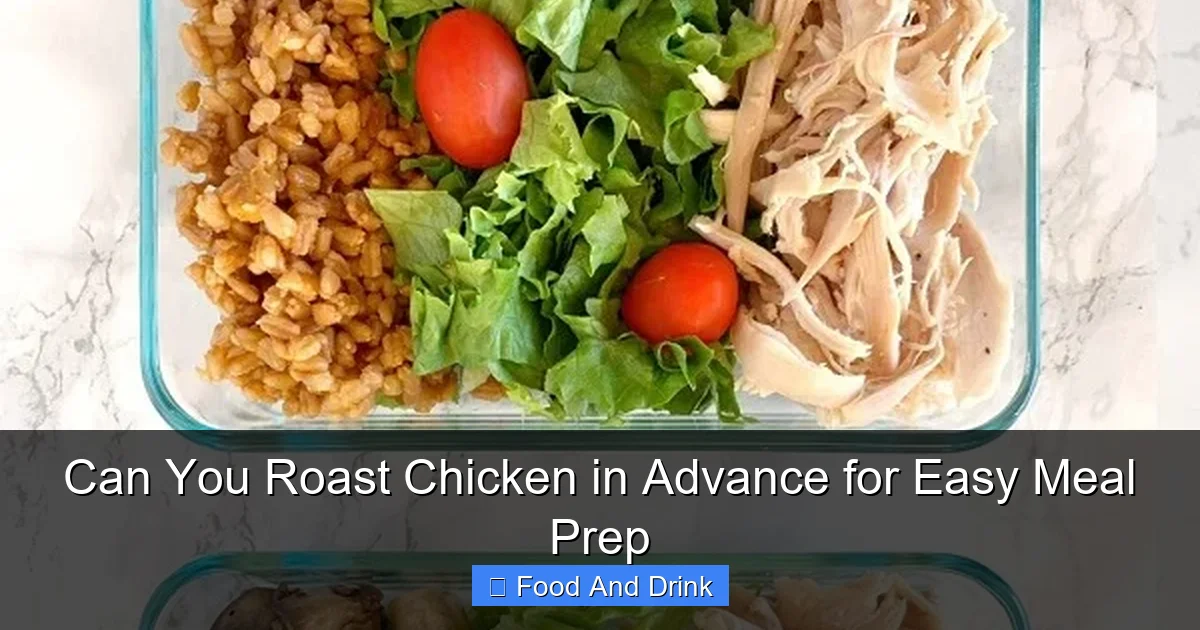
Visual guide about Can You Roast Chicken in Advance for Easy Meal Prep
Image source: theoregondietitian.com
The key to successful advance roasting starts with how you cook the chicken in the first place. You want it to be flavorful, juicy, and safe to store—without overcooking it, which can lead to dryness when reheated.
Choose the Right Cut
You can roast a whole chicken, or focus on specific parts like breasts, thighs, or drumsticks. Each has its pros and cons for meal prep:
– **Whole chicken:** Great for variety—you get dark and white meat, plus bones for broth. Ideal if you want to use different parts in different meals.
– **Chicken breasts:** Lean and quick-cooking, but prone to drying out. Best brined or marinated before roasting.
– **Thighs and drumsticks:** Dark meat stays juicier and more flavorful, even after refrigeration. A favorite for meal prep.
For most home cooks, a whole chicken or a mix of thighs and breasts offers the best balance of flavor, texture, and versatility.
Season Generously
Don’t skimp on seasoning. Since the chicken will be eaten cold or reheated, it needs bold flavors to shine. A simple rub of salt, pepper, garlic powder, paprika, and herbs like thyme or rosemary works wonders. For extra flavor, try a dry brine: sprinkle salt on the chicken 12 to 24 hours before roasting and let it sit uncovered in the fridge. This draws out moisture, then reabsorbs it, seasoning the meat deeply and keeping it juicy.
You can also stuff the cavity with aromatics like lemon halves, garlic cloves, and fresh herbs. These infuse the meat with subtle flavor as it roasts.
Roast to the Right Temperature
The USDA recommends cooking chicken to an internal temperature of 165°F (74°C). However, for advance roasting, many chefs recommend pulling the chicken at 160°F (71°C), then letting it rest. The temperature will continue to rise to 165°F during resting, and this prevents overcooking.
Use a meat thermometer to check the thickest part of the thigh (without touching the bone) and the breast. Overcooked chicken becomes dry and tough—especially after refrigeration and reheating.
Let It Rest Before Storing
This step is crucial. After roasting, let the chicken rest for at least 20 to 30 minutes. This allows the juices to redistribute throughout the meat. If you carve it too soon, those juices will spill out, leaving the meat dry.
Once rested, you can carve the chicken into pieces or store it whole. Carving makes it easier to portion and reheat later, but storing it whole can help retain moisture if you’re planning to use it within a day or two.
Storing Roasted Chicken Safely
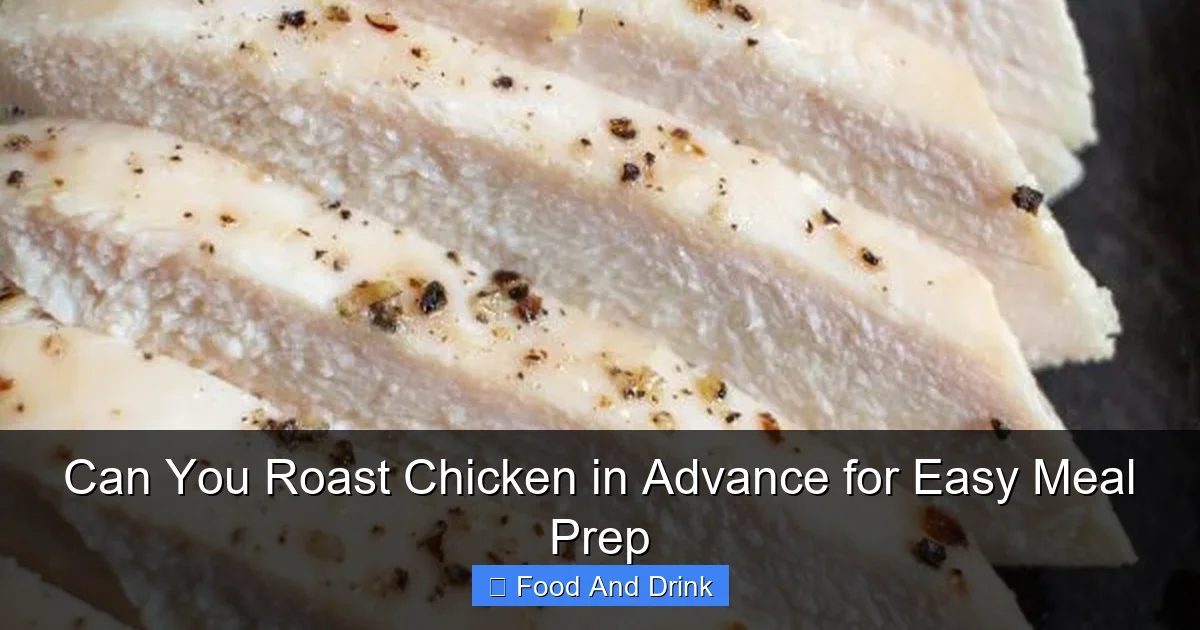
Visual guide about Can You Roast Chicken in Advance for Easy Meal Prep
Image source: thekittchen.com
Proper storage is what separates great meal prep from a food safety disaster. The goal is to keep the chicken cold, dry, and protected from contamination.
Cool It Quickly
After roasting and resting, don’t leave the chicken sitting out. Bacteria grow rapidly between 40°F and 140°F (the “danger zone”). To cool it safely:
– Carve the chicken and place pieces in a shallow container.
– Cover loosely and refrigerate within 2 hours of cooking.
– For faster cooling, you can place the container in an ice bath (a larger bowl filled with ice water) for 10–15 minutes before refrigerating.
Never refrigerate a hot chicken—it can raise the temperature of your fridge and risk spoiling other foods.
Use Airtight Containers
Store the chicken in airtight containers or heavy-duty freezer bags. Squeeze out as much air as possible to prevent freezer burn if freezing. For best results, place chicken pieces in a single layer to ensure even cooling and reheating.
If you’re storing different cuts separately (e.g., breasts in one container, thighs in another), label them clearly. This makes it easier to grab what you need without rummaging through the fridge.
Refrigerate or Freeze?
– **Refrigeration:** Cooked chicken can be stored in the fridge for 3 to 4 days. This is ideal if you plan to use it within the week.
– **Freezing:** For longer storage, freeze the chicken. It will stay good for up to 4 months. Beyond that, quality may decline, though it’s still safe to eat if properly stored.
When freezing, consider portioning the chicken into meal-sized amounts. For example, freeze 2 cups of shredded chicken in a bag for tacos, or individual breast halves for quick dinners.
Reheating Roasted Chicken Without Drying It Out
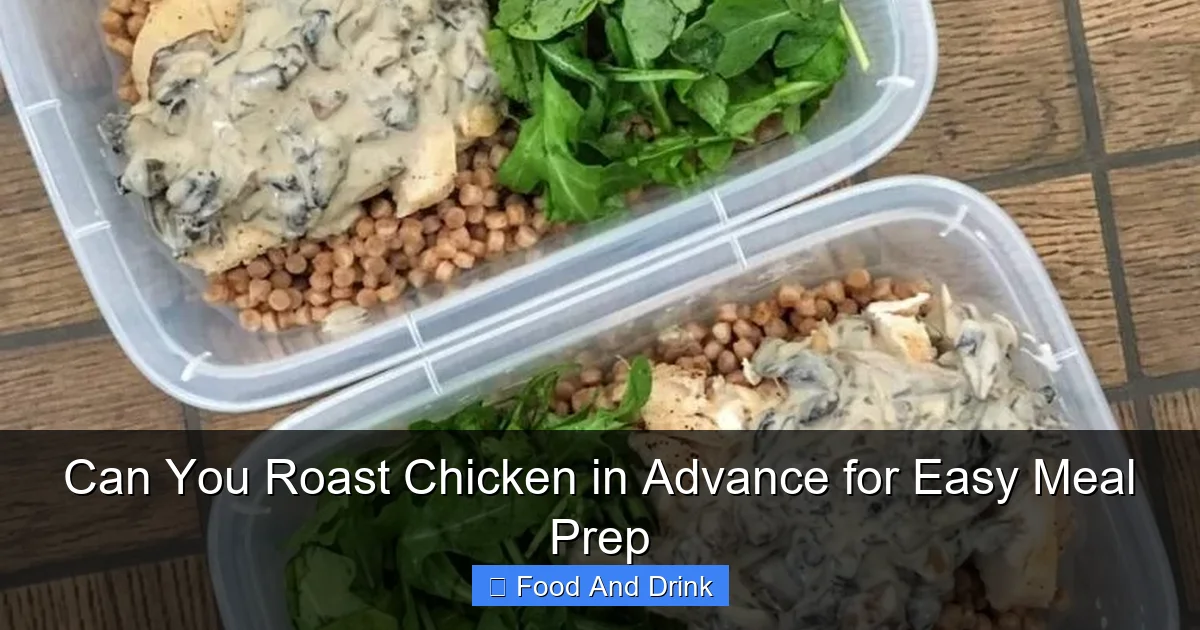
Visual guide about Can You Roast Chicken in Advance for Easy Meal Prep
Image source: mealpreponfleek.com
This is where many people go wrong. Reheating chicken can easily turn it dry and rubbery—especially if you use high heat or the microwave without care. But with the right techniques, you can bring back that juicy, tender texture.
Oven Method (Best for Crispy Skin)
Preheat your oven to 325°F (165°C). Place the chicken in a baking dish and add a splash of broth, water, or chicken stock to the bottom of the dish. Cover with foil to trap steam. Reheat for 15–20 minutes, or until the internal temperature reaches 165°F.
For crispy skin, remove the foil during the last 5 minutes and increase the heat to 400°F (200°C). This will re-crisp the skin without overcooking the meat.
Stovetop Method (Great for Shredded Chicken)
Heat a skillet over medium-low heat. Add a tablespoon of oil or butter, then add the chicken. Pour in a few tablespoons of broth or water, cover, and let it steam for 5–7 minutes. This method works especially well for shredded chicken that you plan to use in soups, tacos, or salads.
Microwave Method (Fast but Tricky)
If you’re short on time, the microwave can work—but use it wisely. Place the chicken on a microwave-safe plate and add a tablespoon of water or broth. Cover with a damp paper towel to create steam. Heat in 30-second intervals, checking frequently to avoid overcooking.
To prevent hot spots, stir or rearrange the pieces between intervals. This method is best for small portions or when you’re adding the chicken to another dish (like a casserole or stir-fry).
Air Fryer Method (For Extra Crispiness)
If you have an air fryer, it’s a fantastic way to reheat chicken while restoring crispness. Preheat the air fryer to 350°F (175°C). Place the chicken in the basket in a single layer and cook for 3–5 minutes, flipping halfway through. Keep a close eye—it can go from crispy to burnt quickly.
Meal Ideas Using Pre-Roasted Chicken
One of the best parts about roasting chicken in advance is how many meals you can create from it. Here are some delicious, easy ideas to get you started:
Chicken Salad
Shred the chicken and mix it with Greek yogurt, celery, red onion, grapes, and chopped walnuts. Season with salt, pepper, and a squeeze of lemon. Serve on croissants, in lettuce wraps, or over greens.
Chicken Tacos
Warm shredded chicken in a skillet with taco seasoning and a splash of broth. Serve in soft tortillas with avocado, salsa, and shredded cheese.
Chicken and Rice Bowls
Layer cooked rice with sliced chicken, steamed broccoli, and a drizzle of teriyaki or tahini sauce. Add a fried egg on top for extra protein.
Chicken Soup
Simmer shredded chicken with carrots, celery, onion, and broth. Add noodles or rice and fresh herbs. Perfect for cold days or when you’re feeling under the weather.
Chicken Caesar Salad
Slice the chicken and toss with romaine lettuce, Parmesan cheese, croutons, and Caesar dressing. A quick, satisfying lunch.
Chicken Quesadillas
Layer shredded chicken, cheese, and sautéed peppers between two tortillas. Cook in a skillet until golden and melty. Serve with sour cream and guacamole.
Chicken Stir-Fry
Heat oil in a wok or large skillet. Add sliced chicken, bell peppers, snap peas, and broccoli. Stir in soy sauce, garlic, and ginger. Serve over rice or noodles.
The possibilities are endless—and all start with that one roast chicken you made on Sunday.
Common Mistakes to Avoid
Even with the best intentions, it’s easy to make mistakes when roasting and storing chicken in advance. Here are a few to watch out for:
Overcooking the Chicken
Cooking chicken to 180°F instead of 165°F might seem safer, but it leads to dry, tough meat—especially after reheating. Stick to the recommended temperature and use a thermometer.
Storing While Still Warm
Putting hot chicken in the fridge can raise the internal temperature and promote bacterial growth. Always let it cool to room temperature first—but don’t leave it out for more than 2 hours.
Using the Wrong Containers
Plastic containers can absorb odors, and thin bags can tear in the freezer. Invest in good-quality airtight containers or freezer-safe bags.
Not Labeling
It’s easy to forget what’s in the fridge after a few days. Label containers with the date and contents so you know what to use first.
Reheating at High Heat
Blasting chicken in a hot oven or microwave will dry it out. Always reheat gently and add moisture.
Freezing and Thawing Tips
If you’re planning to freeze your roasted chicken, a few extra steps can make a big difference in quality.
Freeze in Portions
Instead of freezing a whole chicken, divide it into meal-sized portions. This makes thawing faster and more convenient.
Use Freezer Bags with Air Removed
Place chicken in a freezer bag and use a straw to suck out the air before sealing. This minimizes freezer burn.
Thaw Safely
Never thaw chicken at room temperature. Instead, thaw it in the fridge overnight, or use the defrost setting on your microwave. For faster thawing, place the sealed bag in a bowl of cold water, changing the water every 30 minutes.
Once thawed, use the chicken within 1–2 days. Do not refreeze unless it’s been cooked again.
Conclusion
Roasting chicken in advance is one of the smartest, most practical things you can do for your weekly meal prep. It saves time, reduces stress, and gives you a delicious, protein-rich base for countless meals. With the right cooking, storage, and reheating techniques, your chicken will stay juicy, flavorful, and safe to eat for days—or even weeks.
Start simple: roast a whole chicken on Sunday, carve it, and store it properly. Then, throughout the week, turn it into tacos, salads, soups, and more. You’ll wonder how you ever lived without it.
So the next time you’re planning your meals, ask yourself: *Can I roast chicken in advance?* The answer is a resounding yes—and your future self will thank you.
Frequently Asked Questions
Can I roast chicken the night before and eat it cold?
Yes, you can roast chicken the night before and eat it cold the next day. It’s perfect for salads, sandwiches, or grain bowls. Just store it properly in the fridge.
Should I carve the chicken before storing it?
Carving before storage makes it easier to portion and reheat later. However, storing it whole can help retain moisture if you’re using it within a day or two.
Can I use leftover roasted chicken in soup?
Absolutely. Shredded roasted chicken adds great flavor and texture to soups and stews. Just add it during the last 10–15 minutes of cooking.
How do I keep roasted chicken from drying out when reheating?
Add a splash of broth or water, cover the dish, and reheat gently. Using the oven or stovetop with steam helps retain moisture better than the microwave.
Can I roast chicken in advance for a party or gathering?
Yes, roasting chicken in advance is ideal for parties. Prepare it a day ahead, store it properly, and reheat just before serving for juicy, flavorful results.
Is it better to freeze chicken breasts or a whole roasted chicken?
Freezing individual pieces like breasts or thighs is more convenient for meal prep. A whole chicken takes up more space and is harder to thaw evenly.


