

Absolutely—roasting chicken ahead of time is a smart, time-saving strategy for busy home cooks. With proper cooking, cooling, and reheating techniques, you can enjoy tender, flavorful chicken for meals throughout the week without sacrificing quality or safety.
Key Takeaways
- Yes, you can roast chicken ahead of time: It’s a great way to save time during the week and streamline meal prep.
- Proper cooling is essential: Cool the chicken within 2 hours of cooking to prevent bacterial growth and ensure food safety.
- Store correctly for best results: Refrigerate for up to 4 days or freeze for up to 3 months in airtight containers.
- Reheat gently to retain moisture: Use the oven, stovetop, or microwave with added moisture to keep the meat juicy.
- Use leftovers creatively: Shredded or sliced roasted chicken works in salads, soups, tacos, sandwiches, and casseroles.
- Season before storing: Full seasoning before roasting ensures deep flavor that holds up during storage and reheating.
- Plan your portions: Divide the chicken into meal-sized portions before storing to make reheating faster and easier.
Quick Answers to Common Questions
Can I eat roasted chicken cold?
Yes! Cold roasted chicken is safe and delicious. It’s perfect for salads, sandwiches, or snacking straight from the fridge.
How long does roasted chicken last in the fridge?
Properly stored, roasted chicken lasts up to 4 days in the refrigerator. Always check for odor or sliminess before eating.
Can I freeze roasted chicken?
Absolutely. Freeze it in airtight containers or freezer bags for up to 3 months. Thaw in the fridge before reheating.
Should I carve the chicken before storing?
It’s best to carve it before storing. Smaller pieces cool faster and reheat more evenly.
What’s the best way to reheat chicken without drying it out?
Use the oven with added liquid and a foil cover, or reheat on the stovetop with broth. Avoid high heat and long cooking times.
📑 Table of Contents
- Can You Roast Chicken Ahead of Time for Easy Meals?
- Why Roasting Chicken Ahead of Time Makes Sense
- How to Roast Chicken for Maximum Flavor and Storage Life
- Safe Storage: Keeping Your Roasted Chicken Fresh and Safe
- Reheating Roasted Chicken Without Drying It Out
- Creative Ways to Use Roasted Chicken Ahead of Time
- Common Mistakes to Avoid When Roasting Chicken Ahead of Time
- Final Thoughts: Make Roasting Ahead a Weekly Habit
Can You Roast Chicken Ahead of Time for Easy Meals?
Picture this: It’s Sunday evening, and instead of stressing over dinner plans for the week, you pull a perfectly roasted chicken from the fridge. The meat is tender, the skin is crisp (or close to it), and all you need to do is warm it up and pair it with a simple side. Sounds like a dream, right? Well, it’s not only possible—it’s one of the smartest meal prep moves you can make.
Roasting a whole chicken might seem like a weekend-only luxury, but with a little planning, it can become your weekday secret weapon. Whether you’re feeding a family, managing a busy schedule, or just trying to eat healthier without spending hours in the kitchen, roasting chicken ahead of time is a game-changer. The key is understanding how to cook it properly, store it safely, and reheat it so it tastes just as good—if not better—than when it first came out of the oven.
And here’s the best part: roasted chicken is incredibly versatile. You can eat it hot or cold, slice it for sandwiches, shred it for tacos, toss it into soups, or serve it over a salad. Once you master the art of ahead-of-time roasting, you’ll wonder how you ever lived without it.
Why Roasting Chicken Ahead of Time Makes Sense

Visual guide about Can You Roast Chicken Ahead of Time for Easy Meals
Image source: media.wbur.org
Let’s be honest—cooking a whole chicken from scratch every time you want a hearty meal is time-consuming. Between preheating the oven, roasting for over an hour, and letting it rest, you’re looking at a solid two-hour commitment. But when you roast chicken ahead of time, you spread that effort across multiple meals. That one roast can feed you for three to four days, depending on your household size.
Meal prepping with roasted chicken also reduces food waste. Instead of ordering takeout because you’re too tired to cook, you’ve got a protein-rich base ready to go. It’s budget-friendly, too. Buying a whole chicken is often cheaper per pound than pre-cut parts or pre-cooked options, and you get more usable meat.
Another benefit? Consistency. When you roast your own chicken, you control the seasoning, the cooking method, and the ingredients. No mystery additives, no overly salty brines—just pure, delicious flavor. Plus, roasting ahead allows the flavors to deepen. The chicken absorbs more of the herbs and spices as it cools and rests, resulting in a more flavorful bite later.
And let’s not forget the aroma. There’s something deeply comforting about walking into a kitchen that smells like herbs, garlic, and golden-brown skin. Roasting ahead gives you that cozy feeling without the daily hassle.
How to Roast Chicken for Maximum Flavor and Storage Life
Visual guide about Can You Roast Chicken Ahead of Time for Easy Meals
Image source: lilluna.com
Not all roasted chickens are created equal—especially when you plan to eat them later. To get the best results when roasting ahead of time, you need to focus on technique. A well-roasted chicken should be juicy, flavorful, and safe to store and reheat.
Choose the Right Chicken
Start with a high-quality bird. Look for a fresh or thawed whole chicken, preferably organic or free-range if your budget allows. These tend to have better texture and flavor. A 3- to 4-pound chicken is ideal—it’s large enough to yield multiple meals but small enough to roast evenly without drying out.
Avoid pre-brined or injected chickens if you’re aiming for control over flavor. These often contain added sodium and preservatives that can affect taste and texture during storage.
Season Generously and Strategically
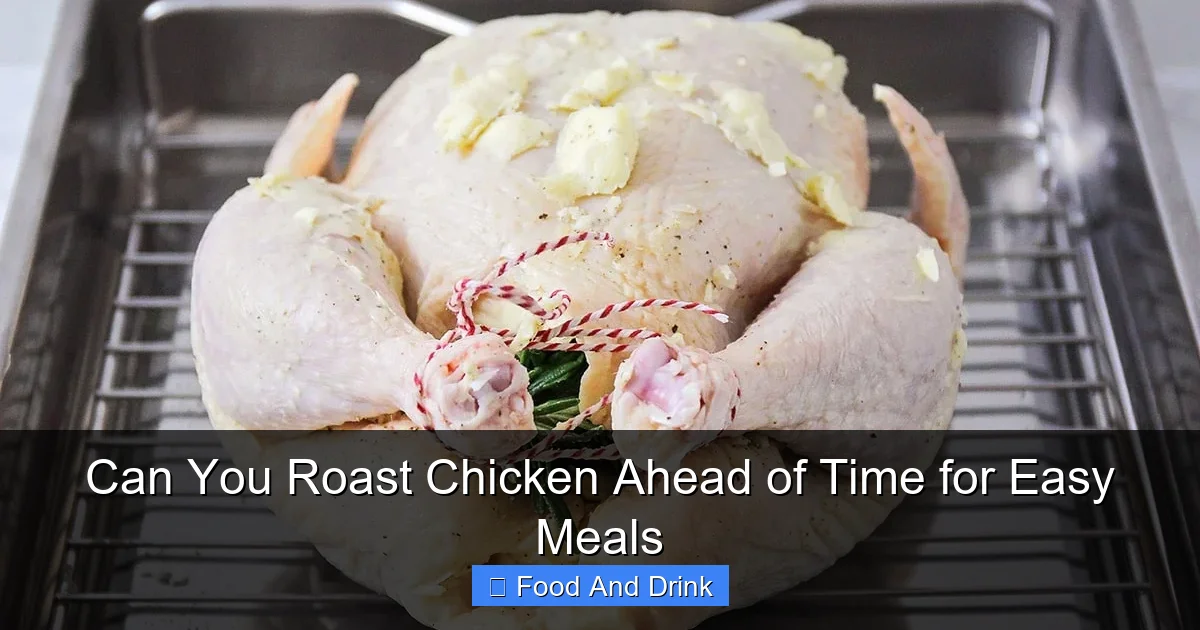
Seasoning is where the magic happens. Don’t skimp. Rub the chicken inside and out with a mix of salt, pepper, garlic powder, onion powder, paprika, and fresh herbs like thyme, rosemary, or sage. For extra flavor, stuff the cavity with lemon halves, garlic cloves, and herb sprigs. The steam from the citrus and herbs will infuse the meat as it roasts.
Let the seasoned chicken sit in the fridge, uncovered, for at least 1 hour—or ideally overnight. This dry-brining method draws out moisture, then reabsorbs it with the salt, resulting in juicier, more flavorful meat. It also helps the skin crisp up beautifully.
Roast at the Right Temperature
Preheat your oven to 425°F (220°C). Place the chicken breast-side up on a roasting rack in a pan. This allows hot air to circulate evenly, promoting even cooking and crispy skin.
Roast for about 15 minutes at 425°F to kickstart browning, then reduce the heat to 350°F (175°C) and continue roasting. Cook until the internal temperature reaches 165°F (74°C) in the thickest part of the thigh, away from the bone. This usually takes 60 to 75 minutes for a 3- to 4-pound bird.
Use a meat thermometer—don’t guess. Overcooked chicken becomes dry and tough, especially when reheated. Undercooked chicken is unsafe. Precision is key.
Let It Rest Before Storing
Once the chicken reaches the right temperature, remove it from the oven and let it rest for at least 20 minutes. This allows the juices to redistribute, keeping the meat moist. Don’t skip this step—it’s crucial for texture, especially when you plan to eat the chicken later.
After resting, you can carve it immediately or let it cool completely before storing. If you’re not carving right away, leave the chicken whole to retain moisture.
Safe Storage: Keeping Your Roasted Chicken Fresh and Safe

Visual guide about Can You Roast Chicken Ahead of Time for Easy Meals
Image source: fountainof30.com
Now that your chicken is perfectly roasted, it’s time to store it properly. Food safety is non-negotiable—improper storage can lead to spoilage or foodborne illness. But with the right steps, your chicken will stay delicious and safe for days.
Cool It Quickly
Never leave roasted chicken at room temperature for more than 2 hours. Bacteria grow rapidly between 40°F and 140°F (the “danger zone”), so cooling quickly is essential.
To speed up cooling, transfer the chicken to a clean cutting board and carve it into pieces. Smaller pieces cool faster than a whole bird. You can also place the chicken in a shallow container and set it in an ice bath for 10–15 minutes to bring the temperature down quickly.
Refrigerate or Freeze?
For short-term use (within 3–4 days), refrigeration is perfect. Store the chicken in an airtight container or wrap it tightly in plastic wrap or aluminum foil. Place it in the coldest part of the fridge, usually the back of the bottom shelf.
If you won’t eat it within 4 days, freeze it. Frozen roasted chicken keeps well for up to 3 months. Label the container with the date so you know when to use it.
Portion Before Storing
Divide the chicken into meal-sized portions before storing. For example, separate white meat (breast) from dark meat (thighs, drumsticks), and consider shredding some for salads or soups. This makes reheating faster and more convenient—you only thaw or warm what you need.
Use freezer-safe bags or containers. Remove as much air as possible to prevent freezer burn. For extra protection, wrap individual pieces in plastic wrap before placing them in a bag.
Label Everything
Always label your containers with the contents and date. It’s easy to forget what’s in the fridge or freezer after a few days. A simple label prevents confusion and helps you use older items first.
Reheating Roasted Chicken Without Drying It Out
This is where many people go wrong. Reheating roasted chicken can turn a juicy meal into a dry, rubbery disappointment—if you don’t do it right. The goal is to warm the chicken through without evaporating its natural moisture.
Oven Method (Best for Crispy Skin)
The oven is the gold standard for reheating roasted chicken, especially if you want to restore some crispness to the skin.
Preheat your oven to 325°F (165°C). Place the chicken pieces in a baking dish and add a splash of broth, water, or chicken stock to the dish. Cover tightly with foil to trap steam. This creates a moist environment that prevents drying.
Reheat for 20–25 minutes, or until the internal temperature reaches 165°F. Remove the foil for the last 5 minutes if you want the skin to crisp up.
For extra flavor, brush the skin with a little melted butter or olive oil before the final minutes.
Stovetop Method (Great for Shredded Chicken)
If you’ve shredded your roasted chicken, the stovetop is ideal. Heat a skillet over medium-low heat and add a tablespoon of broth or oil. Add the chicken and stir gently, breaking it up as needed. Cover and heat for 5–7 minutes, stirring occasionally.
This method keeps the meat moist and allows you to add extra seasonings or sauces if desired.
Microwave Method (Fast but Tricky)
The microwave is convenient but can dry out chicken quickly. To avoid this, place the chicken in a microwave-safe dish and add a tablespoon of liquid (broth, water, or sauce). Cover with a damp paper towel to create steam.
Heat in 30-second intervals, checking and stirring in between. Stop when the chicken is warm but not hot. Overheating is the enemy of moisture.
Air Fryer Method (For Crispy Skin Lovers)
If you have an air fryer, it’s a fantastic way to reheat chicken with crispy skin. Preheat the air fryer to 350°F. Place the chicken in the basket in a single layer. Cook for 5–8 minutes, flipping halfway through.
Watch closely—air fryers work fast. This method won’t make the meat juicier, but it will revive the skin beautifully.
Creative Ways to Use Roasted Chicken Ahead of Time
One of the best things about roasting chicken ahead of time is its versatility. You’re not limited to plain slices on a plate. With a little creativity, you can turn that one roast into a week’s worth of delicious meals.
Salads and Grain Bowls
Cold roasted chicken is perfect for salads. Slice or shred it and toss it into a bed of mixed greens with cherry tomatoes, cucumbers, avocado, and a lemon vinaigrette. Or build a grain bowl with quinoa, roasted vegetables, and a tahini dressing.
Try a Mediterranean-inspired bowl with chickpeas, olives, feta, and a drizzle of olive oil. The flavors complement the chicken beautifully.
Soups and Stews
Shredded roasted chicken elevates any soup. Add it to chicken noodle soup, tortilla soup, or creamy potato leek soup. The pre-cooked chicken infuses the broth with rich flavor and saves cooking time.
For a quick weeknight dinner, simmer the chicken in a pot with broth, diced vegetables, and herbs. In 20 minutes, you’ve got a hearty, comforting meal.
Tacos, Wraps, and Sandwiches
Shred the chicken and season it with taco spices—cumin, chili powder, garlic powder—for instant taco filling. Serve in soft tortillas with salsa, cheese, and sour cream.
Use sliced chicken for sandwiches or wraps. Pair it with pesto, arugula, and roasted red peppers on ciabatta bread. Or make a classic chicken salad with mayo, celery, and grapes.
Casseroles and Bakes
Roasted chicken is a staple in casseroles. Mix it with cooked pasta, cream of mushroom soup, and frozen peas for a quick chicken divan. Or layer it in a lasagna with ricotta, spinach, and mozzarella.
You can also make a chicken pot pie by combining the chicken with a creamy sauce and topping it with puff pastry or biscuits.
Snacks and Appetizers
Don’t overlook snacks! Serve cold chicken slices with hummus and veggie sticks. Or make mini chicken quesadillas with cheese and salsa.
For a fancy appetizer, stuff chicken salad into endive leaves or serve it on crostini with a sprinkle of chives.
Common Mistakes to Avoid When Roasting Chicken Ahead of Time
Even with the best intentions, things can go wrong. Here are some common pitfalls and how to avoid them.
Overcooking the Chicken
It’s tempting to cook the chicken until it’s falling off the bone, but that leads to dry meat—especially when reheated. Stick to 165°F internal temperature and let it rest. The carryover heat will finish the cooking.
Storing While Still Hot
Putting hot chicken in the fridge raises the internal temperature and can spoil other foods. Always cool it first. Use the ice bath method if you’re in a hurry.
Using the Wrong Containers
Plastic containers can absorb odors and aren’t always airtight. Glass containers with tight lids are better for storage. For freezing, use heavy-duty freezer bags or BPA-free containers.
Reheating Without Moisture
Dry reheating is the number one cause of tough chicken. Always add a little liquid—broth, water, or sauce—and cover the dish to trap steam.
Ignoring Expiration Dates
Even properly stored chicken doesn’t last forever. Refrigerate for no more than 4 days. If it smells sour or looks slimy, throw it out. When in doubt, throw it out.
Final Thoughts: Make Roasting Ahead a Weekly Habit
Roasting chicken ahead of time isn’t just convenient—it’s a smart, sustainable way to eat well without constant cooking. With the right techniques, you can enjoy juicy, flavorful chicken all week long, whether it’s hot out of the oven or pulled from the fridge for a quick salad.
Start small. Try roasting one chicken on Sunday and plan two meals around it. As you get comfortable, you’ll find yourself looking forward to that golden-brown bird coming out of the oven—not just for the meal it provides that day, but for the easy dinners it unlocks all week.
So go ahead—fire up the oven, season that chicken, and roast with confidence. Your future self will thank you.
Frequently Asked Questions
Can you roast chicken ahead of time and eat it cold?
Yes, you can roast chicken ahead of time and eat it cold. It’s safe and often tastier cold, especially in salads or sandwiches. Just make sure it’s properly stored and consumed within 4 days.
Is it safe to reheat roasted chicken more than once?
It’s best to reheat only the portion you plan to eat. Repeated reheating can dry out the meat and increase the risk of bacterial growth. Store leftovers properly and reheat once.
Can I use leftover roasted chicken in soups?
Absolutely. Shredded roasted chicken adds rich flavor and protein to soups and stews. It’s a great way to use leftovers and create quick, hearty meals.
How do I prevent roasted chicken from drying out when reheating?
Add a splash of broth or water, cover the dish, and reheat gently. Using the oven or stovetop with moisture helps retain juiciness better than the microwave.
Can I roast chicken the night before and eat it cold the next day?
Yes, roasting chicken the night before and eating it cold is a great meal prep strategy. Just cool it properly, store it in the fridge, and enjoy within 4 days.
What’s the best way to store roasted chicken for freezing?
Portion the chicken, wrap it tightly in plastic wrap, and place it in a freezer-safe bag or container. Remove air, label with the date, and freeze for up to 3 months.