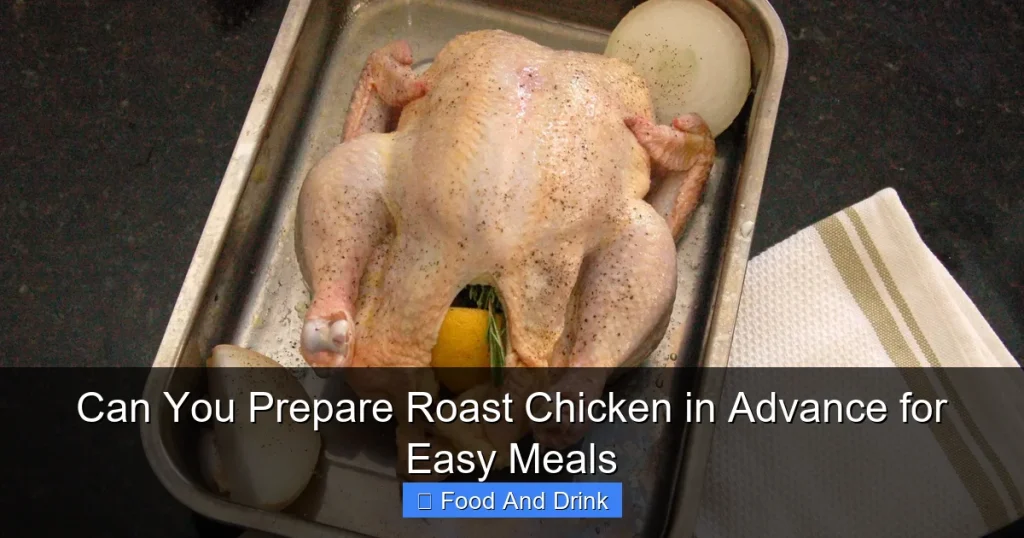

Yes, you can absolutely prepare roast chicken in advance—and it’s a total game-changer for busy weeknights. With proper cooking, cooling, and storage techniques, your roast chicken stays juicy, flavorful, and safe to eat for days. Whether you’re meal prepping or planning a stress-free dinner party, this guide shows you exactly how to do it right.
Key Takeaways
- You can roast chicken ahead of time: Fully cooked roast chicken can be stored safely in the fridge for up to 4 days or frozen for up to 3 months.
- Proper cooling is essential: Let the chicken cool completely before storing to prevent bacterial growth and maintain texture.
- Reheating without drying out: Use low heat, add moisture, and cover the chicken to keep it tender and juicy when reheating.
- Use leftovers creatively: Shredded roast chicken works in salads, soups, tacos, sandwiches, and casseroles for versatile meals.
- Prep components in advance: Marinate, season, or truss the chicken ahead of time to save even more effort on cooking day.
- Freeze for long-term storage: Portion and freeze cooked chicken in airtight containers or freezer bags for quick future meals.
- Food safety matters: Always follow safe handling practices to avoid cross-contamination and foodborne illness.
Quick Answers to Common Questions
Can I freeze roast chicken?
Yes, you can freeze roast chicken for up to 3 months. Store it in airtight containers or freezer bags, and thaw in the refrigerator before reheating.
How long does roast chicken last in the fridge?
Cooked roast chicken stays safe and tasty in the refrigerator for up to 4 days when stored properly in an airtight container.
Can I reheat roast chicken in the microwave?
Yes, but use medium power and cover with a damp paper towel to prevent drying. Reheat in short intervals and check frequently.
Should I carve the chicken before storing?
It’s optional. Carving ahead makes reheating and portioning easier, but you can also store it whole and carve later.
Is it safe to eat cold roast chicken?
Yes, as long as it’s been stored properly and hasn’t exceeded 4 days in the fridge. Cold roast chicken is great in salads or sandwiches.
📑 Table of Contents
- Can You Prepare Roast Chicken in Advance for Easy Meals?
- Why Preparing Roast Chicken in Advance Makes Sense
- How to Cook Roast Chicken for Advance Preparation
- Storing Roast Chicken Safely
- Reheating Roast Chicken Without Drying It Out
- Creative Ways to Use Advance-Prepared Roast Chicken
- Tips for Successful Advance Preparation
- Conclusion
Can You Prepare Roast Chicken in Advance for Easy Meals?
Let’s be honest—roast chicken is one of those meals that feels special. The golden, crispy skin, the juicy meat that falls off the bone, the rich aroma that fills your kitchen… it’s comfort food at its finest. But let’s also be real: roasting a whole chicken takes time. Between preheating the oven, cooking for over an hour, and letting it rest, it’s not exactly a quick weeknight dinner.
That’s why so many home cooks wonder: *Can you prepare roast chicken in advance?* The short answer? Absolutely. In fact, making roast chicken ahead of time might just be one of the smartest meal prep moves you can make. Whether you’re feeding a family, hosting guests, or just trying to eat healthier during the week, having a perfectly roasted chicken ready to go can save you time, stress, and last-minute scrambling.
But here’s the catch: doing it right matters. You can’t just cook a chicken, shove it in the fridge, and expect it to taste amazing three days later. There are techniques—cooling, storing, reheating—that make all the difference between dry, rubbery meat and tender, flavorful chicken that tastes like it just came out of the oven. And when you get it right? You’ll wonder why you didn’t start doing this years ago.
In this guide, we’ll walk you through everything you need to know about preparing roast chicken in advance. From how to cook it for maximum flavor and moisture, to the best ways to store and reheat it, plus creative ideas for using leftovers, you’ll be a roast chicken pro in no time. So grab your roasting pan, and let’s get started.
Why Preparing Roast Chicken in Advance Makes Sense

Visual guide about Can You Prepare Roast Chicken in Advance for Easy Meals
Image source: wonkywonderful.com
Let’s start with the “why.” Why bother preparing roast chicken in advance when you could just cook it fresh each time? The answer is simple: convenience, consistency, and control.
First, convenience. Weeknights are busy. Between work, school, errands, and family time, who has an extra 90 minutes to roast a chicken from scratch? When you prep ahead, you eliminate that last-minute rush. Imagine coming home, pulling a perfectly cooked chicken from the fridge, reheating it in 20 minutes, and serving a delicious dinner with minimal effort. That’s the power of advance prep.
Second, consistency. When you roast chicken in advance, you can perfect your method. Maybe you’ve struggled with dry breast meat or undercooked thighs in the past. By cooking ahead, you can experiment with brining, seasoning, and cooking times until you find your ideal recipe—then replicate it every time. No more guessing. No more stress. Just reliable, delicious results.
Third, control. Preparing roast chicken in advance gives you full control over ingredients and portioning. You choose the herbs, spices, and cooking method. You decide how much to cook and how to store it. And when you’re planning meals for the week, having a protein like roast chicken ready to go means you can build multiple dishes around it—salads, soups, tacos, you name it.
Plus, let’s not forget the cost savings. Buying a whole chicken is often cheaper per pound than pre-cut parts or pre-cooked rotisserie chicken. And when you cook it yourself, you’re not paying for convenience markup. You’re also reducing food waste—using every part of the bird, from meat to bones for stock.
And here’s a bonus: roast chicken just tastes better the next day. The flavors have time to meld, the meat absorbs the juices, and the skin—if stored properly—can still crisp up beautifully when reheated. It’s like your chicken gets a second chance to shine.
So whether you’re meal prepping for the week, planning a dinner party, or just trying to eat better, preparing roast chicken in advance is a smart, practical, and delicious strategy.
How to Cook Roast Chicken for Advance Preparation

Visual guide about Can You Prepare Roast Chicken in Advance for Easy Meals
Image source: fountainof30.com
Not all roast chickens are created equal—especially when you’re planning to eat them days later. If you want your advance-prepared chicken to stay juicy and flavorful, you need to cook it with future storage and reheating in mind. Here’s how to do it right.
Choose the Right Chicken
Start with a high-quality bird. Look for a fresh or frozen (thawed) whole chicken, ideally organic or free-range if possible. These tend to have better flavor and texture. Aim for a 3- to 4-pound chicken—it’s the perfect size for most home ovens and yields enough meat for 4–6 servings.
Avoid pre-brined or injected chickens if you’re planning to brine or season heavily yourself. These can become overly salty or lose texture when stored.
Brining for Moisture and Flavor
Brining is your secret weapon for juicy, flavorful roast chicken—especially when prepping in advance. A simple saltwater brine (or dry brine with salt and herbs) helps the meat retain moisture during cooking and storage.
For a wet brine: Dissolve 1/2 cup of salt and 1/4 cup of sugar in 4 cups of water. Add herbs like thyme, rosemary, or bay leaves. Submerge the chicken and refrigerate for 4–12 hours (no longer—over-brining can make the meat mushy).
For a dry brine: Rub the chicken generously with salt (about 1 teaspoon per pound) and let it sit uncovered in the fridge for 12–24 hours. This draws out moisture, then reabsorbs it, seasoning the meat deeply and helping the skin crisp up.
Seasoning and Trussing
After brining, pat the chicken dry with paper towels. This step is crucial—moisture on the skin prevents crisping.
Season generously inside and out with salt, pepper, and your favorite herbs. Classic combos include garlic powder, onion powder, paprika, thyme, and rosemary. Don’t forget the cavity—stuff it with lemon halves, garlic cloves, and fresh herbs for extra flavor.
Truss the chicken with kitchen twine to ensure even cooking. Tuck the wings under and tie the legs together. This helps the bird cook uniformly and keeps the breast from drying out.
Roasting Technique
Preheat your oven to 425°F (220°C). Place the chicken breast-side up on a rack in a roasting pan. This allows hot air to circulate and crisps the skin evenly.
Roast for about 1 hour to 1 hour 15 minutes, or until the internal temperature reaches 165°F (74°C) in the thickest part of the thigh (avoiding the bone). Use a meat thermometer—this is the only way to know for sure.
For extra browning, baste the chicken with pan juices or melted butter halfway through cooking. Or, for a shortcut, spritz the skin with oil before roasting to promote crispiness.
Resting Before Storage
Once cooked, let the chicken rest for at least 20–30 minutes before carving or storing. This allows the juices to redistribute, keeping the meat moist. Skipping this step can lead to dry, stringy chicken—even if you brined perfectly.
After resting, you can carve the chicken immediately or store it whole. If you’re short on time, carving ahead makes reheating and portioning easier later.
Storing Roast Chicken Safely

Visual guide about Can You Prepare Roast Chicken in Advance for Easy Meals
Image source: meatloafandmelodrama.com
Proper storage is the key to making your advance-prepared roast chicken safe, tasty, and ready to eat. Here’s how to do it without compromising quality or safety.
Cooling the Chicken
Never put a hot chicken directly into the fridge. This raises the internal temperature of your refrigerator and can promote bacterial growth. Instead, let the chicken cool at room temperature for no more than 2 hours. Ideally, aim for 1 hour or less.
To speed up cooling, you can transfer the carved meat to a shallow container and place it in the fridge. The larger surface area helps it cool faster.
Refrigeration: Up to 4 Days
Once cooled, store the chicken in an airtight container or wrap it tightly in plastic wrap or aluminum foil. Place it in the coldest part of the refrigerator (usually the back, not the door).
Cooked roast chicken will stay safe and tasty in the fridge for up to 4 days. After that, the texture and flavor begin to degrade, and the risk of spoilage increases.
Pro tip: Store the meat and bones separately if you plan to make stock later. Label the container with the date so you know when it was cooked.
Freezing for Long-Term Storage
If you won’t eat the chicken within 4 days, freeze it. Freezing preserves flavor and texture much longer—up to 3 months for best quality.
Portion the chicken before freezing. Separate breasts, thighs, wings, and drumsticks. You can also shred the meat and freeze it in meal-sized portions (great for soups or tacos).
Use freezer-safe containers or heavy-duty freezer bags. Remove as much air as possible to prevent freezer burn. Label each package with the date and contents.
When ready to use, thaw the chicken in the refrigerator overnight. Never thaw at room temperature—this can encourage bacterial growth.
Avoiding Cross-Contamination
Always use clean utensils and containers when handling cooked chicken. Never place cooked chicken on a surface that held raw chicken without washing it first.
Wash your hands, cutting boards, and knives thoroughly after handling raw poultry. This simple step prevents foodborne illness and keeps your advance-prepared meals safe.
Reheating Roast Chicken Without Drying It Out
This is where many people go wrong. Reheating roast chicken can turn a juicy, flavorful meal into a dry, rubbery disappointment—if you don’t do it right. But with a few smart techniques, you can bring your advance-prepared chicken back to life.
The Oven Method (Best for Whole or Large Pieces)
Preheat your oven to 325°F (165°C). Place the chicken in a baking dish and add a splash of broth, water, or chicken stock to the dish. This adds moisture and prevents drying.
Cover the dish tightly with aluminum foil. This traps steam and keeps the chicken moist. Reheat for 20–30 minutes, or until the internal temperature reaches 165°F (74°C).
For extra crispiness, remove the foil during the last 5–10 minutes of reheating. The skin will crisp up without overcooking the meat.
The Skillet Method (Great for Crispy Skin)
Heat a skillet over medium heat. Add a small amount of oil or butter. Place the chicken skin-side down and cook for 3–5 minutes, until the skin is golden and crispy.
Flip and cook for another 2–3 minutes to warm through. This method works especially well for thighs and drumsticks.
The Microwave Method (Fast but Tricky)
If you’re in a hurry, the microwave can work—but it’s easy to dry out the chicken. To prevent this, place the chicken on a microwave-safe plate and cover it with a damp paper towel. This adds moisture.
Microwave on medium power (50%) in 30-second intervals, checking frequently. Rotate the pieces to ensure even heating.
Avoid high power—it cooks too quickly and can make the meat tough.
Adding Moisture Back In
Even with careful reheating, some moisture loss is inevitable. To compensate, serve your reheated chicken with a sauce or gravy. A simple pan sauce made from the roasting juices, butter, and herbs can revive dry meat and add richness.
You can also drizzle the chicken with a bit of olive oil or melted butter after reheating to restore shine and flavor.
Creative Ways to Use Advance-Prepared Roast Chicken
One of the best things about preparing roast chicken in advance is how versatile it is. You’re not limited to just reheating and serving it whole. Here are some delicious ways to use your leftover chicken throughout the week.
Shredded Chicken for Tacos and Burritos
Pull the meat from the bones and shred it with forks. Season with taco spices—cumin, chili powder, garlic powder—and a splash of lime juice. Serve in tortillas with salsa, avocado, and cheese for quick, flavorful tacos.
Chicken Salad
Dice the breast meat and mix with mayo, celery, red onion, and herbs like dill or parsley. Add a squeeze of lemon and a pinch of salt. Serve on croissants, in lettuce wraps, or over greens.
Chicken Soup or Stew
Use shredded chicken as the base for a hearty soup. Simmer with vegetables, broth, and noodles or rice. Add carrots, celery, onions, and herbs for a comforting meal.
Chicken Pot Pie
Combine shredded chicken with a creamy sauce, mixed vegetables, and top with puff pastry or biscuit dough. Bake until golden and bubbly—perfect for a cozy dinner.
Sandwiches and Wraps
Slice or shred the chicken and layer it on bread or tortillas with lettuce, tomato, cheese, and your favorite condiments. Add bacon or avocado for extra flavor.
Chicken and Rice Bowls
Serve shredded chicken over rice with roasted vegetables, a fried egg, and a drizzle of soy sauce or teriyaki. It’s a complete, balanced meal in minutes.
Stock and Broth
Don’t throw away the bones! Simmer them with onion, carrot, celery, and herbs for 2–4 hours to make rich, homemade chicken stock. Freeze it for future soups, risottos, or sauces.
Tips for Successful Advance Preparation
To make preparing roast chicken in advance as smooth and successful as possible, keep these tips in mind.
Plan Your Meals
Before you cook, think about how you’ll use the chicken. Will you eat it as-is, shred it, or make soup? Planning ahead helps you portion and store it correctly.
Use a Meat Thermometer
Always check the internal temperature to ensure the chicken is fully cooked but not overcooked. Overcooking leads to dry meat, which is harder to revive when reheating.
Label Everything
Write the date on all containers and freezer bags. This helps you use the oldest chicken first and avoid waste.
Don’t Overcrowd the Fridge
Make sure there’s enough space around the chicken container for air to circulate. This keeps the temperature consistent and prevents spoilage.
Revive with Flavor
Even the best-stored chicken can lose a bit of flavor over time. Brighten it up with fresh herbs, citrus zest, or a splash of vinegar when serving.
Practice Food Safety
When in doubt, throw it out. If the chicken smells off, has a slimy texture, or shows signs of mold, don’t risk it. Your health is more important than saving a meal.
Conclusion
So, can you prepare roast chicken in advance? The answer is a resounding yes—and doing so can transform your weeknight dinners from stressful to seamless. With the right cooking techniques, proper storage, and smart reheating methods, your roast chicken can stay juicy, flavorful, and safe to eat for days.
Whether you’re meal prepping for the week, hosting a dinner party, or just trying to eat better, advance preparation saves time, reduces waste, and delivers consistent results. Plus, the versatility of roast chicken means you can enjoy it in countless ways—from simple reheated slices to creative soups, salads, and casseroles.
The key is to cook it well, cool it properly, store it safely, and reheat it with care. Follow these steps, and you’ll have a delicious, ready-to-eat protein that makes healthy eating easy and enjoyable.
So next time you’re at the grocery store, pick up a whole chicken. Fire up the oven. And take the first step toward stress-free, delicious meals all week long. Your future self will thank you.
Frequently Asked Questions
Can you prepare roast chicken in advance?
Yes, you can prepare roast chicken in advance by cooking it ahead of time and storing it properly. It can be refrigerated for up to 4 days or frozen for up to 3 months.
How do you keep roast chicken moist when reheating?
To keep roast chicken moist, reheat it covered with foil in a low oven (325°F), add a splash of broth, and avoid high heat or overcooking.
Can I brine chicken the night before roasting?
Absolutely. Dry brining (salting and refrigerating uncovered) for 12–24 hours enhances flavor and moisture, making it ideal for advance prep.
What’s the best way to store leftover roast chicken?
Store cooled roast chicken in an airtight container in the refrigerator. For longer storage, freeze it in portioned containers or bags.
Can I use leftover roast chicken in soups?
Yes, shredded roast chicken is perfect for soups, stews, and chowders. It adds protein and flavor without needing extra cooking time.
Is it safe to reheat roast chicken more than once?
It’s best to reheat only the portion you plan to eat. Repeated reheating can dry out the meat and increase the risk of bacterial growth.