



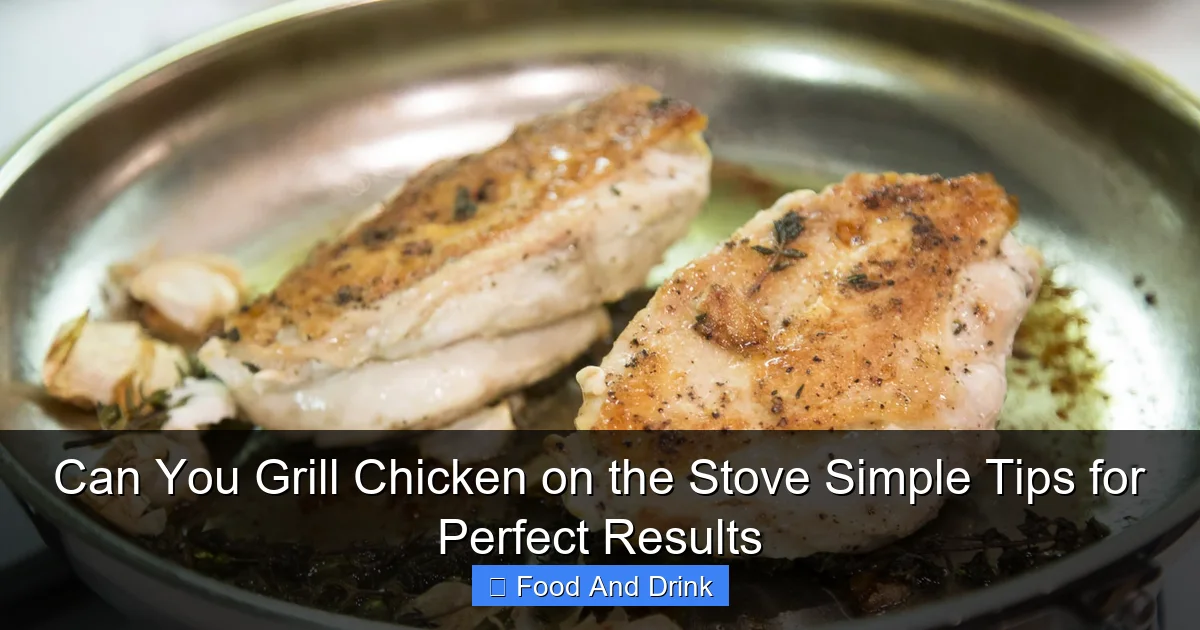
Yes, you can absolutely grill chicken on the stove—no outdoor grill required! With a few smart techniques and the right cookware, you can achieve that delicious charred flavor and juicy texture right in your kitchen. Whether you’re using a stovetop grill pan, cast iron skillet, or even a regular frying pan, perfect grilled chicken is within reach.
Key Takeaways
- Stovetop grilling is possible and effective: You don’t need an outdoor grill to get that smoky, charred flavor—just the right pan and technique.
- Use a grill pan or cast iron skillet: These retain heat well and create beautiful grill marks, mimicking outdoor grilling.
- Marinate for flavor and moisture: A good marinade not only adds taste but also helps keep chicken tender during high-heat cooking.
- Preheat your pan properly: A hot pan ensures a good sear and prevents sticking, which is key to achieving grill-like results.
- Monitor internal temperature: Use a meat thermometer to ensure chicken reaches 165°F (74°C) for safe, juicy results.
- Rest the chicken after cooking: Letting it rest for 5–10 minutes locks in juices and improves texture.
- Clean your pan correctly: Proper cleaning maintains your cookware and ensures consistent performance next time.
Quick Answers to Common Questions
Can you really get grill marks on a stove?
Yes! Using a grill pan with raised ridges creates those classic grill marks. Preheat the pan well and avoid moving the chicken too soon to let the marks form.
What’s the best oil for stovetop grilling?
Use oils with high smoke points like canola, avocado, or grapeseed oil. These can handle high heat without burning or smoking excessively.
How long should I marinate chicken before grilling?
At least 30 minutes, but up to 24 hours for maximum flavor. Always marinate in the refrigerator.
Can I use a non-stick pan for grilling chicken?
Yes, but avoid high heat to protect the coating. Use medium heat and ensure the chicken is well-dried to prevent sticking.
Is it safe to grill chicken on the stove indoors?
Yes, as long as you use proper ventilation (exhaust fan or open window) and avoid excessive smoke from burning fat or oil.
📑 Table of Contents
- Can You Grill Chicken on the Stove? The Surprising Answer
- Why Stovetop Grilling Works (And When to Use It)
- Choosing the Right Cookware for Stovetop Grilling
- Preparing the Chicken for Perfect Results
- Step-by-Step Guide to Grilling Chicken on the Stove
- Tips for Avoiding Common Mistakes
- Flavor Variations and Serving Ideas
- Cleaning and Maintaining Your Cookware
- Conclusion: Yes, You Can Grill Chicken on the Stove
Can You Grill Chicken on the Stove? The Surprising Answer
Grilling chicken is often associated with summer barbecues, smoky backyards, and the sizzle of meat over open flames. But what if you’re stuck indoors? Maybe it’s raining, you live in an apartment, or you simply don’t own an outdoor grill. The good news? You can absolutely grill chicken on the stove—and with great success.
Stovetop grilling isn’t just a backup plan; it’s a legitimate cooking method that delivers delicious, restaurant-quality results. With the right tools and a few smart techniques, you can achieve that coveted char, juicy interior, and smoky flavor—all from your kitchen. Whether you’re using a dedicated grill pan, a cast iron skillet, or even a non-stick frying pan, the key lies in understanding how to manage heat, moisture, and timing.
This guide will walk you through everything you need to know about grilling chicken on the stove. From choosing the best cookware to mastering marinades and cooking times, you’ll learn how to turn your stovetop into a mini grill station. By the end, you’ll be confident enough to skip the takeout and cook up a perfectly grilled chicken dinner any night of the week.
Why Stovetop Grilling Works (And When to Use It)
Visual guide about Can You Grill Chicken on the Stove Simple Tips for Perfect Results
Image source: recipes.net
You might be wondering: how can a stove really replicate the experience of an outdoor grill? After all, grills use open flames and high heat, while stoves rely on electric or gas burners. The truth is, while they’re not identical, stovetop methods can come remarkably close—especially when you focus on the fundamentals of grilling: high heat, direct contact, and controlled cooking.
The Science Behind the Sear
Grilling is all about the Maillard reaction—the chemical process that occurs when proteins and sugars in meat are exposed to high heat, creating that rich, browned crust and complex flavor. This reaction happens best between 280°F and 330°F (140°C–165°C), which is well within the range of most stovetops. A properly preheated pan can reach these temperatures quickly, allowing you to sear chicken just like you would on a grill.
Advantages of Indoor Grilling
There are several reasons why stovetop grilling is a smart choice:
- Convenience: No need to fire up the grill or wait for it to heat up. You can start cooking in minutes.
- Year-round access: Rain or shine, cold or heat, your stovetop is always ready.
- Better control: Stoves allow precise heat adjustment, which helps prevent overcooking.
- Less smoke (with the right setup): While some smoke is inevitable, using proper ventilation and lower-fat cuts can minimize it.
When Stovetop Grilling Shines
Stovetop grilling is ideal for:
- Small households or quick weeknight meals
- Apartment dwellers without outdoor space
- Cooking during winter or inclement weather
- Preparing smaller cuts like chicken breasts, thighs, or tenders
- When you want faster cleanup than an outdoor grill requires
Of course, it’s not perfect. You won’t get the same smoky flavor from wood or charcoal, and larger cuts like whole chickens or thick bone-in pieces may be harder to cook evenly. But for most everyday chicken dishes, stovetop grilling is a fantastic alternative.
Choosing the Right Cookware for Stovetop Grilling

Visual guide about Can You Grill Chicken on the Stove Simple Tips for Perfect Results
Image source: recipes.net
The success of your stovetop grilled chicken starts with the pan you use. Not all cookware is created equal when it comes to mimicking grill marks and high-heat searing. Let’s break down the best options.
Grill Pans: The Obvious Choice
A grill pan is specifically designed for stovetop grilling. It features raised ridges that elevate the food, allowing fat to drip away and creating those signature grill marks. These pans come in cast iron, stainless steel, or non-stick varieties.
- Cast iron grill pans: Excellent heat retention and distribution. They get very hot and stay hot, which is perfect for searing. They also develop a natural non-stick surface over time.
- Stainless steel grill pans: Durable and easy to clean, but may not retain heat as well as cast iron. Best for gas stoves.
- Non-stick grill pans: Great for beginners or low-fat cooking, but avoid high heat as it can damage the coating.
Cast Iron Skillets: The All-Rounder
If you don’t have a grill pan, a cast iron skillet is the next best thing. It heats evenly, retains heat beautifully, and can develop a great sear. While it won’t give you grill marks, the flavor and texture are nearly identical to grilled chicken.
Tip: Preheat your cast iron skillet for at least 10 minutes on medium-high heat before adding the chicken. This ensures a consistent sear.
Regular Frying Pans: A Backup Option
Even a standard stainless steel or non-stick frying pan can work in a pinch. The key is to use high heat and avoid overcrowding the pan, which can cause steaming instead of searing.
What to Avoid
Avoid using thin, lightweight pans or those with warped bottoms. These won’t heat evenly and can lead to hot spots or undercooked areas. Also, never use non-stick pans on very high heat unless they’re rated for it—this can release harmful fumes.
Bonus: Grill Press for Even Contact
For extra crispiness and better contact with the pan, consider using a grill press or a heavy lid. This helps flatten the chicken slightly, ensuring even cooking and more surface browning.
Preparing the Chicken for Perfect Results

Visual guide about Can You Grill Chicken on the Stove Simple Tips for Perfect Results
Image source: thehealthymaven.com
Great grilled chicken starts long before it hits the pan. Proper preparation is crucial for flavor, texture, and safety.
Choosing the Right Cut
Not all chicken cuts are created equal for grilling. Here’s a quick guide:
- Boneless, skinless breasts: Lean and quick-cooking, but can dry out if overcooked. Best for marinating.
- Bone-in, skin-on breasts or thighs: More forgiving and flavorful due to the fat and skin. The skin crisps up beautifully on the stove.
- Chicken tenders or strips: Great for quick meals and absorb marinades well.
- Whole chicken (spatchcocked): Can be done on a large stovetop, but requires flipping and careful heat management.
Brining for Juiciness
Brining—soaking the chicken in a saltwater solution—helps it retain moisture during cooking. A simple brine of 1/4 cup salt and 1/4 cup sugar dissolved in 4 cups of water, soaked for 30 minutes to 2 hours, can make a huge difference.
Marinating for Flavor
Marinating adds depth and keeps chicken tender. A good marinade includes:
- Acid (lemon juice, vinegar, yogurt) to tenderize
- Oil (olive, avocado) to carry flavor and prevent drying
- Seasonings (garlic, herbs, spices) for taste
Example marinade: 1/4 cup olive oil, 2 tbsp lemon juice, 2 minced garlic cloves, 1 tsp paprika, 1/2 tsp black pepper, 1 tsp dried oregano. Marinate for at least 30 minutes, or up to 24 hours in the fridge.
Patting Dry Before Cooking
This step is often overlooked but essential. Use paper towels to pat the chicken completely dry before cooking. Moisture on the surface creates steam, which prevents browning and delays the Maillard reaction.
Bringing to Room Temperature
Take the chicken out of the fridge 20–30 minutes before cooking. Cold chicken straight from the fridge will lower the pan’s temperature and lead to uneven cooking.
Step-by-Step Guide to Grilling Chicken on the Stove
Now that your chicken is prepped and your pan is ready, it’s time to cook. Follow these steps for foolproof results.
Step 1: Preheat the Pan
Place your grill pan or skillet on the stove over medium-high heat. Let it heat for 8–10 minutes. You want it hot—so hot that a drop of water sizzles and evaporates instantly. This ensures a good sear.
Step 2: Oil the Pan (Not the Chicken)
Lightly coat the pan with high-smoke-point oil (like canola, avocado, or grapeseed). Use a paper towel or brush to apply a thin layer. Avoid spraying oil directly onto a hot pan—it can cause splattering.
Step 3: Add the Chicken
Place the chicken in the pan in a single layer, leaving space between pieces. Don’t overcrowd—this causes steaming. You may need to cook in batches.
For boneless breasts: Cook skin-side down first if skin is on. For tenders: Lay them flat.
Step 4: Cook Without Moving
Let the chicken cook undisturbed for 5–7 minutes, depending on thickness. This allows a crust to form. Resist the urge to peek or flip too soon.
Step 5: Flip and Finish Cooking
Flip the chicken using tongs (not a fork, which pierces the meat and releases juices). Cook for another 5–7 minutes.
Step 6: Check the Temperature
Use a meat thermometer to check the internal temperature. Chicken is safe to eat at 165°F (74°C). Insert the thermometer into the thickest part, avoiding bone.
- Boneless breasts: 160–165°F (71–74°C)
- Bone-in thighs: 170–175°F (77–80°C) for tender, juicy results
Step 7: Rest the Chicken
Transfer the chicken to a plate or cutting board and let it rest for 5–10 minutes. This allows juices to redistribute, resulting in a more flavorful bite.
Step 8: Serve and Enjoy
Slice, serve, and enjoy! Pair with grilled vegetables, a fresh salad, or your favorite sides.
Tips for Avoiding Common Mistakes
Even with the best intentions, things can go wrong. Here’s how to avoid the most common pitfalls.
Overcooking and Dry Chicken
This is the #1 complaint with grilled chicken. To prevent it:
- Use a thermometer—don’t guess.
- Remove chicken from heat at 160°F (71°C); it will continue cooking as it rests.
- Choose bone-in or skin-on cuts for more moisture.
- Brine or marinate to boost juiciness.
Chicken Sticking to the Pan
Sticking usually means the pan wasn’t hot enough or the chicken wasn’t dry. Fix it by:
- Preheating the pan thoroughly.
- Patting chicken dry before cooking.
- Using enough oil to coat the pan.
- Not moving the chicken too soon—let it release naturally.
Uneven Cooking
Thick breasts can cook unevenly. To fix:
- Pound thicker parts to an even thickness with a meat mallet.
- Butterfly large breasts by slicing them horizontally.
- Use a grill press to flatten slightly.
Too Much Smoke
Indoor grilling can produce smoke, especially with fatty cuts. Reduce it by:
- Trimming excess fat.
- Using a splatter screen.
- Turning on the exhaust fan or opening a window.
- Avoiding butter or low-smoke-point oils.
Weak Flavor
If your chicken tastes bland:
- Marinate longer or use stronger seasonings.
- Season generously with salt and pepper before cooking.
- Add herbs or spices to the oil for extra flavor.
Flavor Variations and Serving Ideas
Once you’ve mastered the basics, it’s time to get creative. Here are some delicious ways to flavor and serve your stovetop grilled chicken.
Global Marinade Ideas
- Mediterranean: Olive oil, lemon juice, oregano, garlic, salt, pepper.
- Asian-inspired: Soy sauce, ginger, garlic, honey, sesame oil.
- Mexican: Lime juice, cumin, chili powder, garlic, cilantro.
- BBQ-style: Apple cider vinegar, brown sugar, paprika, mustard, Worcestershire.
Serving Suggestions
- Over a bed of quinoa or rice with grilled veggies.
- In tacos or wraps with avocado and salsa.
- Chopped into a Caesar salad.
- Sliced and served with a creamy sauce like ranch or tzatziki.
- As a protein-packed lunch bowl with greens, nuts, and vinaigrette.
Make-Ahead and Storage Tips
Grilled chicken stores well and makes great leftovers.
- Store in an airtight container in the fridge for up to 4 days.
- Freeze for up to 3 months—slice before freezing for easy use.
- Reheat gently in a skillet or microwave to retain moisture.
Cleaning and Maintaining Your Cookware
Proper care ensures your pans last and perform well every time.
Cleaning a Grill Pan
- Let the pan cool slightly, then soak in warm, soapy water.
- Use a nylon brush or sponge to scrub off residue.
- For stubborn bits, sprinkle with baking soda and scrub gently.
- Dry thoroughly to prevent rust, especially with cast iron.
Seasoning Cast Iron
If you’re using cast iron, season it regularly to maintain its non-stick surface.
- After cleaning, apply a thin layer of oil (flaxseed, vegetable, or canola).
- Heat in a 350°F (175°C) oven for 1 hour.
- Let cool in the oven. Repeat 2–3 times for best results.
Avoiding Damage
- Never use metal utensils on non-stick pans.
- Don’t soak cast iron for long periods.
- Avoid sudden temperature changes (e.g., cold water on a hot pan).
Conclusion: Yes, You Can Grill Chicken on the Stove
Grilling chicken on the stove isn’t just possible—it’s practical, delicious, and accessible to everyone. With the right pan, proper preparation, and a few key techniques, you can achieve juicy, flavorful, perfectly cooked chicken right in your kitchen. Whether you’re cooking for one or feeding a family, stovetop grilling offers convenience without sacrificing quality.
Don’t let the lack of an outdoor grill stop you from enjoying that smoky, charred flavor. From marinating to resting, every step matters—and now you know how to do it all. So fire up your stove, grab your favorite seasonings, and get grilling. Your taste buds (and your dinner plate) will thank you.
Frequently Asked Questions
What temperature should the stove be set to for grilling chicken?
Set your stove to medium-high heat (around 375°F to 400°F or 190°C to 200°C). This provides enough heat to sear the chicken without burning it.
Can I grill frozen chicken on the stove?
It’s not recommended. Frozen chicken cooks unevenly and can lead to food safety issues. Always thaw chicken in the fridge before cooking.
How do I know when my chicken is done without a thermometer?
While a thermometer is best, you can check by cutting into the thickest part—juices should run clear, and the meat should no longer be pink.
Can I use a regular pan instead of a grill pan?
Yes, a cast iron or stainless steel skillet works well. You won’t get grill marks, but the flavor and texture can be just as good.
Why is my chicken sticking to the pan?
This usually happens if the pan isn’t hot enough or the chicken isn’t dry. Preheat the pan thoroughly and pat the chicken dry before cooking.
Can I grill chicken on an electric stove?
Yes, but cast iron or heavy-bottomed pans work best because they distribute heat more evenly than thin pans on electric coils.


