

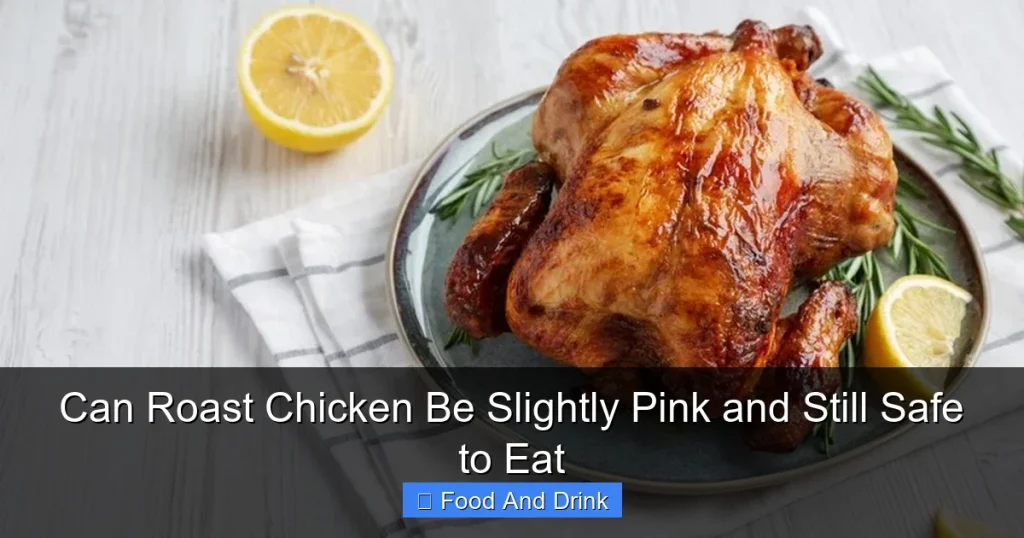

Yes, roast chicken can be slightly pink and still safe to eat—but only under the right conditions. The key isn’t color, but internal temperature. As long as the chicken reaches 165°F (74°C) in the thickest part, even a hint of pink is harmless. Always use a meat thermometer to be sure.
Key Takeaways
- Color is not a reliable indicator of doneness: Chicken can remain pink even when fully cooked due to factors like myoglobin, brining, or smoking.
- Internal temperature is everything: Safe chicken must reach 165°F (74°C) in the thickest part of the breast, thigh, and wing joint.
- Pink chicken isn’t always dangerous: If properly cooked to temperature, slight pinkness—especially near the bone—is normal and safe.
- Use a meat thermometer: Visual cues like juices or color can mislead; a thermometer is the only accurate way to check doneness.
- Brining and curing can cause pinkness: These methods alter the meat’s chemistry, leading to a pink hue even when fully cooked.
- Dark meat may stay pink longer: Thighs and drumsticks often retain a rosy tint due to higher myoglobin levels.
- When in doubt, cook it longer: If you’re unsure about temperature or appearance, extend cooking time slightly to ensure safety.
Quick Answers to Common Questions
Is it safe to eat chicken that’s pink near the bone?
Yes, as long as the internal temperature has reached 165°F (74°C). The bone area often retains a pink hue due to myoglobin and slower heat conduction, but it’s safe if properly cooked.
Can brined chicken be pink when cooked?
Yes. Brining, especially with salt or nitrites, can stabilize the pink color of myoglobin, resulting in a pink appearance even when fully cooked.
Why does my chicken stay pink after roasting?
Pinkness can be caused by myoglobin, brining, smoking, or proximity to the bone. It’s not necessarily a sign of undercooking if the temperature is safe.
Should I worry if chicken juices are pink?
Not necessarily. Juices can appear pink due to myoglobin, but clear juices aren’t a guarantee of doneness. Always check the internal temperature.
Can I eat chicken that’s pink but smells fine?
Only if it’s reached 165°F (74°C). A lack of bad odor doesn’t mean it’s safe—bacteria like Salmonella don’t always cause noticeable smells.
📑 Table of Contents
Can Roast Chicken Be Slightly Pink and Still Safe to Eat?
You’ve pulled your golden-brown roast chicken out of the oven, carved into it, and noticed a faint pink tinge near the bone or in the thigh. Your first thought? “Is this safe to eat?” It’s a common concern—one that’s sparked debates in kitchens and dinner tables for generations. The short answer? Yes, roast chicken can be slightly pink and still be perfectly safe to eat—but only if it’s been cooked to the right internal temperature.
For years, we’ve been taught that chicken must be “white all the way through” to be safe. But modern food science tells a different story. Color alone is not a reliable indicator of whether chicken is cooked. In fact, many perfectly safe, fully cooked chickens can still show a pink or even reddish hue, especially near the bone or in dark meat. The real measure of safety isn’t what the chicken looks like—it’s how hot it got inside.
Understanding this distinction is crucial for home cooks who want to serve juicy, flavorful chicken without risking foodborne illness. Overcooking chicken to avoid pinkness can lead to dry, tough meat—something no one wants at dinner. On the flip side, undercooking chicken can expose you to harmful bacteria like Salmonella and Campylobacter. The solution? Use a meat thermometer and learn the science behind why chicken turns pink.
The Science Behind Pink Chicken

Visual guide about Can Roast Chicken Be Slightly Pink and Still Safe to Eat
Image source: thedailymeal.com
So why does chicken sometimes stay pink even after it’s been roasted at high heat for a long time? The answer lies in chemistry—specifically, the proteins and compounds inside the meat.
One of the main culprits is myoglobin, a protein found in muscle tissue that stores oxygen. Myoglobin is responsible for the red or pink color in raw meat. When chicken is cooked, myoglobin normally denatures and turns gray or white. However, certain conditions can prevent this change, leaving the meat with a pink or even reddish appearance—even when it’s fully cooked.
For example, when chicken is exposed to smoke or certain gases during cooking (like in a gas oven or when using wood chips), nitric oxide can form. This compound binds to myoglobin and stabilizes the pink color, much like how nitrites preserve the pink hue in cured meats like ham or bacon. This is why smoked chicken often has a pink ring around the edge—even though it’s safe to eat.
Another factor is the pH level of the meat. Chicken with a higher pH (less acidic) tends to retain more pinkness when cooked. This can happen naturally in certain birds or be influenced by diet and stress levels before slaughter. Additionally, brining or marinating chicken in solutions containing salt, sugar, or nitrites (like in some pre-packaged brines) can also lead to a pinker cooked appearance.
Even the age of the chicken plays a role. Younger birds have less myoglobin and may cook up whiter, while older birds—especially free-range or heritage breeds—have more muscle development and thus more myoglobin, which can result in a pinker hue when roasted.
Why Color Can Be Misleading
Relying on color to judge doneness is a common mistake. Many people assume that if the chicken isn’t white, it’s not done. But this assumption can lead to overcooked, dry meat—or worse, undercooked chicken if the cook misinterprets a harmless pink spot as underdone.
For instance, the joint where the thigh meets the body is one of the last parts to cook and often retains a pinkish tint even when the rest of the bird is fully cooked. This area is dense and close to the bone, which conducts heat more slowly. The bone itself can also retain heat and affect the surrounding meat’s color.
Similarly, chicken that’s been brined or injected with a saline solution (common in store-bought rotisserie chickens) may appear pinker due to the chemical changes caused by salt and other additives. This doesn’t mean it’s undercooked—it just means the brining process has altered the meat’s natural color.
In short, color is a poor judge of safety. The only way to know for sure that your chicken is safe to eat is to measure its internal temperature.
The Role of Internal Temperature
Visual guide about Can Roast Chicken Be Slightly Pink and Still Safe to Eat
Image source: thedailymeal.com
When it comes to food safety, temperature is king. The U.S. Department of Agriculture (USDA) and other food safety organizations universally recommend cooking chicken to an internal temperature of 165°F (74°C) to kill harmful bacteria like Salmonella, Campylobacter, and E. coli.
This temperature must be reached in the thickest part of the meat—typically the breast, thigh, or wing joint—and held for at least 15 seconds. At this point, the pathogens are destroyed, and the chicken is safe to eat, regardless of its color.
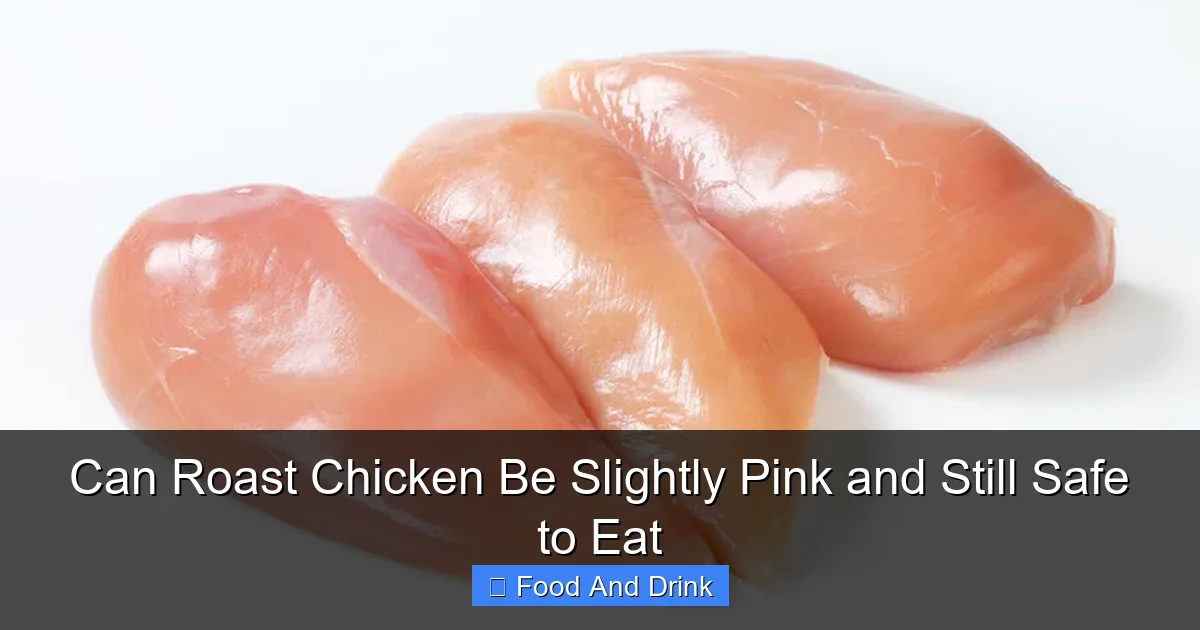
Using a reliable meat thermometer is the only accurate way to ensure your chicken has reached this critical temperature. Visual cues like clear juices, firm texture, or white meat can be misleading. For example, chicken juices may run clear even when the meat is undercooked, and some fully cooked chickens may still have a pinkish tint.
How to Use a Meat Thermometer Correctly
To get an accurate reading, insert the thermometer into the thickest part of the breast, avoiding the bone. The bone can give a false reading because it heats up faster than the meat. For thighs, insert the probe into the center, again steering clear of the bone.
If you’re cooking a whole chicken, check the temperature in multiple spots: the breast, the thigh, and the wing joint. The goal is to ensure all parts have reached 165°F (74°C). If one area is under, return the chicken to the oven until it reaches the safe temperature.
Instant-read thermometers are ideal for this purpose. They provide a quick, accurate reading in seconds. Avoid leaving thermometers in the chicken while it’s cooking unless they’re specifically designed for oven use (like probe thermometers with external displays).
What If the Chicken Is Pink But at 165°F?
If your chicken has reached 165°F (74°C) but still shows a pink hue—especially near the bone—don’t panic. This is normal and safe. The pink color is likely due to myoglobin, brining, or smoke exposure, not undercooking.
In fact, many professional chefs and food scientists agree that chicken cooked to 165°F is safe, even if it looks slightly pink. The key is consistency: always use a thermometer, and don’t rely on appearance alone.
Some cooks even prefer to pull chicken from the oven at 160°F (71°C), knowing that the temperature will continue to rise a few degrees during resting (a process called carryover cooking). As long as the final temperature reaches 165°F, the chicken is safe.
Factors That Cause Pinkness in Roast Chicken
Visual guide about Can Roast Chicken Be Slightly Pink and Still Safe to Eat
Image source: tastingtable.com
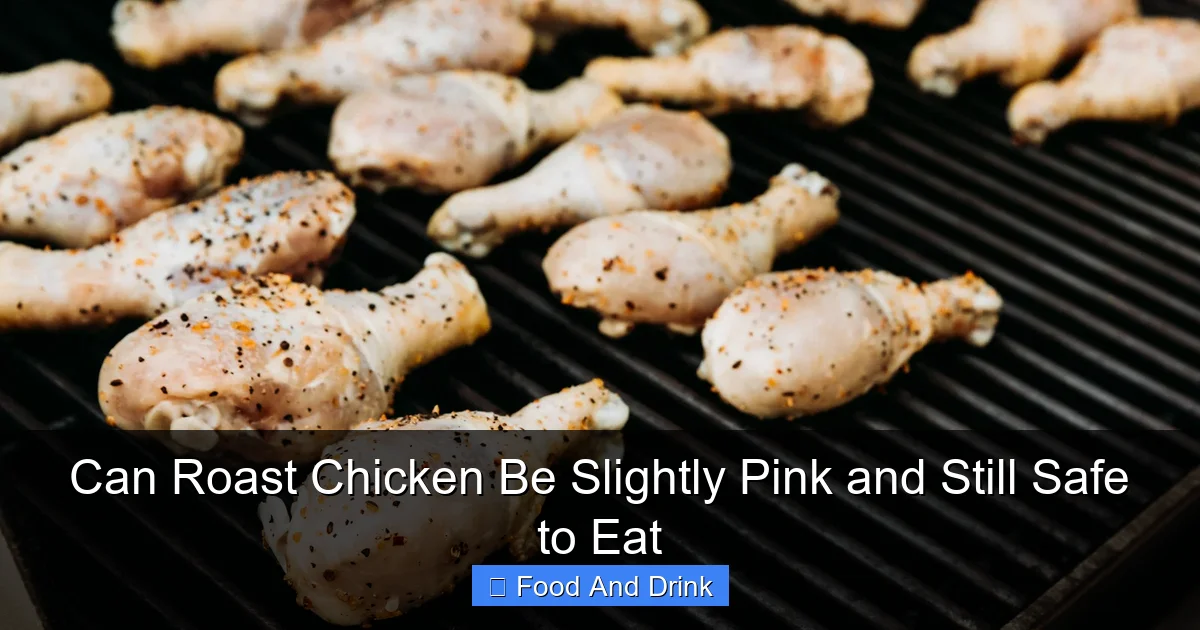
Several factors can contribute to a pink appearance in roast chicken, even when it’s fully cooked. Understanding these can help you feel more confident when you see that rosy tint.
Brining and Marinades
Brining—soaking chicken in a saltwater solution—is a popular technique for adding moisture and flavor. However, salt can alter the meat’s chemistry. It causes proteins to denature in a way that traps moisture and can also stabilize the pink color of myoglobin.
Some brines include nitrites or celery powder (which contains natural nitrates), similar to those used in curing meats. These compounds react with myoglobin to create a stable pink pigment, much like in bacon or ham. So, if you’ve brined your chicken with such ingredients, a pink hue is expected—even when fully cooked.
Smoking and Gas Ovens
If you’ve roasted chicken in a gas oven or used a smoker, you may notice a pink ring around the edges or near the bone. This is caused by nitric oxide, a gas produced when nitrogen in the air reacts with heat. Nitric oxide binds to myoglobin and creates a pink compound that resists the usual color change during cooking.
This phenomenon is well-known in barbecue circles. Smoked meats often have a “smoke ring”—a pink layer just beneath the surface—that’s completely safe and even prized by pitmasters.
Bone Proximity and Heat Retention
The area near the bone is often the last to cook and can retain a pink color even when the surrounding meat is done. Bones conduct heat differently than muscle tissue, and the marrow inside can keep the nearby meat slightly cooler and more pink.
This is especially common in thighs and drumsticks, which have more bone and connective tissue. The pinkness here is usually harmless, provided the internal temperature has reached 165°F.
Chicken Age and Breed
Younger chickens tend to have less myoglobin and cook up whiter. Older birds, especially free-range or heritage breeds, have more muscle development and thus more myoglobin, which can lead to a pinker appearance when roasted.
Organic or pasture-raised chickens may also have a different pH balance due to diet and lifestyle, which can affect color retention during cooking.
When Pink Chicken Is NOT Safe
While slight pinkness is often harmless, there are times when pink chicken could indicate undercooking—and that’s when it becomes a food safety risk.
If the chicken has not reached 165°F (74°C), especially in the thickest parts, it may still harbor harmful bacteria. Pink meat combined with a low internal temperature is a red flag.
Other warning signs include:
– A slimy or sticky texture
– A strong, unpleasant odor
– Cloudy or milky juices (though clear juices aren’t a guarantee of doneness)
– Soft, undercooked texture that feels rubbery or raw
If you see these signs—and the temperature is below 165°F—do not eat the chicken. Return it to the oven until it reaches the safe temperature.
It’s also important to note that pinkness in chicken that’s been reheated can be more concerning. Reheating doesn’t always kill all bacteria, and if the chicken wasn’t properly cooked the first time, reheating may not make it safe. Always ensure leftover chicken reaches 165°F when reheated.
Best Practices for Safe and Juicy Roast Chicken
To enjoy perfectly cooked, safe, and delicious roast chicken—whether it’s slightly pink or not—follow these best practices:
Use a Meat Thermometer
This is non-negotiable. A good instant-read thermometer is one of the most important tools in your kitchen. Check the temperature in multiple spots, especially the breast and thigh, and avoid touching the bone.
Let the Chicken Rest
After roasting, let the chicken rest for 10–15 minutes before carving. This allows the juices to redistribute, resulting in moister meat. During this time, the internal temperature may rise a few degrees due to carryover cooking.
Brine Wisely
If you brine your chicken, be aware that it may turn pinker when cooked. Use clean, food-safe brines and avoid over-brining, which can make the meat too salty or alter its texture.
Roast at the Right Temperature
Roast chicken at 375°F to 425°F (190°C to 220°C) for even cooking. Start breast-side up, and consider rotating the pan halfway through for even browning.
Don’t Overcook
Overcooked chicken is dry and tough. Aim for an internal temperature of 165°F, and remove the chicken from the oven as soon as it reaches that point. Remember, it will continue to cook slightly while resting.
Store and Reheat Safely
Refrigerate leftovers within two hours of cooking. Reheat to 165°F before serving. Use a thermometer to confirm the temperature, especially in the center of casseroles or stuffed chicken.
Conclusion
So, can roast chicken be slightly pink and still safe to eat? Absolutely—if it’s been cooked to the proper internal temperature. The pink hue you sometimes see near the bone or in dark meat is often due to natural proteins, brining, or smoke, not undercooking.
The key takeaway is simple: stop relying on color and start using a meat thermometer. Food safety isn’t about appearance—it’s about science. By cooking chicken to 165°F (74°C) and understanding why pinkness occurs, you can serve juicy, flavorful, and safe roast chicken every time.
Don’t let a little pink scare you away from perfectly cooked poultry. With the right tools and knowledge, you can enjoy delicious chicken that’s both safe and satisfying.
Frequently Asked Questions
Is pink chicken always undercooked?
No, pink chicken is not always undercooked. Factors like myoglobin, brining, and smoking can cause pinkness even when the meat is fully safe to eat.
How do I know if chicken is safe without a thermometer?
It’s not recommended. Visual cues like color and juices are unreliable. A meat thermometer is the only accurate way to ensure safety.
Can I eat chicken that’s pink in the middle?
Only if it’s reached 165°F (74°C) internally. If the center is still raw or undercooked, it may pose a food safety risk.
Does cooking chicken longer make it safer?
Cooking to the correct temperature (165°F) is what makes it safe. Overcooking won’t add extra safety and can dry out the meat.
Why is my rotisserie chicken pink?
Store-bought rotisserie chickens are often injected with brines containing salt or nitrites, which can cause a pink color even when fully cooked.
Can I get sick from eating slightly pink chicken?
Only if it hasn’t reached 165°F (74°C). If the temperature is safe, the pink color is harmless and won’t make you sick.


