



Yes, you can roast chicken from frozen—safely and easily—if you follow proper cooking guidelines. This method saves time and reduces kitchen prep, but requires adjusted oven temperatures and longer cooking times to ensure the chicken reaches a safe internal temperature.
So, you’ve got a whole chicken in the freezer, dinner plans are coming up, and you’re wondering: *Can I roast chicken from frozen?* The short answer is yes—but it’s not as simple as tossing it straight into the oven and hoping for the best. Roasting chicken from frozen is totally doable, and with the right approach, you can end up with juicy, flavorful meat that’s safe to eat. In fact, many home cooks and even professional chefs use this method to save time and simplify meal prep.
The idea of cooking chicken straight from the freezer might sound a little risky—after all, we’ve all been taught to thaw meat properly before cooking. But modern food safety guidelines, including those from the USDA, confirm that it’s safe to cook chicken from frozen, as long as you follow certain rules. The key is understanding how frozen meat behaves in the oven and adjusting your technique accordingly. Unlike thawing, which can take hours or even a full day in the fridge, roasting from frozen cuts down on prep time and reduces the risk of bacteria growth that can happen during slow thawing.
But here’s the catch: frozen chicken doesn’t cook the same way thawed chicken does. The ice crystals inside the meat slow down heat transfer, meaning the outside can start to overcook or even burn before the inside reaches a safe temperature. That’s why simply cranking up the oven and hoping for the best won’t work. Instead, you need a smarter strategy—one that balances heat, time, and moisture to deliver a perfectly cooked bird. In this guide, we’ll walk you through everything you need to know to roast chicken from frozen safely, easily, and deliciously.
Key Takeaways
- Yes, you can roast frozen chicken safely: With proper temperature control and extended cooking time, frozen chicken can be roasted directly from the freezer without thawing.
- Use a lower oven temperature: Start roasting at 325°F (163°C) to allow even heat penetration and prevent the outside from burning before the inside cooks through.
- Increase cooking time significantly: Frozen chicken typically needs 50–100% more time than thawed chicken—plan for at least 1.5 to 2 times longer.
- Always use a meat thermometer: The safest way to confirm doneness is by checking that the internal temperature reaches 165°F (74°C) in the thickest part of the breast and thigh.
- Pat dry and season after partial thawing: If possible, let the chicken sit at room temperature for 20–30 minutes before seasoning to improve browning and flavor absorption.
- Avoid cross-contamination: Never rinse frozen chicken, and always wash hands, utensils, and surfaces that come into contact with raw poultry.
- Choose the right cut: Whole chickens and bone-in pieces roast better from frozen than boneless breasts, which can dry out.
Quick Answers to Common Questions
Can I roast a whole chicken from frozen?
Yes, you can roast a whole chicken from frozen safely by cooking it at 325°F for 2.5 to 4 hours, depending on size, and checking that the internal temperature reaches 165°F.
Do I need to thaw chicken before roasting?
No, thawing is not required. You can roast chicken directly from frozen, but it will take significantly longer to cook through.
How do I prevent frozen chicken from drying out?
Use a lower oven temperature, add liquid to the roasting pan, baste occasionally, and always let the chicken rest before carving to retain moisture.
Can I season frozen chicken?
Yes, but for better flavor absorption, let the chicken sit at room temperature for 20–30 minutes before seasoning. Pat it dry first to help the seasoning stick.
Is it safe to eat chicken cooked from frozen?
Yes, as long as the internal temperature reaches 165°F in the thickest parts, the chicken is safe to eat, even if it started frozen.
📑 Table of Contents
- Is It Safe to Roast Chicken from Frozen?
- How to Roast Chicken from Frozen: Step-by-Step Guide
- Tips for Juicy, Flavorful Results
- Common Mistakes to Avoid
- Best Cuts for Roasting from Frozen
- How Long Does It Take to Roast Frozen Chicken?
- Can You Roast Frozen Chicken in a Slow Cooker or Instant Pot?
- Conclusion
Is It Safe to Roast Chicken from Frozen?
The biggest concern most people have about roasting chicken from frozen is safety. After all, undercooked poultry can lead to foodborne illnesses like salmonella or campylobacter. So, is it really safe to skip the thawing step? According to the U.S. Department of Agriculture (USDA), yes—cooking chicken from frozen is safe, provided you follow proper cooking procedures.
When you cook frozen chicken, the internal temperature must still reach 165°F (74°C) to kill harmful bacteria. The difference is that frozen meat takes longer to heat through, and the cooking process must be managed carefully to avoid uneven cooking. The USDA emphasizes that as long as the chicken reaches the correct internal temperature, it’s safe to eat, regardless of whether it started frozen or thawed.
However, there’s an important caveat: you must use a food thermometer to verify doneness. Visual cues like color or texture aren’t reliable when cooking from frozen, because the outside may appear cooked while the inside is still dangerously cold. A digital instant-read thermometer is your best friend here—insert it into the thickest part of the breast (without touching bone) and the innermost part of the thigh to ensure both areas hit 165°F.
Another safety tip: never partially cook frozen chicken and then finish it later. This can create a “danger zone” where bacteria multiply rapidly between 40°F and 140°F (4°C and 60°C). Either cook the chicken all the way through in one go, or thaw it completely before starting.
How to Roast Chicken from Frozen: Step-by-Step Guide
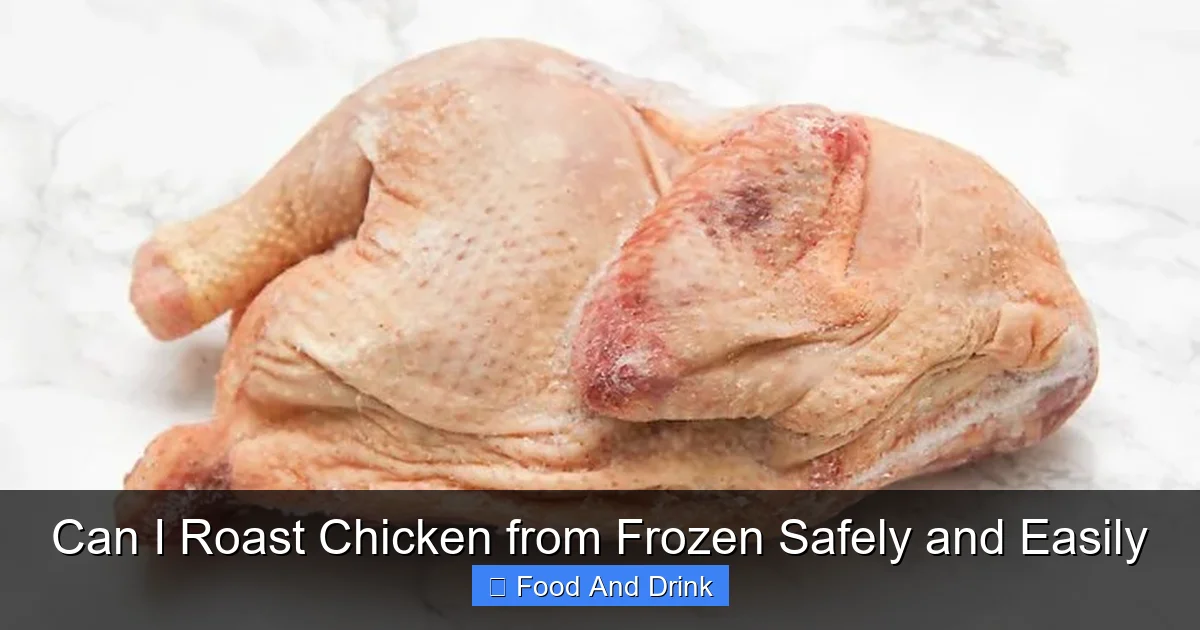
Visual guide about Can I Roast Chicken from Frozen Safely and Easily
Image source: wikihow.com
Roasting a whole chicken from frozen might sound intimidating, but it’s actually quite straightforward once you know the steps. The goal is to cook the chicken evenly without drying it out or burning the skin. Here’s a simple, foolproof method that works every time.
Step 1: Preheat the Oven to 325°F (163°C)
Start by preheating your oven to a moderate temperature—325°F is ideal for frozen chicken. This lower temperature allows heat to penetrate the frozen meat gradually, reducing the risk of overcooking the outside while the inside remains undercooked. Higher temperatures (like 400°F or 425°F) can cause the skin to burn before the center is safe to eat.
Step 2: Prepare the Chicken
Remove the chicken from its packaging and check for any giblets or neck pieces in the cavity—these are often included and should be removed before cooking. You don’t need to rinse the chicken (in fact, the USDA advises against it, as it can spread bacteria). Instead, pat the outside dry with paper towels if there’s excess moisture. This helps the skin crisp up later.
If time allows, let the chicken sit at room temperature for 20–30 minutes before seasoning. This partial thawing helps the seasoning stick better and promotes more even cooking. However, don’t leave it out for longer than 30 minutes to avoid bacterial growth.
Step 3: Season Generously
Season the chicken inside and out with salt, pepper, and your favorite herbs and spices. Classic choices include garlic powder, onion powder, paprika, thyme, rosemary, and a touch of lemon zest. For extra flavor, rub softened butter or olive oil under the skin and over the surface. This not only adds richness but also helps keep the meat moist during the long cook time.
You can also stuff the cavity with aromatics like halved lemons, garlic cloves, onion wedges, and fresh herbs. These won’t cook through completely, but they’ll infuse the meat with wonderful flavor as the chicken roasts.
Step 4: Place in a Roasting Pan
Set the chicken breast-side up in a roasting pan or on a wire rack inside a baking dish. Using a rack elevates the chicken, allowing hot air to circulate underneath and promoting even browning. If you don’t have a rack, you can place the chicken directly in the pan, but you may need to baste it occasionally to prevent the bottom from drying out.
Add a cup or two of chicken broth, water, or wine to the bottom of the pan. This creates steam, which helps keep the meat moist and prevents the drippings from burning. It also makes cleanup easier and forms the base for a delicious pan sauce later.
Step 5: Roast and Monitor
Place the chicken in the preheated oven and roast uncovered. Cooking time will vary depending on the size of the bird, but as a general rule, allow 50–100% more time than you would for a thawed chicken. For example, a 4-pound (1.8 kg) frozen chicken may take 2.5 to 3.5 hours to cook through.
Check the internal temperature every 30–45 minutes using a meat thermometer. Insert the probe into the thickest part of the breast and the thigh, avoiding bone. The chicken is done when both areas reach 165°F (74°C). If the skin starts to brown too quickly, loosely tent it with aluminum foil to prevent burning.
Step 6: Rest Before Carving
Once the chicken reaches the safe internal temperature, remove it from the oven and let it rest for 15–20 minutes before carving. Resting allows the juices to redistribute throughout the meat, resulting in a more tender and flavorful bird. Cover it loosely with foil to keep it warm, but don’t wrap it tightly—this can steam the skin and make it soggy.
Tips for Juicy, Flavorful Results
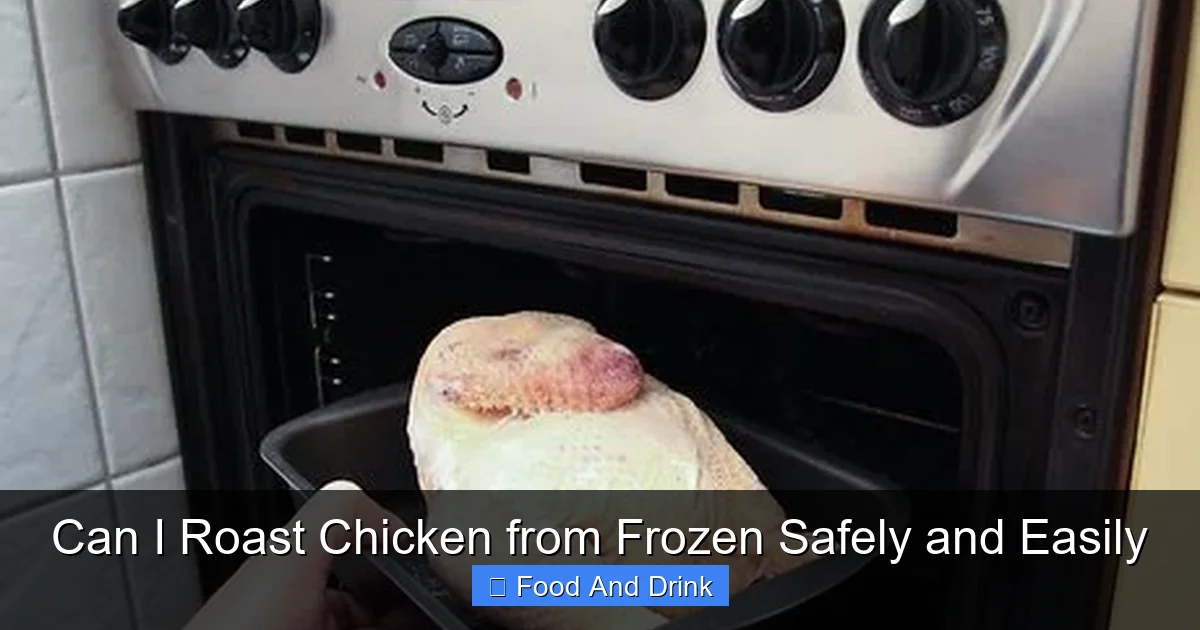
Visual guide about Can I Roast Chicken from Frozen Safely and Easily
Image source: wikihow.com
Roasting chicken from frozen can sometimes result in drier meat, especially if the cooking time is too long or the temperature is too high. But with a few smart techniques, you can keep your chicken moist and delicious.
Use a Meat Thermometer Religiously
This can’t be stressed enough: always use a thermometer. Guessing based on time or appearance is risky, especially with frozen meat. A digital instant-read thermometer is affordable, accurate, and essential for safe cooking. Aim for 165°F in the breast and thigh, but remember that the temperature will rise a few degrees during resting.
Baste Occasionally (If Needed)
If you’re not using a rack and the chicken is sitting directly in the pan, basting every 30–45 minutes can help keep the skin from drying out. Use a spoon or basting brush to drizzle the pan juices over the top. However, avoid opening the oven too often, as this can cause temperature fluctuations and extend cooking time.
Add Moisture to the Pan
As mentioned earlier, adding liquid to the roasting pan creates steam and prevents the drippings from burning. Broth, wine, or even apple cider work well. You can also add chopped vegetables like carrots, celery, and potatoes to the pan—they’ll absorb flavor and make a tasty side dish.
Consider Brining (Before Freezing)
If you know you’ll be roasting from frozen, consider brining the chicken before freezing. A simple saltwater brine (1 cup salt per gallon of water, soaked for 4–12 hours) helps the meat retain moisture during cooking. Just pat the chicken dry and freeze it afterward. When you’re ready to cook, proceed as usual—no need to thaw the brine.
Don’t Overcook
It’s easy to overestimate cooking time when dealing with frozen meat, but overcooking is the number one cause of dry chicken. Once the internal temperature hits 165°F, remove the chicken immediately. Even a few extra minutes can dry out the breast meat, so stay vigilant.
Common Mistakes to Avoid
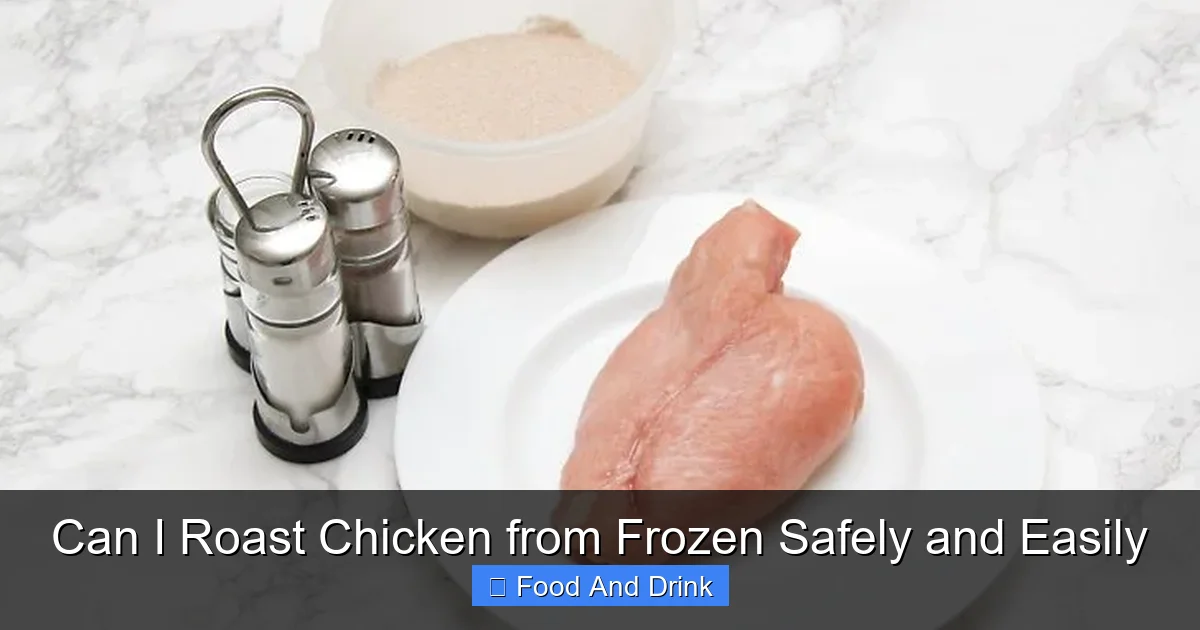
Visual guide about Can I Roast Chicken from Frozen Safely and Easily
Image source: wikihow.com
Even experienced cooks can make mistakes when roasting chicken from frozen. Here are some common pitfalls and how to avoid them.
Starting at High Heat
Cranking the oven to 425°F might seem like a good way to speed things up, but it’s a recipe for disaster. The outside will brown or burn long before the inside is safe to eat. Stick to 325°F for the first hour or two, then you can increase the temperature slightly (to 375°F) during the final 30–45 minutes to crisp the skin.
Not Using a Thermometer
Relying on time alone is risky. Chicken sizes vary, and freezer temperatures can affect how quickly the meat thaws and cooks. Always verify doneness with a thermometer.
Skipping the Resting Period
Cutting into the chicken immediately after roasting lets all the juices run out, leaving the meat dry. Resting is non-negotiable for juicy results.
Using Boneless Breasts from Frozen
While possible, boneless chicken breasts are more prone to drying out when cooked from frozen. If you must roast them this way, consider pounding them to an even thickness or covering them with foil for the first half of cooking.
Ignoring Food Safety
Never leave frozen chicken at room temperature for more than 30 minutes before cooking. And always clean surfaces, utensils, and hands after handling raw poultry.
Best Cuts for Roasting from Frozen
Not all chicken cuts are created equal when it comes to roasting from frozen. Some handle the long, slow cook better than others.
Whole Chicken
A whole chicken is the best choice for roasting from frozen. The bones and skin help retain moisture, and the even shape allows for consistent heat distribution. A 3–5 pound bird is ideal for most home ovens.
Bone-In, Skin-On Pieces
Chicken thighs, drumsticks, and bone-in breasts roast well from frozen. The bone conducts heat and keeps the meat tender, while the skin crisps up nicely. These cuts are more forgiving than boneless meat.
Boneless, Skinless Breasts
These are the trickiest to roast from frozen because they lack fat and skin to protect them. If you must cook them this way, consider slicing them in half horizontally to reduce thickness, or covering them with foil for the first 30–45 minutes of cooking.
Spatchcocked Chicken
Spatchcocking (removing the backbone and flattening the bird) can help frozen chicken cook more evenly. It increases surface area and reduces cooking time slightly. Just be sure to adjust seasoning and monitor temperature closely.
How Long Does It Take to Roast Frozen Chicken?
Cooking time varies based on the size and cut of the chicken, but here are some general guidelines:
– **Whole chicken (3–4 lbs):** 2.5 to 3.5 hours at 325°F
– **Whole chicken (4–5 lbs):** 3 to 4 hours at 325°F
– **Bone-in thighs or drumsticks:** 1.5 to 2 hours at 325°F
– **Boneless breasts:** 1 to 1.5 hours at 325°F (cover with foil for first 30 minutes)
Always check the internal temperature to confirm doneness. Remember, these times are estimates—your oven, the chicken’s starting temperature, and even altitude can affect cooking time.
Can You Roast Frozen Chicken in a Slow Cooker or Instant Pot?
While roasting in the oven is the most traditional method, you can also cook frozen chicken in other appliances—with some adjustments.
Slow Cooker
Yes, you can cook frozen chicken in a slow cooker, but it’s not recommended for whole birds due to uneven heating. Bone-in pieces work better. Cook on low for 6–8 hours or high for 3–4 hours, and always check the internal temperature.
Instant Pot
The Instant Pot is excellent for cooking frozen chicken quickly. Use the “Poultry” setting or manual high pressure for 10–15 minutes per pound, followed by a natural release. This method is fast and yields tender meat, but the skin won’t crisp up—finish it under the broiler if desired.
Conclusion
Roasting chicken from frozen is not only possible—it’s a practical, time-saving method that can yield delicious results when done correctly. By starting at a lower oven temperature, increasing cooking time, and using a meat thermometer to verify doneness, you can safely enjoy a juicy, flavorful roast chicken without the hassle of thawing.
This technique is perfect for busy weeknights, last-minute dinners, or when you forget to take the chicken out of the freezer. Just remember the golden rules: cook low and slow, monitor the temperature, and let the bird rest before carving. With a little practice, you’ll be roasting frozen chicken like a pro—no thawing required.
Whether you’re cooking a whole bird or bone-in pieces, the key is patience and precision. Don’t rush the process, and always prioritize food safety. When in doubt, check the thermometer. Your taste buds—and your stomach—will thank you.
Frequently Asked Questions
Can I roast frozen chicken at 400°F?
It’s not recommended. High heat can cause the outside to burn before the inside is fully cooked. Start at 325°F and increase to 375°F only during the final 30–45 minutes if needed for browning.
How long does it take to roast a 4-pound frozen chicken?
A 4-pound frozen chicken typically takes 3 to 3.5 hours to roast at 325°F. Always verify doneness with a meat thermometer.
Should I cover frozen chicken while roasting?
No, do not cover the chicken with foil during roasting. Leaving it uncovered allows the skin to crisp up. Only tent loosely with foil if the skin browns too quickly.
Can I use a roasting bag for frozen chicken?
Yes, roasting bags can help retain moisture and reduce splatter. Follow the manufacturer’s instructions and still check the internal temperature for safety.
What if my frozen chicken is partially thawed?
That’s perfectly fine! Partially thawed chicken will cook more evenly and may reduce overall cooking time. Just adjust monitoring accordingly.
Can I freeze roasted chicken?
Yes, leftover roasted chicken can be frozen for up to 3 months. Store in airtight containers or freezer bags, and reheat thoroughly before eating.


