



Grilled chicken is a lean, high-protein food often praised for its health benefits—but can it cause acne? While grilled chicken itself isn’t a direct acne trigger, factors like cooking methods, added ingredients, and individual sensitivities may play a role. Learn how to enjoy this popular protein without compromising your skin.
Key Takeaways
- Grilled chicken is not inherently acne-causing: As a lean protein, it supports hormone balance and tissue repair, which can actually benefit skin health when consumed as part of a balanced diet.
- Marinades and seasonings matter: Sugary, high-sodium, or processed sauces used on grilled chicken may spike insulin levels and promote inflammation, potentially worsening acne in sensitive individuals.
- Cooking method impacts skin health: Charring or burning chicken creates advanced glycation end products (AGEs), which can increase oxidative stress and inflammation linked to acne.
- Individual food sensitivities vary: Some people may react to additives, antibiotics, or hormones in conventionally raised chicken, triggering breakouts even if grilled.
- Overall diet context is key: Eating grilled chicken alongside refined carbs, dairy, or fried sides may contribute to acne more than the chicken alone.
- Choose clean, skin-friendly preparation: Opt for homemade marinades with olive oil, herbs, and citrus, and avoid charring to reduce acne risk.
- Listen to your body: Keep a food and skin journal to identify personal triggers and adjust your diet accordingly.
Quick Answers to Common Questions
Can grilled chicken cause acne?
Grilled chicken itself is not a direct cause of acne. However, marinades with sugar, charring, or pairing it with high-glycemic sides may contribute to breakouts in sensitive individuals.
Is grilled chicken good for acne-prone skin?
Yes, when prepared without sugary sauces or charring. It’s a lean protein rich in zinc and amino acids that support skin repair and hormone balance.
What should I avoid when grilling chicken for clear skin?
Avoid sugary marinades, high-heat charring, and processed sauces. Also, skip pairing it with white bread, fries, or sugary drinks.
Can I eat grilled chicken every day if I have acne?
Yes, as long as it’s prepared cleanly and part of a balanced diet. Over-reliance on any single food isn’t ideal, so vary your protein sources.
What’s the best way to marinate grilled chicken for acne-prone skin?
Use olive oil, lemon juice, garlic, herbs, and a touch of natural sweetener like honey. Avoid bottled sauces with sugar and preservatives.
📑 Table of Contents
- Can Grilled Chicken Cause Acne? Find Out Now
- Understanding Acne: What Causes Breakouts in the First Place?
- Grilled Chicken: A Healthy Protein or Hidden Acne Trigger?
- The Science Behind Food and Skin Health
- Real-Life Examples: When Grilled Chicken Might Break You Out
- Tips for Eating Grilled Chicken Without Worrying About Acne
- Conclusion: Grilled Chicken and Acne—The Final Verdict
Can Grilled Chicken Cause Acne? Find Out Now
If you’re someone who loves grilled chicken—whether it’s a juicy thigh from your weekend barbecue or a lean breast in your post-workout salad—you might be wondering: could this healthy staple actually be behind your breakouts? It’s a question that pops up more often than you’d think, especially among people trying to eat clean and still struggling with acne.
Grilled chicken is a go-to for athletes, fitness enthusiasts, and anyone looking to up their protein intake without loading up on fat. It’s low in carbs, rich in essential amino acids, and generally considered a smart choice for weight management and muscle building. But when it comes to skin health, the story isn’t always so straightforward. While grilled chicken isn’t a known acne villain, certain aspects of how it’s prepared, seasoned, or consumed might influence your complexion—especially if you’re prone to hormonal or inflammatory acne.
In this article, we’ll dive deep into the connection between grilled chicken and acne. We’ll explore the science behind diet and skin health, examine how cooking methods and ingredients can make a difference, and offer practical tips to help you enjoy your favorite protein without worrying about pimples. Whether you’re dealing with the occasional zit or chronic breakouts, understanding the nuances of your diet can be a game-changer.
Understanding Acne: What Causes Breakouts in the First Place?
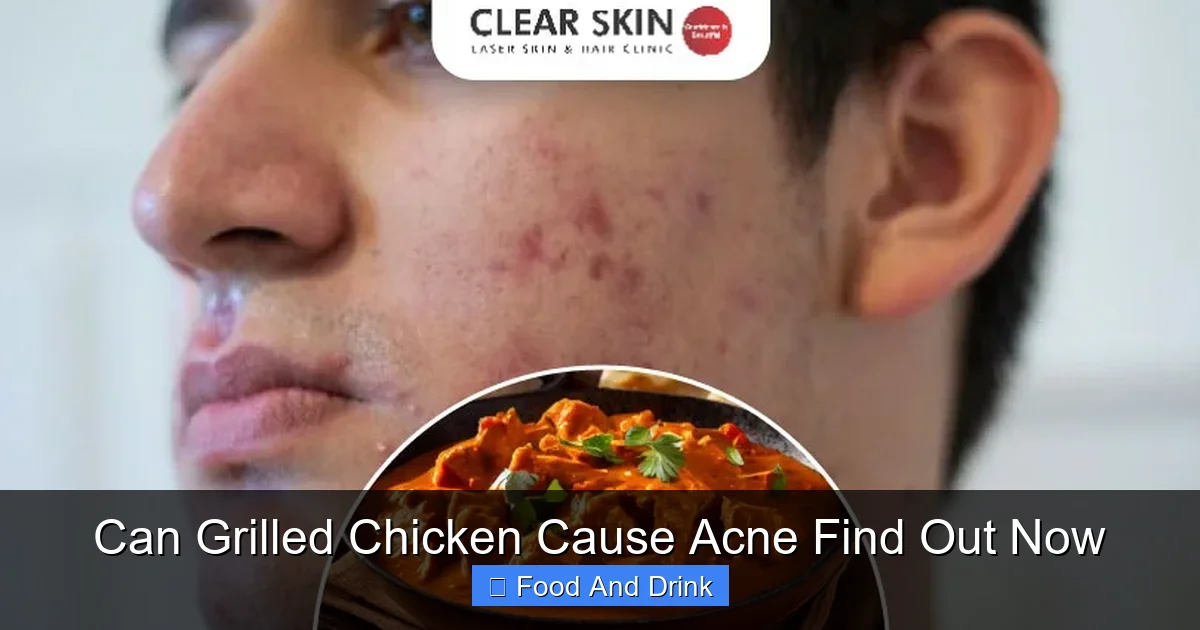
Visual guide about Can Grilled Chicken Cause Acne Find Out Now
Image source: clearskin.in
Before we can answer whether grilled chicken causes acne, it’s important to understand what actually triggers breakouts. Acne isn’t just a surface-level issue—it’s a complex skin condition influenced by hormones, inflammation, bacteria, and yes, diet.
Acne develops when hair follicles become clogged with oil (sebum), dead skin cells, and bacteria. This creates an environment where Cutibacterium acnes (formerly Propionibacterium acnes) can thrive, leading to redness, swelling, and pimples. Several factors can tip the scales toward breakouts:
– Hormonal fluctuations: Androgens like testosterone increase during puberty, pregnancy, or stress, stimulating oil glands.
– Inflammation: Chronic low-grade inflammation can worsen acne and delay healing.
– Insulin spikes: Diets high in refined sugars and processed carbs can spike insulin and insulin-like growth factor 1 (IGF-1), which may increase oil production and clog pores.
– Gut health: Emerging research suggests a strong gut-skin axis—imbalances in gut bacteria may contribute to inflammatory skin conditions.
– Food sensitivities: Some people react to specific foods with immune responses that manifest as acne.
So where does grilled chicken fit in? On its own, chicken is not a common acne trigger. In fact, it’s often recommended in anti-acne diets because of its high protein content and low glycemic load. But as we’ll see, the devil is in the details.
The Role of Diet in Acne Development
For decades, the idea that diet affects acne was dismissed by dermatologists. The old saying “chocolate causes pimples” was brushed off as a myth. But modern research has changed the conversation. Studies now show that diet can significantly influence acne severity, especially in genetically predisposed individuals.
A landmark 2007 study published in the American Journal of Clinical Nutrition found that people who followed a low-glycemic-load diet (rich in whole grains, lean proteins, and vegetables) experienced a greater reduction in acne lesions compared to those on a high-glycemic diet. This suggests that foods causing rapid blood sugar spikes may worsen acne.
Other research has linked high dairy intake—especially skim milk—to increased acne risk, possibly due to hormones and growth factors in milk. Similarly, diets high in processed foods, trans fats, and added sugars are associated with more inflammation and worse skin outcomes.
So while no single food causes acne in everyone, your overall dietary pattern matters. And that’s where grilled chicken comes into play—not as a culprit, but as part of a larger picture.
Grilled Chicken: A Healthy Protein or Hidden Acne Trigger?

Visual guide about Can Grilled Chicken Cause Acne Find Out Now
Image source: exposedskincare.com
Let’s get one thing straight: grilled chicken is not a direct cause of acne. In fact, it’s often considered a skin-friendly food. Here’s why:
– High in protein: Protein provides amino acids like glycine and proline, which support collagen production and skin repair.
– Low in sugar and carbs: Unlike sugary snacks or white bread, grilled chicken doesn’t spike insulin levels.
– Rich in zinc: Chicken contains zinc, a mineral known for its anti-inflammatory and wound-healing properties—both beneficial for acne-prone skin.
– Supports hormone balance: Adequate protein intake helps regulate hormones, which can reduce androgen-driven oil production.
So if grilled chicken is so good for you, why do some people report breakouts after eating it? The answer likely lies not in the chicken itself, but in how it’s prepared and what it’s eaten with.
When Grilled Chicken Might Contribute to Acne
While grilled chicken is generally safe for acne-prone skin, certain factors can turn it from a skin ally into a potential trigger:
1. Marinades and Sauces
Many store-bought marinades are loaded with sugar, high-fructose corn syrup, soy sauce (high in sodium), and artificial preservatives. These ingredients can:
– Spike insulin levels
– Promote inflammation
– Disrupt gut bacteria
For example, a teriyaki marinade might sound healthy, but it often contains as much sugar as a soda. That insulin surge can increase sebum production and clog pores.
2. Charred or Burnt Chicken
Grilling at high heat can cause chicken to char, especially if it’s left on the grill too long. Charred meat contains advanced glycation end products (AGEs), which are compounds formed when protein or fat reacts with sugar during high-temperature cooking.
AGEs are linked to oxidative stress and inflammation—both of which can worsen acne. A 2018 study in Nutrients found that diets high in AGEs were associated with increased acne severity in young adults.
3. Processed or Conventionally Raised Chicken
Not all chicken is created equal. Conventionally raised chickens may be given antibiotics or growth hormones (in some countries), and they’re often fed grains that include soy and corn—both of which are common allergens and potential acne triggers for sensitive individuals.
Additionally, processed chicken products like chicken nuggets or pre-marinated strips often contain fillers, preservatives, and trans fats, all of which can contribute to inflammation and breakouts.
4. Pairing with Acne-Triggering Sides
You might be eating grilled chicken, but if it’s served with french fries, white rice, or a creamy sauce, the overall meal could still be problematic. High-glycemic sides can negate the benefits of the lean protein.
For instance, a grilled chicken sandwich on a white bun with a side of potato chips is essentially a high-carb, high-fat meal—exactly the kind that can fuel acne.
How to Make Grilled Chicken Skin-Friendly
The good news? You don’t have to give up grilled chicken to have clear skin. With a few smart tweaks, you can enjoy this protein while supporting your complexion:
– Make your own marinades: Use olive oil, lemon juice, garlic, herbs (like rosemary, thyme, or oregano), and a touch of honey or maple syrup for natural sweetness. Avoid bottled sauces with long ingredient lists.
– Grill gently: Cook chicken over medium heat and flip frequently to avoid charring. Use a meat thermometer to ensure it reaches 165°F (74°C) without burning.
– Choose high-quality chicken: Opt for organic, free-range, or pasture-raised chicken when possible. These are less likely to contain antibiotics or hormones.
– Pair with skin-loving sides: Serve grilled chicken with leafy greens, roasted vegetables, quinoa, or sweet potatoes instead of refined carbs.
– Stay hydrated: Grilling can dehydrate meat—and your body. Drink plenty of water to support skin detoxification and hydration.
The Science Behind Food and Skin Health

Visual guide about Can Grilled Chicken Cause Acne Find Out Now
Image source: exposedskincare.com
To truly understand whether grilled chicken can cause acne, we need to look at the broader science of nutrition and dermatology. Over the past two decades, researchers have uncovered strong links between diet and inflammatory skin conditions, including acne.
Glycemic Load and Acne
One of the most well-established dietary connections to acne is glycemic load—the measure of how much a food raises blood sugar. High-glycemic foods (like white bread, soda, and candy) cause rapid spikes in blood glucose and insulin.
Insulin, in turn, stimulates the production of androgens and IGF-1, both of which can increase sebum production and promote clogged pores. A 2019 review in Clinical, Cosmetic and Investigational Dermatology concluded that low-glycemic diets consistently improve acne symptoms.
Grilled chicken has a very low glycemic index (GI), meaning it doesn’t raise blood sugar. In fact, when paired with high-GI foods, protein can help slow glucose absorption and reduce the overall glycemic load of a meal.
Inflammation and the Gut-Skin Axis
Chronic inflammation is a key player in acne. Diets high in processed foods, sugar, and unhealthy fats promote systemic inflammation, which can manifest as red, swollen pimples.
Conversely, anti-inflammatory foods—like fatty fish, leafy greens, nuts, and lean proteins—can help calm the skin. Grilled chicken, especially when prepared without inflammatory ingredients, fits into this category.
There’s also growing interest in the gut-skin axis. An imbalance in gut microbiota (dysbiosis) may lead to increased intestinal permeability (“leaky gut”), allowing toxins and bacteria to enter the bloodstream and trigger inflammation—including in the skin.
While chicken itself doesn’t directly harm gut health, how it’s cooked and what it’s eaten with matters. For example, a grilled chicken salad with fermented vegetables (like sauerkraut) and olive oil supports both gut and skin health.
Hormones and Diet
Hormonal acne—common in teens, women with PCOS, or those under stress—is particularly sensitive to diet. Foods that influence insulin, cortisol, or sex hormones can either help or hurt.
Grilled chicken, as a source of high-quality protein, supports stable blood sugar and hormone balance. It also contains nutrients like zinc and B vitamins, which are involved in hormone metabolism.
However, if the chicken comes from animals treated with hormones (allowed in some countries but banned in the EU), it could theoretically contribute to hormonal imbalances. That’s another reason to choose organic or hormone-free options when possible.
Real-Life Examples: When Grilled Chicken Might Break You Out
Let’s look at a few real-world scenarios where grilled chicken could indirectly contribute to acne:
Scenario 1: The BBQ Night Out
You go to a friend’s barbecue and enjoy grilled chicken with a sweet barbecue sauce, corn on the cob, and a cold beer. The next morning, you wake up with a new pimple.
What happened? The barbecue sauce was likely high in sugar and high-fructose corn syrup, the corn is a high-GI food, and alcohol can dehydrate and inflame the skin. The chicken itself wasn’t the issue—it was the sugary, high-carb meal.
Scenario 2: The Meal Prep Mistake
You prep grilled chicken breasts for the week using a store-bought teriyaki marinade. By Wednesday, your skin feels oily and you notice more blackheads.
The culprit? The marinade. Many teriyaki sauces contain soy sauce (high in sodium and potential allergens), sugar, and preservatives like sodium benzoate—all of which can trigger breakouts in sensitive individuals.
Scenario 3: The Charred Chicken Habit
You love the smoky flavor of well-done grilled chicken and often eat it slightly charred. Over time, you notice more redness and inflammatory acne.
This could be due to AGEs from the charring. While occasional char isn’t harmful, regular consumption of charred meat may contribute to oxidative stress and skin inflammation.
Tips for Eating Grilled Chicken Without Worrying About Acne
You don’t have to avoid grilled chicken to have clear skin. In fact, with a few mindful choices, you can make it a staple of your acne-friendly diet.
Choose Clean Ingredients
– Use simple marinades: olive oil, lemon, garlic, herbs, and a dash of apple cider vinegar.
– Avoid sugary glazes, creamy sauces, and pre-made mixes with long ingredient lists.
– Season with natural spices like paprika, cumin, or turmeric—known for their anti-inflammatory properties.
Grill Smart
– Use a grill mat or foil to prevent direct contact with flames and reduce charring.
– Cook over indirect heat when possible.
– Don’t overcook—juicy chicken is less likely to dry out and form AGEs.
Pair with Skin-Loving Foods
– Serve grilled chicken with:
– Steamed broccoli or kale
– Quinoa or brown rice
– Avocado slices
– A side salad with olive oil dressing
– Avoid pairing with:
– White bread, pasta, or fries
– Sugary drinks or desserts
– Fried or processed sides
Listen to Your Body
Everyone’s skin reacts differently. Keep a food and skin journal for 2–4 weeks. Note what you eat and any changes in your skin. If you notice breakouts after eating grilled chicken with a certain sauce or side, you’ll know what to avoid.
Conclusion: Grilled Chicken and Acne—The Final Verdict
So, can grilled chicken cause acne? The short answer is: not directly. Grilled chicken is a nutritious, low-glycemic protein that can actually support clear skin when prepared and consumed mindfully.
However, the way you prepare it, what you marinate it with, and what you eat it alongside can influence your skin health. Sugary sauces, charred meat, processed ingredients, and high-glycemic sides can all contribute to inflammation and breakouts—even if the chicken itself is innocent.
The key is balance and awareness. By choosing clean ingredients, grilling gently, and pairing your chicken with skin-friendly foods, you can enjoy this delicious protein without worrying about acne.
Remember, acne is multifactorial. Diet is just one piece of the puzzle. Stress, sleep, skincare routine, and genetics all play roles. But making smart food choices—like opting for well-prepared grilled chicken—can be a powerful step toward clearer, healthier skin.
So fire up that grill, but do it the right way. Your taste buds—and your skin—will thank you.
Frequently Asked Questions
Does grilled chicken increase oil production in the skin?
No, grilled chicken does not directly increase oil production. In fact, its low glycemic index and high protein content can help stabilize blood sugar and reduce sebum overproduction.
Can charred grilled chicken cause acne?
Charred meat contains AGEs, which may promote inflammation and oxidative stress. While occasional char isn’t harmful, frequent consumption could worsen acne in sensitive people.
Is organic grilled chicken better for acne?
Organic or pasture-raised chicken may reduce exposure to antibiotics and hormones, which could benefit hormone-sensitive acne. It’s a safer choice for long-term skin health.
Should I stop eating grilled chicken if I have acne?
Not necessarily. Instead, examine how it’s prepared and what it’s eaten with. Adjust your marinades, cooking method, and sides to make it skin-friendly.
Can grilled chicken help heal acne?
Yes, indirectly. Its high protein and zinc content support tissue repair and reduce inflammation, which can aid in healing acne lesions faster.
What are the best sides to eat with grilled chicken for clear skin?
Opt for non-starchy vegetables, leafy greens, quinoa, sweet potatoes, or avocado. Avoid refined carbs, fried foods, and sugary sauces.


