



Properly cooked chicken is completely safe and cannot cause bird flu. The bird flu virus is destroyed at temperatures above 165°F (74°C), which is easily reached during normal cooking. As long as you follow basic food safety practices, you can enjoy chicken without worry.
Key Takeaways
- Cooked chicken does not cause bird flu: The virus is killed when chicken reaches safe internal temperatures during cooking.
- Heat destroys the virus: Cooking at 165°F (74°C) or higher eliminates bird flu and other harmful pathogens.
- Raw or undercooked chicken poses risks: Handling raw poultry or eating undercooked meat can expose you to viruses and bacteria.
- Safe food handling is essential: Wash hands, use separate cutting boards, and avoid cross-contamination to stay safe.
- Bird flu spreads mainly through live birds: Humans are rarely infected, and almost always through direct contact with infected live or dead birds.
- Commercial poultry is monitored: Farms and processing plants follow strict health and safety guidelines to prevent outbreaks.
- Freezing does not kill the virus: Only proper cooking ensures the virus is destroyed—never rely on freezing alone.
Quick Answers to Common Questions
Can cooked chicken cause bird flu?
No, properly cooked chicken cannot cause bird flu. The virus is destroyed when chicken reaches an internal temperature of 165°F (74°C), which is easily achieved during normal cooking.
Is it safe to eat chicken during a bird flu outbreak?
Yes, as long as the chicken is cooked thoroughly. Commercial poultry is monitored and processed safely, and cooking kills the virus.
Does freezing chicken kill bird flu?
No, freezing does not kill the bird flu virus. Only proper cooking at 165°F (74°C) or higher can destroy it.
Can I get bird flu from touching raw chicken?
It’s very unlikely, but possible if the chicken is contaminated and you touch your face or mouth without washing your hands. Always wash hands after handling raw poultry.
What temperature kills bird flu in chicken?
The bird flu virus is destroyed at 165°F (74°C), which is the recommended safe internal temperature for all poultry.
📑 Table of Contents
- Can Cooked Chicken Cause Bird Flu? Find Out Now
- What Is Bird Flu and How Does It Spread?
- How Cooking Destroys the Bird Flu Virus
- Risks of Raw or Undercooked Chicken
- Bird Flu in the Food Supply: What You Should Know
- Freezing Chicken: Does It Kill Bird Flu?
- Practical Tips for Safe Chicken Handling and Cooking
- Conclusion: Enjoy Chicken with Confidence
Can Cooked Chicken Cause Bird Flu? Find Out Now
You’ve probably heard about bird flu in the news—flocks of chickens being culled, warnings from health officials, and maybe even a few scary headlines. It’s natural to wonder: Can the chicken I eat at home give me bird flu? Especially when you’re cooking dinner for your family, you want to make sure every bite is safe.
The short answer? No, properly cooked chicken cannot cause bird flu. In fact, cooking chicken to the right temperature kills the virus completely. But let’s dig deeper. Understanding how bird flu spreads, how cooking works, and what you can do to protect yourself will help you feel confident in the kitchen—and at the dinner table.
Bird flu, or avian influenza, is a type of virus that mainly affects birds. While it can occasionally spread to humans, it’s rare—and almost always happens through direct contact with infected live or dead birds, not through eating cooked poultry. So if you’re buying chicken from a grocery store, cooking it at home, and serving it hot, you’re already doing the right thing.
In this article, we’ll break down everything you need to know about bird flu and cooked chicken. From how the virus works to practical tips for safe cooking, we’ll cover it all. By the end, you’ll know exactly how to enjoy your favorite chicken dishes—without any fear.
What Is Bird Flu and How Does It Spread?
Visual guide about Can cooked chicken cause bird flu find out now
Image source: static01.nyt.com
Understanding Avian Influenza
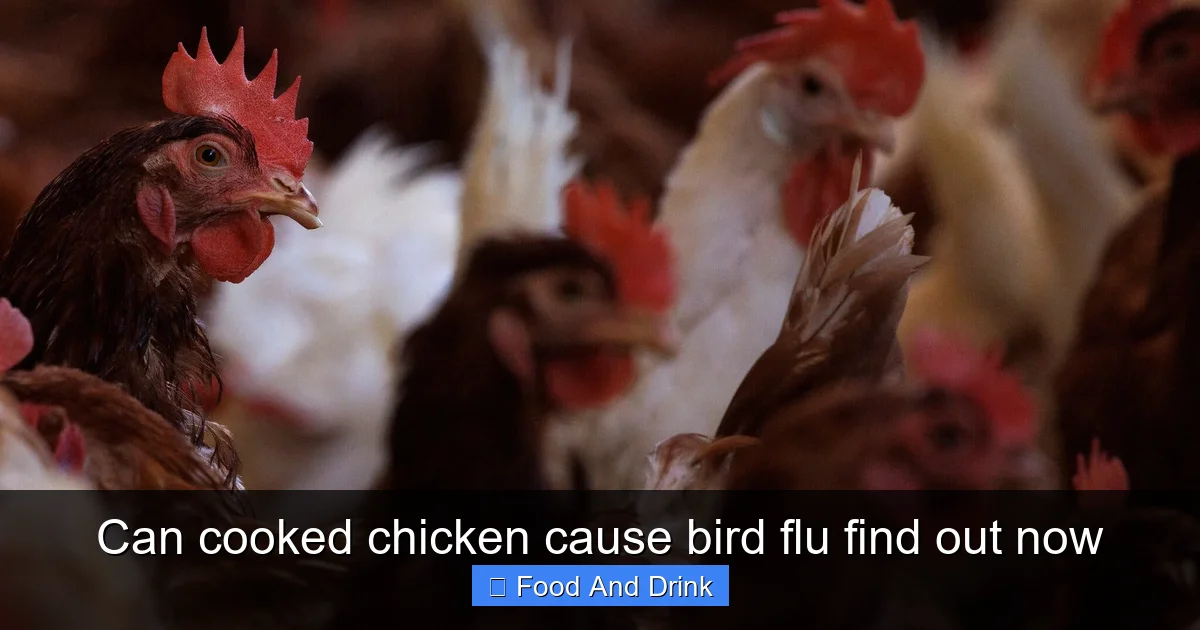
Bird flu, scientifically known as avian influenza, is a viral infection that primarily affects birds. There are many strains of the virus, but some—like H5N1 and H7N9—have caused concern because they can, in rare cases, infect humans. These strains are highly contagious among birds and can spread quickly through flocks, especially in crowded or unsanitary conditions.
The virus spreads through bird droppings, saliva, and nasal secretions. Wild birds, especially waterfowl like ducks and geese, can carry the virus without showing symptoms and pass it to domestic poultry. Once a farm is infected, the virus can spread rapidly, leading to mass illness and death in chickens, turkeys, and other birds.
How Humans Can Get Infected
Human infections with bird flu are extremely rare. When they do happen, it’s almost always because someone had close, direct contact with infected live or dead birds—like working on a poultry farm, handling sick birds, or visiting a live bird market. The virus doesn’t easily jump from birds to people, and it’s even less likely to spread from person to person.
According to the World Health Organization (WHO) and the Centers for Disease Control and Prevention (CDC), there have been fewer than 1,000 confirmed human cases of bird flu worldwide over the past two decades. Most of these occurred in people who worked directly with infected birds. Importantly, there has never been a documented case of someone getting bird flu from eating properly cooked chicken.
Why Cooked Chicken Is Safe
The key reason cooked chicken is safe is simple: heat kills the virus. Bird flu, like other viruses, is made up of proteins and genetic material that break down when exposed to high temperatures. When chicken is cooked to an internal temperature of 165°F (74°C)—the standard recommended by food safety experts—the virus is completely destroyed.
This temperature is easily reached during normal cooking methods like baking, grilling, frying, or boiling. Even if the raw chicken was contaminated (which is rare in commercial supply chains), cooking it thoroughly eliminates any risk.
How Cooking Destroys the Bird Flu Virus
Visual guide about Can cooked chicken cause bird flu find out now
Image source: ichef.bbci.co.uk
The Science Behind Heat and Viruses
Viruses like bird flu are not alive in the traditional sense—they can’t reproduce on their own and need a host cell to multiply. But they are still fragile structures. The proteins that make up the virus’s outer shell, or capsid, begin to denature (unfold and break down) when exposed to heat.
At around 140°F (60°C), the virus starts to weaken. By the time the internal temperature of chicken reaches 165°F (74°C), the virus is completely inactivated. This is why food safety guidelines emphasize cooking poultry to this temperature—it’s not just about texture or taste; it’s about safety.
Safe Cooking Temperatures for Chicken
Different parts of the chicken may cook at slightly different rates, so it’s important to use a food thermometer to check the internal temperature. Here’s a quick guide:
- Whole chicken or turkey: 165°F (74°C) in the thickest part of the breast and thigh
- Chicken breasts, thighs, and wings: 165°F (74°C)
- Ground chicken: 165°F (74°C)
- Chicken casseroles and dishes with poultry: 165°F (74°C)
Avoid guessing by color or texture. Chicken can turn white before it’s fully cooked, and dark meat may still look pink even when safe. A thermometer is your best friend in the kitchen.
Common Cooking Methods and Safety
Let’s look at how different cooking methods ensure safety:
- Baking: Preheat your oven to 375°F (190°C) or higher. Place chicken on a rack or in a dish, and cook until the internal temperature reaches 165°F. This method is reliable and even.
- Grilling: Use a meat thermometer to check doneness. Flip the chicken regularly to ensure even cooking. Avoid flare-ups that can char the outside while the inside remains undercooked.
- Frying: Whether deep-frying or pan-frying, make sure the oil is hot enough (around 350°F or 175°C) and cook until the internal temperature hits 165°F. Crispy outside, safe inside.
- Boiling or simmering: Great for soups and stews. Bring the liquid to a boil, then reduce to a simmer. Cook until the chicken reaches 165°F. The liquid helps distribute heat evenly.
No matter the method, the goal is the same: reach 165°F internally. Once you do, the bird flu virus—and other harmful pathogens like salmonella—are gone.
Risks of Raw or Undercooked Chicken

Visual guide about Can cooked chicken cause bird flu find out now
Image source: s.yimg.com
Why Raw Chicken Is Dangerous
While cooked chicken is safe, raw or undercooked chicken can be risky. Raw poultry may carry not only bird flu (in rare cases) but also bacteria like Salmonella, Campylobacter, and Listeria. These can cause food poisoning with symptoms like nausea, vomiting, diarrhea, and fever.
Even if the chicken looks and smells fine, harmful microbes can still be present. That’s why it’s crucial to treat raw chicken with care—and never taste it raw or undercooked.
Cross-Contamination: A Hidden Danger
One of the biggest risks in the kitchen isn’t the chicken itself—it’s what happens after you touch it. Cross-contamination occurs when bacteria or viruses from raw chicken spread to other foods, surfaces, or utensils.
For example:
- Using the same cutting board for raw chicken and vegetables without washing it
- Touching your face or phone after handling raw chicken
- Placing cooked chicken back on a plate that held raw chicken
These small mistakes can lead to illness. The good news? They’re easy to avoid.
How to Prevent Cross-Contamination
Follow these simple steps to stay safe:
- Use separate cutting boards: One for raw meat, one for fruits and vegetables.
- Wash hands thoroughly: Use soap and warm water for at least 20 seconds before and after handling raw chicken.
- Clean surfaces and utensils: Use hot, soapy water or a disinfectant after contact with raw poultry.
- Store raw chicken properly: Keep it in a sealed container on the bottom shelf of the fridge to prevent drips.
- Never rinse raw chicken: This can splash bacteria around your sink. Cooking will kill any germs—no need to wash first.
By following these practices, you reduce the risk of spreading harmful pathogens—including any potential virus—from raw chicken to your food or kitchen.
Bird Flu in the Food Supply: What You Should Know
How Commercial Poultry Is Monitored
In countries like the United States, Canada, and much of Europe, the poultry industry is highly regulated. Farms, processing plants, and distributors follow strict health and safety guidelines to prevent disease outbreaks.
Government agencies like the USDA (U.S. Department of Agriculture) and the FDA (Food and Drug Administration) monitor poultry farms for signs of bird flu. Regular testing, biosecurity measures, and rapid response plans help contain any outbreaks before they spread.
If bird flu is detected in a flock, the entire group is typically culled (humanely euthanized) to prevent further spread. The affected farm is then cleaned, disinfected, and monitored before restocking. This process helps protect both animal and public health.
Is Store-Bought Chicken Safe?
Yes—store-bought chicken is generally very safe. Commercial poultry goes through multiple layers of inspection and processing before it reaches your grocery store. The risk of bird flu in supermarket chicken is extremely low.
Even in regions where bird flu has been reported in wild birds or backyard flocks, commercial supply chains are designed to minimize risk. Chickens are raised in controlled environments, fed safe diets, and processed in facilities that follow strict hygiene standards.
What About Free-Range or Organic Chicken?
Some people prefer free-range or organic chicken, thinking it’s safer or healthier. While these options may have benefits in terms of animal welfare or diet, they don’t necessarily reduce the risk of bird flu—and in some cases, they might increase it.
Free-range chickens have access to the outdoors, which means they could potentially come into contact with wild birds carrying the virus. However, reputable farms still follow biosecurity protocols to minimize this risk.
Regardless of how the chicken is raised, the most important factor is how it’s handled and cooked at home. Whether it’s conventional, organic, or free-range, cooking it to 165°F (74°C) makes it safe to eat.
Freezing Chicken: Does It Kill Bird Flu?
The Myth of Freezing as a Safety Measure
You might have heard that freezing chicken kills bacteria or viruses. Unfortunately, that’s not true. Freezing slows down or stops the growth of bacteria, but it doesn’t kill them—and it definitely doesn’t destroy viruses like bird flu.
In fact, some viruses can survive freezing temperatures for long periods. That means frozen chicken could still carry the virus if it was contaminated before freezing.
Why Cooking Is the Only Sure Way
The only reliable way to destroy bird flu and other pathogens is through proper cooking. Heat changes the structure of the virus, making it harmless. Freezing, on the other hand, preserves the virus in a dormant state.
So if you’re thawing frozen chicken, make sure to do it safely—either in the refrigerator, in cold water, or in the microwave—and then cook it thoroughly. Never assume that because chicken was frozen, it’s automatically safe to eat undercooked.
Practical Tips for Safe Chicken Handling and Cooking
Step-by-Step Guide to Safe Chicken Prep
Here’s a simple routine to follow every time you cook chicken:
- Wash your hands: Before and after handling raw chicken.
- Use separate tools: Dedicated cutting board, knife, and plate for raw chicken.
- Thaw safely: In the fridge, in cold water, or in the microwave—never on the counter.
- Cook to 165°F: Use a food thermometer to check the internal temperature.
- Avoid cross-contamination: Clean all surfaces and utensils after use.
- Store leftovers properly: Refrigerate within two hours, and reheat to 165°F before eating.
Signs Your Chicken Is Fully Cooked
While a thermometer is the best tool, here are a few visual cues:
- Juices run clear (not pink or red)
- Meat is no longer translucent
- Flesh is firm, not rubbery or soft
But remember—these aren’t foolproof. Always use a thermometer for safety.
What to Do If You’re Unsure
If you’re ever in doubt about whether your chicken is cooked, it’s better to cook it a little longer. A few extra minutes in the oven or on the grill won’t hurt—and it could save you from foodborne illness.
And if you’ve eaten undercooked chicken and feel sick, watch for symptoms like stomach pain, fever, or diarrhea. Most cases are mild and resolve on their own, but see a doctor if symptoms are severe or last more than a few days.
Conclusion: Enjoy Chicken with Confidence
So, can cooked chicken cause bird flu? The answer is a clear and confident no. As long as you cook chicken to the proper temperature—165°F (74°C)—you destroy any virus, including bird flu. Combined with good food safety habits, this makes chicken a safe, nutritious, and delicious part of your diet.
Bird flu is a serious issue for poultry farmers and wildlife, but for the average person buying chicken from a store and cooking it at home, the risk is virtually zero. The virus doesn’t survive cooking, and commercial supply chains are designed to keep our food safe.
By following simple steps—using a thermometer, avoiding cross-contamination, and cooking thoroughly—you can enjoy everything from grilled chicken breasts to hearty chicken soup without worry. Your kitchen is a place of comfort and nourishment, not danger.
So go ahead, fire up the grill, preheat the oven, or simmer that stew. With the right knowledge and habits, you can eat chicken with peace of mind—and great taste.
Frequently Asked Questions
Is bird flu common in humans?
No, human cases of bird flu are extremely rare. Most infections occur in people who have direct contact with infected live or dead birds, not from eating cooked chicken.
Can I eat chicken if there’s a bird flu outbreak in my area?
Yes, as long as the chicken is properly cooked. Store-bought chicken is safe because it comes from monitored farms and is processed under strict safety guidelines.
Should I avoid chicken during bird flu season?
No, there’s no need to avoid chicken. Cooking it to 165°F (74°C) eliminates any risk, and commercial supply chains are designed to prevent contamination.
Can bird flu be transmitted through eggs?
It’s very unlikely. Eggs from infected birds are usually destroyed, and cooking eggs thoroughly (until yolks are firm) further reduces any risk.
How can I tell if chicken is fully cooked?
The best way is to use a food thermometer. Insert it into the thickest part of the meat—it should read 165°F (74°C). Visual cues like clear juices are helpful but not reliable on their own.
What should I do if I accidentally ate undercooked chicken?
Monitor for symptoms like nausea, vomiting, or diarrhea. Most people recover without treatment, but see a doctor if symptoms are severe or last more than a few days.


